Tired Of Furniture That Looks Bulky In Small Spaces? Top 10 Tips To Keep Your Space Organised
Bulky furniture can make small spaces feel cramped. Discover top smart, practical tips to maximise space, reduce clutter and create a stylish, organised home without compromising on comfort.
How To Make Small Rooms Look Bigger: 10 Space-Saving Organisation Tips
Walk into any compact home in a bustling city, and one thing becomes instantly clear: space is a luxury. Yet, somehow, bulky sofas, oversized wardrobes, and heavy coffee tables manage to squeeze themselves into already tight corners. The result? Rooms that feel cluttered, cramped, and slightly overwhelming after a long day. But here's the good news: Small spaces don't have to feel suffocating. With a little creativity and thoughtful planning, even the tiniest room can feel airy, organised, and surprisingly stylish. It's less about how much space exists and more about how that space gets used.
From clever storage tricks to furniture that does more than one job, small-space living comes with its own set of rules. Break those rules, and the room feels chaotic. Follow them, and suddenly everything clicks into place.
Here's a closer look at ten practical ways to keep furniture from dominating a room and instead make it work beautifully within it.
How To Make Small Rooms Look Bigger: 10 Space-Saving Organisation Tips
Photo Credit: Pexels
Smart Ways To Make Small Spaces Feel Bigger And Better
Choose Multi-Functional Furniture
When space feels tight, every piece of furniture must earn its place. A bed that also offers storage underneath or a sofa that converts into a guest bed can change the entire dynamic of a room. Instead of cramming in multiple items, one smart piece can handle several needs at once.
Think of a centre table that doubles as a storage trunk or a dining table that folds away after meals. These aren't just clever designs, they're lifesavers in compact homes. Even something as simple as a bench with hidden storage can reduce clutter significantly.
This approach works especially well in homes where guests visit often or where rooms serve multiple purposes throughout the day. A living room can easily become a bedroom at night with the right furniture.
Rather than buying more, choosing smarter ensures that the room stays functional without feeling overcrowded.
Opt For Light And Slim Designs
Heavy, chunky furniture tends to visually shrink a room. Thick arms on sofas, bulky wooden cabinets, and oversized chairs can make even a decent-sized room feel cramped.
Switching to furniture with slimmer profiles creates an immediate sense of openness. Chairs with thin legs, sofas with narrow arms, and sleek tables allow more of the floor to remain visible, which tricks the eye into perceiving more space.
Glass or acrylic elements also help. A glass coffee table, for instance, doesn't block visual flow and makes the room feel lighter. Even metal-framed furniture with minimal detailing works well in smaller settings.
The goal is to reduce visual weight without compromising comfort. A room feels breathable when furniture doesn't dominate the view.
Use Vertical Space Wisely
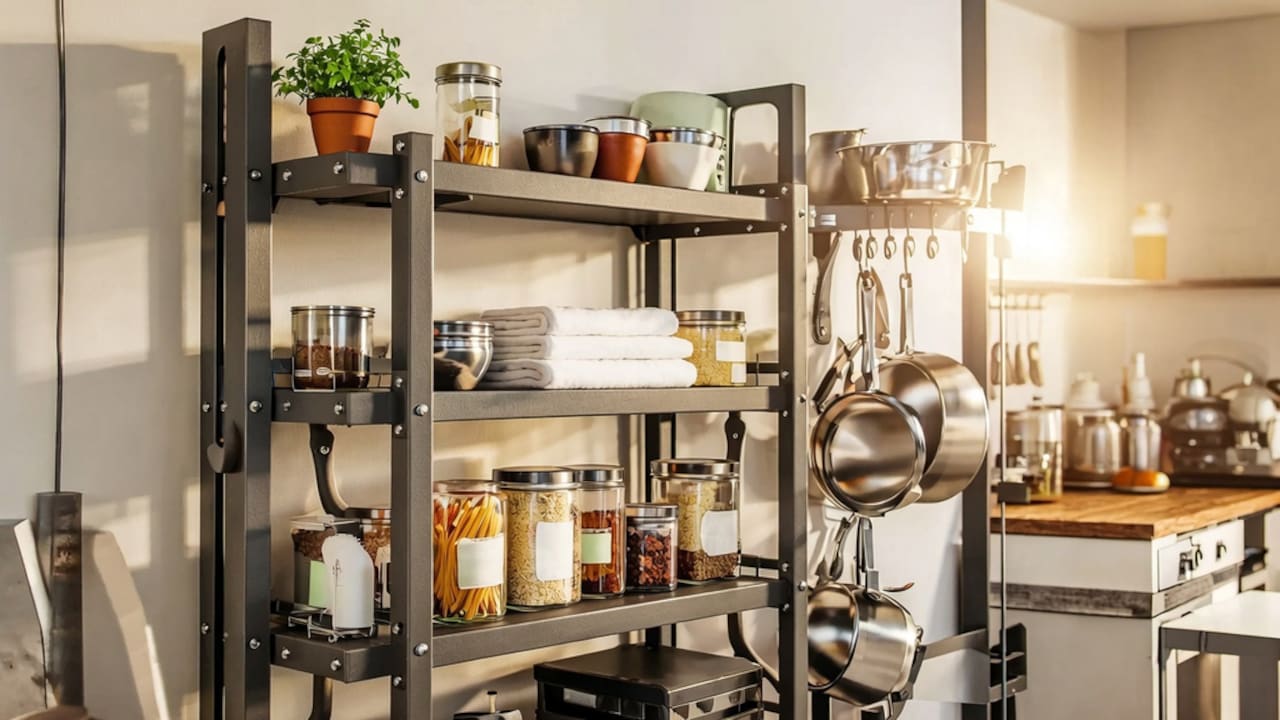
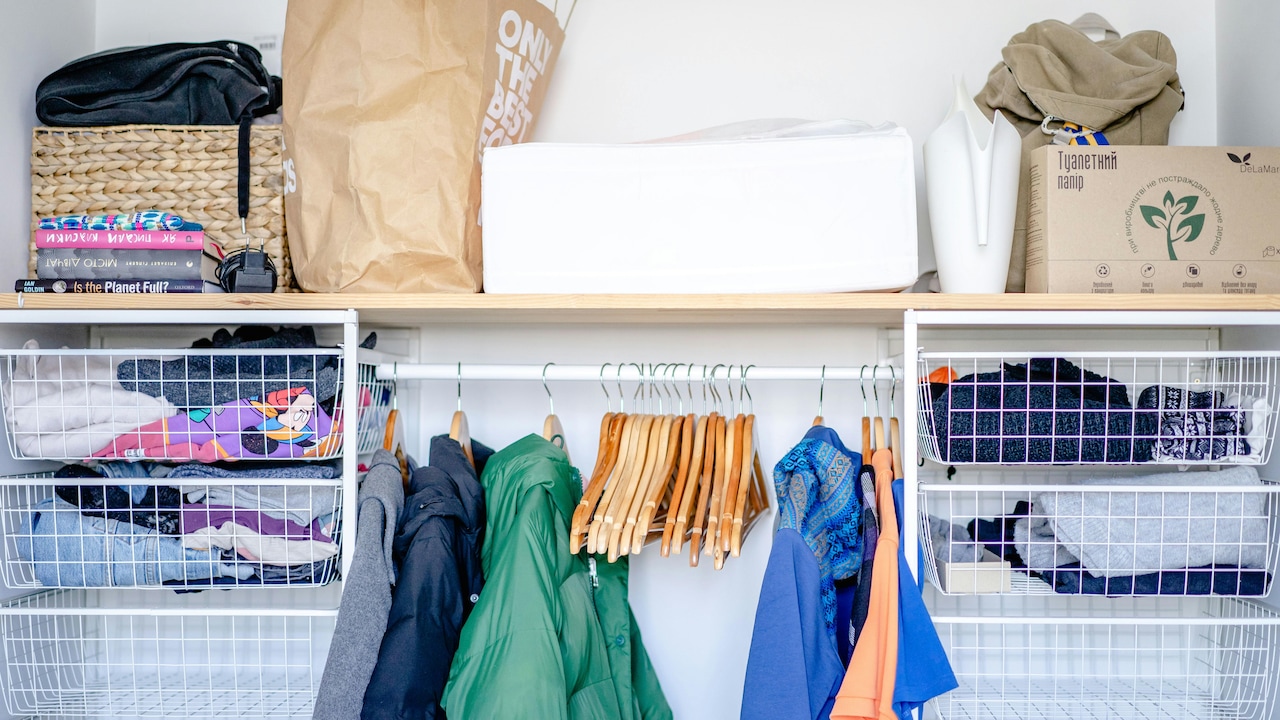
Walls often go underused, especially in smaller homes where floor space is limited. Instead of spreading storage horizontally, shifting upwards can free up valuable space.
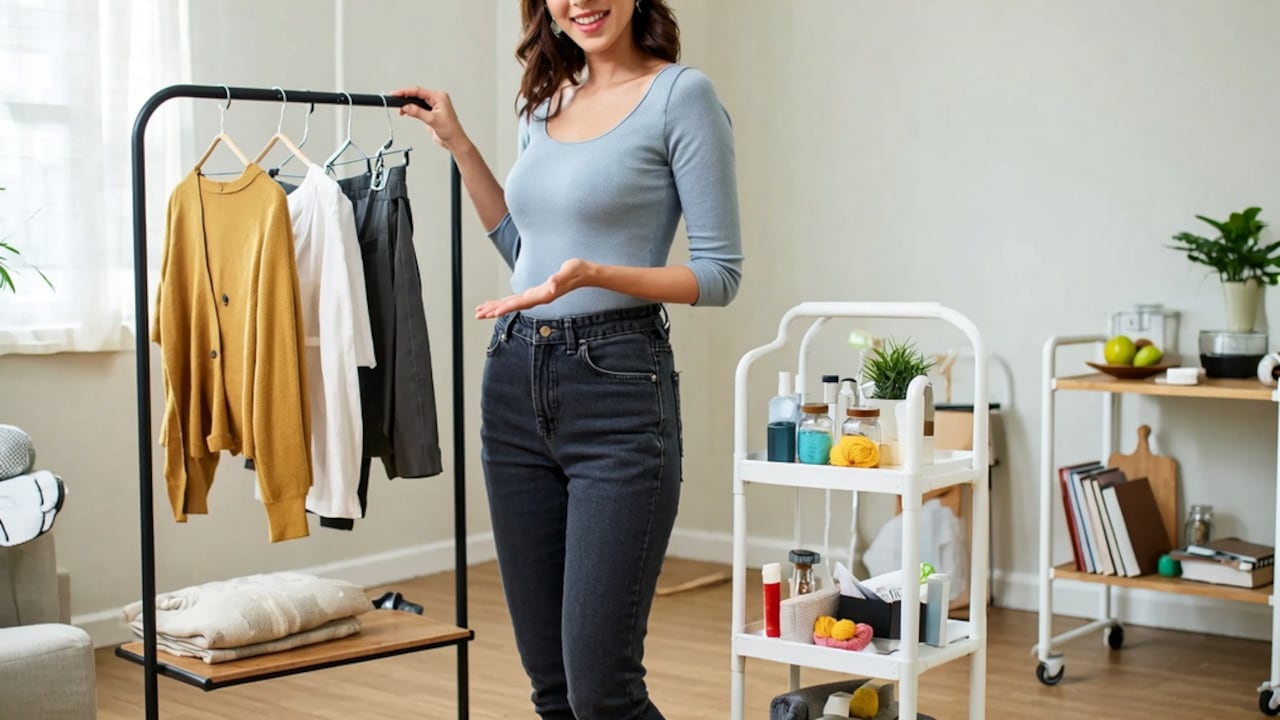
Tall bookshelves, wall-mounted cabinets, and floating shelves help keep belongings organised without eating into the floor area. Even a simple set of hooks behind a door can make a noticeable difference.
This approach works particularly well in kitchens and bedrooms. Stacking storage vertically keeps essentials within reach while maintaining a tidy appearance.
There's also something satisfying about seeing a well-utilised wall. It creates a sense of order and reduces the temptation to pile things on tables or chairs.
When used thoughtfully, vertical space can transform cluttered corners into efficient storage zones.
Also Read: Best 5 Desk Organisers That Clean Up Your Work-From-Home Setup
Stick To A Cohesive Colour Palette
Colour plays a powerful role in how a space feels. Dark, mismatched furniture can make a room look crowded and chaotic. On the other hand, a consistent colour scheme creates harmony and visual flow.
Light shades such as soft whites, creams, pastels, or light wood tones reflect more light and make rooms appear larger. Even if bold colours are appealing, keeping them limited to accents helps maintain balance.
Matching furniture tones also prevents visual clutter. When everything looks like it belongs together, the room feels calmer and more organised.
Adding subtle pops of colour through cushions, rugs, or artwork keeps things lively without overwhelming the space.
A cohesive palette doesn't just improve aesthetics, it makes the entire room feel more spacious and thoughtfully designed.
Avoid Overcrowding With Too Many Pieces
There's often a temptation to fill every corner with something useful. A chair here, a side table there, it all adds up quickly. Before long, the room starts to feel packed.
Sometimes, less truly is more. Leaving a bit of empty space allows the room to breathe. It also makes each piece of furniture stand out rather than blending into clutter.
Choosing fewer but more functional pieces ensures that the space remains comfortable and easy to navigate. A well-placed sofa and a single table often work better than multiple small items scattered around.
It helps to step back and ask whether each item truly adds value. If not, it might be time to let it go.
A room feels bigger not just because of its size, but because of what's left out.
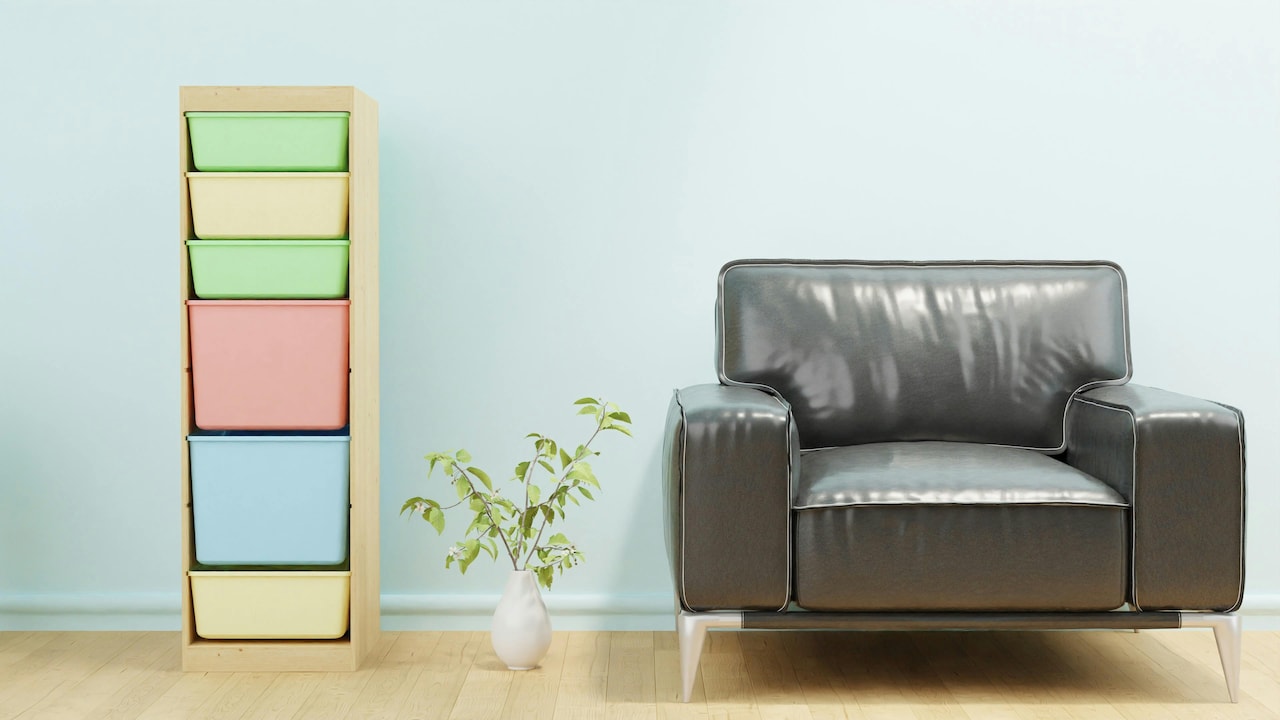
Incorporate Built-In Storage Solutions
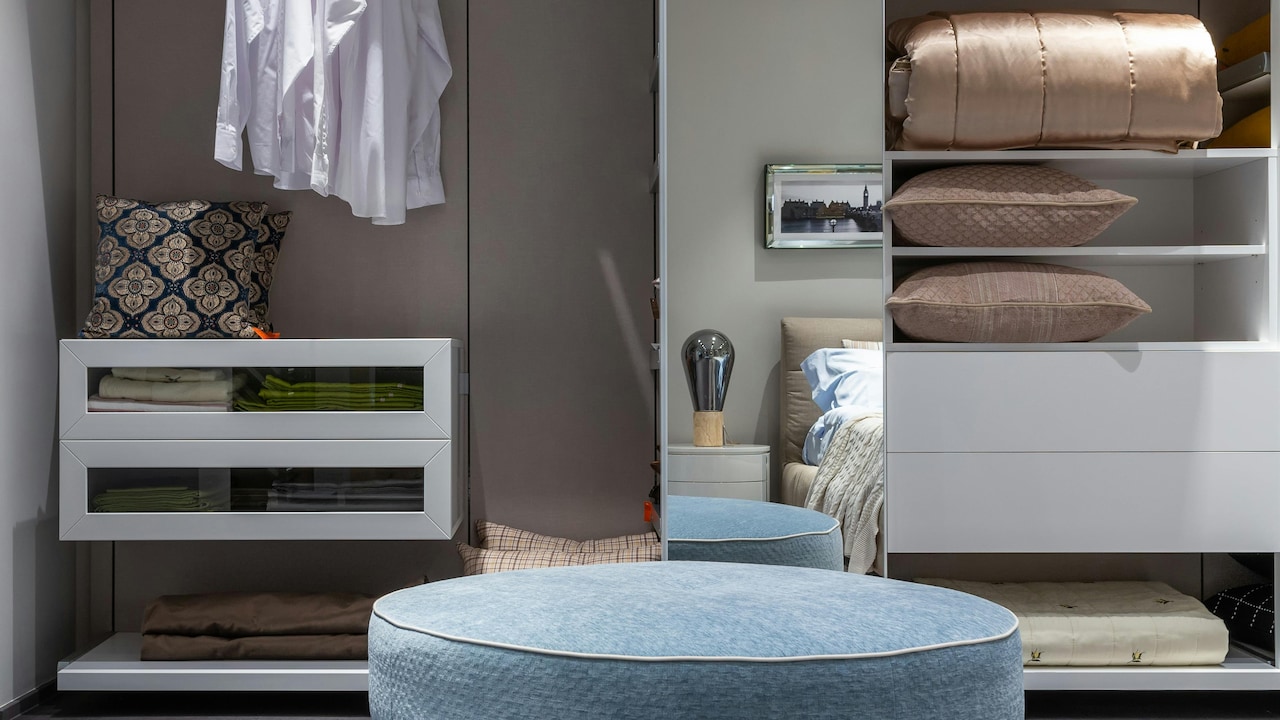
Built-in furniture can work wonders in small homes. Unlike standalone pieces, built-ins fit perfectly into the available space, leaving no awkward gaps.
Wardrobes that extend up to the ceiling, window seats with storage underneath, or custom shelves along a wall help maximise every inch. These designs blend seamlessly with the room, making it look neat and intentional.
While custom solutions may require an upfront investment, sometimes around ₹20,000 to ₹60,000, depending on the design, they often save space and reduce the need for additional furniture later.
Built-ins also reduce visual clutter since everything has a designated place. The result is a cleaner, more organised look that feels less cramped.
It's a long-term solution that pays off in both functionality and aesthetics.
How To Make Small Rooms Look Bigger: 10 Space-Saving Organisation Tips
Photo Credit: Pexels
Use Mirrors To Create An Illusion Of Space
Mirrors are one of the simplest ways to make a room feel larger without moving a single piece of furniture. By reflecting light and surroundings, they create depth and openness.
Placing a large mirror opposite a window can brighten the room instantly. Even smaller mirrors grouped together can have a similar effect.
Mirrored furniture or panels also help bounce light around, especially in rooms with limited natural light.
There's a subtle elegance to mirrors; they enhance the space without demanding attention. And in smaller homes, that quiet transformation can make a big difference.
It's a classic trick, but one that never fails to deliver.
Keep Furniture Away From Walls (Strategically)
Pushing all furniture against the walls might seem like a logical way to create more space, but it can sometimes have the opposite effect.
Leaving a little gap between furniture and walls can create a sense of depth. For instance, pulling a sofa slightly forward or placing a console table behind it adds dimension to the room.
This technique works best when done thoughtfully. The idea isn't to crowd the centre but to break the rigid layout that makes rooms feel boxed in.
Even a few inches can change how the space feels. It introduces movement and makes the room appear more dynamic.
Sometimes, small adjustments bring surprisingly big results.
Choose Foldable Or Stackable Pieces
Flexibility is key in smaller homes. Furniture that can be folded, stacked, or tucked away offers unmatched convenience.
Folding dining tables, stackable chairs, or collapsible desks allow the space to adapt to different needs throughout the day. When not in use, they disappear neatly, freeing up room.
This is especially useful during gatherings or when extra space is needed temporarily. Instead of permanently sacrificing space, the room can evolve as required.
Modern designs ensure that these pieces don't look temporary or flimsy. Many options are stylish, sturdy, and surprisingly comfortable.
It's about having furniture that adjusts to life, not the other way around.
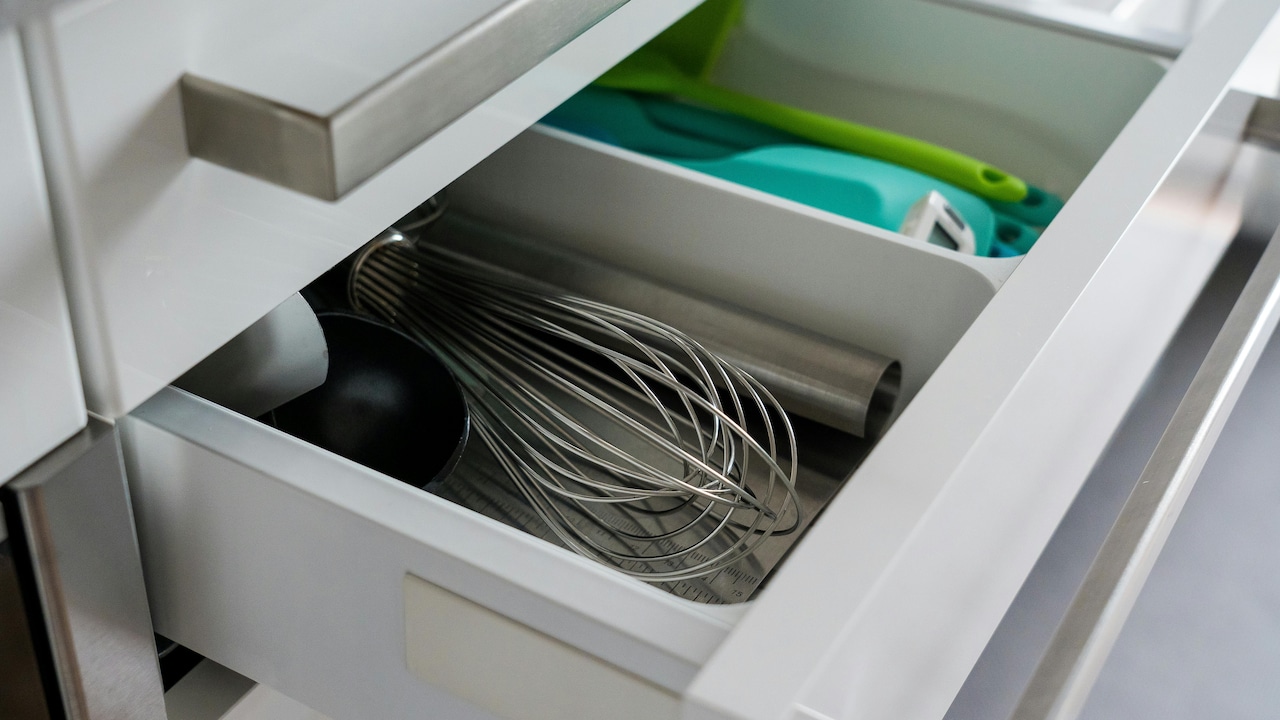
Declutter Regularly And Thoughtfully
No matter how well-designed a room is, clutter can undo all the effort. Extra items piling up on tables, chairs, or shelves quickly make the space feel smaller.
Regular decluttering keeps things manageable. It doesn't mean getting rid of everything, just being mindful about what stays.
Seasonal items, unused gadgets, or duplicate décor pieces often take up valuable space. Clearing them out creates room for better organisation.
Storage boxes, baskets, and organisers can help keep essentials tidy and out of sight.
There's also a certain lightness that comes with a clutter-free room. It feels calmer, easier to navigate, and far more inviting.
In small spaces, organisation isn't optional; it's essential.
How To Make Small Rooms Look Bigger: 10 Space-Saving Organisation Tips; Photo Credit: Pexels
Products Related To This Article
1. ADA Handicraft Black Regular Drizzle Rack Organisers
2. HOUSE OF QUIRK Black Solid Organisers
3. Aura Grey & Black 4-Layer Storage Trolley Rack With Wheels
4. Story@home White Set of 1 Super Strong Multi-Utility Organisers
5. Arhat Organizers White Metal Regular Stylish Table Riser Organiser
Living in a compact space doesn't have to feel like a compromise. With the right choices, even the smallest rooms can feel open, organised, and comfortable.
It all comes down to being intentional. Choosing furniture that serves multiple purposes, keeping designs light and minimal, and making smart use of vertical space can transform how a room feels. Add a bit of creativity and a touch of restraint, and suddenly the space starts working rather than fighting back.
Small homes often carry a certain charm, a sense of warmth and closeness that larger spaces sometimes lack. With thoughtful planning, that charm can shine without being overshadowed by clutter or bulky furniture.
A well-organised space isn't just about appearance. It shapes daily life, making routines smoother and surroundings more enjoyable.
And perhaps that's the real goal, not just to fit everything in, but to make every corner count.
(Disclaimer: This article may include references to or features of products and services made available through affiliate marketing campaigns. NDTV Convergence Limited (“NDTV”) strives to maintain editorial independence while participating in such campaigns. NDTV does not assume responsibility for the performance or claims of any featured products or services.)