How to Measure Cabinets Like a Pro: Accurate Sizing Tips That Prevent Errors
Measure cabinets the right way before ordering. Learn simple pro tips to avoid gaps, misfits, and costly errors in kitchens, wardrobes, and storage units.

How to Measure Cabinets: Here Is A Step-by-Step Guide To Get Accurate Kitchen Cabinet Sizes.
Cabinets shape the way a kitchen, bedroom, or utility area feels and functions. They hide clutter, organise chaos, and quietly influence daily routines. Yet, measuring them often gets rushed, squeezed in between choosing finishes and debating colours. That rush usually costs more than expected.
Homes come with quirks. Walls curve slightly, floors slope, and corners rarely meet at perfect right angles. A measuring tape alone does not guarantee accuracy. Knowing how and where to measure makes all the difference. Whether planning a full kitchen overhaul or adding a single storage unit, precise cabinet measurements save money, time, and frustration.
This guide walks through every critical step, from tools to techniques, with practical advice drawn from real-life home scenarios. Expect clarity, warmth, and a few knowing nods along the way because measuring cabinets should feel empowering, not intimidating.
How to Measure Cabinets: Step-by-Step Guide for Accurate Kitchen Cabinet Sizes
Photo Credit: Pexels
The Pro Method: 10 Cabinet Measuring Tips That Actually Work
1. Start With the Right Tools, Not Guesswork
Every accurate measurement begins with proper tools. A flimsy tape or hurried estimate invites trouble. A sturdy steel measuring tape, at least five metres long, handles most cabinet jobs with ease. A spirit level helps spot sloping floors or uneven walls, which show up more often than expected. A notebook or phone notes app keeps numbers organised, because memory rarely plays fair.
Laser measurers add speed and precision, especially in larger kitchens. However, even a simple tape works well when used carefully. Always measure twice. That old saying sticks around for a reason.
Avoid measuring late in the evening after a long day. Fatigue blurs focus, and one skipped centimetre can cost ₹10,000 later. Clear the area before measuring. Remove appliances, bins, or stools that block walls. A clean space reveals true dimensions and awkward corners that hide behind clutter.
Tools do not replace patience. Slow, steady measuring builds confidence and accuracy from the very first step.
2. Understand the Space Before Measuring Cabinets
Rooms rarely behave like neat rectangles drawn on paper. Before measuring cabinets, take a moment to understand the space. Walk around and notice wall bends, beams, pipes, or switchboards. These features often interfere with cabinet placement.
Measure wall lengths at three heights: near the floor, at waist level, and close to the ceiling. Differences between these numbers reveal uneven walls. Floors also slope, especially in older buildings. A base cabinet that fits at one end may wobble at the other.
Check ceiling height too. Overhead cabinets that stretch too high feel cramped and awkward. Leave enough space above for ventilation and cleaning. In kitchens, note the position of windows. A cabinet that blocks natural light quickly feels like a mistake.
Sketch a rough layout with all fixed elements marked. No artistic skill required. A simple box drawing with measurements helps visualise the final setup. Understanding the space first prevents surprises later and makes cabinet planning far smoother.
3. Measure Wall Lengths and Heights With Care
Wall measurements form the backbone of cabinet planning. Start from one corner and work across, noting every change in wall direction. Measure the full length, then break it into segments if doors or windows interrupt the run.
Height matters just as much. Measure from floor to ceiling at multiple points. Floors often dip slightly near drains or heavy appliances. Use the smallest height measurement when planning tall cabinets to avoid tight fits.
In kitchens, standard base cabinets sit around 850 mm high, including the countertop. However, that standard shifts based on user comfort and appliance height. Tall family members may prefer slightly higher counters. Shorter users appreciate lower ones. Customisation starts with accurate height data.
Avoid rounding numbers. Write exact measurements, even if they look awkward. A wall that measures 2437 mm tells a more honest story than one rounded to 2400 mm. Precision here saves trimming and rework later.
4. Account for Doors, Windows, and Openings
Doors and windows love to complicate cabinet plans. Measure their width, height, and distance from adjacent walls. Note the swing direction of doors. A cabinet door that clashes with a room door becomes an everyday annoyance.
Windows often sit at varying heights. Measure from the floor to the window sill and from the sill to the top frame. This information helps decide whether base cabinets can run under the window or if open shelving works better.
Ventilation grills, exhaust fans, and balcony doors also demand attention. Cabinets should never block airflow or access points. In utility areas, washing machine doors need clearance to open fully.
Mark all these openings clearly on the layout sketch. Use bold lines or colours to avoid confusion. Treat openings as non-negotiable boundaries. Respecting them during measurement prevents awkward compromises during installation.
5. Measure Depth the Smart Way
Depth often gets overlooked, yet it plays a huge role in comfort and usability. Standard base cabinets usually measure around 600 mm deep, while wall cabinets sit closer to 300 mm. However, actual room depth may demand adjustments.
Measure from the wall to the furthest obstruction, such as a door frame or passageway. Leave enough clearance for movement. A kitchen aisle should feel open, not like a puzzle to navigate.
In small kitchens, slightly shallower cabinets improve flow without sacrificing much storage. In bedrooms, deeper wardrobes may eat into walking space. Balance storage needs with comfort.
Also, check for wall protrusions. Columns, pipes, or uneven plaster can reduce usable depth. Measure from the furthest point out, not the wall behind it. This approach ensures cabinets sit flush without awkward gaps.
Depth mistakes often reveal themselves too late. Thoughtful measuring here keeps spaces functional and pleasant.
6. Don't Forget Skirting, Corners, and Obstacles
Skirting boards quietly sabotage cabinet fits when ignored. Measure their height and depth. Decide whether the cabinets will sit in front of them or require cutting. Many modern cabinets include recessed backs to accommodate skirting, but measurements must match reality.
Corners present their own challenges. Few corners meet at a perfect 90 degrees. Measure corner angles if possible, or at least note any visible deviation. Blind corner cabinets or carousel units need extra planning space.
Obstacles such as electrical panels, water meters, or gas lines demand clear access. Measure their exact position and keep cabinets clear or design removable panels.
Even small obstacles matter. A wall switch hidden behind a cabinet becomes useless. Mark everything on the plan, no matter how minor it seems. Those small details often separate a professional finish from a frustrating one.
7. Measure for Appliances Alongside Cabinets
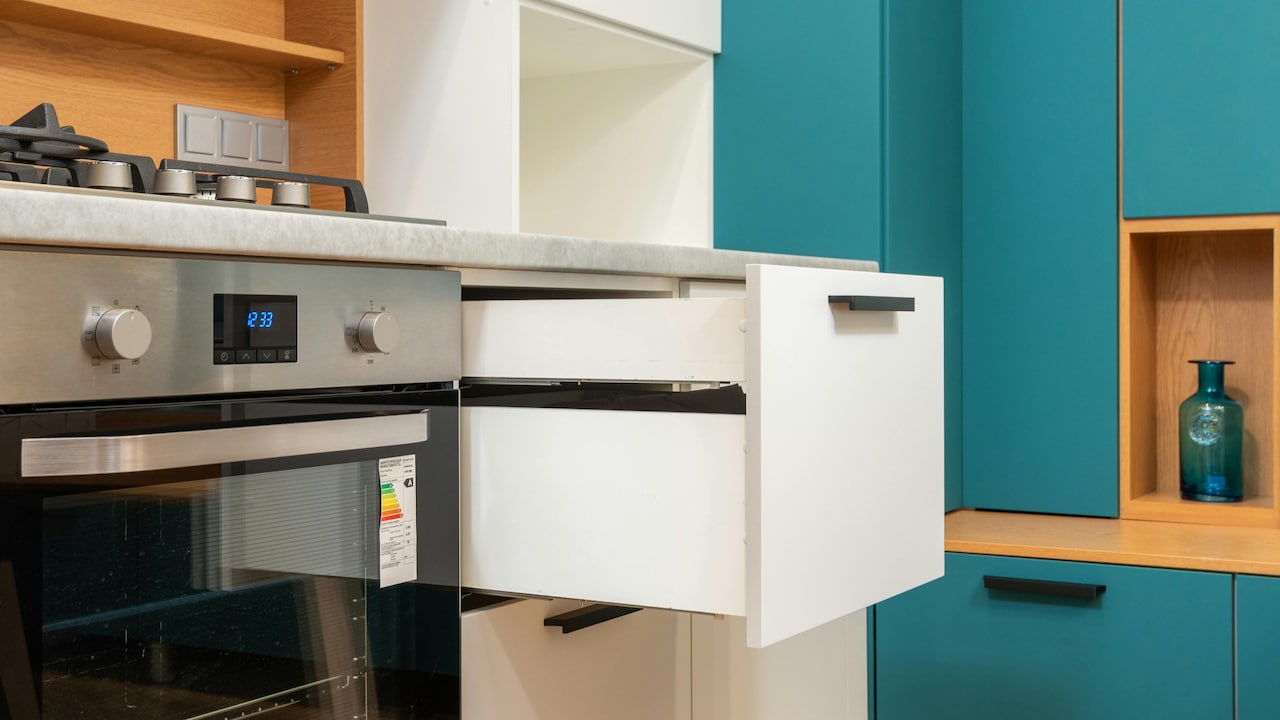
Appliances and cabinets work as a team. Measure appliances carefully, including height, width, and depth. Check manufacturer specifications too, as handles and ventilation gaps add extra space.
Refrigerators need clearance for door swing and airflow. Ovens and microwaves require precise cut-outs. Dishwashers must align perfectly with cabinet doors for a seamless look.
Measure appliance spaces twice, once with the appliance in place and once from the specification sheet. Differences sometimes appear due to adjustable feet or wall unevenness.
Plan electrical and plumbing points around these measurements. A socket hidden behind a fixed cabinet causes headaches later. Leave service access where needed.
Treat appliances as fixed elements in the cabinet layout. Respecting their space ensures smooth installation and long-term convenience.
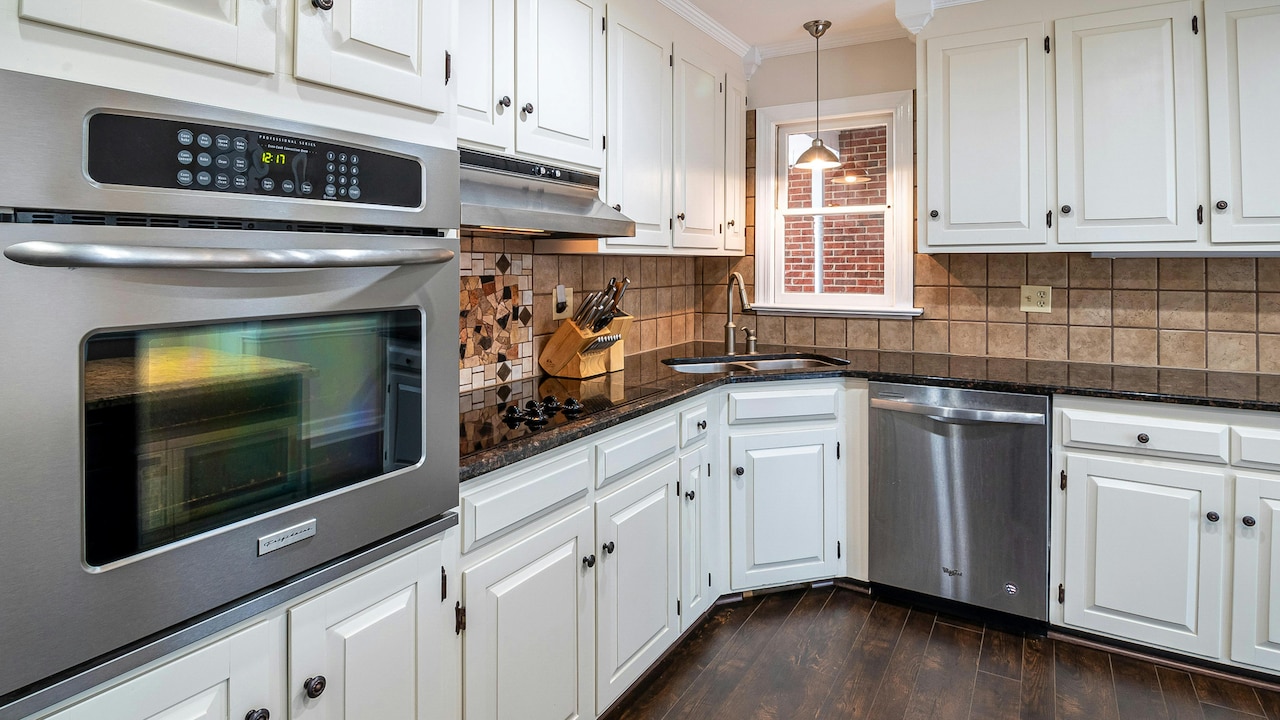
How to Measure Cabinets: Step-by-Step Guide for Accurate Kitchen Cabinet Sizes
Photo Credit: Pexels
8. Allow for Tolerances and Installation Gaps
Perfect measurements still need breathing room. Walls expand and contract slightly with the weather. Floors shift over time. Installers need small gaps to adjust cabinets on site.
Allow a few millimetres of tolerance on each side of cabinet runs. Use fillers or scribes to cover gaps neatly. These slim pieces create a polished look while hiding imperfections.
Avoid designing cabinets to fit wall-to-wall with zero margin. That approach leaves no room for adjustment and increases installation stress. A 5–10 mm allowance often saves the day.
Discuss tolerances with the carpenter or modular supplier early. Shared understanding prevents blame games later. Smart planning accepts that homes behave like living things, not rigid boxes.
9. Double-Check Everything Before Finalising
Before signing off on cabinet orders, review every measurement calmly. Cross-check numbers against the layout sketch. Compare wall lengths with cabinet totals. Ensure openings line up.
Ask a family member or friend to review the plan. Fresh eyes spot mistakes easily missed after hours of measuring. Even professionals welcome a second check.
Revisit the space with the plan in hand. Visualise cabinets opening, drawers sliding, and people moving around. This mental walkthrough often reveals issues that numbers alone miss.
Taking one extra day to double-check beats spending ₹50,000 correcting an avoidable error. Confidence grows when every detail aligns.
10. Learn From Common Measuring Mistakes
Most cabinet disasters share familiar roots. Measuring once instead of twice tops the list. Ignoring the wall unevenness follows closely. Forgetting appliance clearances ranks high, too.
Rushing the process often leads to regret. Measuring during renovation chaos invites distraction. Choose a quiet moment and focus fully.
Another common slip involves trusting old drawings. Homes change over time. Always measure the current space, not what the plan claims.
Treat mistakes as lessons, not failures. Every careful measurement builds skill and confidence. Over time, the process feels less technical and more intuitive.
Understanding these pitfalls helps avoid them. Awareness turns measuring from a chore into a satisfying step toward a well-designed home.
Products Related To This Article
1. Amazon Basics Multi-Purpose Organizer
2. 6 Door Premium Wooden Multi-Door Wardrobe Cabinet with Shelves
3. Rocco Engineered Wood Trudo Modular Shoe Cabinet
4. Nilkamal Sear 3 Tier Engineered Wood Free Standing Book Shelf Cabinet with Close Shelf
5. DeckUp Plank Lexis 3-Door Engineered Wood Shoe Rack
Accurate cabinet measurement forms the quiet foundation of a successful home upgrade. It prevents wasted money, awkward installations, and daily irritations. More importantly, it empowers homeowners to make informed choices.
With the right tools, patience, and attention to detail, measuring cabinets become manageable and even enjoyable. Each step, from understanding the space to allowing tolerances, plays a vital role.
Homes tell their stories through uneven walls and quirky corners. Respecting those stories through careful measurement leads to cabinets that fit beautifully and function effortlessly. Measure well, plan wisely, and enjoy spaces that truly work.
(Disclaimer: This article may include references to or features of products and services made available through affiliate marketing campaigns. NDTV Convergence Limited (“NDTV”) strives to maintain editorial independence while participating in such campaigns. NDTV does not assume responsibility for the performance or claims of any featured products or services.)