How To Plate Mithai And Snacks For Festive Guests
Learn how to plate mithai and snacks for festive guests with colourful arrangements, elegant serving trays, balanced portions and simple presentation tips.
How To Plate Mithai And Snacks For Festive Guests
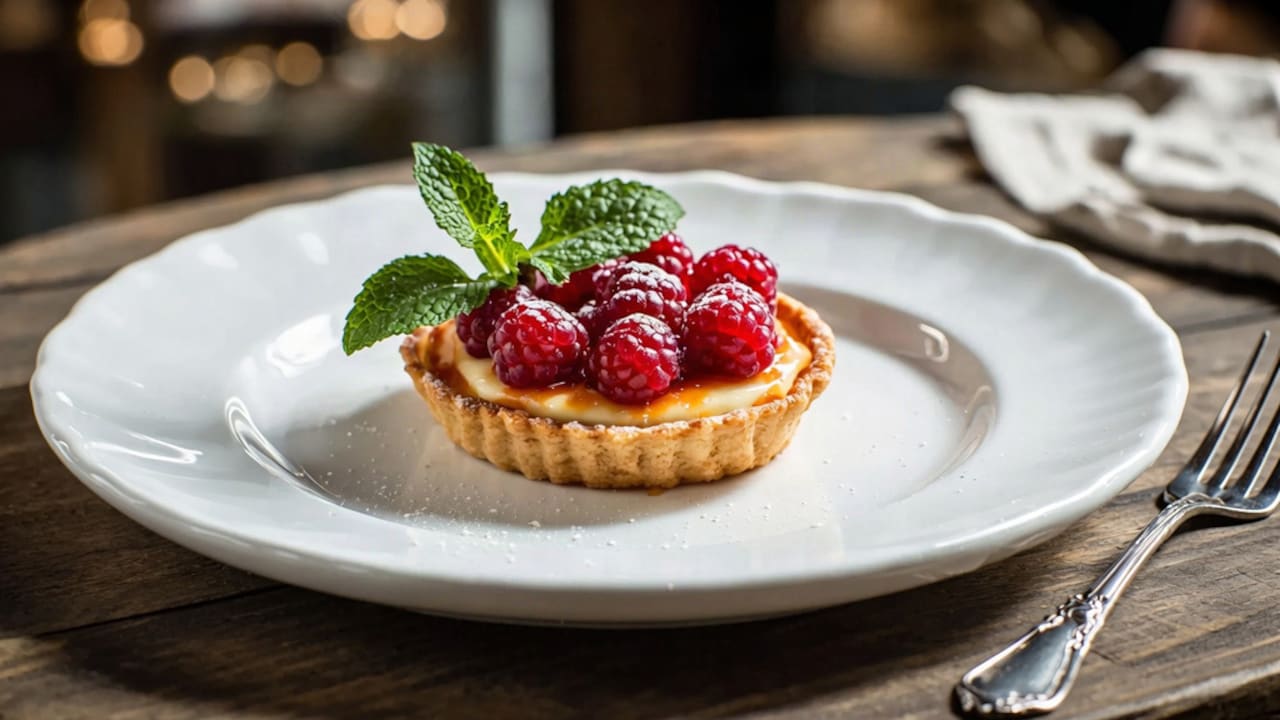
Festive gatherings usually come with a tempting selection of mithai, namkeen, savoury snacks, dry fruits and homemade treats. The food is the highlight, but the way it's presented can make a table feel more welcoming. A well-plated selection means guests can see the variety, pick their favourites and enjoy the occasion without the serving area looking cluttered, and the good news is that you don't need professional plating skills or fancy tableware to create an attractive presentation. A clean plate, some small bowls, contrasting colours and neatly arranged portions can make familiar treats into an inviting spread.
What Should A Festive Mithai And Snack Platter Include?
Photo Credit: iStock
Traditional sweets like kaju katli, peda, ladoo and barfi, along with chakli, mathri, namak pare and roasted nuts, can make an attractive sight. The secret is to keep the arrangement simple, practical and easy to refill. Separate sweets and savoury snacks, and leave enough room for serving utensils; just use food-safe dishes appropriate for the amount being served. A little planning makes hosting parties more enjoyable for both guests and hosts.
What Should A Festive Mithai And Snack Platter Include?
1: Match The Serving Style To The Occasion
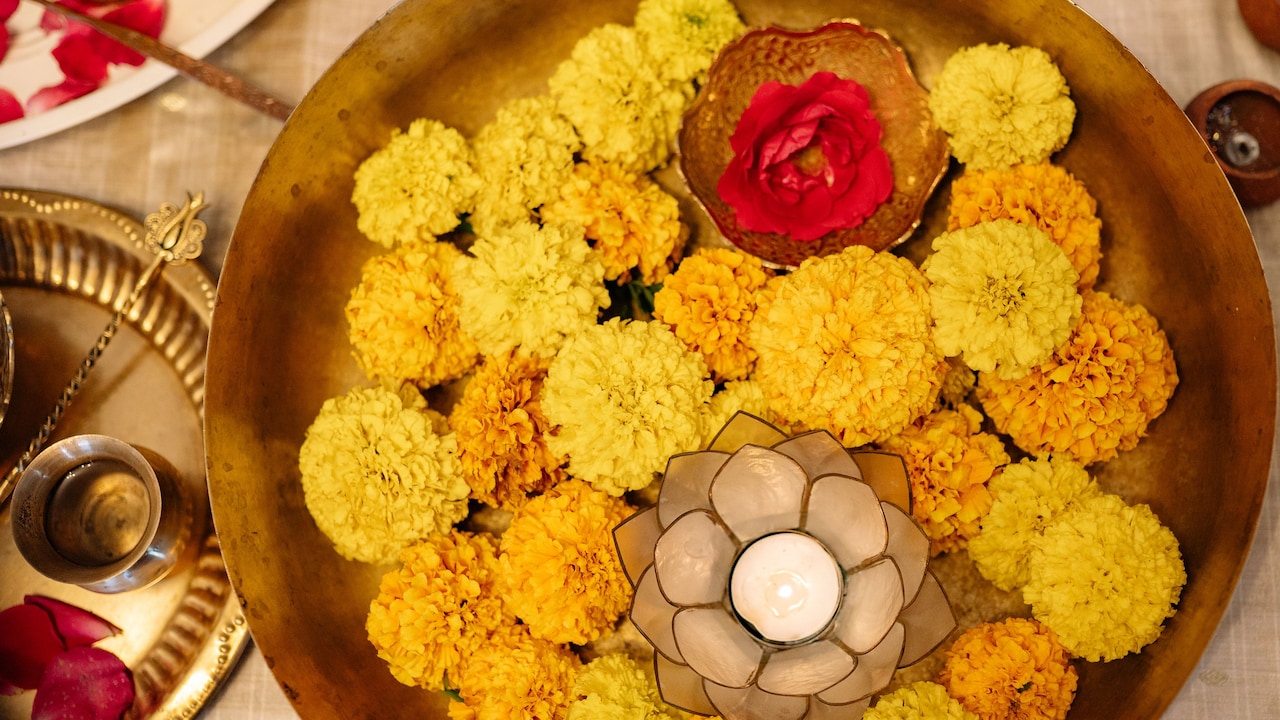
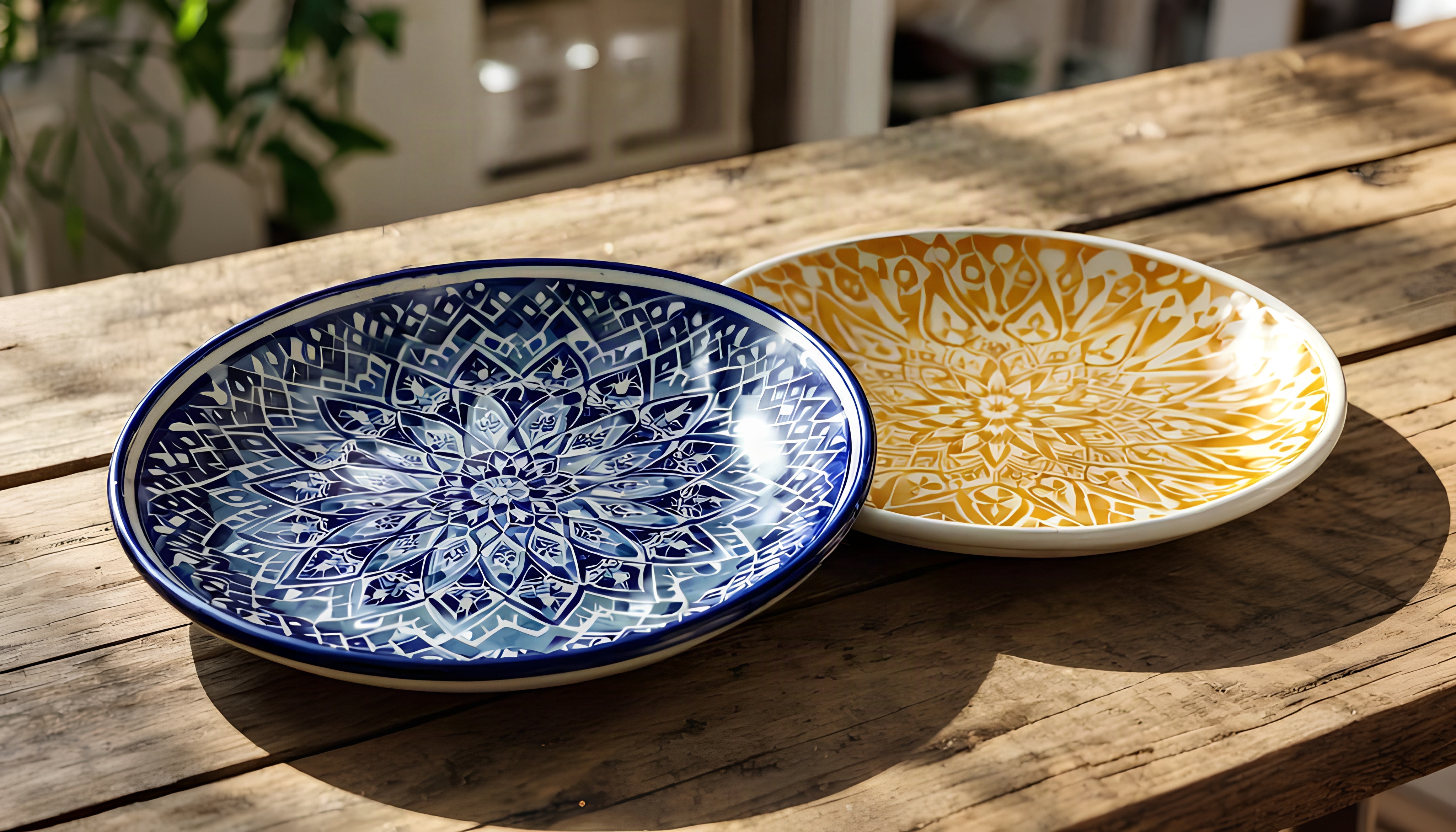
If you are having a traditional family get-together, you can add to the festive look with a decorative thali or a metal platter, and a modern-day dinner party may call for ceramic platters, small bowls and a matching table runner. You don't need to match the serving style to every single decorative detail; usually two or three complementary colours are enough to create a cohesive look.
2: Get The Display Ready Before Guests Arrive
Set out the serving plates, napkins and cutlery before bringing the food out. Keep spare sweets and snacks in suitable containers, covered up, so that the platters can be refilled without interrupting the flow of conversation, and it also helps to keep food safe from dust and unnecessary handling.
How To Arrange Mithai And Snacks For Festive Guests
Step 1: Select A Serving Platter That Pairs Well With The Menu
Begin with a platter that is big enough to hold the selection you're considering without overcrowding the pieces, and a round tray is good for a variety of mithai, while a rectangular platter is good for rows of barfi, peda or other sweets of similar shape. Divided trays come in handy when you need to keep several dry snacks separate.
Step 2: Sort Mithai By Colour, Shape And Size
Put in larger pieces or small groups of sweets first, then fill in the gaps with smaller items, and arrange similar sweets in neat rows, placing contrasting colours side by side for a livelier display. Don't crush delicate things under heavy objects.
Step 3: Serve Savoury Snacks In Small Bowls
Keep crunchy snacks like chakli, namak pare, mathri, and chivda in separate bowls or compartments so guests can easily spot the options and flavours and crumbs don't get mixed. Nuts can go in a small bowl, but chutneys or dips should be in separate containers.
Step 4: Put Some Simple Finishing Touches
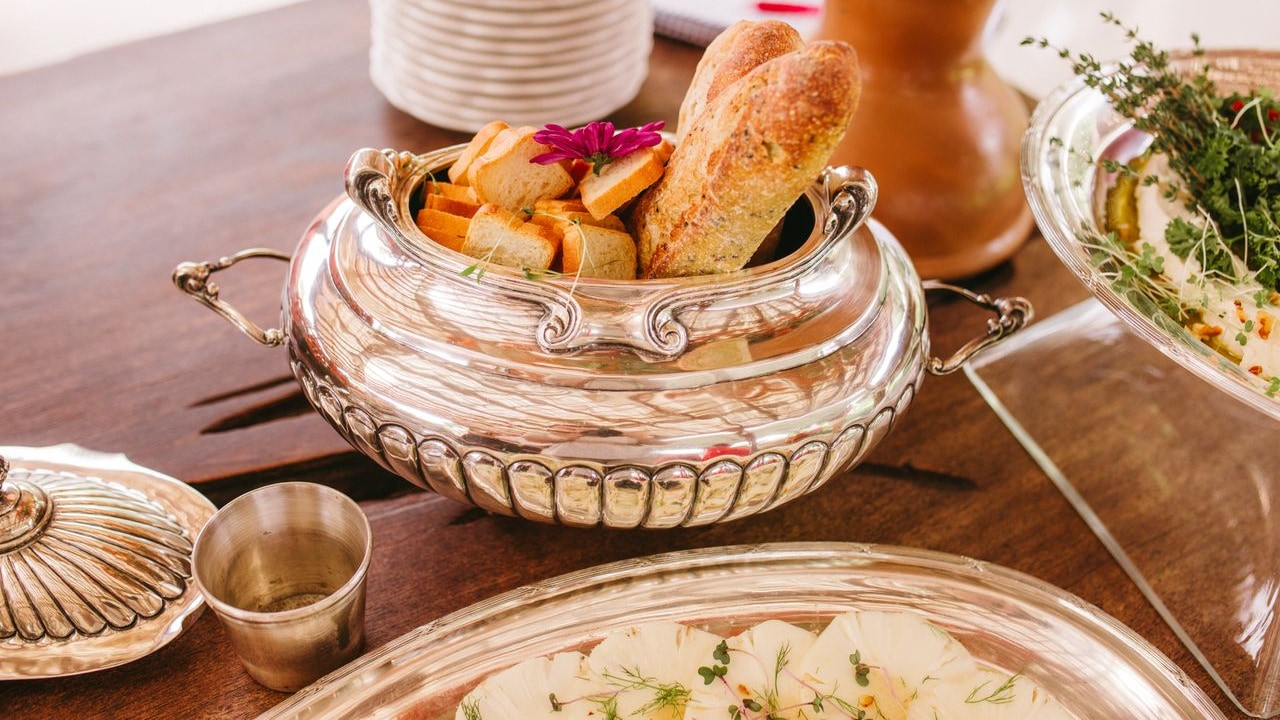
Add a coordinating table runner, crisp napkins, and serving spoons to complete the look of the spread. With suitable sweets, a small bowl of pistachios or a few edible garnishes may be appropriate if they are fresh and intended for eating. Leave some space around the food so that guests can easily access the platter.
What Are The Advantages Of A Well-Plated Festive Spread?
A well-arranged platter allows guests to see what is available and select what they want more easily. Separate bowls and serving utensils also make self-service more convenient, especially when several people are gathered around the table at the same time; a well-laid-out space can minimise unnecessary handling and help keep an organised serving area. Thoughtful plating can make familiar foods feel special, without changing the recipes. For a more festive look, arrange the same mithai and snacks in different colours, neat portions and suitable serving dishes.
You can do this without spending much by using tableware you already have at home. Serving the food in smaller batches will aid the host in replenishing the table as needed. It also allows you to cover delicate sweets and crunchy snacks until serving. This method gives a display that looks attractive and is practical throughout the gathering.
What Festive Food Plating Mistakes To Avoid?
1: Loading The Platter With Too Many Things
Stacked on a tray, it can get messy and not leave much room for guests to help themselves to individual pieces. But too many flavours can also make it hard to tell them apart, especially when sweet and savoury snacks are placed next to each other.
2: Dirty And Improper Storage Of Food
The presentation should not be appealing at the expense of the safety of the food. Use clean, dry serving dishes and utensils. Wash your hands before handling ready-to-eat foods. Keep food covered until ready to serve; just do not use decorative materials or containers that are not food-safe.
Products To Consider From
Photo Credit: iStock
Products To Consider From
1. GOLDEN QUEEN'S Leaf Dish
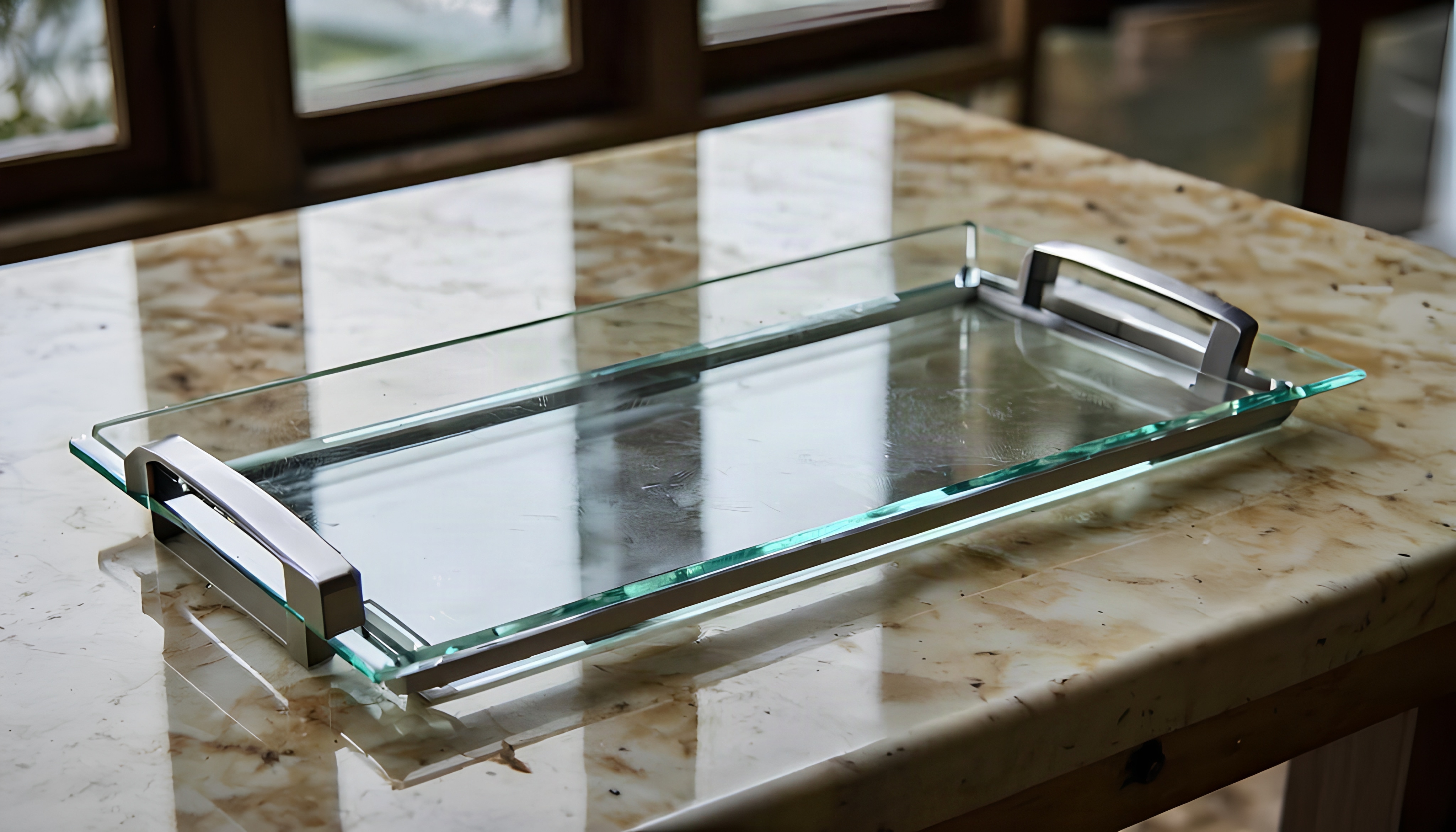
2. BeOrganixa Premium Crystal Glass Rectangle Serving Tray
3. R AYURVEDA COPPER Metal Set of 4 Ornate Serving Plates
4. CRIYALE Leaf Shape Glass Tray Plate
5. L'eanourz Ceramic Serving Platter for Serving Sweets
6. Nestasia Set of 2 Blue Mandala Design Ceramic Serving Platters
7. Beyond Homes Ceramic Snack Plates
8. Amazon Basics Set of 2 Mandala Ceramic Square Plates
Festive gatherings are incomplete without an inviting spread of mithai and snacks. Thoughtful plating can make traditional treats look even more appealing and create a memorable experience for your guests. From arranging colourful sweets on decorative platters to pairing savoury snacks with festive garnishes, a few simple presentation techniques can elevate your table setting. Whether you're hosting a small family get-together or a grand celebration, beautifully plated festive delicacies can add charm, warmth, and elegance to the occasion.
Frequently Asked Questions (FAQs)
1. How do you organise candies on a holiday plate?
Line up the candies in rows, or pile them in little bunches. Just use contrasting colours and shapes for visual interest; leave enough space between the pieces so the guests can pick them up without bothering the others.
2. What are the best party platter foods?
Chakli, mathri, namak pare, chivda, and roasted nuts are useful options for a savoury selection; just keep your crunchy snacks away from moist foods and dips so they stay crunchy.
3. Can savoury snacks and mithai be served on the same platter?
Yes. If there is room, the items are placed in separate bowls or clearly divided sections. Separate platters are often better for delicate sweets or oily or strongly flavoured savoury snacks.
4. How can a festive platter be made to look attractive on a budget?
Use serving plates you already have in your kitchen and arrange food by colour and shape. Add napkins that coordinate with the food or a simple table runner. Good spacing and neat portions often make a bigger difference than expensive decorations.
5. How do you keep snacks and mithai fresh while guests are arriving?
Store as the label directs and use clean utensils; just keep food covered until served. Keep perishable sweets in the fridge if needed, and serve food in small amounts rather than leaving all of it out.
(Disclaimer: This article may include references to or features of products and services made available through affiliate marketing campaigns. NDTV Convergence Limited (“NDTV”) strives to maintain editorial independence while participating in such campaigns. NDTV does not assume responsibility for the performance or claims of any featured products or services.)