How To Choose A Mirror Size That Makes A Small Room Feel Balanced
Choose the right mirror size to make a small room feel brighter, wider and more balanced. Learn how wall space, furniture width, height and placement can help you find the perfect fit.
How To Size A Mirror To Make A Small Room Feel Bigger
Small rooms often demand more thought than large ones. Every chair, shelf, study lamp, and cushion competes for attention, while an awkward corner can suddenly feel like the main attraction. A mirror offers one of the simplest ways to bring order to that visual bustle. It reflects natural light, adds depth and gives a wall a sense of purpose. Yet the usual advice to “add a large mirror” only tells half the story. Large compared with what? The wall, the sofa, the washbasin or the narrow strip beside the wardrobe?
How To Size A Mirror To Make A Small Room Feel Bigger; Photo Credit: Pexels
A balanced mirror does not merely fill a space. It connects with the objects around it. Its width may echo a console table, its height may lift a low ceiling, or its shape may soften a room packed with straight-edged furniture. Even the frame plays a role. Before measuring a wall, consider how the room feels. Does it seem dark, narrow, cluttered or oddly empty? The answer will help determine not only the mirror's size, but also where it belongs.
10 Ways To Choose The Right Mirror Size For A Small Room
Measure The Wall Before Falling In Love With A Design
A beautiful mirror can inspire an instant purchase, especially when it appears perfectly styled in a showroom. Unfortunately, showroom walls tend to be far larger than those found in compact city flats. What looks elegant under bright display lights may dominate a modest bedroom wall like an uninvited wedding decorator.
Measure the available wall space before browsing. Record both the width and height, then note switches, plug points, shelves and door clearances. These details affect how comfortably the mirror will fit.
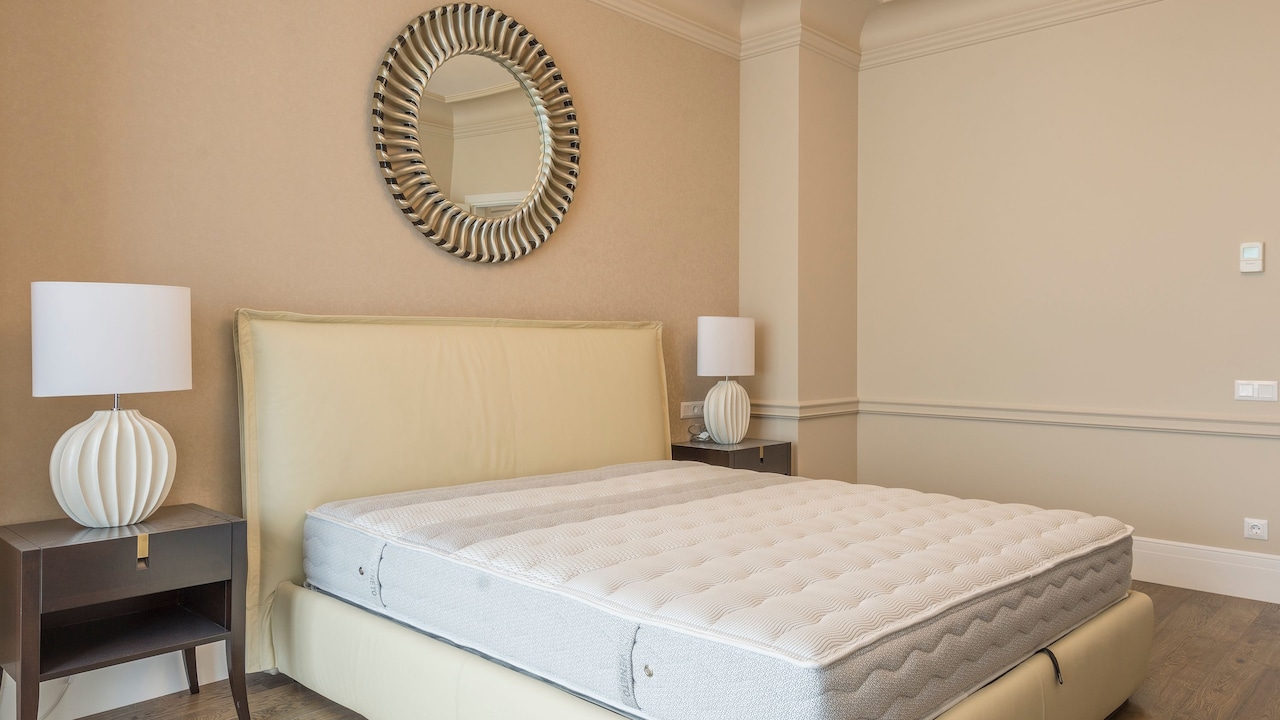
As a general guide, leave some visible wall around the mirror. This breathing space prevents the arrangement from looking cramped. On a narrow wall, a mirror that covers roughly half to two-thirds of the width often feels balanced. The exact proportion can change according to nearby furniture.
Use masking tape to mark the proposed dimensions directly on the wall. Step back and view the outline from the doorway, bed or sofa. This simple trick reveals whether the mirror will feel confident, timid or overpowering before any money leaves the account.
Also Read: Top 5 Mirrors Under ₹1,100 That Create an Illusion of Roominess, Making Your Home Feel Larger
Match The Mirror Width To The Furniture Below
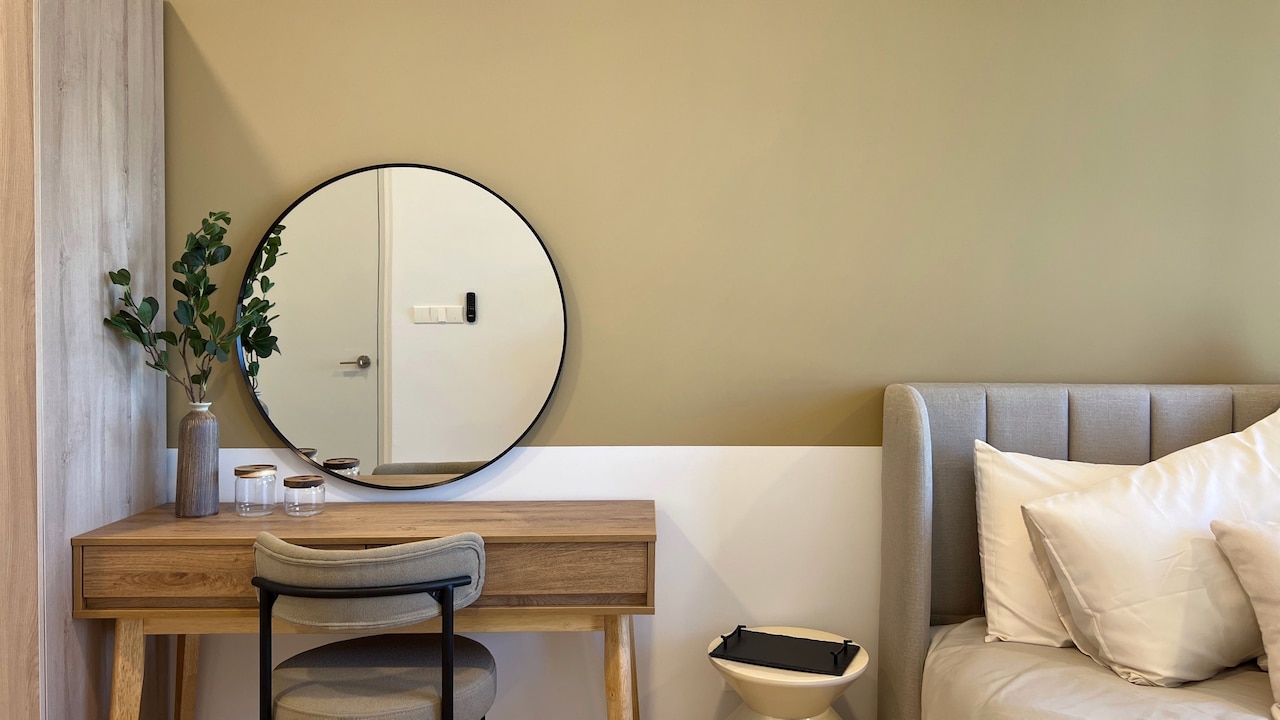
When placing a mirror above a console, chest of drawers, washbasin or sofa, treat the furniture as the visual anchor. The mirror should relate to its width rather than float above it without connection.
A mirror measuring around two-thirds to three-quarters of the furniture's width usually creates an easy, balanced look. For example, a 120-centimetre console often pairs well with a mirror between 80 and 90 centimetres wide. The mirror remains prominent without extending awkwardly beyond the table.
Avoid choosing a mirror wider than the furniture unless the design deliberately covers most of the wall. An oversized piece above a slim shoe cabinet can make the cabinet look unstable, even when it could survive years of helmets, handbags and hurried key searches.
Very small mirrors create the opposite problem. A 40-centimetre mirror above a broad sideboard may resemble an afterthought. When a favourite mirror feels too small, place it within a larger arrangement. Slim wall lights, framed prints or simple decorative panels can give it stronger visual support.
Consider Viewing Distance, Not Just Wall Space
Mirror size also depends on how far away people will stand. A mirror viewed from across a living room needs enough presence to register clearly. One placed in a tight passage can work at a smaller scale because viewers encounter it at close range.
In a compact bedroom, a medium or full-length mirror may sit only a metre away from the bed. A very wide design could feel intrusive from that distance, particularly if it reflects a busy wardrobe or an untidy chair carrying tomorrow's clothes. A narrower mirror may offer the same practical use with less visual noise.
Stand where the mirror will usually be viewed. Imagine its edges within your natural field of vision. The piece should attract attention without taking over the entire scene.
Practical use matters too. A dressing mirror needs enough height to show the required view. A mirror above a washbasin must suit faces of different heights. Decorative mirrors have more freedom, but they should still make sense from the room's main seating or standing positions.
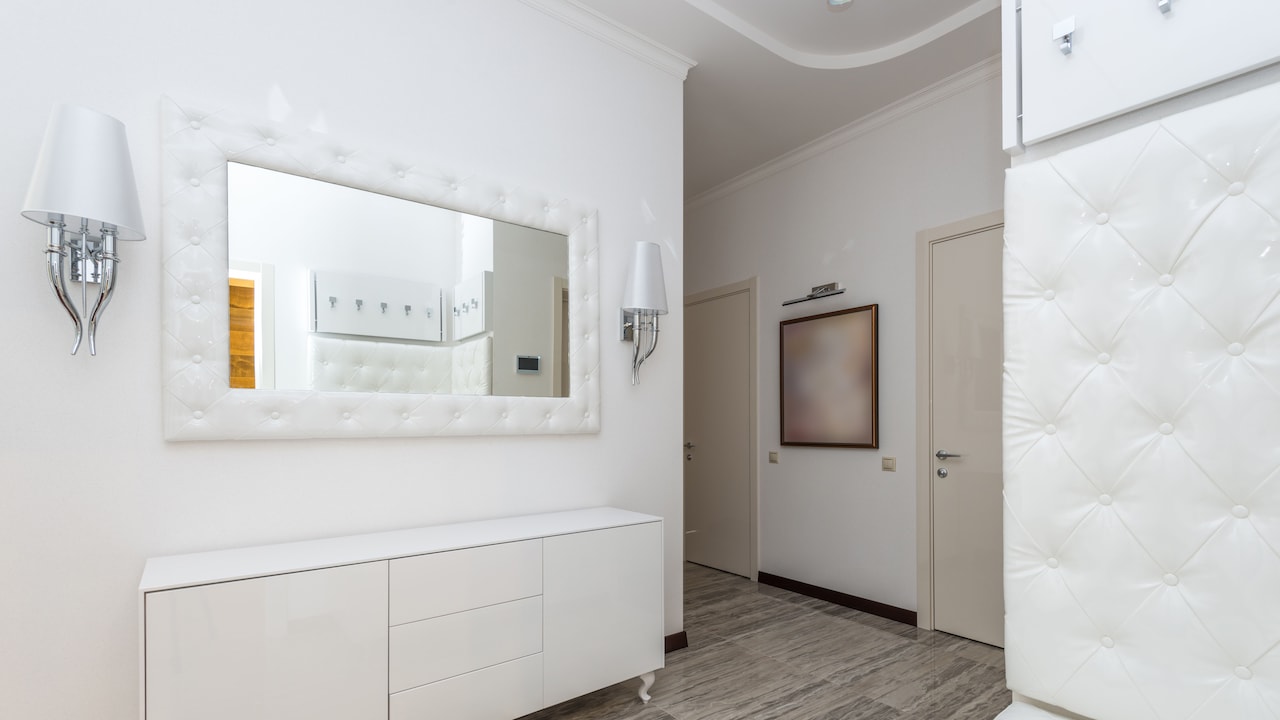
How To Size A Mirror To Make A Small Room Feel Bigger; Photo Credit: Pexels
Use Tall Mirrors To Improve Low Ceilings
Small rooms often feel compressed when ceilings sit low or bulky furniture occupies much of the wall. A tall mirror draws the eye upwards and introduces a stronger vertical line. This can make the room feel more open without adding a single centimetre of actual space.
Choose a mirror that appears noticeably taller than it is wide. Arched, rectangular and softly rounded designs all work well. Place it above a narrow console, beside a wardrobe or in a corner that feels visually heavy.
The mirror should not stretch from skirting board to ceiling without any pause unless it forms part of a fitted design. A little wall space above and below keeps the arrangement comfortable. For a leaning floor mirror, check that its angle does not reflect only the ceiling fan. That may provide an excellent inspection of dust, but little else.
Thin frames strengthen the vertical effect. Heavy carved frames can shorten the mirror visually and add bulk. In rooms with low ceilings, a clean frame or frameless edge often creates a lighter, more uplifting result.
Choose Wide Mirrors For Narrow Rooms Carefully
A wide mirror can make a narrow room feel broader by extending the eye sideways. It works particularly well above a sofa, dining bench or long console. However, width needs restraint. A mirror that nearly touches both side walls can make the surface feel packed rather than expansive.
Leave a visible margin around the mirror and align it with a key piece of furniture. In a narrow dining area, a horizontal mirror placed above a sideboard can reflect light and create the impression of additional width. Keep its centre close to eye level when standing or seated, depending on how the room gets used.
Pay attention to what the mirror reflects. A broad mirror facing a window may double the sense of openness. The same mirror facing an overloaded storage rack may visually duplicate every jar, parcel and appliance.
A wide design also suits walls where a tall mirror would conflict with a fan, air conditioner or overhead shelf. Choose a shallow frame and avoid excessive ornamentation. The goal involves extending the room, not introducing another visually heavy object.
Let The Mirror Reflect Something Worth Seeing
A mirror does not create space on its own. It repeats whatever sits in front of it. This makes the reflected view just as important as the mirror's measurements.
Before fixing the mirror, hold a smaller mirror or reflective tray at the proposed spot. Check the view from different angles. A reflection of a window, indoor plant, artwork or softly lit corner can add depth and charm. A reflection of a cluttered kitchen counter may make a small room feel twice as busy.
The mirror's size determines how much of the scene appears. A large mirror opposite a balcony door can spread daylight across the room. A smaller one may capture only a bright section without exposing every object nearby. This selective reflection can help in studio flats where several activities share one space.
Think about privacy as well. Avoid positions that reflect directly into a bathroom, dressing area or neighbouring window. Balance comes from comfort, not only symmetry. A well-sized mirror should reveal the room's best side, much like a flattering family photograph.
Account For The Visual Weight Of The Frame
Two mirrors with identical dimensions can feel completely different because of their frames. A thick wooden border, carved metal edge or colourful mosaic adds visual weight. A slim black frame or frameless design appears lighter, even when the glass covers the same area.
In a small room filled with patterned fabrics, dark furniture or decorative storage, a heavy frame may create unnecessary competition. Choose a simpler border or reduce the overall mirror size. In a plain room with pale walls and minimal furniture, a bold frame can provide character and act as artwork.
Measure the complete outer dimensions, not only the reflective glass. Product descriptions sometimes highlight the glass size while the frame adds several centimetres on every side. That difference can matter greatly above a narrow washbasin or between two cupboards.
Cost may influence the decision too. A custom mirror with a simple frame may start around a few thousand rupees, while ornate designs can climb much higher. Spend according to proportion and purpose. An expensive frame cannot rescue a mirror that looks awkward on the wall.
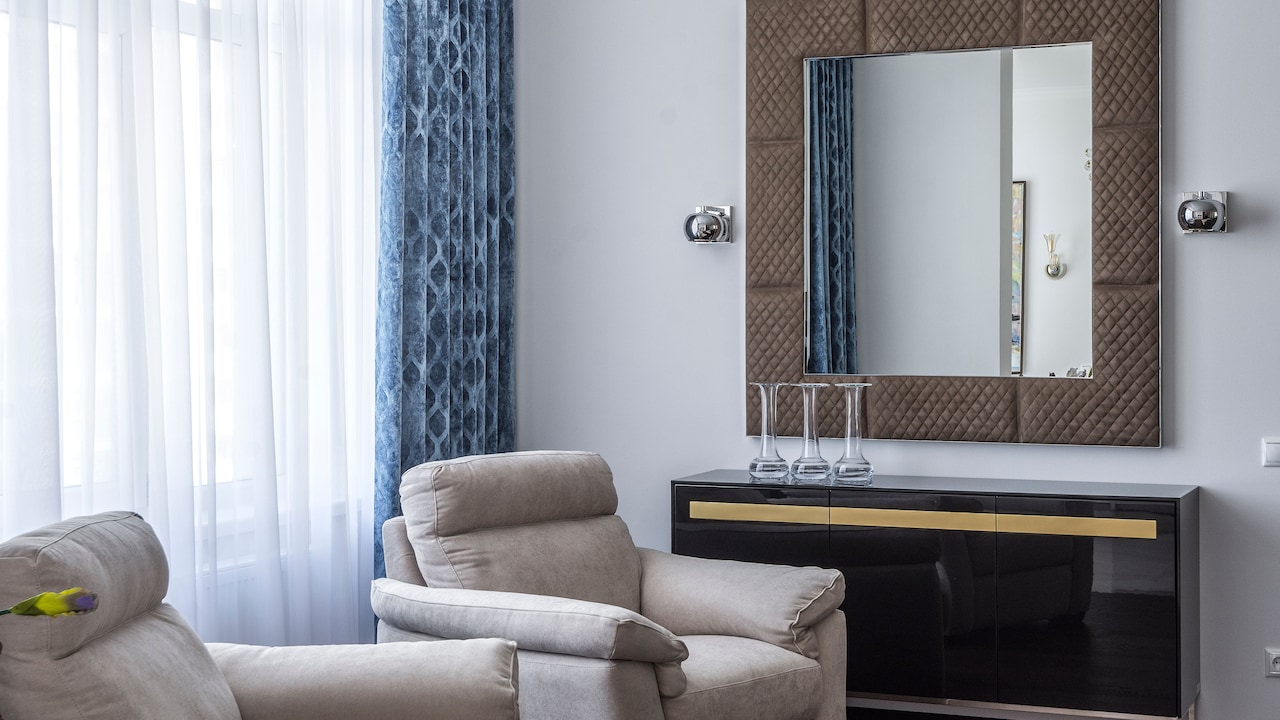
How To Size A Mirror To Make A Small Room Feel Bigger; Photo Credit: Pexels
Use One Strong Mirror Instead Of Several Tiny Ones
A collection of small mirrors may look charming in photographs, but it can make a compact room feel restless. Every frame creates another edge, shadow and reflection. When the room already contains shelves, photographs and patterned furnishings, several tiny mirrors may add more clutter than light.
One well-proportioned mirror often produces a calmer result. It gives the eye a clear focal point and creates a broader, uninterrupted reflection. This works especially well in entryways, bedrooms and small living rooms.
There are exceptions. A coordinated group can suit a blank wall when the mirrors share similar frames, shapes or spacing. Treat the entire arrangement as one large composition. Measure its total width and height, then compare those dimensions with the furniture below.
Avoid scattering small mirrors across unrelated sections of the wall. The result may resemble a collection assembled during several Sunday market visits with no introduction between the pieces. Consistency creates balance. Whether choosing one mirror or a group, make sure the arrangement reads as a deliberate design decision.
Position The Mirror At A Comfortable Height
Even the right-sized mirror can look wrong when hung too high or too low. In most rooms, the centre of a decorative mirror should sit close to average eye level. However, furniture placement and practical use may shift that position.
Above a console or chest, leave a comfortable gap between the furniture and the mirror. Around 15 to 25 centimetres often works, depending on the height of decorative objects. A very large gap breaks the visual connection. A tiny gap may make the mirror appear squeezed against the furniture.
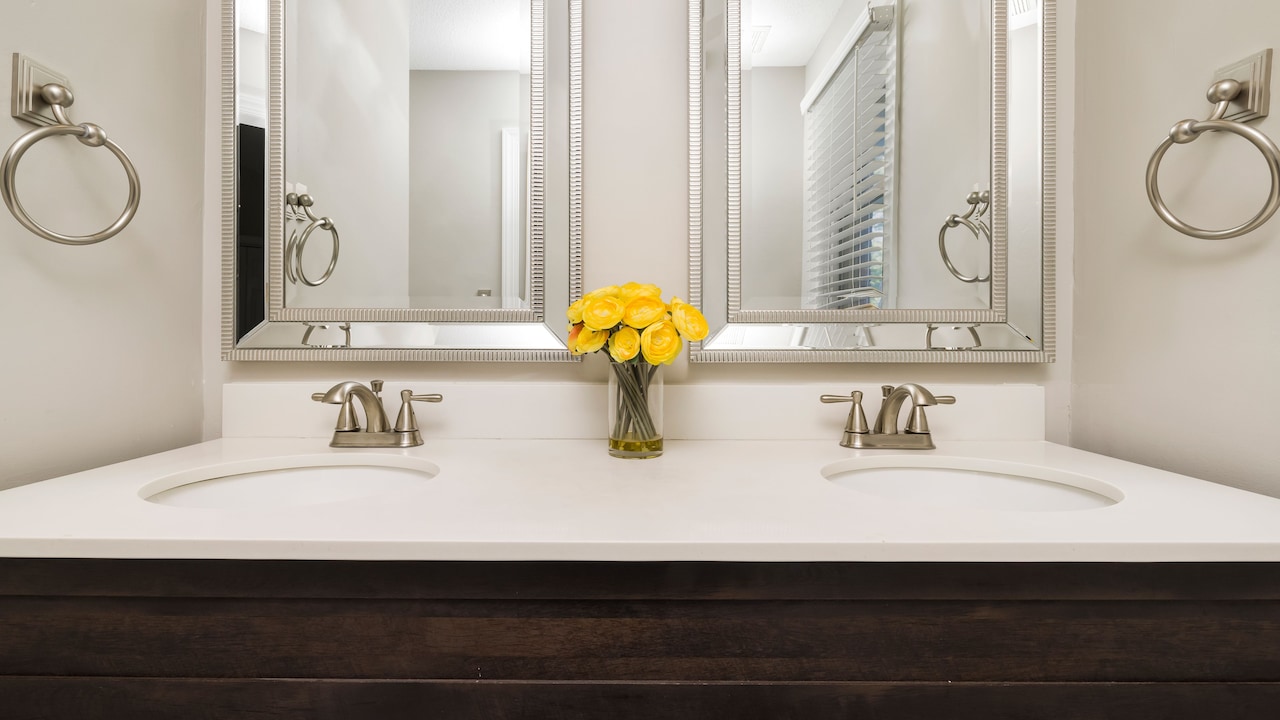
For a washbasin mirror, consider the tallest and shortest regular users. The glass should offer a useful reflection without forcing anyone to bend or stretch. In a child's room, avoid hanging a mirror so low that it becomes vulnerable to toys, cricket bats or energetic indoor experiments.
A full-length mirror should show the body comfortably from the usual standing point. It does not always need to touch the floor. Wall-mounted versions can sit slightly above the skirting board and still provide a complete view when sized and positioned correctly.
Test The Size With Paper Before Buying
A full-scale mock-up removes much of the guesswork. Use old newspapers, brown packing paper or taped sheets to create the proposed mirror shape. Fix the template to the wall with removable tape and leave it in place for a day.
Observe it in morning light, evening light and with the room's lamps switched on. View it from the entrance and from the main seating area. The shape may feel balanced at noon but too dominant at night, when shadows strengthen its outline.
Testing also helps compare sizes. Start with the largest option, then fold or trim the paper until the proportions feel comfortable. Mark the final dimensions and carry them while shopping. This prevents attractive showroom displays from rewriting sensible decisions.
Include the frame in the template. For an arched or round mirror, cut the paper roughly to shape rather than testing with a rectangle. Shape changes visual weight.
This method costs almost nothing and can prevent an expensive mistake. It may not look glamorous on the wall, but neither does returning a mirror through heavy traffic because it blocks the cupboard door.
Products Related To This Article
1. Alfa Design Engineered Wood Asymmetrical Octagonal Wall Mirror with Black Frame
2. Round Sunburst Wall Mirror Gold Metal Frame
3. ALFA Design Asymmetrical Wooden Frame Wall Mirror
4. The Artment your artistic apartment Vista Arched Unbreakable Floor Full Length Mirror
5. ALFA Design Oval Backlit LED Bathroom Mirror
6. Home Centre | Cheval Standing Floor Mirror | Round Framed
7. Artemade Iron Framed Decorative Wall Mounted Round Hanging Mirror
Choosing a mirror for a small room involves more than finding an empty wall and filling it. The right size connects with the furniture, respects the viewing distance and improves the room's natural proportions. It also reflects light and attractive details rather than doubling clutter.
Begin with accurate measurements, then consider width, height, frame weight and placement. Tall mirrors can lift low ceilings, while horizontal designs can broaden narrow rooms. One strong mirror often creates more calm than several small ones, though a carefully planned group can work beautifully.
Most importantly, test the idea before buying. A paper template quickly shows whether the mirror feels balanced from different parts of the room.
A successful mirror should not shout for attention every time someone enters. It should settle into the space, brighten the surroundings and make the room feel quietly complete. When proportion, position and reflection work together, even a modest room gains a little more breathing space.
(Disclaimer: This article may include references to or features of products and services made available through affiliate marketing campaigns. NDTV Convergence Limited (“NDTV”) strives to maintain editorial independence while participating in such campaigns. NDTV does not assume responsibility for the performance or claims of any featured products or services.)












![Steam Iron Teflon Shoe Cover for ES-300,ST-96 [Only For ES-300 and ST-96 Model Electric Steam Irons]](https://m.media-amazon.com/images/I/51wwkttondL._SL160_.jpg)