Why Food Sticks To A Non-Stick Pan And How High Heat Damages The Coating
Food may stick to a non-stick pan because of high heat, scratches, burnt oil or poor cleaning. Learn what damages the coating and how simple cooking habits can keep your pan working longer.

Non-Stick Pan Problems: Why Food Sticks And What Damages The Coating
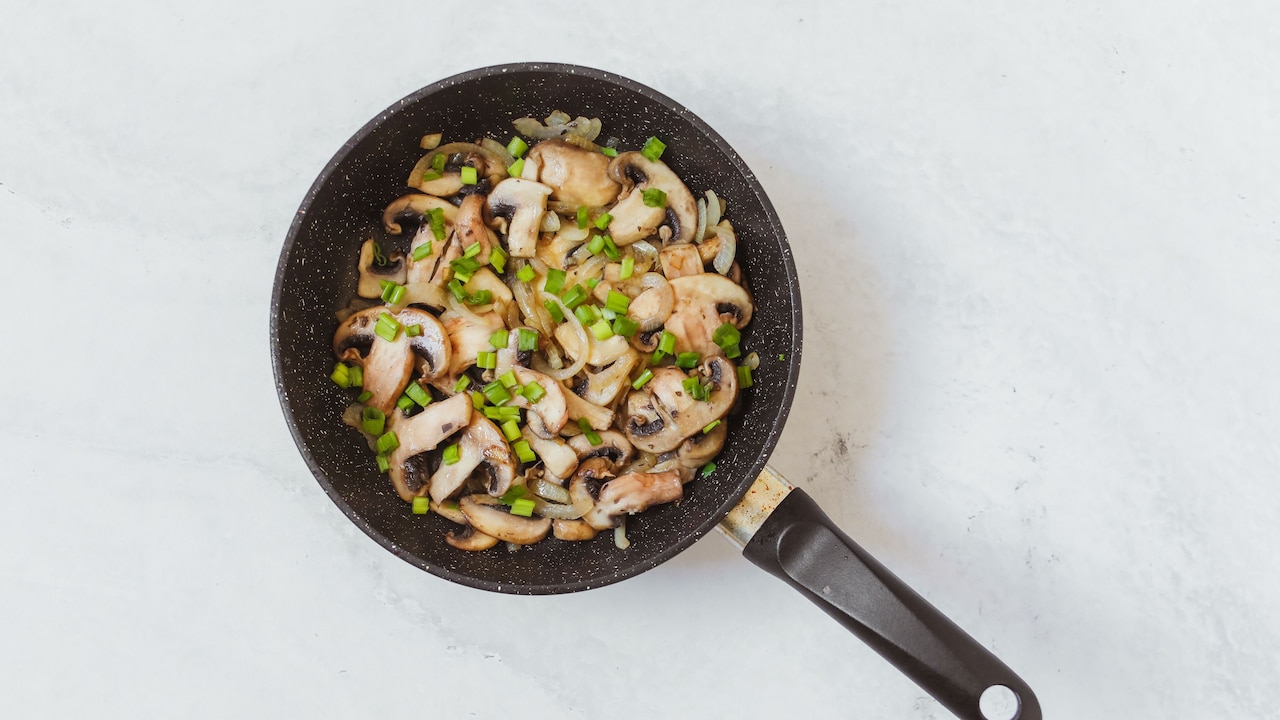
Few kitchen moments test patience quite like an omelette refusing to leave the pan. The yolk breaks, the edges tear, and breakfast starts looking like a crime scene. The pan may carry the words “non-stick”, but that label does not promise magical immunity from every cooking habit. Non-stick cookware works because its smooth coating reduces friction between food and the pan. When that surface remains clean and intact, food releases with very little oil. Trouble begins when heat, scratches and residue change the coating. Tiny damaged patches give proteins, starches and sugars something to grip.
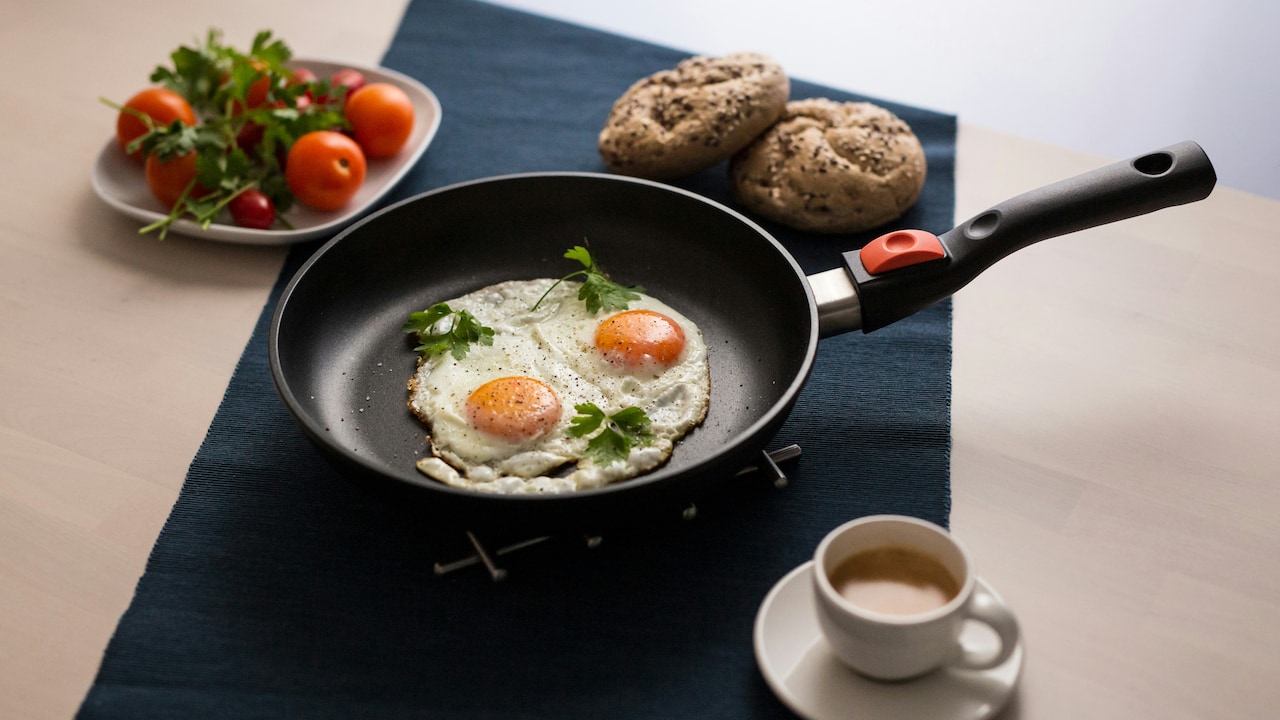
Non-Stick Pan Problems: Why Food Sticks And What Damages The Coating; Photo Credit: Pexels
The good news is that most problems come from habits that can change. A little temperature control, patient preheating and gentler cleaning can protect the pan. Before blaming the cookware, it helps to understand what happens beneath that stubborn paratha or sticky portion of poha.
What Makes A Non-Stick Pan Lose Its Magic?
The Coating Is Smooth, Not Invincible
A non-stick pan usually has a metal body covered with one or more low-friction layers. These layers create a smooth cooking surface, allowing food to slide instead of bonding firmly with the metal. That smoothness makes delicate dishes easier to handle, especially eggs, pancakes, cheelas and fish.
However, “non-stick” does not mean “nothing can ever stick”. The coating still needs sensible treatment. Once scratches, burnt oil or rough patches appear, the surface loses its even texture. Food settles into these tiny imperfections and catches during cooking.
Think of the coating like a freshly polished floor. Socks glide across it easily, but movement becomes less graceful after dust, scratches and sticky spills collect. A pan behaves in much the same way.
Even good cookware has limits. A pan costing ₹2,000 can fail quickly under careless use, while a modest ₹700 pan may perform well for years with gentle handling. Price matters, but daily habits often matter more.
Also Read: 5 Best Non-Stick Tawa, From Prestige To Hawkins, For Perfect Chapati | Get Soft, Puffy Rotis
High Heat Changes The Surface
High heat causes more harm than many home cooks realise. A non-stick pan does not need the roaring flame used for a heavy iron kadai. Medium or low heat usually provides enough energy because the metal base transfers heat efficiently.
When the pan becomes excessively hot, the coating expands and contracts at a different rate from the metal underneath. Repeated exposure can weaken the bond between these layers. Over time, the surface may blister, discolour, peel or develop rough areas.
The danger rises when an empty pan sits over a strong flame. Without food or liquid to absorb heat, the temperature climbs surprisingly fast. A quick phone call or hunt for the masala box can leave the pan far hotter than intended.
High heat also burns oil into a stubborn film. That film may look harmless, but it ruins the smooth surface and encourages sticking. The pan then needs more oil, defeating the very purpose of buying non-stick cookware.
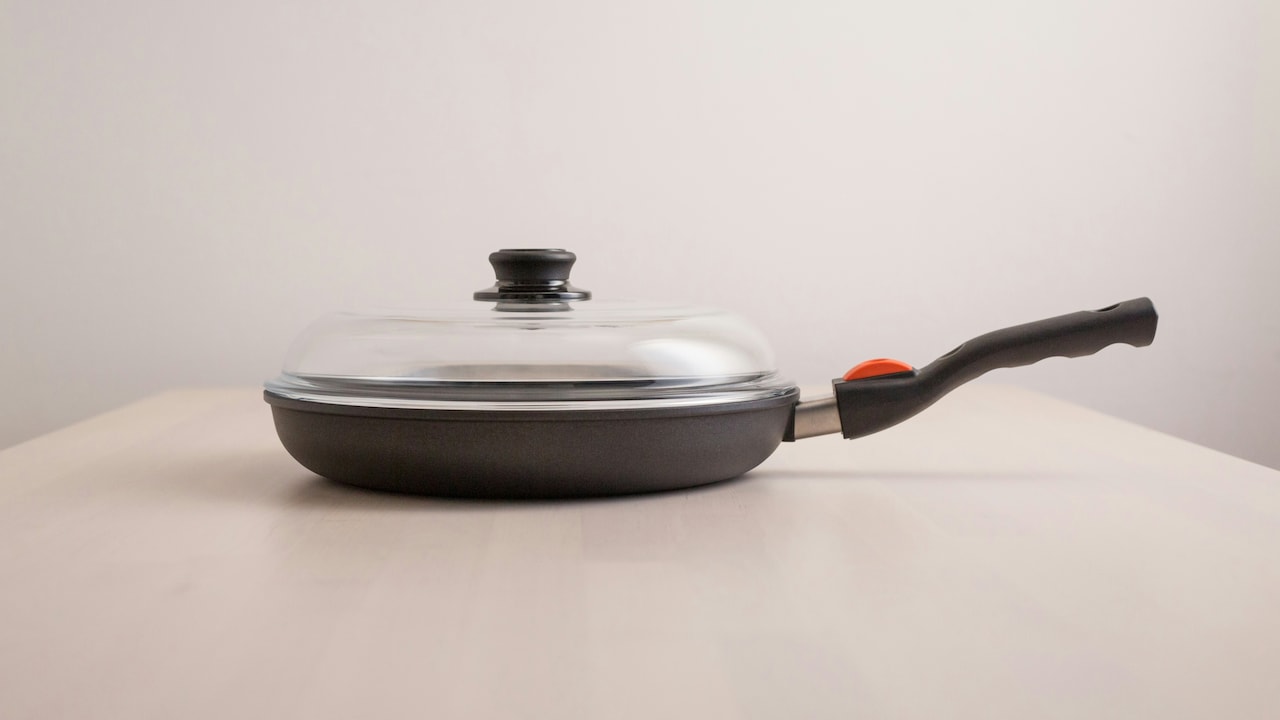
Non-Stick Pan Problems: Why Food Sticks And What Damages The Coating; Photo Credit: Pexels
An Empty Pan Overheats Quickly
Preheating helps many dishes cook evenly, but non-stick cookware requires a lighter touch. Leaving an empty pan on the hob for several minutes can push its temperature beyond the coating's comfort zone.
A thick steel or cast-iron pan can tolerate intense preheating. Non-stick cookware works differently. It heats quickly, often before the onions have been chopped or the batter has reached the counter. By the time cooking begins, the coating may already face unnecessary stress.
A safer routine starts with placing the pan over low or medium heat. Add a small amount of oil soon afterwards, then begin cooking when the oil loosens and spreads easily. Smoke signals excessive heat, not perfect readiness.
This habit matters during busy mornings. It feels tempting to turn the flame high and speed up breakfast, especially when school buses, office calls and pressure cookers compete for attention. Yet those saved seconds can shorten the pan's life. Gentle preheating brings steadier results and fewer burnt surprises.
Food Temperature Makes A Difference
Cold food often sticks more readily, even on a healthy non-stick surface. Eggs straight from the fridge, chilled paneer or recently thawed fish can lower the temperature of the pan. Moisture then collects beneath the food, interfering with browning and release.
Proteins also tighten when they meet sudden heat. If the surface has started wearing out, those proteins grip the damaged spots almost immediately. The cook reacts by scraping, pressing or flipping too early, which tears the food and scratches the pan further.
Allowing ingredients to lose their refrigerator chill can help. Eggs can rest outside briefly before cooking, while paneer or fish can sit until the surface no longer feels icy. Patting wet ingredients dry also improves contact with the pan.
This does not mean leaving perishable food on the counter for hours. A short, sensible pause works well. The aim is simply to avoid sending fridge-cold ingredients into a hot pan and expecting restaurant-style results. Even cookware appreciates a polite introduction.
Too Little Oil Can Still Cause Sticking
Non-stick cookware reduces the amount of oil needed, but it does not always eliminate oil completely. A thin layer fills microscopic gaps, spreads heat and creates an extra barrier between food and the coating.
Some dishes contain enough natural fat to cook without added oil. Others, such as eggs, dosa batter, besan cheela or lean fish, usually release better with a light coating. The correct amount may be only half a teaspoon, depending on the pan and portion.
Skipping oil entirely can make cooking less forgiving, particularly as the pan ages. The food may brown unevenly and cling to dry patches. Adding too much oil creates a different problem. Excess oil can burn, form residue and make the surface gummy.
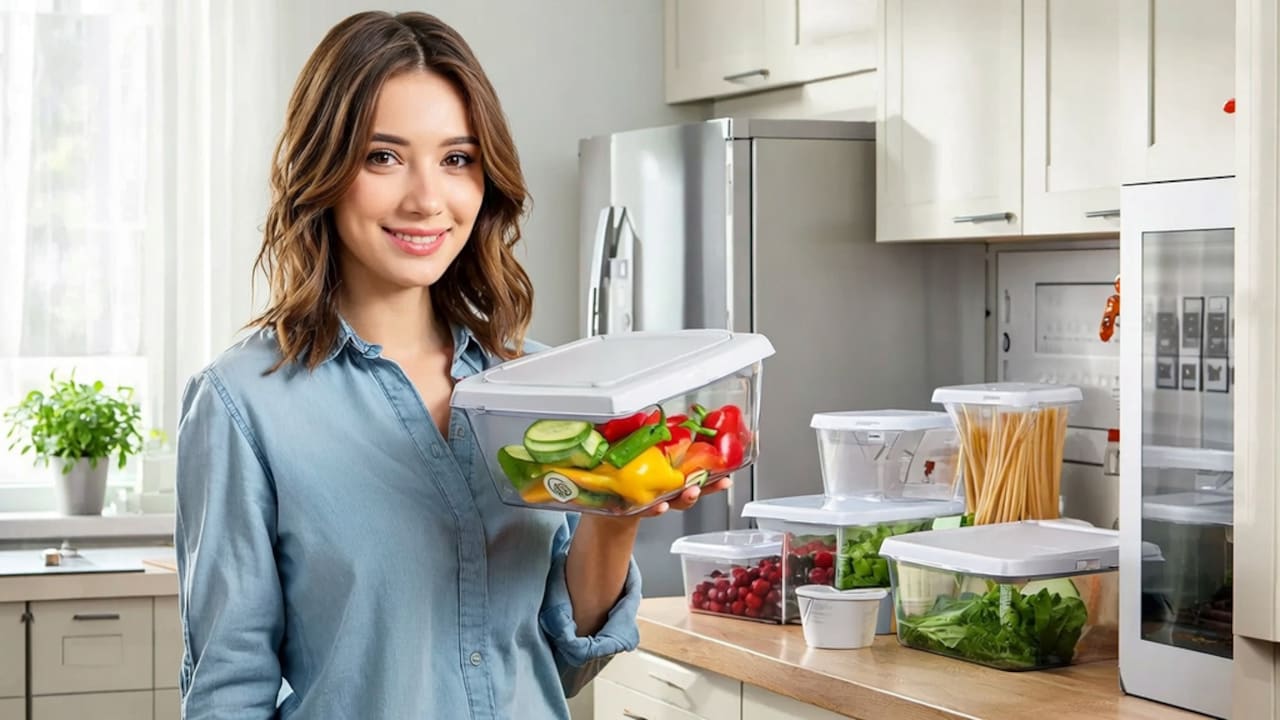
A silicone brush or folded piece of kitchen paper can spread a small quantity evenly. This method gives the entire surface protection without turning breakfast into a swimming competition. Non-stick cooking works best with restraint rather than extremes. A whisper of oil often performs better than either a flood or complete dryness.
Cooking Spray Leaves A Sticky Film
Aerosol cooking sprays seem convenient, but many contain additives that behave poorly on non-stick surfaces. Besides oil, some sprays include emulsifiers, propellants and anti-foaming agents. Heat can bake these ingredients onto the pan and create a stubborn residue.
The film often develops gradually. At first, the pan still looks clean. Later, a brown or amber patch appears near the centre or around the edges. Food begins sticking to that area, even after washing.
Regular dish soap may struggle to remove the residue. Scrubbing harder then damages the coating, turning a small cleaning problem into permanent wear. A teaspoon of ordinary oil spread thinly offers a safer alternative.
Oil misters that hold plain cooking oil can also work, provided they do not contain extra ingredients. Groundnut, sunflower or rice bran oil suits many everyday dishes when used at suitable temperatures.
Convenience can carry hidden costs. A cooking spray may save a few seconds, but replacing a damaged pan can cost ₹800, ₹1,500 or more. A spoon and a gentle swirl remain wonderfully effective technology.
Metal Tools Create Tiny Scratches
The sharp edge of a steel spatula may not produce an obvious gouge, yet repeated contact can create fine scratches. These marks disturb the smooth coating and give food more places to catch.
Metal spoons, forks, knives and whisks pose similar risks. Cutting a pancake inside the pan or scraping a stubborn corner might feel harmless, but the damage accumulates. Eventually, the surface looks dull and food starts sticking in familiar patches.
Wooden, silicone or heat-resistant nylon tools protect the coating more effectively. Their softer edges lift food without digging into the surface. Silicone spatulas work especially well for eggs and pancakes because they slide beneath delicate edges.
Storage can also scratch cookware. Stacking steel vessels inside a non-stick pan allows rough bases to rub against the coating. A soft cloth, pan protector or even an old cotton handkerchief placed between utensils can prevent this damage.
A pan rarely loses its non-stick quality through one dramatic accident. More often, hundreds of small scrapes slowly turn a smooth surface into a troublesome one.
Non-Stick Pan Problems: Why Food Sticks And What Damages The Coating; Photo Credit: Pexels
Washing A Hot Pan Causes Stress
A hot pan and cold tap water make a dangerous pair. The sudden temperature change can warp the metal base and strain the bond between the pan and its coating. This process, known as thermal shock, may leave the pan slightly uneven.
A warped pan no longer sits flat on the hob. Heat gathers in certain areas while other sections remain cooler. These hot spots burn oil, overcook food and damage the coating faster.
After cooking, the pan should cool naturally before washing. Warm is fine; fiercely hot is not. Once cool enough to handle, use mild dishwashing liquid, warm water and a soft sponge.
Steel wool and harsh scouring pads may remove burnt bits quickly, but they also remove the pan's future. For stubborn residue, soak the pan in warm soapy water. A paste made from baking soda and water can help with mild build-up, provided it is rubbed gently.
Patience during washing protects both the pan and the next meal. Five extra minutes of cooling can prevent months of frustration.
Leftover Residue Encourages More Sticking
Not every damaged-looking surface has actually lost its coating. Sometimes the culprit is a nearly invisible layer of burnt oil, spice paste or starch.
Masala-heavy dishes can leave behind turmeric, tomato, sugar and ground spices. Dosa batter can create thin cooked patches around the edges. When these remains stay on the surface, the next dish sticks to them rather than to the coating itself.
A pan may look clean after a quick rinse, yet still feel slightly tacky. Running clean fingers over a cool, wet surface can reveal rough or greasy areas. Gentle soaking and careful washing usually solve the problem.
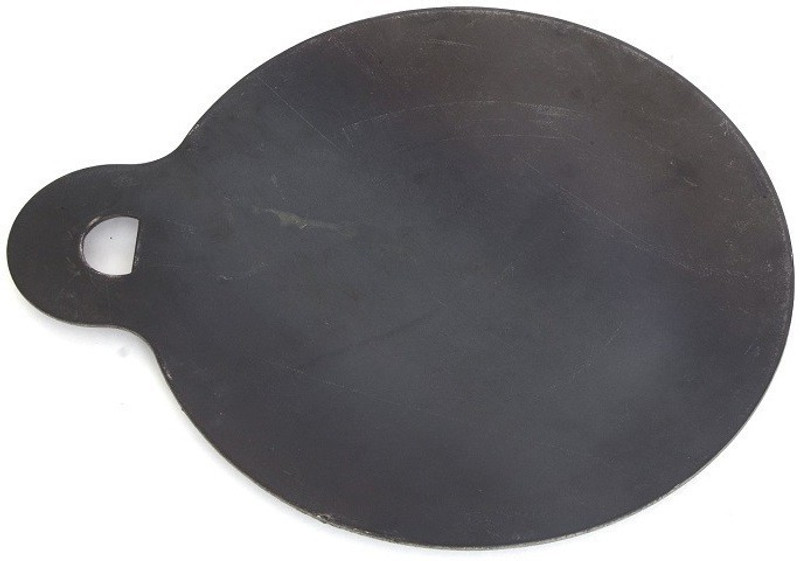
Avoid heating the pan aggressively to burn residue away. That method may work for an iron tawa, but it can ruin non-stick cookware. The coating needs cleaning, not punishment.
Regular deep cleaning with mild methods helps preserve performance. However, no amount of scrubbing can restore a surface that has started peeling. Once the coating flakes or exposes the metal underneath, replacement becomes the sensible option.
The Wrong Pan Can Spoil The Dish
A non-stick pan performs best when matched with the right dish. Delicate foods suit it beautifully, but high-temperature searing does not.
Cooking a crisp steak, blackening vegetables or making smoky stir-fry requires intense heat. A stainless-steel, carbon-steel or cast-iron pan handles those jobs better. Using non-stick cookware for them forces the coating into conditions it was never designed to endure.
Pan size also affects sticking. Crowding too much food into a small pan releases moisture and drops the temperature. Instead of frying, ingredients steam. They become soft, watery and more likely to cling.
Dosa presents another useful example. A pan used for oily curries may struggle with batter because residual grease changes how it spreads. Many households keep a separate tawa for dosas for precisely this reason.
Good cooking does not depend on owning dozens of utensils. It depends on choosing wisely. One pan cannot play every role in the kitchen, just as one actor cannot perform the entire film.
Every Non-Stick Pan Has A Lifespan
Care can extend a pan's life, but it cannot make the coating eternal. Daily use slowly wears the surface, especially in kitchens where breakfast, lunch and dinner all depend on the same pan.
Warning signs include persistent sticking, deep scratches, peeling, bubbling, uneven heating and visible metal. A pan that needs increasing amounts of oil despite proper cleaning may also be nearing retirement.
Minor discolouration does not always mean immediate replacement. However, loose or flaking coating deserves attention. Continuing to scrape and cook on a severely damaged surface offers poor results and little value.
Replacing cookware can feel wasteful, particularly when the handle and base still look sturdy. Yet a pan that ruins food, wastes oil and creates daily irritation has already stopped doing its job.
Buying the thickest or most expensive option does not guarantee immortality. Choose a reliable pan, follow the care instructions and use it for suitable dishes. Then treat replacement as normal maintenance, much like changing a worn pressure-cooker gasket.
Products Related To This Article
1. Prestige Non-Stick Dosa Tawa
2. Pigeon Mio Nonstick Aluminum Cookware Gift Set
3. Amazon Basics Granite Finish Aluminium Non-Stick Induction Base Cookware
4. ATTIL - Aluminium - Non Stick 6 Pcs Cookware Set
5. Amazon Brand - Solimo 6 Piece Non-Stick Cookware Set
6. Wonderchef Valencia Non-Stick 4 Pc Cookware Set for Kitchen
7. Hawkins 18 cm Triply Stainless Steel Pro Frying Pan
Food sticks to a non-stick pan when the surface loses its smoothness or when cooking habits work against it. Excess heat, empty preheating, metal tools, burnt oil and sudden cooling all weaken the coating. Cold or wet ingredients, overcrowding and poor cleaning can make the problem worse.
The solution does not require complicated kitchen science. Keep the flame moderate, add a little oil, choose soft utensils and allow the pan to cool before washing. Use stronger cookware for searing and save the non-stick pan for gentler dishes.
A well-treated pan makes everyday cooking calmer. Eggs release cleanly, cheelas flip without drama, and cleanup takes minutes rather than a full emotional journey. The coating may not last forever, but thoughtful care ensures that it serves every meal well before taking its final bow
(Disclaimer: This article may include references to or features of products and services made available through affiliate marketing campaigns. NDTV Convergence Limited (“NDTV”) strives to maintain editorial independence while participating in such campaigns. NDTV does not assume responsibility for the performance or claims of any featured products or services.)







![Steam Iron Teflon Shoe Cover for ES-300,ST-96 [Only For ES-300 and ST-96 Model Electric Steam Irons]](https://m.media-amazon.com/images/I/51wwkttondL._SL160_.jpg)