How To Use Indoor Plants To Improve Air Quality And Home Aesthetics
Discover how indoor plants can improve air quality and elevate home aesthetics with smart placement tips, simple care ideas, and the best plants to choose.

How To Use Indoor Plants To Improve Air Quality And Home Aesthetics
Indoor plants have slowly become one of the biggest home trends in recent years. Today, greenery seamlessly integrates into daily interiors, from cosy, compact apartments to spacious family homes. A single plant close to a window or a trailing vine hanging above a bookshelf can make the whole room feel a bit calmer and way more welcoming.
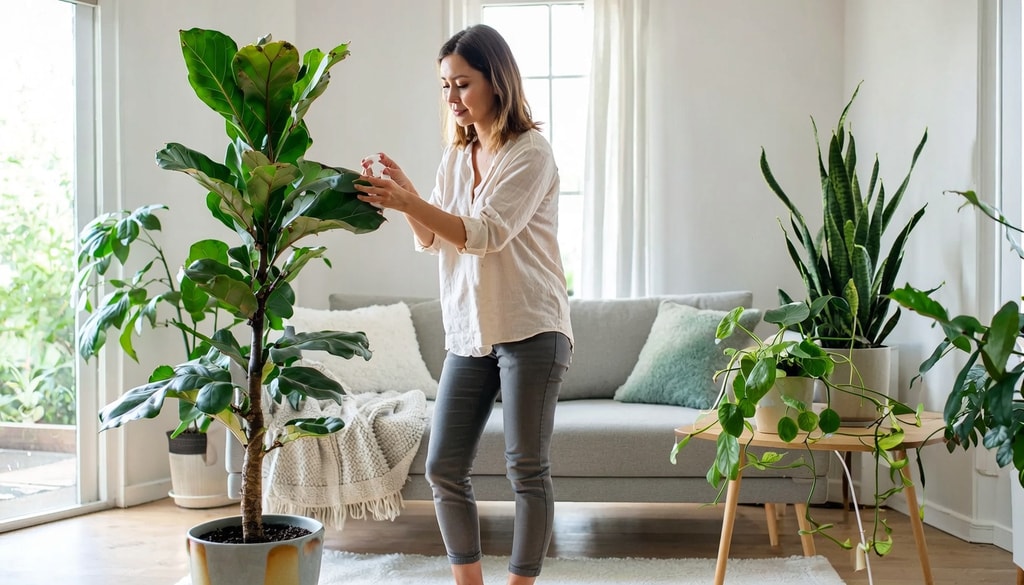
Learn the best indoor plants to boost your home air quality and elevate your decor.
Photo Credit: iStock
Today, artificial cooling, limited ventilation, and long hours spent indoors fill indoor spaces. That naturally raises interest in creating a healthier atmosphere at home. Many people now wonder whether indoor plants can actually improve air quality while also making a home look more beautiful.
Why Indoor Plants Work So Well In Modern Homes
Indoor plants have a unique way of making a room feel complete without adding visual heaviness. Unlike big furniture sections or attention-grabbing decor pieces , plants bring some life into a room in a softer and more natural way.
Plants also do that visual contrast thing. When a room is packed with neutral tones, wooden textures, or sleek modern finishes, it suddenly feels more balanced with those little touches of green. Many homeowners use indoor plants to make living rooms feel more unhurried, bedrooms feel calmer, and work areas feel less stressful too.
Can Indoor Plants Actually Improve Air Quality?
Indoor plants are commonly associated with cleaner air because plants naturally absorb carbon dioxide and release oxygen. Some varieties are also thought to help cut down on airborne particles a bit while supporting steadier humidity levels indoors.
A couple of plants on their own can't fully purify indoor air, especially in rooms with weak ventilation or where the pollution exposure is heavy. So indoor plants should be seen more like a small element in a larger plan, for example, improving the overall comfort and making the space feel fresher.
Plants such as snake plants, spider plants, peace lilies, and areca palms are particularly popular because they handle indoor conditions pretty well and are fairly easy to keep going.
Choosing The Right Plants For Different Spaces
The best indoor plants are usually the ones that fit your home's lighting well. If you have bright rooms with indirect sunlight, that's ideal for bigger statement plants like a monstera or a rubber plant.
Plant size matters more than people think when it comes to how a room looks. Bigger floor plants can make those empty corners feel deliberate, almost curated, but smaller tabletop plants feel right on study desks, side tables, or even on kitchen shelves. Hanging plants are a real win for smaller spaces because they add greenery without taking up floor area, you know what I mean.
Step 1: Place Plants Where They Receive Natural Light
One of the easiest ways to keep indoor plants healthy is, more or less, the right placement. Most indoor plants seem to do best in places with indirect natural light. In windowsills, balconies, or in those little corners near bright windows, these spots are usually the best fit, because the plants get enough light without getting stuck in harsh heat for hours. Also placement really changes how the plants help the whole home look.
Step 2: Combine Different Plant Heights And Textures
Homes with plants often feel more alive when there is some variation in height texture and shape, rather than everything looking the same. Instead of dropping identical pots in every corner, it usually looks better to mix tall plants with trailing vines and those compact little tabletop versions, because it adds real depth.
For example, an areca palm that's on the larger side, paired with a smaller succulent on a coffee table can look balanced without the room feeling crowded.
Step 3: Maintain Plants Consistently For A Fresh Look
Healthy plants naturally make a home look more inviting. Dust-covered leaves, overwatered soil, or neglected pots can quickly make greenery lose its appeal.
Most indoor plants prefer moderate watering rather than excessive care. Wiping leaves occasionally also helps remove dust buildup, especially in urban homes. Rotating plants every few weeks can encourage even growth by allowing all sides to receive balanced sunlight.
Step 4: Use Decorative Pots That Match Your Interiors
Planters play a huge role in how indoor plants blend with the rest of the home. Those plain ceramic pots, woven baskets, or matte finish planters can pretty quickly make the greenery feel more stylish and on purpose. If you pick colours and textures that complement your furniture, it all feels way more cohesive as an interior design element.
Big decorative pots tend to work wonderfully in living rooms and entryways, while smaller minimalist planters suit study tables shelves and even kitchen counters.
Also Read: Top Indoor Plants For Home Decor To Enhance Aesthetic And Air Quality
Step 5: Add Plants To Often-Ignored Spaces
Indoor plants are not limited to living rooms or balconies. Empty corners, bathroom shelves, hallway tables, and kitchen windows can also do well with a bit of greenery.
In bathrooms with indirect sunlight, moisture-loving plants usually look fantastic, and in the kitchen, even small plants on the shelves can make the whole room feel fresher and more lively.
Step 6: Rotate Plants Seasonally
Indoor plants respond differently across the year, mostly tied to temperature, moisture level, and how much light they actually get. Occasionally moving them between rooms can improve light and refresh the interior.
Step 7: Avoid Overcrowding Your Space With Plants
While indoor plants improve aesthetics, too many plants in one room can sometimes make the space feel cluttered instead of calming. Creating balance is important. Often, a handful of plants set in a careful way ends up feeling more graceful than trying to cover every little corner with greens.
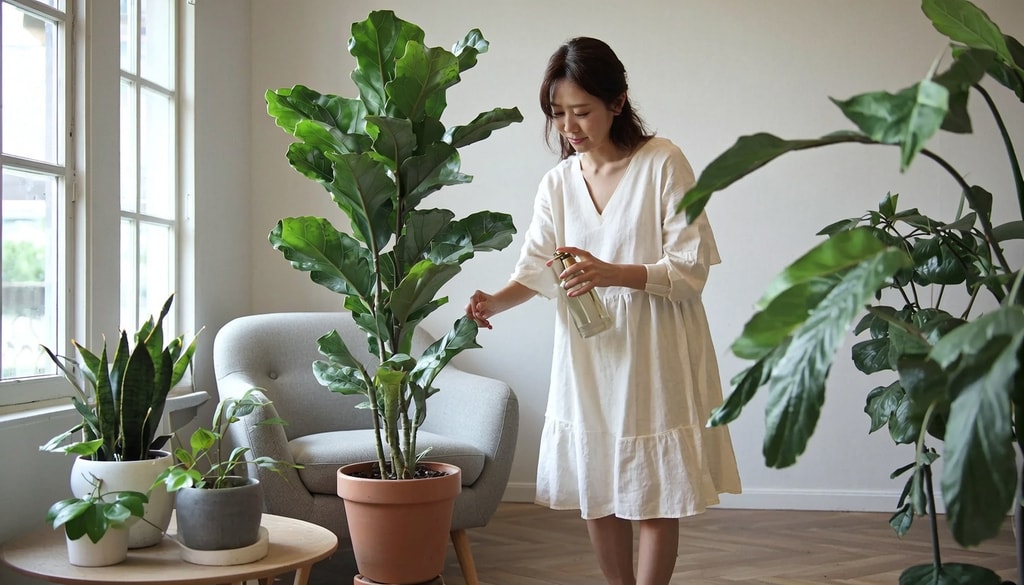
Elevate your home aesthetics and refresh your indoor air quality with simple plant care tips.
Photo Credit: iStock
Certain indoor plants are especially popular because they combine visual appeal with effortless maintenance. Snake plants and spider plants are usually loved for how they adapt and for how they can make indoor spaces look brighter without much effort, while peace lilies and areca palms bring that elegance, plus a fresh sort of tropical vibe. The rubber plant and the monstera plant are also commonly used as statement pieces because of their strong foliage and this more modern appearance.
Some Indoor Plant Products You May Like
1.UGAOO Indoor Plants Combo of 4 Live Plants for Home
2. Generic Peace Lily Plant
3. Ugaoo Sansevieria Superba Green Snake Plant
4. Greenkin Aglaonema Pink Anjamani Live Plant in Eco Pot
5. Kyari Good Luck Money Variegated Live Plant
6. UGAOO Combo of 3 Indoor Plants with Ibiza Pot
7. Areca Palm Live Plant with a Nursery Pot
8. UGAOO ZZ Zamia Natural Live Indoor Plant
Frequently Asked Questions (FAQs)
1. Which indoor plants are easiest to maintain?
Snake plants, pothos, and ZZ plants are beginner-friendly, as they mostly need minimal care, and they seem to adapt to a whole range of indoor conditions too.
2. Can indoor plants replace air purifiers?
Indoor plants can make the space feel fresher, but they do not quite act like air purifiers on their own.
3. How often should indoor plants be watered?
Watering frequency depends on the plant type, room temperature, and the season. Most indoor plants adapt slightly drier soil rather than constant wetness.
4. Are indoor plants suitable for bedrooms?
Yes, many indoor plants work pretty well in bedrooms because they set a calming mood and also bring that natural freshness into the room.
5. Which indoor plants improve home aesthetics the most?
Monstera, areca palm, peace lily, and rubber plants get picked a lot because they seem elegant, and they mix in nicely with modern interiors too.
(Disclaimer: This article may include references to or features of products and services made available through affiliate marketing campaigns. NDTV Convergence Limited (“NDTV”) strives to maintain editorial independence while participating in such campaigns. NDTV does not assume responsibility for the performance or claims of any featured products or services.)