How To Store Lehenga Cholis Without Crushing Embroidery Or Can-Can
Keep your lehenga cholis looking beautiful for years with practical storage tips that protect delicate embroidery, preserve can-can volume and prevent fabric damage between special occasions.

How To Store Lehenga Cholis Without Crushing Embroidery Or Can-Can
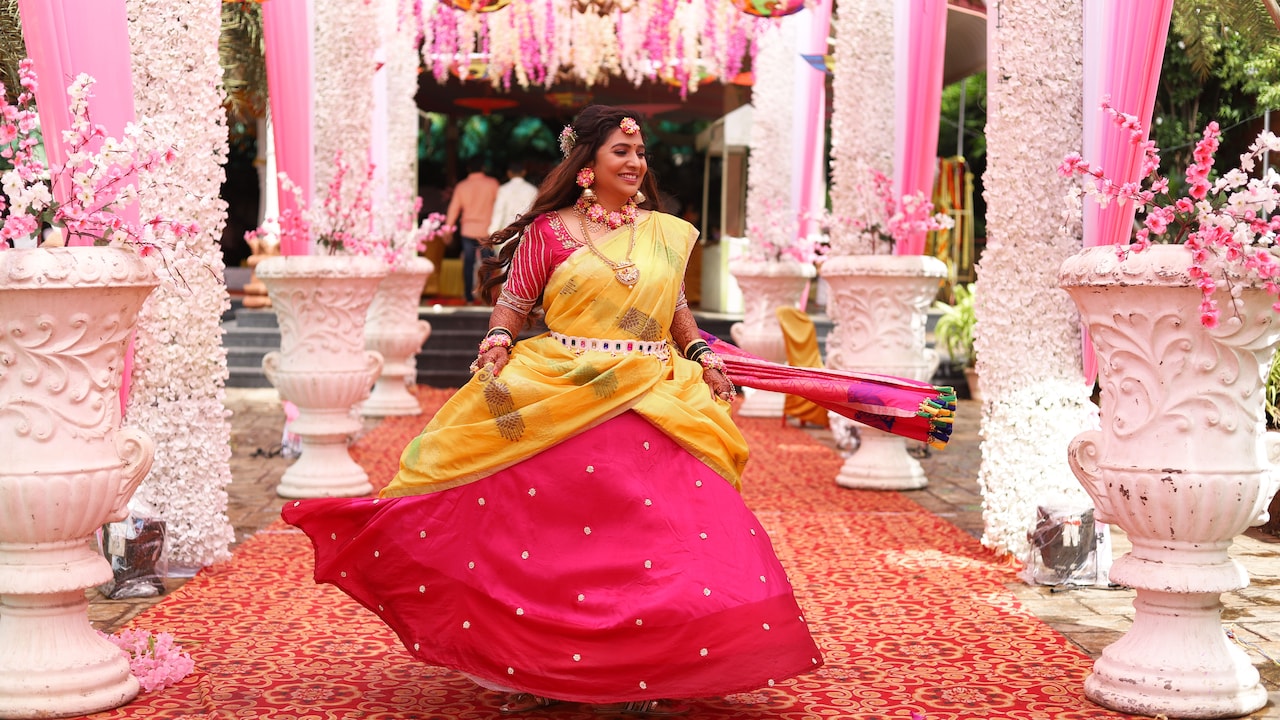
A beautiful lehenga choli often carries more memories than an entire photo album. Perhaps it was worn at a sibling's wedding, a memorable sangeet or a festive celebration that involved endless dancing and countless photographs. Yet, once the occasion ends, the outfit usually disappears into a wardrobe, sometimes for months or even years. That's when the real trouble begins. Heavy embroidery gets flattened, delicate embellishments loosen, and the once-voluminous can-can starts looking rather lifeless. Unlike everyday clothing, lehenga cholis demand a little extra attention. Their layered construction, intricate detailing and delicate fabrics don't always respond well to conventional folding or hanging. Even an expensive designer outfit can develop stubborn creases or damaged embroidery when stored carelessly.
How To Store Lehenga Cholis: 10 Tips To Protect Embroidery And Can-Can
Photo Credit: Pexels
Fortunately, preserving these elaborate ensembles doesn't require a professional wardrobe or expensive storage equipment. A few thoughtful habits can make a remarkable difference. From selecting breathable covers to supporting delicate can-can layers, here's how to keep lehenga cholis looking beautiful long after the celebrations end.
10 Practical Ways To Store Lehenga Cholis Without Damaging Embroidery Or Can-Can
1. Clean Your Lehenga Choli Before Putting It Away
The temptation to fold a lehenga immediately after a wedding is understandable, especially when the celebrations have stretched well past midnight. However, storing an outfit without cleaning it can create problems that become harder to fix over time. Sweat, perfume, makeup and food stains may initially seem harmless, but these residues can gradually discolour fabric and attract insects.
Inspect the lehenga, choli and dupatta separately before storage. Pay particular attention to the neckline, underarms, waistband and hemline. These areas often collect perspiration, dust and makeup. Even if the outfit looks spotless, invisible residue may remain.
For heavily embroidered pieces, professional dry cleaning from a specialist familiar with embellished garments is usually the safer choice. Confirm that the cleaner understands the fabric, embroidery and attached can-can before handing over the outfit. Some delicate embellishments require special treatment.
Once cleaned, ensure every component is completely dry. Trapped moisture can encourage mildew and unpleasant odours, particularly during humid monsoon months.
Avoid storing the outfit inside the plastic wrapping supplied by the dry cleaner. That packaging suits transportation, not long-term preservation. Replace it with a breathable fabric cover before returning your treasured ensemble to the wardrobe.
2. Choose Breathable Storage Covers Instead Of Plastic Bags
A lehenga deserves better than being squeezed into the nearest plastic shopping bag. Although plastic covers protect clothing from surface dust, they can also trap moisture and create an unfavourable environment for delicate fabrics. Over time, this becomes particularly troublesome for silk, velvet and heavily embellished textiles.
Choose breathable cotton or muslin garment bags instead. These materials allow air circulation while providing a protective barrier against dust. A clean, white cotton cover works particularly well because it reduces the risk of colour transfer from dyed storage fabrics.
For elaborate bridal lehengas, consider a spacious textile storage box lined with acid-free tissue paper. The box should comfortably accommodate the outfit without forcing the embroidery or can-can into tight folds.
Avoid vacuum-sealed bags, even when wardrobe space feels limited. Compressing the garment may flatten decorative elements, distort the skirt's structure and create deep creases in the can-can.
Keep each lehenga in its own cover whenever possible. Storing several embellished outfits together creates friction between sequins, beads and decorative threads.
A little breathing space might seem like a luxury in a crowded wardrobe, but it can prevent considerable damage. After all, preserving an outfit shouldn't involve treating it like an overstuffed suitcase.
3. Fold Heavy Embroidered Lehengas Without Crushing The Details
Heavy embroidery gives lehengas their grandeur, but it also makes folding surprisingly complicated. Zardozi, gota patti, mirror work, sequins and beadwork create uneven surfaces that can press against neighbouring fabric when folded incorrectly. Prolonged pressure may flatten raised embroidery, loosen decorative elements or leave visible impressions.
Start by spreading the lehenga across a clean, spacious surface. A freshly covered bed works well. Identify areas with dense embellishments and avoid placing sharp folds directly across them.
Use acid-free, unbuffered tissue paper between embroidered sections to reduce friction. Lightly pad folds with additional tissue so the fabric forms gentle curves rather than hard creases. This technique works particularly well for silk and other fabrics that retain fold marks.
Avoid stacking heavy garments over the lehenga. The combined weight can compress raised decorations and distort the fabric underneath.
If the skirt features embroidery concentrated around the hemline, arrange the folds to minimise pressure on that section.
Take your time while folding. A beautifully embroidered lehenga isn't a bedsheet that needs perfectly sharp corners. Soft, supported folds offer much better protection than a neat but tightly compressed bundle.
Also Read: From Engagement To Reception: The Perfect Outfits To Rock Every Wedding Stage As The Bride's Sister
4. Preserve Can-Can Volume By Avoiding Tight Compression
Can-can creates the dramatic flare that makes a lehenga look spectacular in wedding photographs. Unfortunately, the same structured netting that supports the skirt can lose its shape when squeezed into a cramped storage space.
The first rule is simple: never compress can-can unnecessarily. Tight folding, vacuum packing and placing heavy boxes over the skirt can bend the netting and create stubborn distortions.
If the lehenga has detachable can-can, remove it according to the garment's construction and care instructions. Store it separately in a roomy cotton bag or spacious box. This prevents the structured layer from placing additional pressure on the embroidered skirt.
For attached can-can, spread the skirt gently and gather the netting into loose, supported folds. Avoid forcing the layers into sharp bends. A large storage box often works better than a narrow garment bag for heavily structured pieces.
You can place loosely arranged acid-free tissue between selected folds to reduce pressure and help the layers retain their shape.
Remember that some stiff netting may gradually relax during storage, even with careful handling. Before the next celebration, assess whether gentle professional steaming or reshaping is appropriate.
The goal isn't to keep the lehenga permanently puffed up like a wedding display. It's to avoid unnecessary crushing that makes restoring its original silhouette difficult.
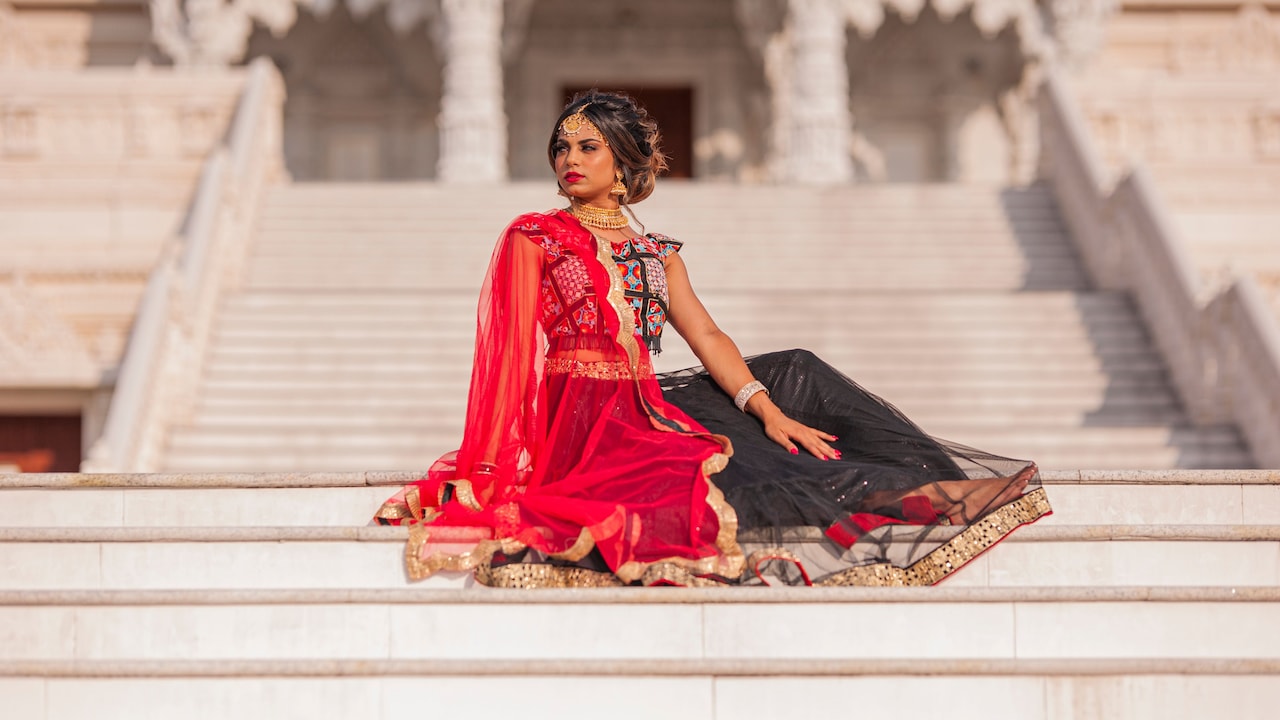
How To Store Lehenga Cholis: 10 Tips To Protect Embroidery And Can-Can
Photo Credit: Pexels
5. Decide Whether Hanging Or Folding Suits The Lehenga
Hanging seems like the obvious way to prevent creases, but not every lehenga benefits from spending months on a hanger. Heavy skirts can place considerable strain on their waistbands, seams and decorative attachments. Over time, this constant downward pull may stretch fabric or distort the garment's shape.
Lightweight lehengas with minimal embellishments often tolerate hanging better. Use a sturdy, padded hanger or one designed to support the skirt securely. Avoid thin wire hangers and clips that press directly against delicate embroidery.
For heavily embroidered bridal lehengas, flat storage usually provides better long-term support. Folding the skirt carefully inside a spacious, acid-free storage box distributes its weight more evenly.
If hanging is necessary for a short period, use the garment's reinforced hanging loops where available. Ensure the entire waistband doesn't bear excessive weight.
Can-can also influences this decision. Hanging may allow some lightweight netting to remain relatively open, while heavier structured layers can pull unevenly on the garment.
Consider the outfit's construction rather than following one universal storage rule. A lightweight festive lehenga and a heavily embellished bridal ensemble have very different needs.
When uncertain, consult the designer or boutique for garment-specific advice. The right storage method should protect both the decorative surface and the underlying structure.
6. Protect Sequins, Zardozi And Mirror Work From Friction
Embellishments make lehenga cholis visually striking, but they also introduce storage challenges. Sequins can catch on threads, mirror work may scratch neighbouring fabric, and raised zardozi embroidery can snag against other decorative surfaces.
Before folding, inspect the outfit for loose beads, damaged stitching or protruding metallic threads. Address minor repairs before storing the garment. Leaving a loose embellishment unattended may allow it to catch on another section and worsen the damage.
Place acid-free tissue between decorated layers, especially where heavy embroidery faces another embellished panel. This creates a gentle barrier and reduces direct contact.
Avoid rubbing delicate embroidery while removing dust. Rough brushing can disturb threads and loosen decorative elements. If the outfit needs cleaning, choose a specialist who understands traditional garment construction.
Metallic embroidery requires particular care. Moisture, pollutants and unsuitable storage materials can contribute to tarnishing or deterioration. Keeping the garment clean, dry and protected from prolonged humidity helps reduce these risks.
Don't attach safety pins through embroidered sections to keep folds in place. Pins can puncture fabric, catch threads and potentially corrode during prolonged storage.
A little separation goes a long way. Treat the embellishments like delicate jewellery rather than ordinary decoration, and they stand a better chance of remaining intact for future occasions.
7. Store The Choli And Dupatta Separately To Prevent Damage
A lehenga choli might form one complete outfit, but storing every component in a single tightly packed bundle isn't always sensible. Cholis often feature padded cups, structured necklines, hooks and intricate embroidery, while dupattas may contain delicate borders or lightweight netting.
Keeping these pieces separately within the same storage box or wardrobe section can reduce pressure and prevent accidental snagging.
For the choli, fasten hooks carefully so they don't catch on neighbouring fabric. Place acid-free tissue inside structured areas to help maintain their shape. Avoid flattening padded cups beneath heavy garments, as this may create permanent dents or distortions.
Fold embroidered dupattas loosely, placing tissue between decorative surfaces. Net and organza dupattas require particular attention because their delicate construction makes them vulnerable to pulls and creases.
If the dupatta has a heavily embellished border, avoid positioning that border directly against fragile fabric. The weight and texture of the decoration may cause unnecessary friction.
Store detachable tassels, latkans and accessories in separate, clearly labelled pouches when appropriate. This also prevents dangling embellishments from becoming tangled.
Keeping the components organised makes dressing easier when the next celebration arrives. Nobody wants to spend an hour untangling a dupatta while the family waits downstairs.
8. Choose A Cool, Dry Storage Space Away From Sunlight
Even careful folding cannot protect a lehenga if the storage environment works against it. Excessive humidity, direct sunlight and fluctuating temperatures can gradually affect fabrics, embroidery and structural materials.
Choose a clean, dry wardrobe or cupboard away from windows and damp walls. Direct sunlight may fade vibrant colours, particularly deep reds, pinks, blues and other richly dyed fabrics.
Humidity deserves special attention during the monsoon. Moisture can encourage mildew, unpleasant odours and deterioration of certain decorative materials. A well-maintained dehumidifier may help in particularly damp rooms.
Avoid placing chemical moisture absorbers directly against garments. Keep such products securely separated and follow their instructions carefully.
Never store valuable lehengas in damp lofts, poorly ventilated storerooms or areas near leaking pipes. Those convenient forgotten corners can become surprisingly hostile environments for expensive clothing.
Also avoid keeping the garment against untreated wooden surfaces or inside ordinary cardboard boxes for extended periods. Acidic materials and finishes may contribute to discolouration.
A clean, stable environment matters more than elaborate storage accessories. If your wardrobe smells musty, address the underlying moisture problem before placing delicate clothing inside.
Good storage begins with the surroundings, not merely the cover wrapped around the outfit.
9. Check Stored Lehengas Occasionally And Refresh Their Folds
Long-term storage shouldn't mean forgetting about a lehenga until another wedding invitation arrives. Even properly packed garments benefit from occasional inspection, especially when the outfit contains multiple fabrics, delicate embellishments or structured can-can.
Every few months, check the storage area for moisture, insects, unusual odours or changes in the garment's condition. Open the storage cover in a clean, dry room and inspect the fabric gently.
If the lehenga has remained folded in the same position for an extended period, consider adjusting the folds carefully. This may reduce prolonged pressure on particular embroidered sections and prevent one area from bearing unnecessary weight.
Don't shake heavily embellished garments vigorously. The movement may strain loosely attached beads, sequins or decorative threads.
If the outfit needs airing, place it somewhere clean and shaded for a short period under suitable dry conditions. Avoid direct sunlight, which may affect delicate dyes.
Inspect the can-can for bent sections or excessive flattening. Early detection gives you an opportunity to seek appropriate professional care before the next occasion.
The exercise doesn't need to become a weekend project. A brief inspection is usually enough.
Think of it as checking on an old favourite rather than performing another household chore. Beautiful occasionwear deserves a little attention between its rare appearances.
10. Prepare Your Lehenga Carefully Before Wearing It Again
Taking a lehenga out of storage can feel like rediscovering an old treasure. However, even careful storage may leave minor creases, slightly flattened can-can or embroidery that needs attention before the outfit returns to the spotlight.
Remove the ensemble from its storage cover well ahead of the occasion. Lay it across a clean surface and inspect the skirt, choli and dupatta individually.
Check for loose hooks, missing embellishments, damaged threads and signs of discolouration. Address repairs before wearing the outfit rather than discovering a problem while getting dressed.
For wrinkles, follow the garment's care instructions. Some fabrics tolerate careful steaming, while others require specialist handling. Never apply direct heat to sequins, glued decorations, metallic embroidery or heat-sensitive netting without confirming that the method is safe.
If the can-can has lost some volume, consult a professional about suitable reshaping methods. Certain netting structures may respond to careful treatment, but others can suffer damage from excessive heat.
Allow the garment to settle naturally before assessing its final silhouette. Avoid aggressive pulling or stretching.
Finally, try on the complete outfit a few days before the event. This gives enough time for alterations, minor repairs or adjustments.
After all, wedding preparations already involve enough last-minute surprises. A beautifully preserved lehenga shouldn't become another emergency.

How To Store Lehenga Cholis: 10 Tips To Protect Embroidery And Can-Can
Photo Credit: Pexels
Products Related To This Article
1. Pink Bindi Embroidered Semi-Stitched Lehenga & Unstitched Blouse With Dupatta
2. PURVAJA Ready to Wear Lehenga & Unstitched Blouse With Dupatta
3. Sangria Placement Printed & Woven Design Jacquard Lehenga With Choli & Dupatta
4. Anouk Printed Sequinned Ready to Wear Lehenga & Blouse With Dupatta
5. SHAVIDR ENTERPRISE Block Print Ready to Wear Lehenga & Unstitched Blouse With Dupatta
6. SUPPAR SLEAVE Embroidered Semi-Stitched Lehenga & Unstitched Blouse With Dupatta
7. Fabcartz Semi-Stitched Lehenga & Unstitched Blouse With Dupatta
Storing lehenga cholis properly requires more thought than simply folding them and closing the wardrobe. Delicate embroidery needs protection from friction, structured can-can requires room, and luxurious fabrics benefit from clean, breathable storage conditions.
The most effective approach combines gentle folding, suitable storage materials, careful cleaning and occasional inspections. Heavy embellished pieces generally benefit from supported flat storage, while lighter garments may suit appropriate hanging arrangements.
With these simple habits, a cherished lehenga can retain much of its original beauty for years. More importantly, it can remain ready for another celebration, whether that's a family wedding, a festive gathering or the special occasion that finally gives it another moment in the spotlight.
(Disclaimer: This article may include references to or features of products and services made available through affiliate marketing campaigns. NDTV Convergence Limited (“NDTV”) strives to maintain editorial independence while participating in such campaigns. NDTV does not assume responsibility for the performance or claims of any featured products or services.)