Stylish Living-Room Furniture That Fails Daily Life And What To Choose Instead
Stylish living-room furniture often looks stunning but struggles with spills, clutter, and daily wear. Discover practical alternatives that blend elegance with comfort, durability, and real-life functionality.
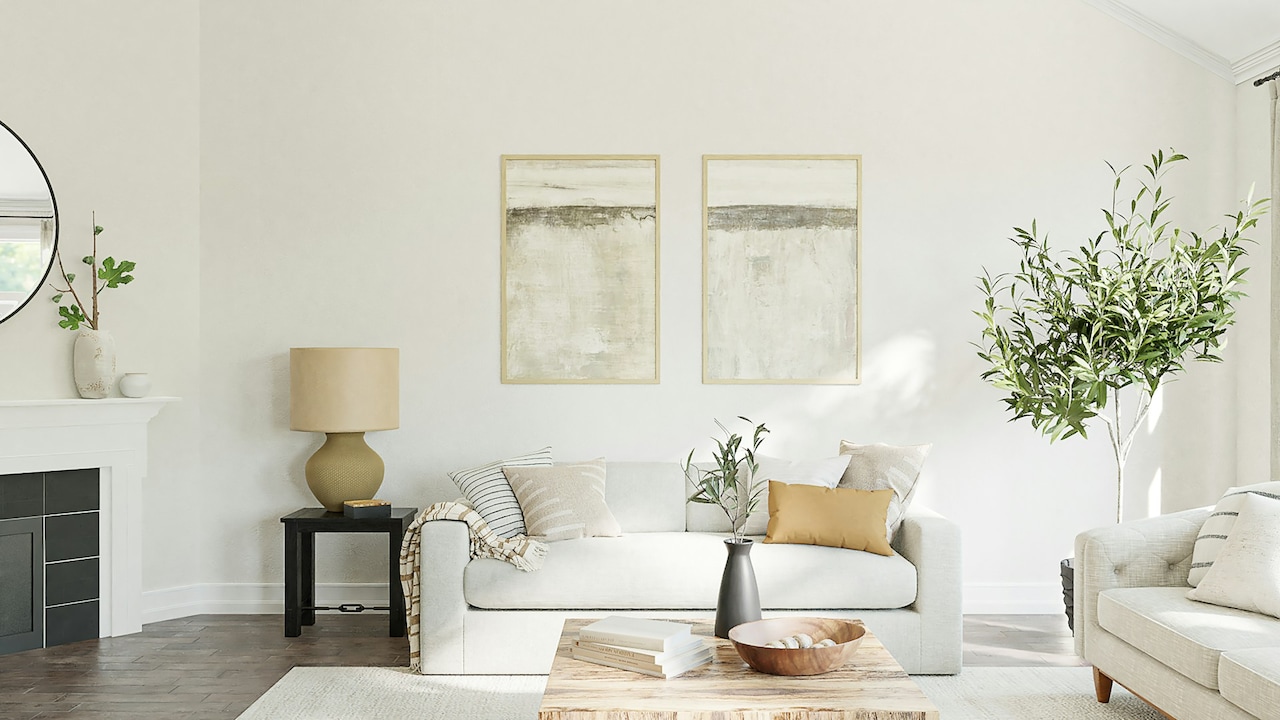
10 important things to remember when buying living room furniture
Every home deserves a living room that feels welcoming, beautiful, and easy to live in. It is often the stage for everything from lazy Sunday naps to lively Diwali card parties. Yet many households fall into the trap of buying furniture that looks spectacular in showrooms but quickly becomes a daily nuisance. That pristine white couch may appear luxurious, but one accidental samosa spill can spark instant regret. That chic marble coffee table may look straight out of a celebrity home tour, but it may also become a magnet for fingerprints, scratches, and constant cleaning.
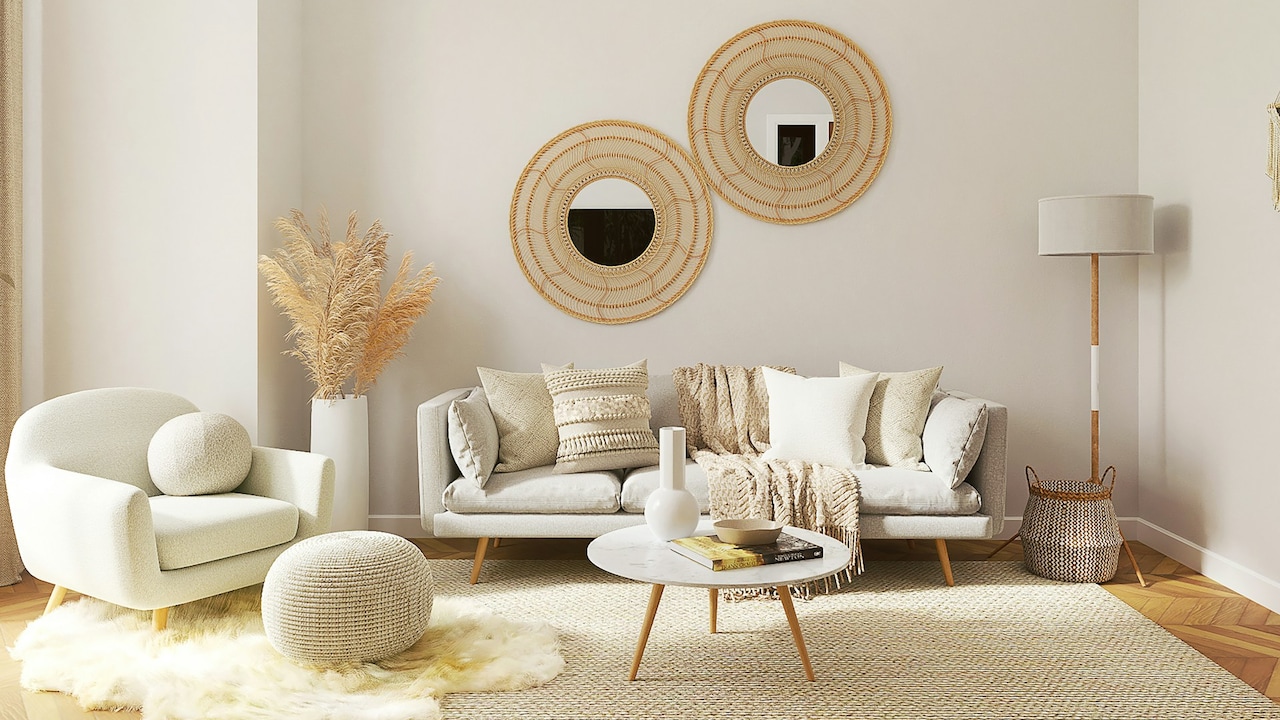
Mistakes to avoid when buying living room furniture to keep it stylish and functional; Photo Credit: Unsplash
Style matters, of course. Nobody wants a living room that resembles a waiting area at a government office. But comfort, practicality, and durability deserve equal attention. The best interiors strike a balance between visual appeal and real-life usability.
Furniture should not force people to tiptoe around their own homes. Instead, it should support everyday life while still looking polished. By avoiding impractical trends and embracing smarter alternatives, homeowners can create spaces that handle chaos gracefully without losing charm.
Also Read: Top 7 Easy Home Decor Upgrades That Make Your Space Feel Cooler
When Style Meets Reality: Furniture Choices That Truly Work
The Problem With Fragile Glass Coffee Tables
Glass coffee tables often promise sophistication. They reflect light beautifully and can make a room appear larger. In reality, they can become one of the most stressful additions to a living room.
Fingerprints appear almost instantly. Dust settles quickly. Families with children often spend more time warning little ones about sharp edges than enjoying the space itself. Even adults can find themselves nervously balancing tea cups, worried about accidental chips or cracks.
Daily maintenance becomes exhausting. A table that looked glamorous on day one may soon feel like a full-time cleaning project.
A better choice is a wooden or engineered wood coffee table with rounded edges and built-in storage. These options offer warmth, durability, and practical benefits. Storage drawers can hide remote controls, magazines, and miscellaneous clutter, keeping the room tidy.
Modern wooden tables come in stunning finishes that still look elegant without demanding constant polishing. They offer beauty with resilience, which is exactly what a hardworking living room needs.
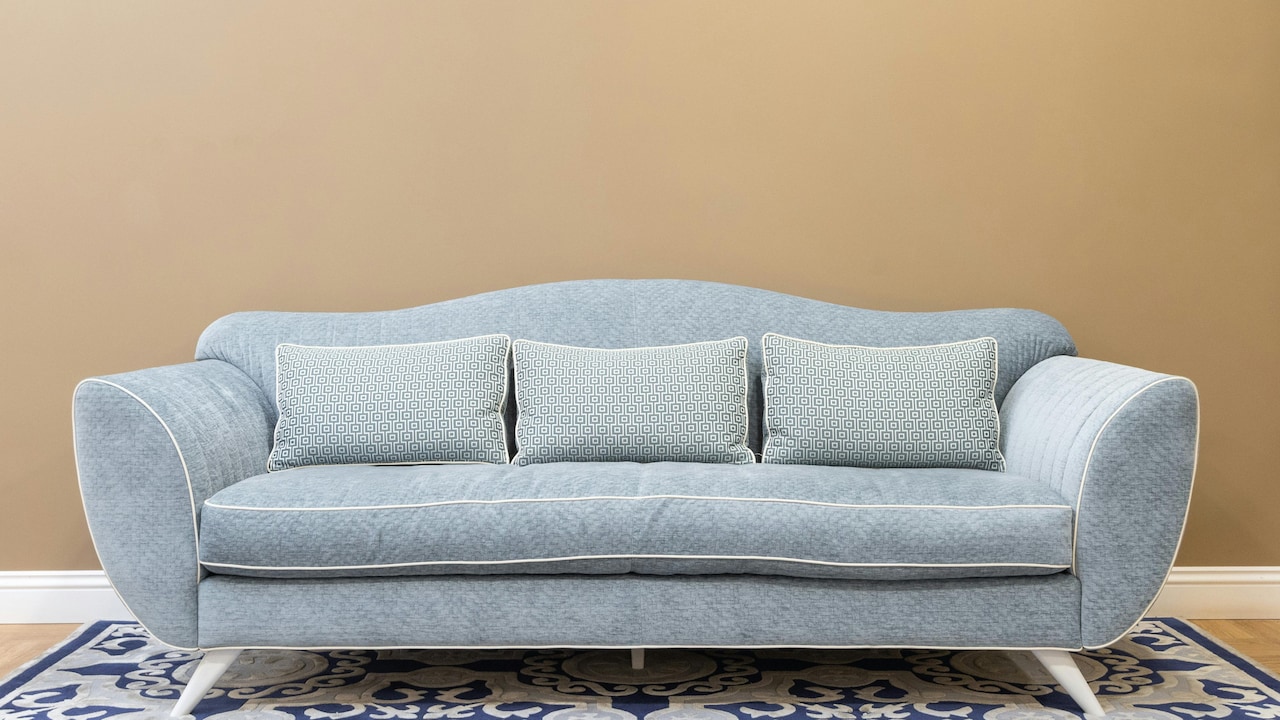
Why Oversized Sofas Can Swallow A Room Whole
Large sectional sofas often look inviting in furniture stores. They suggest luxury, family movie nights, and endless comfort. Yet in many homes, especially urban flats, they consume valuable floor space.
An oversized sofa can make a room feel cramped, restrict movement, and reduce flexibility. Guests may struggle to navigate around it, and rearranging furniture becomes nearly impossible.
Bigger does not always mean better. A sofa should complement the room rather than dominate it like an overenthusiastic wedding guest.
Instead, compact modular seating offers a smarter solution. Modular sofas provide flexibility, allowing homeowners to adjust arrangements according to need. They fit smaller spaces better while still offering comfort and style.
Look for stain-resistant fabrics in earthy or jewel tones that disguise everyday wear. Practical upholstery can withstand family life without looking tired too quickly.
A thoughtfully sized sofa creates openness, encourages conversation, and leaves room for side tables or accent chairs that enhance both comfort and visual balance.
Delicate Upholstery That Cannot Handle Real Life
Velvet, silk blends, and ultra-light fabrics often scream sophistication. They also scream panic when exposed to pets, children, snacks, or accidental spills.
While such materials may look luxurious, they rarely cooperate with daily living. Dust, stains, and wear become painfully visible. Constant professional cleaning can quickly turn beauty into a financial burden.
Imagine investing ₹85,000 in a gorgeous cream velvet sofa only to cover it permanently with throws. That defeats the purpose entirely.
Performance fabrics offer a far more practical alternative. These modern textiles resist stains, wear, and fading while maintaining a stylish appearance. Textured cotton blends, microfibre, and treated linen can deliver both elegance and endurance.
Darker shades, subtle patterns, or mixed textures can also help disguise daily mishaps while adding personality.
Furniture should invite relaxation, not anxiety. Choosing durable upholstery means family members can truly enjoy the space without fear of ruining expensive décor.
Open Shelving That Collects More Dust Than Admiration
Open shelves often appear charming in design magazines. Styled perfectly with curated books, candles, and decorative accents, they create visual interest.
In real homes, however, open shelving often becomes a relentless dust magnet. Decorative pieces require frequent cleaning, and clutter can accumulate quickly. Without careful styling, shelves may look chaotic rather than chic.
Busy households rarely have time to maintain showroom-level perfection every day.
Closed cabinets or mixed-storage units provide a more realistic solution. Furniture that combines display areas with concealed storage allows homeowners to showcase favourite pieces while hiding practical necessities.
This balance reduces visual clutter and cleaning demands.
A sleek media unit with cabinets, for example, can store electronics, board games, and extra cushions while maintaining a polished aesthetic.
Beautiful living rooms do not require endless exposed surfaces. Sometimes, the smartest style choice is simply having a place to hide life's messier bits.
Sharp-Cornered Furniture That Invites Daily Bruises
Minimalist furniture often features crisp lines and sharp edges. While visually striking, these designs can prove surprisingly unforgiving.
Families with young children, elderly relatives, or even distracted adults know the pain of bumping into hard corners all too well. One poorly placed side table can become a regular source of bruises.
Safety should never be sacrificed for aesthetics.
Rounded-edge furniture provides a stylish and practical alternative. Soft curves create a welcoming atmosphere while reducing injury risks. Coffee tables, ottomans, and consoles with gentler lines can still look sophisticated.
Curved furniture has also gained popularity for its softer, more organic visual appeal.
It creates flow within a room and often feels more inviting. A living room should support comfort and ease, not function like an obstacle course.
Smart design considers how people move, relax, and interact within a space every single day.
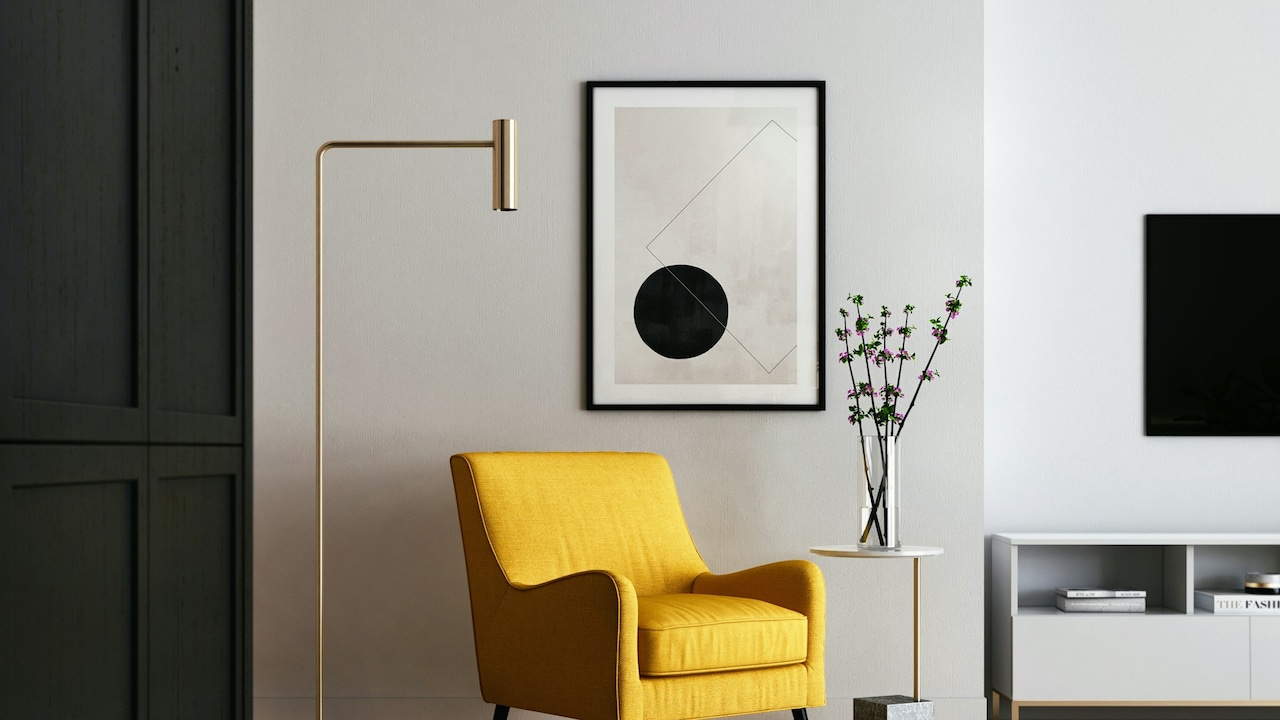
Avoid furniture with sharp corners that can cause bruises unexpectedly; Photo Credit: Unsplash
Trendy Accent Chairs That Look Better Than They Feel
Statement chairs often steal attention in showrooms. Bold shapes, sculptural frames, and unusual materials can seem irresistible.
Yet many accent chairs prioritise appearance over actual comfort. Shallow seats, rigid backs, or awkward proportions can make sitting for more than ten minutes feel like punishment.
Furniture should never become decorative torture.
Instead, choose accent chairs that blend style with ergonomic support. Comfortable cushioning, supportive armrests, and durable upholstery matter far more in daily life than dramatic design alone.
A well-chosen chair can serve multiple functions, from reading corner companion to extra guest seating during celebrations.
Timeless designs with comfortable proportions tend to outlast passing trends.
Living rooms thrive on furniture that people genuinely use, not pieces admired from afar like museum exhibits.
High-Maintenance Marble Surfaces That Demand Constant Care
Marble furniture often carries undeniable glamour. Its luxurious appearance can elevate interiors instantly.
However, marble surfaces can stain, scratch, and etch more easily than many buyers realise. Tea spills, acidic foods, and regular wear can dull its polished finish.
For busy homes, this level of maintenance often becomes impractical.
Quartz, sintered stone, or high-quality laminate alternatives can deliver similar sophistication with far greater resilience. These materials resist damage better and require less upkeep.
They offer visual elegance without demanding excessive caution.
Practical luxury matters more than fragile extravagance. A living room should feel inviting enough for everyday use, not like a precious showroom where everyone fears setting down a coffee mug.
Beautiful spaces function best when they support living rather than limiting it.
Low Seating That Becomes A Daily Struggle
Ultra-low sofas and lounge chairs may look fashion-forward, but they can quickly become inconvenient.
Older family members often struggle to sit down or stand up comfortably. Even younger adults may tire of awkwardly rising from deep, low seating after long workdays.
What seems trendy can soon feel impractical.
Medium-height seating with proper support offers a better balance. Sofas and chairs should allow easy movement while still feeling cosy.
Supportive cushions and sensible seat depth improve comfort significantly.
Furniture should accommodate everyone, from visiting grandparents to energetic children.
Design that embraces accessibility does not sacrifice style. In fact, it often proves more timeless because it prioritises real human needs over fleeting trends.
True sophistication lies in thoughtful functionality.
Furniture Without Storage That Adds To Everyday Chaos
Stylish furniture often focuses solely on appearance, ignoring one essential reality: homes accumulate things.
Blanket throws, chargers, toys, magazines, and seasonal décor all need space. Furniture without storage can leave living rooms looking cluttered quickly.
A sleek ottoman may look lovely, but a storage ottoman works much harder.
Multi-functional furniture offers tremendous value. Storage benches, nesting tables, hidden compartments, and media units with drawers help maintain organisation.
These practical choices keep spaces looking calm and curated even during busy weeks.
Smart storage does not mean sacrificing elegance. Many contemporary designs seamlessly integrate function with beauty.
A tidy room naturally feels more luxurious, and furniture that supports organisation makes maintaining that atmosphere far easier.
Overly Trend-Driven Pieces That Age Poorly
Furniture trends change rapidly. One year's must-have boucle chair can become next year's regret.
Investing heavily in extreme trends often leads to quicker replacement cycles, which can prove costly. A ₹1,20,000 designer-inspired piece may lose appeal far sooner than expected.
Instead, prioritise timeless foundational furniture and update smaller accessories to reflect changing tastes.
Classic sofas, versatile tables, and neutral storage units provide longevity. Trendier colours or patterns can appear through cushions, rugs, or artwork instead.
This strategy keeps living rooms fresh without constant major expenses.
Good design should evolve gracefully. Homes function best when they balance personality with practicality rather than chasing every passing fad.
Products Related To This Article
1. Sheesham Wood Multipurpose Nightstand Small Side Table for Small Spaces End Table Bedside Tables
2. Crosscut Furniture LED Tripod Floor Lamp with 3 Shelves
3. Modern Round Side Table, Home Decor for Living Room
4. AS Furniture Arts Solid Sheesham Wood 6 Seater Sofa Set For Living Room Wooden Sofa Set
5. Home furniture Wooden Wall Rack Shelf for Living Room
6. Vero Plush Comfort Sofa Set
7. Solid Sheesham Wood Console Table for Living Room
A living room should serve real life, not just social media aesthetics. Beautiful spaces matter, but true success lies in combining style with comfort, durability, and functionality.
Furniture that fails in daily life often creates frustration, unnecessary maintenance, and expensive regret. Fragile surfaces, impractical fabrics, oversized pieces, and fleeting trends may look appealing initially, but they rarely stand the test of everyday use.
Smarter choices focus on how spaces actually function. Durable materials, thoughtful sizing, integrated storage, and timeless design can create living rooms that feel elegant while supporting busy households.
A well-designed home welcomes life's joyful chaos, from family gatherings to quiet evenings with chai.
The best furniture choices are not merely beautiful. They make daily living easier, more comfortable, and far more enjoyable. That, ultimately, is a style worth investing in.
(Disclaimer: This article may include references to or features of products and services made available through affiliate marketing campaigns. NDTV Convergence Limited (“NDTV”) strives to maintain editorial independence while participating in such campaigns. NDTV does not assume responsibility for the performance or claims of any featured products or services.)





![Steam Iron Teflon Shoe Cover for ES-300,ST-96 [Only For ES-300 and ST-96 Model Electric Steam Irons]](https://m.media-amazon.com/images/I/51wwkttondL._SL160_.jpg)