Luxurious Softness Vs Superior Absorbency: How To Choose The Perfect Towel
Soft towels feel indulgent, but often lack absorbency. Highly absorbent ones dry fast, yet feel less plush. This article explores why you must choose between the two, and how to pick what suits your daily routine best.
Why You Must Choose Between Luxurious Softness And Superior Towel Absorbency
Step into any home store or scroll through an online catalogue, and towels promise everything: cloud-like softness, instant drying, and durability that lasts for years. It sounds perfect, almost too perfect. Yet, reality quietly disagrees.
Anyone who has wrapped themselves in a fluffy towel only to realise it barely dries anything knows the frustration. On the other hand, a thin, highly absorbent towel might get the job done, but it can feel about as comforting as a worn-out bedsheet. This is where the dilemma begins.
The truth lies in the fibres, weave, and design. Towels cannot maximise softness and absorbency at the same time without compromise. It becomes a choice shaped by lifestyle, climate, and even how rushed mornings tend to be.
In a country where humid summers, quick showers before work, and occasional indulgent self-care weekends all coexist, this decision becomes surprisingly personal. The following sections explore why this trade-off exists and how to navigate it without regret.
Why You Must Choose Between Luxurious Softness And Superior Towel Absorbency
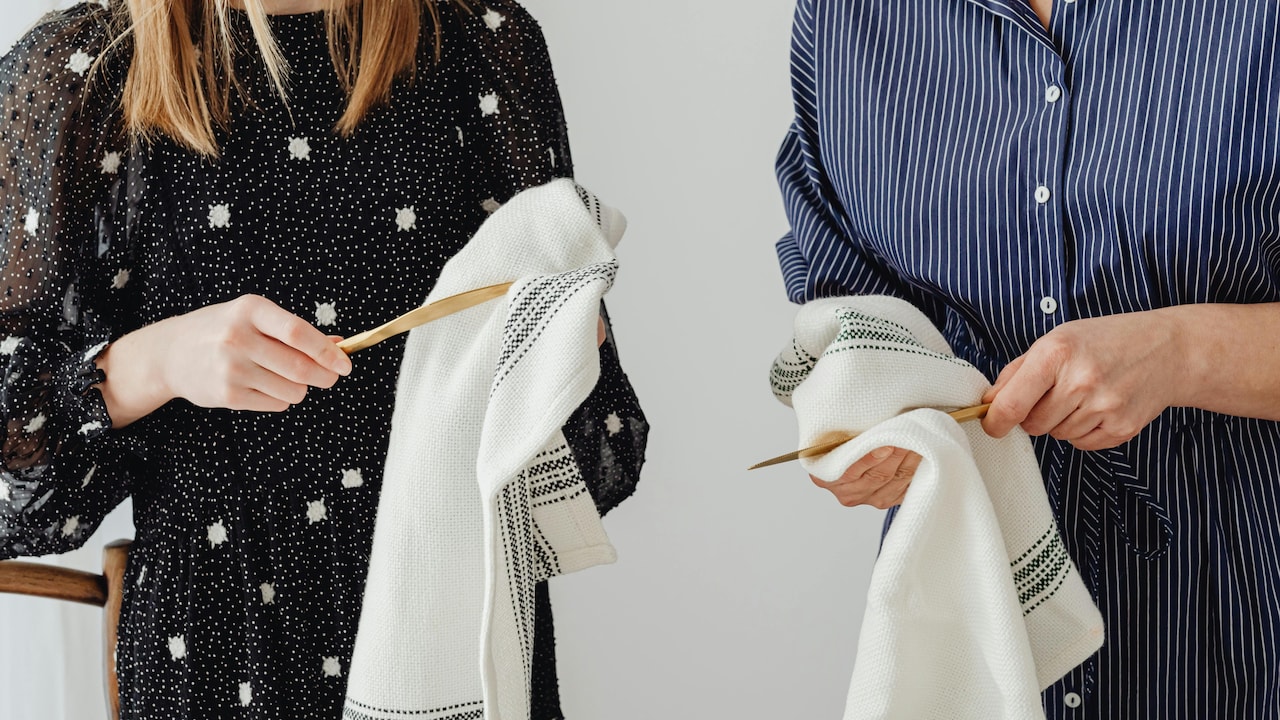
Photo Credit: Pexels
The Great Towel Trade-Off: Why Softness And Absorbency Rarely Coexist
The Science Behind Softness And Absorbency
Towels owe their performance to the fabric structure. Softness usually comes from longer loops and finer fibres, which create a plush feel against the skin. Absorbency, however, depends on how efficiently those fibres can soak up water and release it later.
When manufacturers aim for extreme softness, they often treat fibres with finishes or use weaving techniques that reduce friction. While this feels luxurious, it also limits how quickly water can travel into the fabric. Absorbent towels, on the other hand, prioritise capillary action. They pull moisture in rapidly but may sacrifice that silky touch.
Consider the difference between a thick bath towel from a premium store priced at ₹1,500 and a simple cotton towel bought for ₹400 at a local market. The former may feel indulgent but struggle during a quick post-gym routine. The latter may not impress guests, yet it performs reliably every single time.
Understanding this trade-off makes it easier to choose wisely rather than falling for marketing promises that suggest both qualities can peak simultaneously.
The Illusion Of Hotel-Style Luxury At Home
Luxury hotels often influence expectations. Those plush, heavy towels create a memorable experience, making many believe that softness equals quality. Yet, hotels maintain these towels with industrial laundering processes that restore performance regularly.
At home, the story changes. Water quality, detergent choices, and drying habits affect how towels behave over time. A soft towel may lose absorbency quickly after repeated washes, especially if fabric conditioners are used.
There is also the comfort factor. A soft towel feels indulgent after a long day, almost like a small reward. It adds a sense of calm, similar to slipping into freshly ironed bedsheets. However, that comfort can turn into mild annoyance when it takes twice as long to dry off.
For many households, the idea of recreating hotel luxury clashes with practicality. Without careful maintenance, softness becomes more of a visual and tactile pleasure rather than a functional one.
Absorbency And The Reality Of Busy Mornings
Mornings often move at lightning speed. There is barely enough time for breakfast, let alone waiting for a towel to do its job slowly. This is where absorbency becomes invaluable.
An absorbent towel reduces drying time significantly. It allows for a quick transition from shower to getting dressed, which can make all the difference during hectic schedules. In humid climates, this efficiency becomes even more important, as damp skin can feel uncomfortable throughout the day.
Think about gym sessions or travel. A lightweight, highly absorbent towel becomes a practical companion. It dries quickly, packs easily, and rarely develops that unpleasant damp smell.
Soft towels, though comforting, often retain moisture longer. This leads to slower drying and sometimes even mildew if not aired properly. Over time, this can affect hygiene and durability.
For those who value efficiency over indulgence, absorbency often wins without much debate.
Also Read: Top Cotton Towel Sets That Make Everyday Showers Feel Like A Spa
Fabric Choices That Define Performance
The material of a towel plays a decisive role. Egyptian cotton and Turkish cotton often dominate discussions about softness. Their long fibres create a smooth, plush surface. However, these fibres may take longer to absorb water initially.
Regular cotton, especially combed cotton, offers a balance but leans more towards absorbency. Microfibre towels, commonly used for sports, excel at drying quickly but lack the comforting texture of traditional towels.
Bamboo blends have gained popularity for their eco-friendly appeal. They feel soft and absorb well, yet they come with a higher price tag, sometimes reaching ₹2,000 for a single piece.
Each fabric tells a different story. Choosing one means accepting its strengths and weaknesses. There is no universal winner, only options that suit different needs and preferences.
Understanding these materials helps avoid disappointment and ensures the towel chosen aligns with daily routines.
The Role Of Weave And Thickness
Beyond fabric, weave and thickness influence how a towel performs. Thick towels with dense loops feel luxurious but often trap moisture. Thin towels, with tighter weaves, allow quicker absorption and drying.
A heavy towel may seem like a premium choice, yet it can become cumbersome after a few washes. It takes longer to dry on a clothesline, especially during monsoon months. This can lead to that familiar musty smell that no one enjoys.
On the other hand, thinner towels might not look impressive but prove reliable. They dry faster, require less maintenance, and remain functional even after years of use.
The perception of quality often leans towards thickness, but practicality tells a different story. A towel that performs consistently often outweighs one that simply feels luxurious for a short time.
Maintenance Habits That Tip The Balance
How towels are cared for can shift the balance between softness and absorbency. Fabric conditioners, while enhancing softness, coat fibres and reduce their ability to absorb water. Over time, this creates a noticeable decline in performance.
Air drying versus machine drying also matters. Excessive heat can damage fibres, while insufficient drying can lead to bacterial growth. The right balance keeps towels functional for longer.
Frequent washing, especially with harsh detergents, can strip natural softness. Yet, skipping washing affects hygiene. It becomes a careful routine rather than a simple task.
Households often overlook these details. A towel that starts out perfect may lose its appeal within months due to improper care. Recognising this helps in making better choices and extending the life of the product.
Climate And Its Silent Influence
Climate quietly shapes towel preferences. In humid regions, absorbency becomes crucial. Towels need to dry quickly to prevent odours and maintain freshness.
During cooler months, softness feels more appealing. Wrapping up in a plush towel after a warm shower adds a layer of comfort that enhances the experience.
Monsoon seasons present a unique challenge. Thick towels may remain damp for days, making them impractical. Lightweight, absorbent options become the preferred choice during this time.
This seasonal variation highlights why a single type of towel may not suffice throughout the year. Adjusting choices based on the weather ensures comfort and practicality without compromise.
Cost Versus Long-Term Value
Price often influences decisions. Expensive towels promise luxury, while budget options focus on functionality. However, cost does not always guarantee satisfaction.
A ₹2,000 towel that loses absorbency within months may feel like a poor investment. Meanwhile, a ₹500 towel that performs consistently offers better value over time.
Durability becomes a key factor. Towels that maintain their structure and function after repeated washes provide long-term benefits. Softness may fade, but absorbency often remains if the fabric quality is good.
Balancing cost with performance ensures that the purchase feels worthwhile. It also reduces the need for frequent replacements, saving money in the long run.
Why You Must Choose Between Luxurious Softness And Superior Towel Absorbency
Photo Credit: Pexels
Emotional Comfort Versus Practical Needs
Towels are more than just functional items. They contribute to daily comfort and routines. A soft towel can uplift mood, offering a sense of indulgence after a tiring day.
However, practicality cannot be ignored. A towel that fails to dry effectively disrupts routines and creates inconvenience. This tension between emotional comfort and practical needs defines the choice.
For some, softness becomes a small luxury worth prioritising. For others, efficiency takes precedence. Neither choice is wrong; it simply reflects individual preferences and lifestyles.
Recognising this balance helps in making decisions without regret. It also adds a personal touch to something as ordinary as a towel.
Finding The Right Balance For Everyday Life
While the trade-off exists, finding a middle ground is possible. Towels with moderate thickness and good-quality cotton often provide a reasonable balance. They may not excel in either extreme but offer satisfactory performance.
Rotating between different types of towels can also help. A soft towel for relaxed evenings and an absorbent one for busy mornings creates flexibility.
Small adjustments, such as avoiding fabric conditioners and ensuring proper drying, can enhance performance without sacrificing comfort entirely.
This approach allows for a more adaptable routine, where comfort and practicality coexist rather than compete.
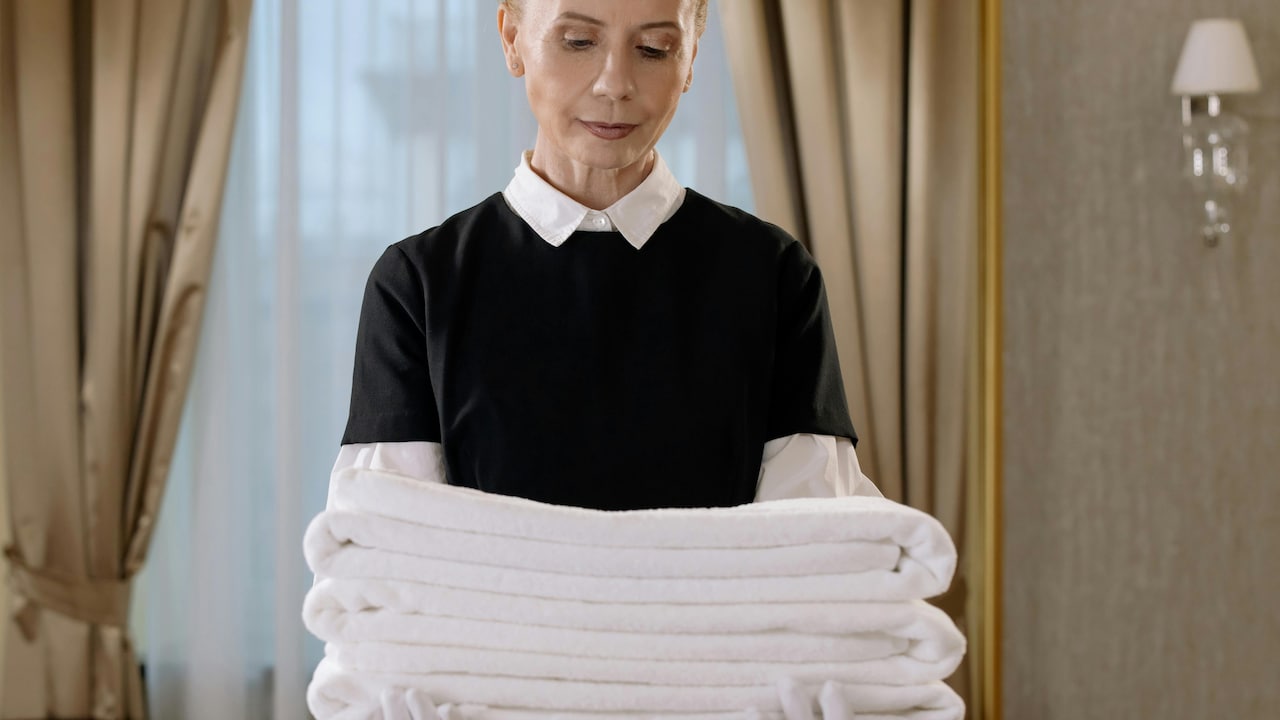
Why You Must Choose Between Luxurious Softness And Superior Towel Absorbency
Photo Credit: Pexels
Products Related To This Article
1. Ansh traderss Microfiber 300 GSM Bath Towel
2. G Fabrics Cotton 500 GSM Bath Towel Set (Pack of 6)
3. SoftTech Microfiber 600 GSM Bath, Beach, Face, Hair, Hand, Sport Towel
4. VRDH Cotton 300 GSM Bath Towel (Pack of 2)
5. Fezora Microfiber 500 GSM Bath, Sport, Beach Towel
Choosing between luxurious softness and superior absorbency may seem trivial at first glance, yet it reflects deeper aspects of daily living. Comfort, efficiency, climate and habits all play a role in shaping this decision.
There is no perfect towel that delivers both qualities at their peak. Every option comes with trade-offs, and understanding them makes the choice clearer.
In the end, the right towel is not the one that promises everything but the one that fits seamlessly into everyday routines. Whether it leans towards softness or absorbency, what matters most is how well it serves its purpose without adding frustration.
A simple household item, when chosen thoughtfully, can quietly enhance daily life, one shower at a time.
(Disclaimer: This article may include references to or features of products and services made available through affiliate marketing campaigns. NDTV Convergence Limited (“NDTV”) strives to maintain editorial independence while participating in such campaigns. NDTV does not assume responsibility for the performance or claims of any featured products or services.)





![Steam Iron Teflon Shoe Cover for ES-300,ST-96 [Only For ES-300 and ST-96 Model Electric Steam Irons]](https://m.media-amazon.com/images/I/51wwkttondL._SL160_.jpg)