Is Your Mattress Uncomfortable After A Few Months? Main Causes And Solutions
Is your mattress losing comfort within months? Discover the common causes behind early wear and simple solutions to restore support, improve sleep quality and extend your mattress’s lifespan.
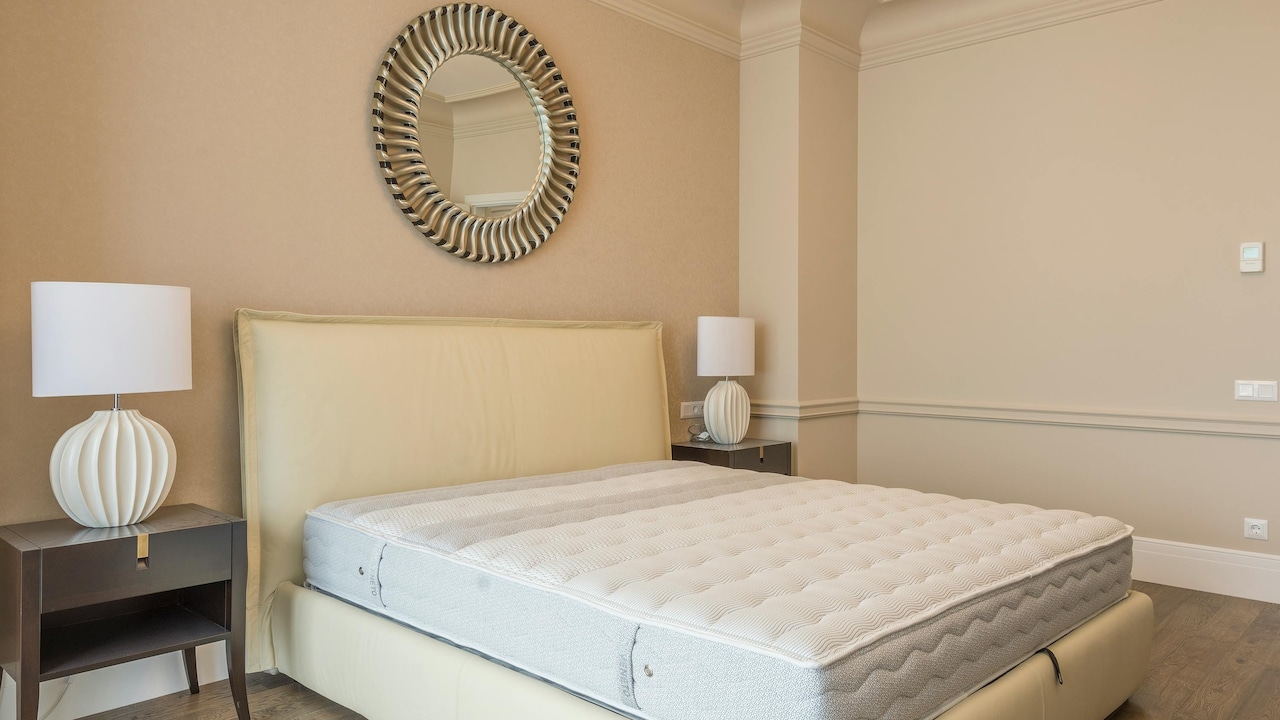
Is Your Mattress Uncomfortable After A Few Months? Main Causes And Solutions
There's a quiet joy in buying a new mattress. The promise of deep sleep, lazy Sunday mornings, and waking up without a sore back feels almost luxurious. Yet, for many households, that excitement fades far too quickly. Within a few months, what once felt plush and supportive starts to feel uneven, stiff, or oddly lumpy.
It often leads to confusion. Was the wrong mattress chosen? Did something go wrong in usage? Or is this just how mattresses behave?
The truth sits somewhere in between. A mattress losing comfort early is not uncommon, but it is rarely random. Small habits, material choices, and environmental factors quietly shape how a mattress ages. Understanding these factors not only saves money but also prevents the endless cycle of replacing bedding every year.
Let's explore what really causes that uncomfortable feeling to creep in, and more importantly, how to fix it without losing sleep over it.
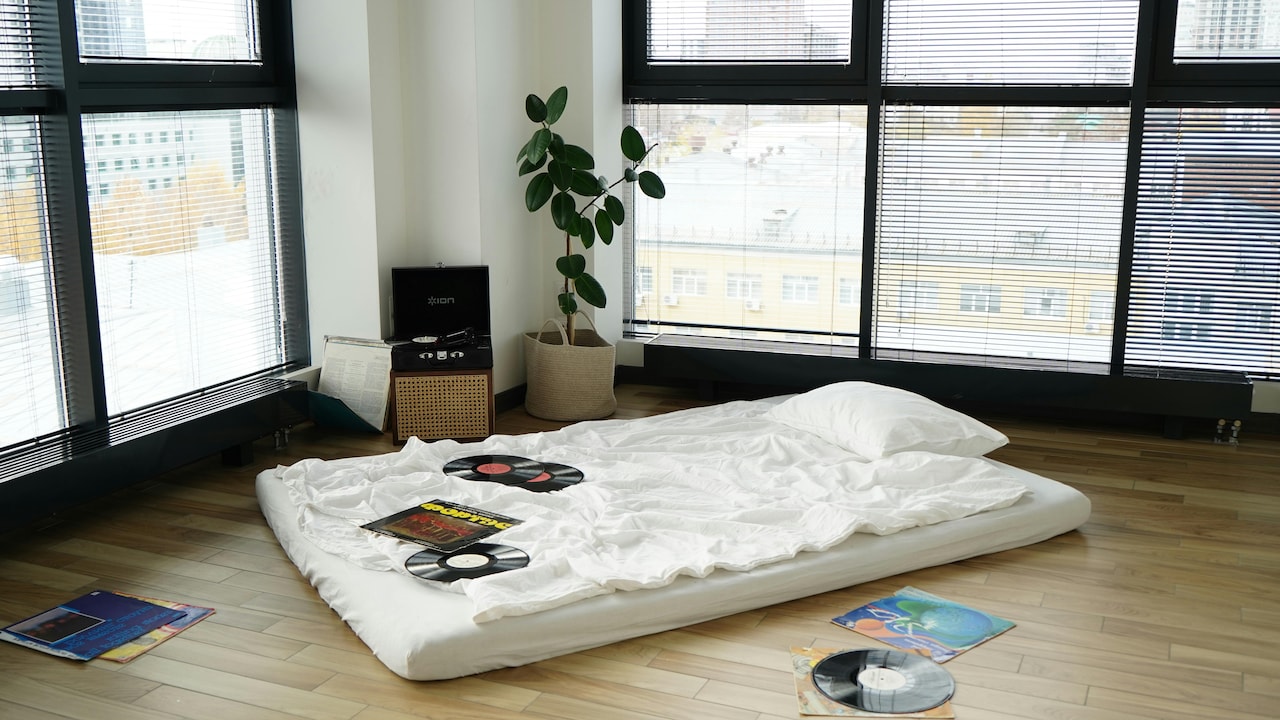
Is Your Mattress Uncomfortable After A Few Months? Main Causes And Solutions
Photo Credit: Pexels
Understanding Why Your Mattress Loses Comfort So Quickly
1. Poor Mattress Quality And Material Choices
Not all mattresses age the same way. Some lose their charm faster than a monsoon puddle disappears under the afternoon sun. Often, the root cause lies in the materials used. Low-density foam, weak spring systems, or poorly layered designs tend to compress quickly. At first, everything feels fine. Then, subtle dips begin to form, usually right where the body rests the most.
Budget-friendly options may seem attractive, especially when priced around ₹5,000 to ₹8,000. However, they often cut corners in durability. That doesn't mean expensive always equals better, but extremely low-cost mattresses rarely maintain structure for long.
A mattress should ideally support the spine evenly. When materials start breaking down early, that support disappears. This leads to discomfort, tossing and turning, and eventually, disturbed sleep.
Choosing a mattress with high-density foam or a well-constructed spring system can make a noticeable difference. It's less about luxury and more about long-term comfort.
2. Lack Of Proper Support From The Bed Base
A mattress cannot do its job alone. Think of it as a team effort between the mattress and the bed frame. If the base underneath lacks strength or uniformity, the mattress begins to sag unevenly. Wooden slats placed too far apart or a slightly bent metal frame can quietly ruin even a good mattress.
Many homes use older bed frames that may not align with newer mattress designs. Over time, gaps or weak spots beneath the mattress create pressure points. These pressure points slowly alter the shape of the mattress.
The result feels frustrating. One side dips, another feels firm, and the centre becomes awkwardly soft. Sleep becomes a constant adjustment rather than a restful experience.
Ensuring the base is flat, sturdy, and evenly supportive can extend the life of a mattress significantly. A simple check underneath the bed often reveals more than expected.
3. Not Rotating Or Flipping The Mattress
A mattress, much like a favourite pair of shoes, wears unevenly with repeated use. Sleeping in the same position every night puts consistent pressure on specific areas. Over time, these areas soften faster, creating dips.
Many people forget that mattresses need occasional rotation. Some even assume modern mattresses do not require flipping or turning at all. While certain designs are single-sided, most still benefit from rotation.
Without rotation, one section of the mattress carries the entire burden of nightly sleep. This uneven wear shows up within months, especially in foam-based models.
Rotating the mattress every three months helps distribute pressure evenly. It's a simple habit, yet often overlooked. The difference in comfort can feel surprisingly significant, almost like refreshing the mattress without spending a rupee.
4. Body Weight And Usage Patterns
Every mattress responds differently to body weight. A mattress designed for lighter individuals may struggle under heavier pressure, leading to quicker sagging. Similarly, households where multiple people frequently sit or sleep on the same mattress see faster wear.
Picture a typical evening, family members sitting on the bed, children jumping around, perhaps even meals being enjoyed while watching television. While these moments feel harmless, they add repeated stress to the mattress structure.
Over time, the foam or springs compress beyond recovery. The mattress loses its ability to bounce back, leaving behind permanent indentations.
Choosing a mattress suited to body weight and usage habits is crucial. Some mattresses are designed to handle higher loads, while others prioritise softness over resilience. Matching the mattress to real-life use ensures it stays comfortable for longer.
Also Read: Flipkart Deals: Best Orthopedic Memory Foam Mattresses For Comfortable Sleep Under ₹15,000
5. Heat And Humidity Affecting Mattress Materials
Climate plays a quiet but powerful role in how a mattress behaves. Warm temperatures and humidity can soften foam layers, making them feel less supportive. Over time, this softness turns into permanent deformation.
In coastal or humid regions, moisture seeps into the mattress, especially without proper ventilation. This weakens the internal structure and may even lead to unpleasant odours.
Foam mattresses, in particular, react to heat. On warmer nights, they may feel softer, almost sinking under body weight. This can create the illusion of early wear, even when the mattress is relatively new.
Using breathable mattress covers, ensuring good airflow, and occasionally airing out the mattress can help maintain its integrity. Small adjustments in the sleeping environment often go a long way in preserving comfort.
6. Incorrect Mattress Type For Sleeping Style
Sleeping style matters more than most people realise. A mattress that feels perfect in a showroom may not suit personal sleeping habits at home.
Side sleepers need softer surfaces to cushion shoulders and hips. Back sleepers require balanced support, while stomach sleepers benefit from firmer mattresses. When the mattress does not align with these needs, discomfort appears quickly.
A mattress that is too firm can create pressure points. One that is too soft may fail to support the spine properly. Both scenarios lead to restless nights and the feeling that the mattress has “gone bad” within months.
Understanding sleeping posture helps in choosing the right firmness level. Comfort is not universal; it's deeply personal. A small mismatch can make even a high-quality mattress feel unsuitable.
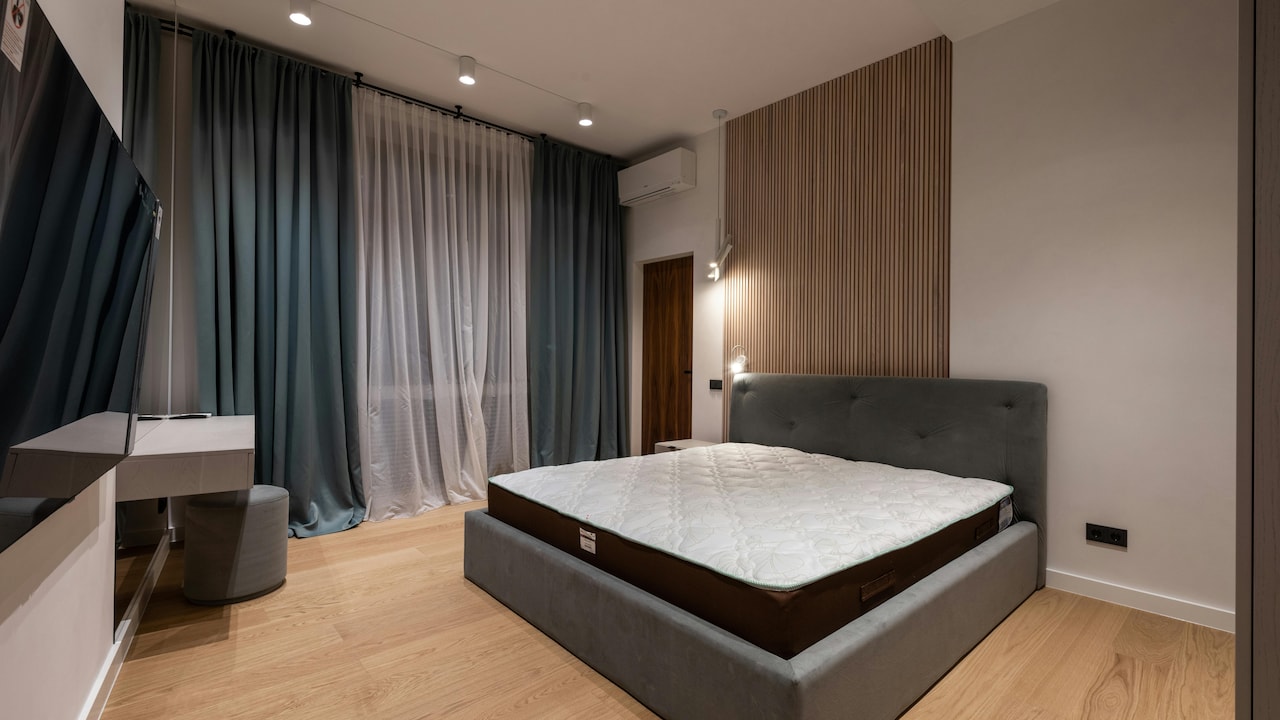
Is Your Mattress Uncomfortable After A Few Months? Main Causes And Solutions
Photo Credit: Pexels
7. Using The Mattress Without A Protector
Spills, sweat, and dust quietly affect a mattress over time. Without a protective layer, moisture seeps into the core, weakening its structure. Even something as simple as daily perspiration contributes to gradual wear.
A mattress protector acts as a shield. It prevents liquids from penetrating the surface and keeps dust mites at bay. Without it, the mattress absorbs everything from accidental tea spills to humid air.
Over time, this exposure leads to material breakdown. Foam becomes less resilient, and fabric layers lose their firmness. The mattress may start feeling uneven or slightly damp.
Investing in a good-quality protector, often available for around ₹800 to ₹1,500, can significantly extend the mattress's lifespan. It's a small addition that offers long-term benefits.
8. Manufacturing Defects Or Warranty Issues
Sometimes, the issue isn't usage at all. A mattress may come with hidden defects that only appear after weeks of use. Weak stitching, uneven foam distribution, or faulty springs can cause early discomfort.
These problems often show up as unusual lumps or rapid sagging. Many assume it's normal wear, but it could be a manufacturing flaw.
Most mattresses come with warranties, yet many people overlook them. Keeping purchase receipts and understanding warranty terms can prove useful in such situations.
If discomfort appears unusually early, it's worth checking whether the issue falls under warranty coverage. Addressing it early can prevent unnecessary expenses and frustration.
9. Overloading The Mattress Regularly
Beds often double up as seating areas, especially in compact homes. While this seems practical, it adds extra strain on the mattress. Sitting on the edges or placing heavy items repeatedly weakens the structure.
Edge support is particularly vulnerable. Over time, the sides of the mattress may collapse, making it difficult to sit or lie comfortably near the edges.
The mattress is designed primarily for sleeping, not as a sofa or storage surface. Treating it accordingly helps maintain its shape and durability.
Reducing unnecessary pressure and avoiding constant edge usage can keep the mattress in better condition. It's about small mindful habits rather than major changes.
10. Natural Wear And Expectations
Every mattress has a lifespan. Expecting it to feel brand new forever sets up disappointment. Even the best mattresses gradually soften with use.
However, there's a difference between natural ageing and early deterioration. A good mattress should maintain comfort for several years, not just a few months.
Understanding this distinction helps manage expectations. Slight softening over time is normal, but significant discomfort within months signals a deeper issue.
Regular care, mindful usage, and choosing the right mattress initially can bridge the gap between expectation and reality. Comfort doesn't have to fade quickly; it simply needs a little attention.

Is Your Mattress Uncomfortable After A Few Months? Main Causes And Solutions
Photo Credit: Pexels
Products Related To This Article
1. Wakefit ShapeSense Orthopedic Classic Memory Foam Mattress
2. The Sleep Company SmartGRID Ortho Mattress
3. Nilkamal SLEEP Lite Dual Comfort 5 Inch Mattress
4. Centuary Mattresses Sleepables
5. Kurlon Dual 4 Inch Mattress
A mattress turning uncomfortable within months often feels like an unfortunate surprise. Yet, the reasons behind it are rarely mysterious. From material quality and usage habits to environmental factors and simple maintenance, each element quietly contributes to how a mattress ages.
The good news lies in the solutions. Most issues can be addressed without rushing into another purchase. A sturdier base, regular rotation, protective covers, and mindful usage can restore comfort and extend lifespan.
Sleep remains one of life's simplest pleasures, yet its quality shapes everything from mood to productivity. A comfortable mattress plays a central role in that experience. With the right care and a bit of awareness, it's possible to reclaim those peaceful nights, and perhaps even enjoy them a little more than before.
(Disclaimer: This article may include references to or features of products and services made available through affiliate marketing campaigns. NDTV Convergence Limited (“NDTV”) strives to maintain editorial independence while participating in such campaigns. NDTV does not assume responsibility for the performance or claims of any featured products or services.)