Non-Stick Pan Durability Guide: Which Coatings Actually Last for Years?
Not all non-stick pans last the same. This guide breaks down which coatings actually endure years of daily cooking, and how to choose one that won’t wear out too soon.
Non-Stick Pan Durability Guide: Which Coatings Actually Last for Years?
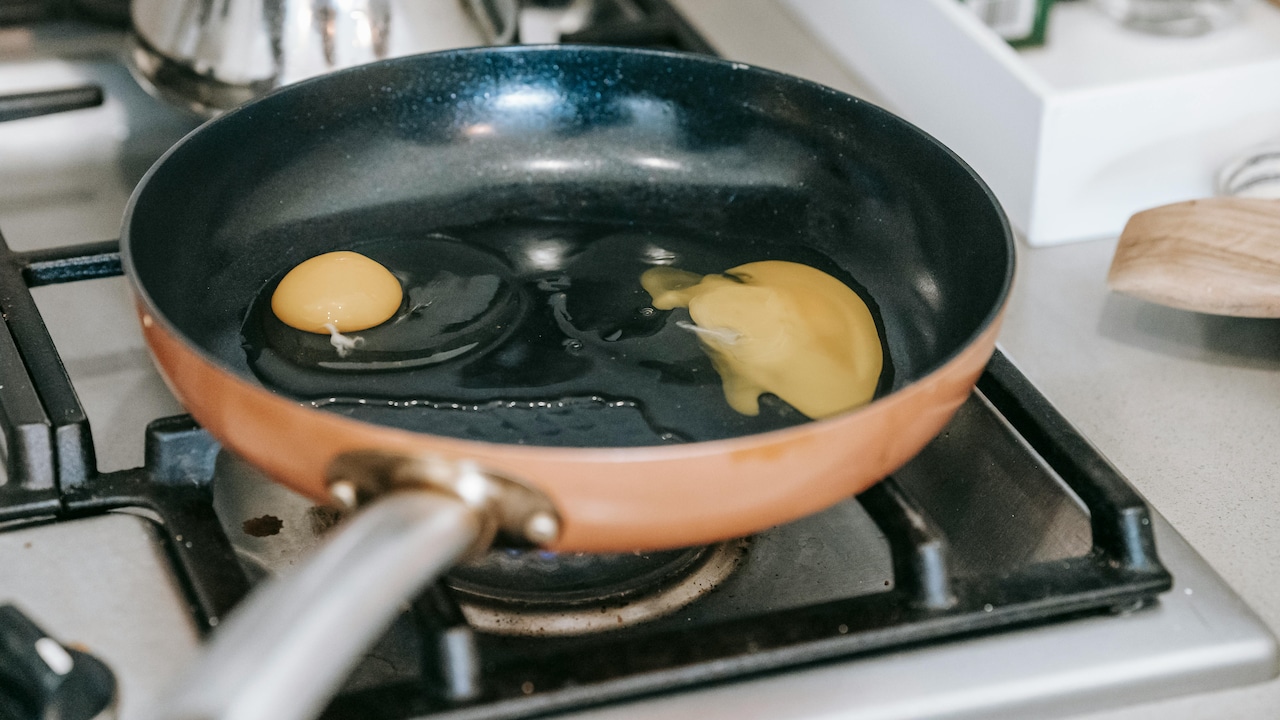
Step into any kitchenware shop, and the shelves gleam with promise. Sleek black pans, granite finishes, ceramic coatings, all whispering the same claim, “long-lasting non-stick”. Yet, reality often feels different. A pan bought with excitement during a festive sale begins to lose its charm within months. Suddenly, omelettes cling stubbornly, dosas refuse to glide, and the once-smooth surface turns patchy.
Durability, it turns out, is less about brand hype and more about understanding materials, usage, and a few overlooked habits. Not all coatings are created equal, and not every pan suits every cooking style. A busy household that cooks twice a day places very different demands on cookware compared to a weekend chef experimenting with pancakes.
This guide takes a closer look at what truly makes a non-stick pan last. It cuts through marketing noise and focuses on real-world performance. From Teflon to ceramic, hard-anodised aluminium to granite coatings, each option carries its own strengths and compromises. Along the way, small yet powerful kitchen habits also emerge as game-changers.
Because in the end, a durable pan is not just about what is bought, but how it is treated, and that difference can save both money and daily frustration.
Non-Stick Pan Durability Guide: Which Coatings Actually Last for Years?
Photo Credit: Pexels
Understanding What “Non-Stick” Really Means
The term “non-stick” often feels like a guarantee, yet it is more of a performance spectrum than a fixed promise. At its core, non-stick refers to a surface designed to reduce friction, allowing food to release easily. However, that smooth glide depends heavily on the type and thickness of the coating applied.
Most modern pans use layers. Beneath the surface lies aluminium or stainless steel, chosen for heat conduction. On top sits the coating, which does the real work. The number of layers matters more than many realise. A pan with three or more layers tends to outlast a single-coated alternative, even if both look identical on the shelf.
Another hidden factor lies in bonding. Cheaper pans often apply coatings quickly, which leads to uneven adhesion. Over time, heat and scrubbing weaken that bond, causing peeling or dull patches. Premium options invest more in this stage, which explains the higher price tags.
Temperature also plays a subtle role. Non-stick coatings perform best at moderate heat. Frequent high-flame cooking, common in many households, slowly breaks down the surface. The pan may still look intact, yet food begins to stick.
Understanding these basics shifts expectations. A non-stick pan does not last forever, but the right one can hold its performance for years when matched with the right cooking habits.
Teflon Coating: Reliable Yet Misunderstood
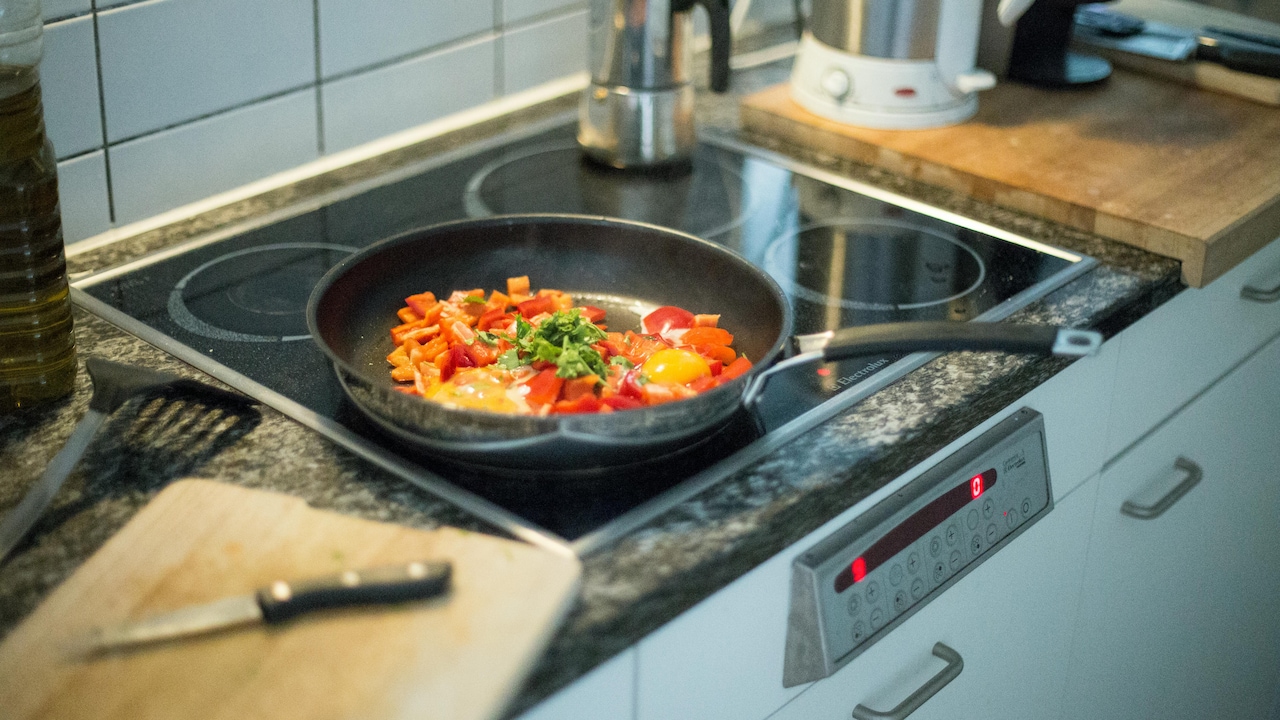
Teflon remains one of the most widely used non-stick coatings, and for good reason. It offers a smooth cooking experience, requires minimal oil, and works beautifully for everyday dishes like eggs, pancakes, or sautéed vegetables. However, its reputation often swings between trust and suspicion.
Modern Teflon, technically known as PTFE, has evolved significantly. Earlier concerns about harmful chemicals have largely been addressed by stricter manufacturing standards. Today's versions, when used correctly, remain safe for regular cooking.
Durability, however, depends on discipline. Teflon coatings tend to be softer compared to other options. Metal spatulas, abrasive scrubbers, or stacking pans without protection can damage the surface quickly. Once scratched, the non-stick effect weakens noticeably.
Heat sensitivity also plays a crucial role. High flames can degrade the coating over time. In kitchens where cooking often involves intense heat, Teflon pans may not deliver long-term performance.
That said, a well-maintained Teflon pan can easily last two to three years, sometimes longer. For households that prioritise gentle cooking and careful handling, it offers consistent performance at a reasonable price, often between ₹1,000 and ₹3,000.
Ceramic Coating: The Clean And Contemporary Choice
Ceramic-coated pans often attract attention with their light colours and eco-friendly appeal. Unlike traditional coatings, ceramic surfaces do not rely on synthetic polymers, which makes them feel like a cleaner alternative. Cooking on them initially feels delightful, with food sliding effortlessly and minimal oil needed.
Yet, durability tells a more nuanced story. Ceramic coatings tend to lose their non-stick properties faster than expected. The surface does not peel or scratch as easily, but it gradually becomes less slick. This change often appears subtle at first, then noticeable within a year or two.
Heat resistance stands as a strong advantage. Ceramic pans handle higher temperatures better than Teflon, making them suitable for searing or slightly more aggressive cooking styles. However, repeated exposure to very high heat still shortens their lifespan.
Cleaning remains easy, though care still matters. Gentle sponges work best, as harsh scrubbing can wear down the surface. Unlike Teflon, scratches are less visible, yet performance decline still occurs beneath the surface.
Ceramic pans often sit in the ₹2,000 to ₹5,000 range. They appeal to those seeking a modern, chemical-free feel, but longevity may not match expectations unless used with restraint and care.
Also Read: Workday Fuel In Every Sip With Best Coffee Tumblers For Office On Myntra
Hard-Anodised Aluminium: The Quiet Workhorse
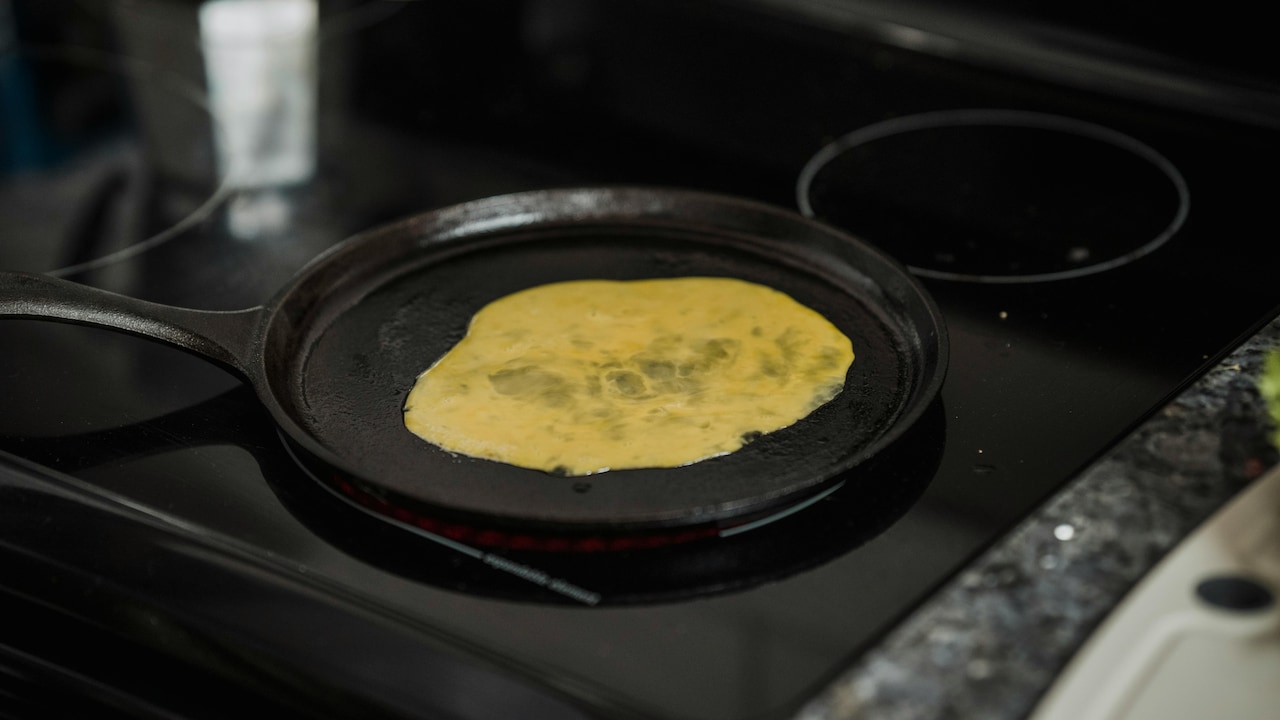
Hard-anodised aluminium pans rarely rely on flashy marketing, yet they quietly deliver impressive durability. The process strengthens aluminium through electrochemical treatment, creating a hard, non-reactive surface that resists scratches and corrosion.
These pans often feature an added non-stick coating on top, combining strength with convenience. The base material itself plays a significant role in longevity. Even if the coating wears slightly, the pan remains usable for years without warping or degrading.
Heat distribution stands out as another advantage. Hard-anodised aluminium heats evenly, reducing hotspots that can damage coatings. This makes it ideal for everyday cooking, from frying to simmering curries.
Durability shines in busy kitchens where cookware faces constant use. Unlike lighter pans, these can handle higher temperatures and occasional rough handling without immediate damage.
Prices typically range between ₹2,500 and ₹6,000, reflecting the added strength and build quality. While they may feel heavier than standard non-stick pans, that weight often signals resilience.
For those seeking a balance between performance and longevity, hard-anodised options often emerge as one of the most dependable choices, especially when paired with sensible cooking habits.
Non-Stick Pan Durability Guide: Which Coatings Actually Last for Years?
Photo Credit: Pexels
Granite Coating: Tough Exterior, Mixed Reality
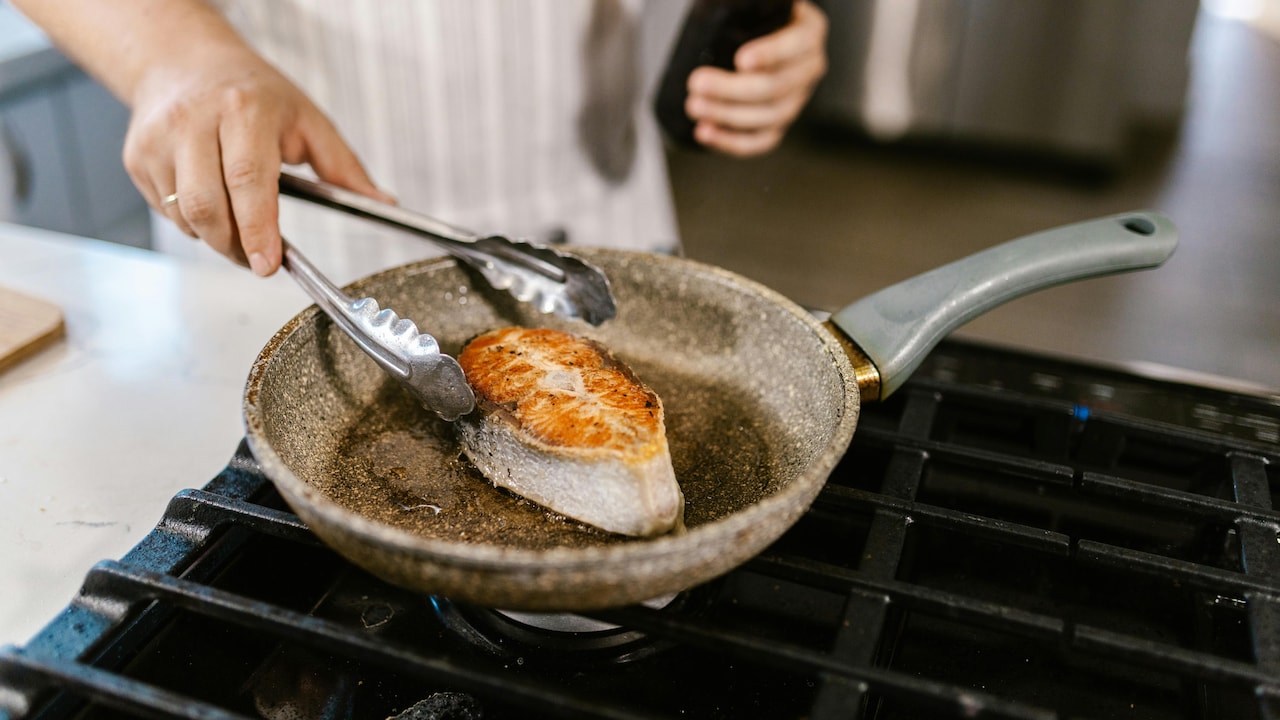
Granite-coated pans have surged in popularity, largely due to their rugged appearance and promises of superior durability. The name suggests natural stone, though the coating usually combines mineral particles with a non-stick base.
These pans feel sturdy in hand and often resist scratches better than standard coatings. The textured surface also adds a layer of protection, making them suitable for slightly rougher use.
However, the term “granite” can be misleading. The durability still depends on the underlying coating technology. Some products use thicker layers, which genuinely last longer, while others rely more on marketing than substance.
Cooking performance tends to remain consistent for a few years, especially when heat levels stay moderate. High heat, though tolerated better than Teflon, can still degrade the non-stick layer over time.
Cleaning proves easy, as food rarely sticks aggressively. Yet, the textured surface may require a bit more attention compared to smoother coatings.
Prices vary widely, from ₹2,000 to ₹7,000, depending on brand and build quality. While granite-coated pans often last longer than basic options, choosing a reputable manufacturer makes all the difference in ensuring that durability matches expectations.
Stainless Steel With Non-Stick Layers: A Hybrid Approach
Some cookware blends stainless steel with non-stick coatings, aiming to offer the best of both worlds. Stainless steel provides strength, while the coating ensures easy cooking. This hybrid approach often appeals to those who want durability without sacrificing convenience.
The base material plays a crucial role here. Stainless steel resists warping and handles high heat exceptionally well. This stability protects the non-stick layer from uneven stress, extending its lifespan.
However, the coating itself remains the limiting factor. Once it begins to wear, the pan gradually behaves more like standard stainless steel. This transition may feel frustrating for those expecting consistent non-stick performance.
Cooking versatility stands out as a major benefit. These pans handle a wide range of dishes, from delicate eggs to high-heat stir-fries. They also adapt well to different stovetops, including induction.
Maintenance requires a balanced approach. Gentle cleaning preserves the coating, while occasional deeper cleaning helps maintain the steel's shine.
With prices often ranging from ₹3,000 to ₹8,000, these pans sit in the premium category. They suit those who value longevity and flexibility, even if the non-stick performance eventually fades over time.
Everyday Habits That Decide Lifespan
Even the best non-stick coating cannot survive careless habits. Daily use shapes durability more than any label or price tag. Small actions, repeated over time, determine whether a pan lasts one year or five.
Heat control remains the most overlooked factor. Many cooking styles favour high flames, yet non-stick surfaces perform best at medium heat. Excessive heat weakens coatings gradually, often without visible damage until performance declines.
Utensil choice also matters. Wooden or silicone spatulas protect the surface, while metal tools create micro-scratches that worsen over time. These tiny marks may seem harmless initially, but they reduce the pan's effectiveness.
Cleaning habits carry equal weight. A hot pan placed under cold water experiences thermal shock, which stresses the coating. Allowing it to cool slightly before washing preserves its structure.
Storage often goes unnoticed. Stacking pans without protection leads to friction and scratches. A simple cloth or separator can extend life significantly.
These habits cost nothing yet deliver lasting benefits. When combined with a good-quality pan, they create a kitchen setup that feels reliable rather than frustrating.
Price Vs Longevity: What Actually Pays Off
Spending more on cookware often feels like a gamble. A ₹1,200 pan that lasts one year versus a ₹5,000 option that lasts four years raises a simple question, what truly offers value?
Cheaper pans often appeal due to immediate savings. They perform well initially, making them tempting choices during sales or quick replacements. However, frequent replacements add up over time, both financially and environmentally.
Mid-range options, typically between ₹2,500 and ₹4,500, often strike a balance. They feature better coatings, improved bonding, and sturdier construction. These pans usually last longer without requiring excessive care.
Premium pans push durability further, but only when used correctly. A ₹7,000 pan subjected to rough handling may not outlast a carefully maintained mid-range one. Price alone does not guarantee longevity.
The key lies in matching the pan to cooking habits. A household that cooks multiple meals daily benefits from investing in stronger materials. Occasional use, on the other hand, may not justify a high-end purchase.
In the long run, value comes from consistent performance rather than upfront cost. A pan that remains reliable for years often proves more satisfying than one that needs frequent replacement.
Signs Your Non-Stick Pan Is Nearing The End
Recognising when a pan has reached its limit helps avoid frustration and uneven cooking. The most obvious sign appears when food starts sticking despite proper oil use. This change often signals that the coating has worn down.
Visual cues also offer clues. Dull patches, discolouration, or slight peeling indicate surface degradation. Even if the pan still works, performance will continue to decline.
Scratches deserve attention as well. Deep marks expose the base material, reducing the non-stick effect and potentially affecting cooking results.
Heat distribution may also shift. Uneven cooking or hotspots suggest that the pan's structure has changed, often due to prolonged high heat or wear.
At this stage, replacement becomes the practical choice. Continuing to use a worn-out pan often leads to more oil usage and inconsistent meals.
Letting go of an old favourite may feel inconvenient, yet it opens the door to better cooking experiences. A fresh pan, chosen wisely, can restore ease and enjoyment in everyday cooking.
Non-Stick Pan Durability Guide: Which Coatings Actually Last for Years?
Photo Credit: Pexels
Products Related To This Article
1. Stahl Artisan Hybrid 2 L, 24 cm Triply Frying Pan with Lid
2. Ember Cookware Arcilla Ceramic Frying Pan 20cm
3. Prestige Non-Stick Fry Pan 20cm
4. CUMIN CO. LITE Cast Iron Fry Pan
5. Hawkins Ceramic Nonstick Frying Pan
A durable non-stick pan does not depend on a single feature. It emerges from a combination of material, coating quality, and everyday care. While Teflon offers smooth performance, ceramic brings a modern touch, and hard-anodised aluminium stands out for resilience. Granite and hybrid options add variety, each with its own strengths.
The real secret, however, lies beyond the label. Thoughtful cooking habits, gentle cleaning, and mindful storage extend a pan's life far more than any marketing claim.
Choosing the right pan becomes less about chasing trends and more about understanding needs. A busy kitchen demands strength, while lighter use allows more flexibility.
In the end, a well-chosen non-stick pan becomes more than just cookware. It turns into a quiet companion in daily routines, making cooking smoother, faster, and a little more enjoyable, year after year.
(Disclaimer: This article may include references to or features of products and services made available through affiliate marketing campaigns. NDTV Convergence Limited (“NDTV”) strives to maintain editorial independence while participating in such campaigns. NDTV does not assume responsibility for the performance or claims of any featured products or services.)