Air Fryers With Viewing Windows: Is It A Genuinely Useful Cooking Feature?
Air fryers with viewing windows promise better control and fewer cooking mistakes. But is the feature genuinely useful or just clever marketing? A closer look at practicality, performance, and everyday cooking reveals the answer.
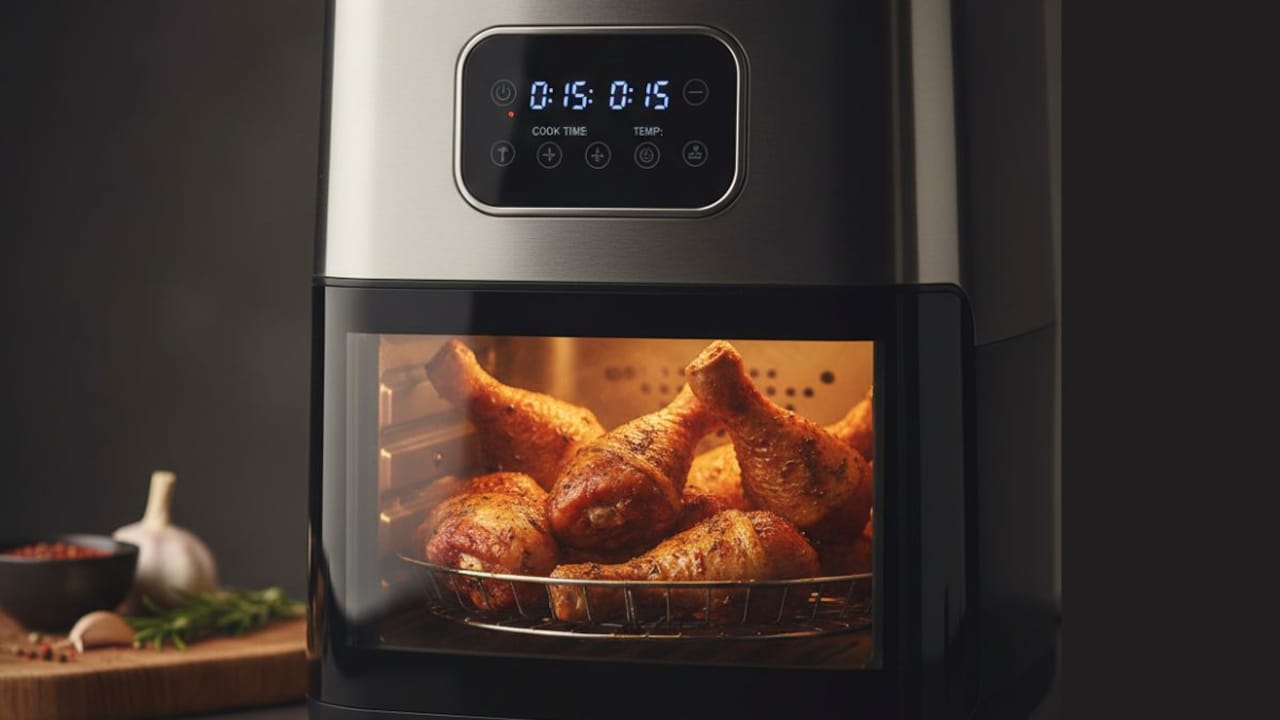
Do Air Fryer Viewing Windows Really Improve Cooking? A Practical Guide For Home Kitchens.
The modern kitchen rarely stays still. Every year brings a new appliance that claims to save time, reduce oil, or simplify cooking. Few gadgets, however, have gained popularity as quickly as the air fryer. From weekday aloo tikkis to late-night frozen snacks and Sunday roast experiments, the appliance has quietly reshaped home cooking habits.
Recently, manufacturers introduced a new twist: air fryers with viewing windows. A small transparent panel, often paired with an internal light, allows cooks to watch food crisp up without opening the basket. The idea sounds simple, almost obvious. After all, ovens have windows. Why not air fryers?
Yet the question remains whether this feature solves a real problem or simply adds visual appeal. Kitchens already struggle with limited counter space and rising appliance costs. Spending an extra ₹2,000–₹5,000 for a window deserves careful thought.
Cooking often balances instinct and observation. The sound of sizzling, the smell of spices, and the colour of browning food guide decisions. Air fryers removed much of that sensory feedback by sealing food inside a drawer. Viewing windows attempt to bring back that connection. Whether they succeed depends on design, habits, and expectations.
The following sections explore the practical reality behind this increasingly popular feature.

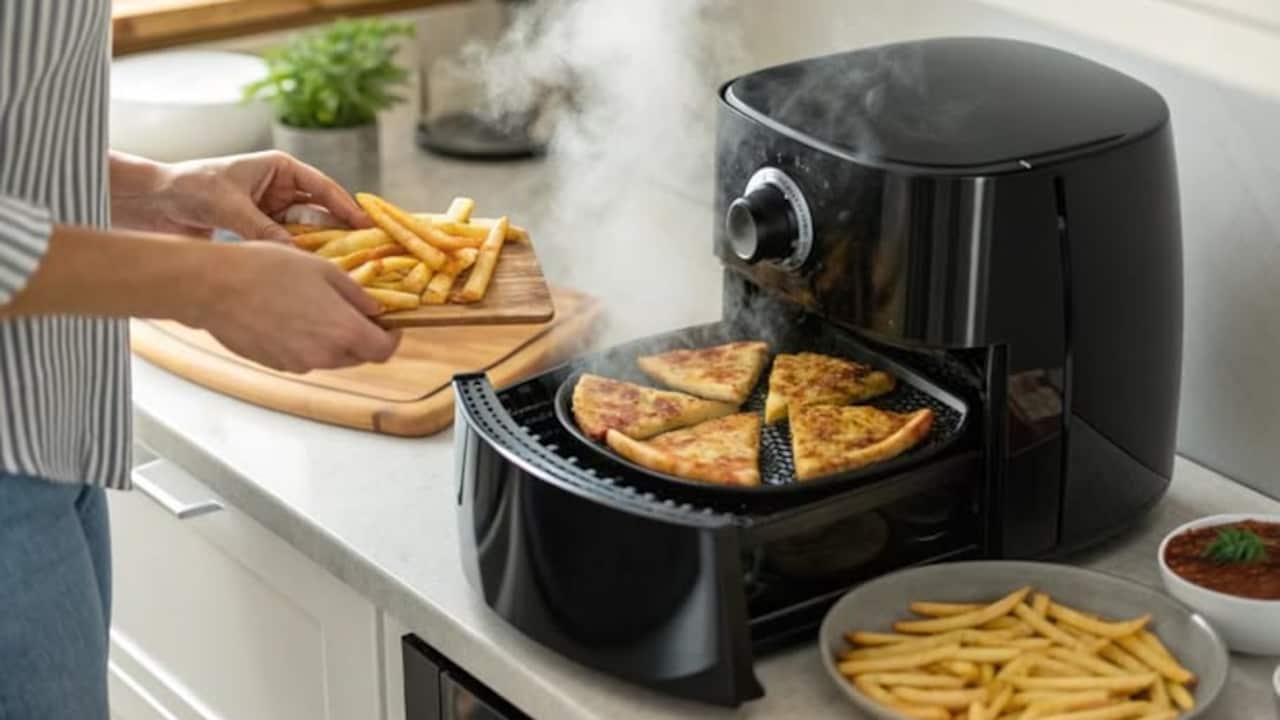
Air Fryers With Viewing Windows: Are They Worth Buying Or Just A Trend?
Photo Credit: Pexels
Why Viewing Windows Are Changing The Air Fryer Experience
The Curiosity Factor: Watching Food Cook Again
Cooking has always carried a sense of anticipation. Waiting near the stove while pakoras turn golden or peeking into the oven during cake baking feels almost ritualistic. Traditional drawer-style air fryers removed that visual moment entirely. Food vanished inside a closed compartment, leaving cooks dependent on timers and guesswork.
Viewing windows restores that lost curiosity. Watching cheese bubble or fries slowly crisp creates reassurance, especially for beginners still learning cooking times. The process feels less mechanical and more engaging. Children often gather around the appliance, fascinated by the transformation happening inside, much like watching popcorn pop in a glass-lidded pan.
This emotional connection matters more than expected. Appliances that feel interactive encourage experimentation. Someone hesitant to try homemade samosas may feel more confident when progress remains visible. Cooking shifts from blind trust in technology to active participation.
However, curiosity alone cannot justify higher prices. A feature must extend beyond entertainment. The real question lies in whether observation leads to better cooking decisions or merely satisfies impatience. For many households, the answer depends on how frequently adjustments happen during cooking.
Reducing The Urge To Open The Basket
One of the biggest mistakes with air fryers involves repeatedly opening the drawer. Every interruption releases hot air, lowers the temperature, and extends cooking time. Anyone who has checked chips “just once more” knows how quickly crispness disappears.
Viewing windows directly address this behaviour. Instead of pulling the basket out every few minutes, cooks simply glance through the panel. The airflow remains stable, allowing food to cook evenly and faster. Over time, this habit improves results without requiring technical knowledge.
Consider weekday evenings when dinner must appear quickly between meetings and errands. Constant checking becomes inconvenient. A quick look through the window offers reassurance without disrupting the process. This small convenience reduces stress during busy routines.
Energy efficiency also benefits slightly. Maintaining consistent heat prevents the appliance from reheating repeatedly. While savings may not drastically reduce electricity bills, the cumulative effect matters over months of daily use.
The feature subtly teaches patience. Observing gradual browning helps users trust cooking cycles instead of rushing them. In that sense, the window works less as decoration and more as behavioural guidance.
Better Control Over Browning And Texture
Cooking success often depends on visual cues. The difference between perfectly roasted paneer and dry rubber lies in seconds, not minutes. Traditional air fryers rely heavily on preset timings, which rarely account for portion size, moisture, or ingredient variation.
Viewing windows allow cooks to judge colour changes in real time. When breadcrumbs turn golden or vegetables caramelise at the edges, adjustments become intuitive. Temperature or time can be altered before food crosses into overcooked territory.
This advantage proves especially useful for foods without standard instructions. Homemade recipes, leftovers, or experimental dishes benefit from visual monitoring. Someone reheating yesterday's parathas, for example, can stop cooking precisely when crispness returns rather than guessing blindly.
Professional chefs often emphasise cooking by sight rather than strict timing. Viewing windows bring that philosophy into compact appliances. The process begins to resemble oven cooking rather than automated reheating.
Still, effectiveness depends on window clarity and lighting. Poor-quality panels fog up quickly, limiting visibility. A well-designed model, however, transforms air frying into a more responsive cooking experience, where judgment replaces rigid timers.
Learning Tool For Beginners And Young Cooks
Many households now include first-time cooks navigating independent living or busy work schedules. Air fryers appeal precisely because they simplify cooking. Yet beginners often struggle with understanding doneness levels.
Viewing windows quietly acts as a teaching tool. Observing how raw ingredients transform into cooked food builds confidence. Seeing oil-free chips gradually crisp teaches timing far more effectively than reading instructions.
Young cooks experimenting with frozen snacks, cutlets, or reheated leftovers gain visual feedback without risk. Even mistakes become educational. Slight over-browning becomes a lesson remembered next time.
Parents also appreciate the feature when introducing teenagers to cooking responsibilities. The appliance feels safer than open flames while still offering a visible cooking process. Watching food encourages attentiveness instead of distraction.
Over time, reliance on preset buttons decreases. Users begin adjusting settings independently, guided by observation rather than manuals. The window, therefore, supports skill development rather than replacing it.
While experienced cooks may rely on instinct already, newcomers often find reassurance in visibility. Confidence grows faster when progress remains visible rather than hidden behind a metal drawer.
Cleaning Realities: Convenience Or Extra Maintenance?
Every kitchen innovation eventually faces a practical test: cleaning. Viewing windows introduce an additional surface exposed to oil splatter and condensation. After repeated use, residue can cloud transparency if neglected.
Some models include removable inner panels or non-stick coatings that simplify wiping. Others require careful cleaning to avoid scratches or fogging. Without maintenance, the window loses purpose quickly.
Yet cleaning challenges are not drastically different from maintaining glass oven doors or microwave panels. A quick wipe after cooking usually prevents stubborn buildup. Regular users often incorporate this step into routine cleanup.
The benefit lies in reduced basket handling. Fewer interruptions during cooking mean less dripping oil on countertops. In that sense, cleaning effort shifts rather than increases.
Still, buyers expecting zero maintenance may feel disappointed. A viewing window demands occasional care to stay useful. Those willing to spend an extra minute cleaning generally find the trade-off reasonable, while others may view it as unnecessary upkeep.
Energy Efficiency And Heat Retention
Energy efficiency rarely dominates appliance marketing conversations, yet rising electricity costs make it increasingly relevant. Air fryers already consume less power than large ovens due to compact heating chambers. Viewing windows contribute subtly to this advantage.
When cooks avoid opening the basket repeatedly, heat retention improves. The appliance maintains consistent internal temperature, reducing reheating cycles. Over weeks of daily cooking, this consistency translates into modest electricity savings.
Consider preparing evening snacks during the summer months when kitchens already feel warm. Minimising heat escape keeps surrounding temperatures comfortable. The appliance works efficiently without radiating excess warmth into the room.
The savings may not dramatically lower monthly bills, perhaps amounting to only a few rupees per use. However, efficiency accumulates over time. Small improvements matter in households where appliances run frequently.
More importantly, consistent heat improves cooking outcomes. Energy efficiency and food quality become interconnected benefits rather than separate advantages.
Safety And Peace Of Mind During Cooking
Safety often influences appliance choices more than features advertised on packaging. Closed air fryers already reduce risks associated with open flames or hot oil. Viewing windows adds another layer of reassurance.
Being able to visually confirm cooking progress reduces anxiety. No need to open the drawer to check whether food burns or smoke develops. A quick glance provides confirmation that everything remains under control.
This proves particularly helpful in homes where multitasking dominates daily routines. Cooking often happens alongside phone calls, homework supervision, or television breaks. Visual monitoring allows attention to shift briefly without abandoning awareness.
Older family members who hesitate to use unfamiliar appliances also benefit. Visibility makes technology feel less mysterious. Watching food cook builds trust in the machine's functioning.
However, safety improvements depend on design quality. Heat-resistant glass and secure sealing remain essential. Reliable models integrate these elements seamlessly, ensuring the window enhances confidence without compromising durability.
Does The Window Affect Cooking Performance?
A common concern involves whether adding a glass panel affects insulation or airflow. After all, air fryers rely on the rapid circulation of hot air. Any structural change could theoretically influence performance.
In well-designed appliances, the window uses tempered, heat-resistant materials engineered to maintain internal temperature. Manufacturers typically position it away from direct airflow paths, preventing disruption.
Tests by home users often reveal negligible differences in cooking speed compared to solid-drawer models. Chips remain crisp, vegetables roast evenly, and baked items rise properly when airflow remains balanced.
Poorly designed models, however, may lose heat faster or develop uneven cooking zones. This issue relates more to overall build quality than the presence of a window itself.
Choosing reputable brands, therefore, matters more than focusing solely on features. A viewing window enhances experience only when integrated thoughtfully into appliance engineering. Otherwise, it risks becoming cosmetic rather than functional.
Price Versus Practical Value
Cost ultimately determines whether a feature feels worthwhile. Air fryers with viewing windows typically cost ₹2,000–₹5,000 more than comparable basic models. For budget-conscious buyers, that difference matters.
The decision depends on usage frequency. Someone cooking daily may appreciate the convenience enough to justify the expense. Reduced checking, better results, and added enjoyment accumulate value over time.
Occasional users who prepare frozen snacks once a week may not notice significant benefits. Timers alone may suffice for predictable cooking routines.
Psychological satisfaction also plays a role. Appliances that feel enjoyable encourage home cooking, potentially reducing food delivery expenses. Even saving ₹300–₹400 weekly on takeaway quickly offsets the initial price difference.
Rather than viewing the window as a luxury, it helps to consider cooking habits. Frequent experimentation and diverse meals favour the feature, while routine reheating may not require it.
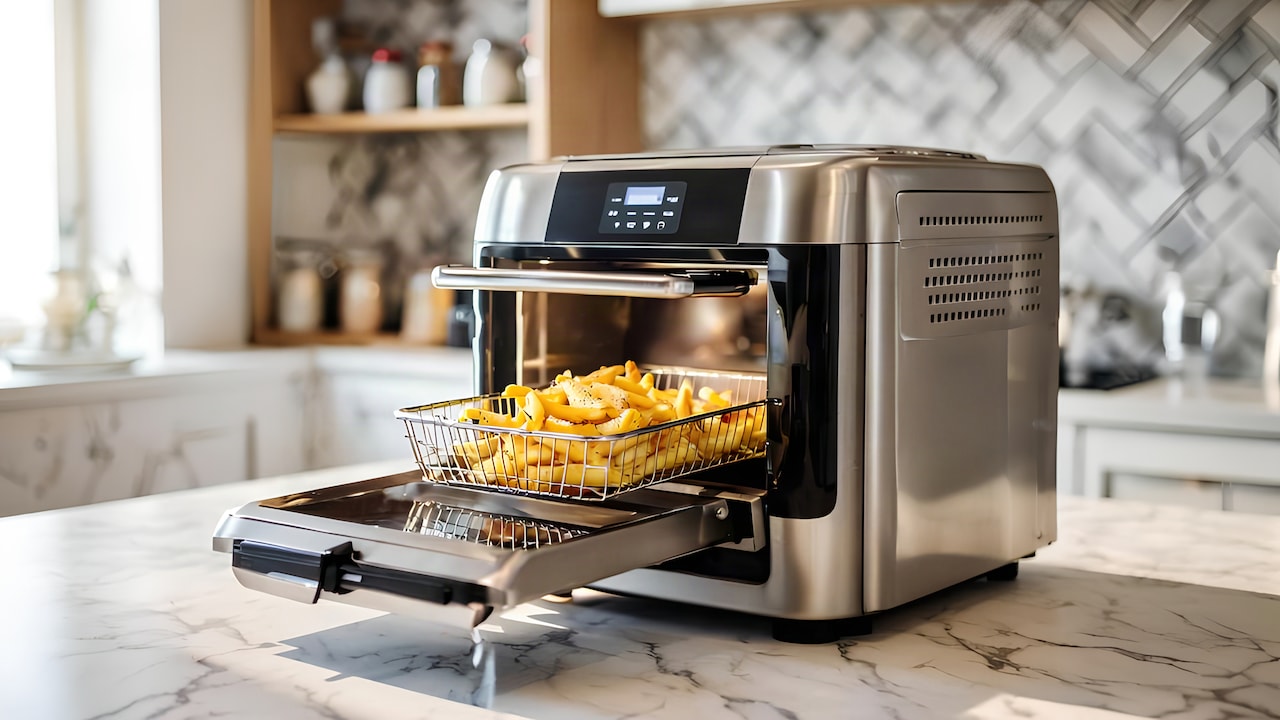
Air Fryers With Viewing Windows: Are They Worth Buying Or Just A Trend?
Photo Credit: Pexels
The Emotional Side Of Modern Cooking
Beyond practicality lies an unexpected aspect: emotional connection. Modern appliances often prioritise efficiency over experience. Cooking becomes automated, quick, and detached.
Viewing windows reintroduces a sense of participation. Watching food transform sparks anticipation similar to traditional cooking methods. The process feels less like pressing buttons and more like creating something.
During festivals or family gatherings, people naturally gather around visible cooking activity. The window turns an otherwise silent appliance into a small focal point. Conversations begin with simple observations: “Almost ready,” or “Look at that colour.”
Such moments may seem trivial, yet they shape how cooking fits into daily life. Appliances that invite interaction often remain in regular use instead of gathering dust.
In busy urban lifestyles where meals compete with deadlines, restoring small joys around cooking carries genuine value. The viewing window quietly bridges technology and tradition without demanding extra effort.
Products Related To This Article
1. Nutricook 5L Air Fryer Slim (2025) with 100% Toxin-Free Ceramic Coating
2. Havells Prolife Brio Air Fryer 4.2 L
3. Milton Rapid Digital Air Fryer 5L
4. SOLARA Air Fryer For Home 4.5L with See Through Window
5. PHILIPS Air Fryer NA231/00 with touch panel
6. Cookwell Air Fryer - 5L With See Through Window
7. KENT Digital Air Fryer 8L | 1700W | Bake, Grill & Roast
Air fryers with viewing windows may appear like a minor upgrade, yet their impact reaches beyond aesthetics. By restoring visibility, they reduce guesswork, encourage better cooking habits, and make the process more engaging. The feature helps beginners learn faster while offering experienced cooks finer control over texture and browning.
The advantages remain practical rather than revolutionary. Cooking performance largely stays the same, and the feature demands occasional cleaning. For users satisfied with preset timers, a standard model works perfectly well.
However, households that cook frequently, experiment with recipes, or simply enjoy watching food come alive may find genuine value in the transparent design. The added cost often translates into convenience, confidence, and a more satisfying cooking experience.
In the end, the viewing window succeeds not because it changes how air fryers cook, but because it changes how people interact with cooking itself. Sometimes, seeing progress makes all the difference between routine meal preparation and a moment worth savouring.
(Disclaimer: This article may include references to or features of products and services made available through affiliate marketing campaigns. NDTV Convergence Limited (“NDTV”) strives to maintain editorial independence while participating in such campaigns. NDTV does not assume responsibility for the performance or claims of any featured products or services.)