10 Reasons Pressure Cooker Handles Become Loose And How To Stop Them Wobbling
A wobbly pressure cooker handle is more than a minor kitchen annoyance. From loose screws and heat damage to worn fittings, here are 10 common reasons cooker handles loosen and what can help keep them secure.
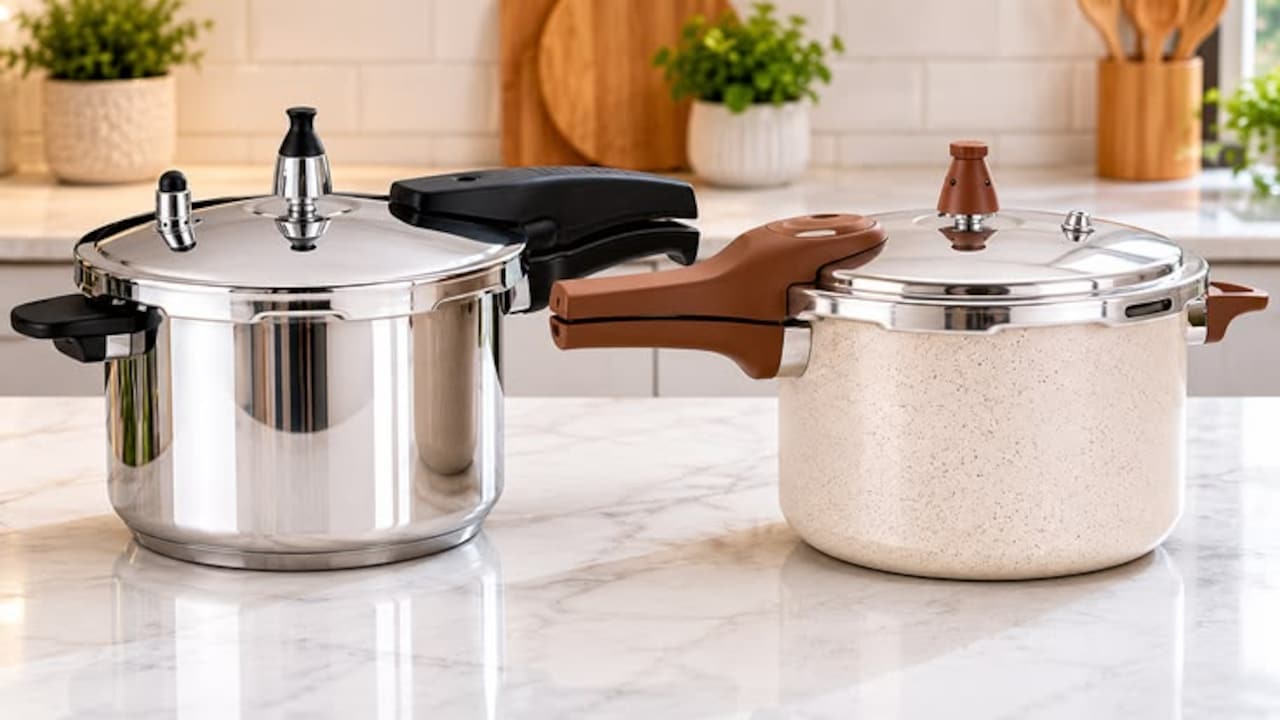
10 Reasons Pressure Cooker Handles Become Loose And How To Stop Them Wobbling
Pressure cookers deal with more action than most utensils in the kitchen. They sit over high heat, build pressure, get lifted while holding heavy dals and curries, and often go through this routine several times a week. So, when the handle develops a slight wobble, it can seem like ordinary wear and tear. That little movement deserves attention, though. A pressure cooker handle works as a structural part of the appliance, not merely somewhere convenient to hold it. Once the connection becomes loose, lifting a full cooker can feel uncertain. Worse, repeatedly using a noticeably unstable handle may place additional strain on the screws, brackets, and surrounding fittings. The confusing part is that tightening the visible screw doesn't always solve the problem. Sometimes the screw loosens again after a few cooking sessions. In other cases, the handle itself has worn internally or the problem sits where the handle meets the cooker body. So, why does a once-solid pressure cooker handle start behaving like a shaky cupboard knob? These ten common causes explain what may be happening and, more importantly, how to prevent that wobble from becoming worse.
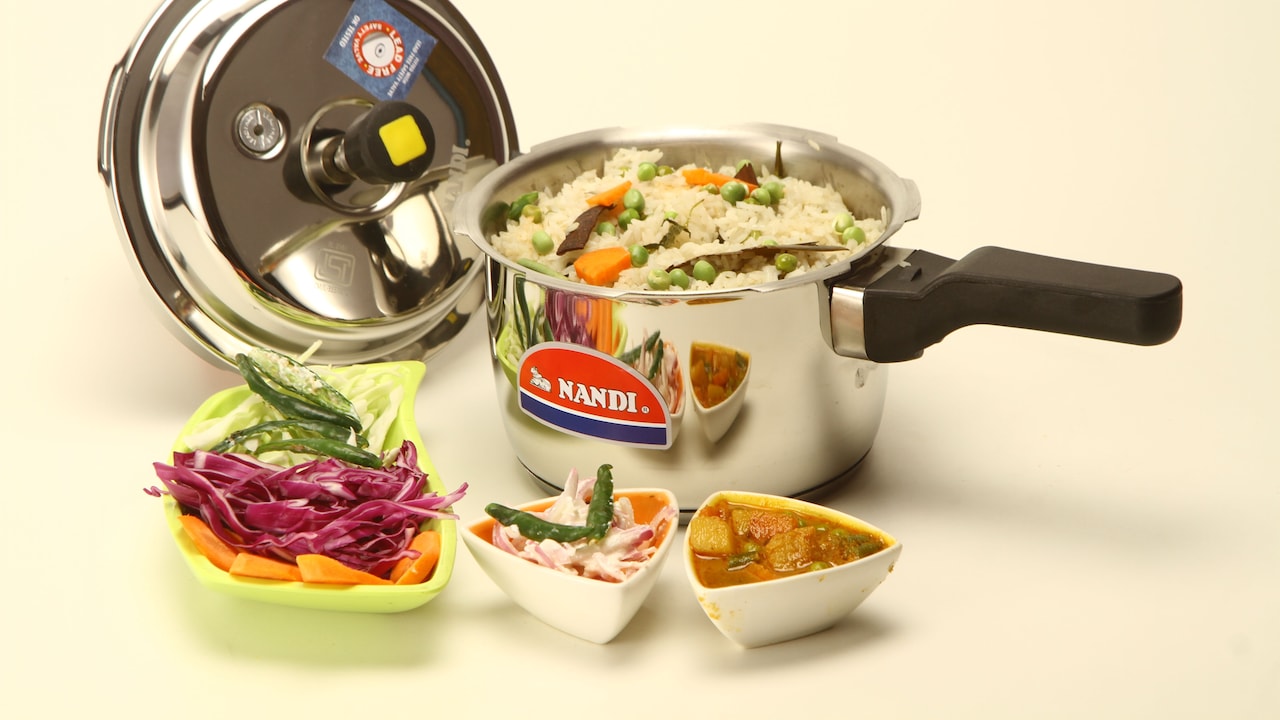
10 Reasons Pressure Cooker Handles Become Loose And How To Stop Them Wobbling; Photo Credit: Pexels
Why Pressure Cooker Handles Loosen Over Time
1. Repeated Heating And Cooling Can Gradually Loosen The Screws
A pressure cooker may look unchanged after every meal, but its components experience constant temperature shifts. During cooking, the metal body becomes hot and expands slightly. Once the cooker cools, it contracts again. This expansion and contraction happens repeatedly over months and years.
The handle materials don't necessarily react to heat at the same rate. The metal body, screw, and heat-resistant handle can expand differently. Tiny movements around the fastening point may gradually reduce tension in the screw. Eventually, a handle that once felt completely rigid develops that familiar little wiggle.
This explains why tightening a cooker handle may fix the problem temporarily, only for the wobble to return later.
Checking the handle periodically can prevent it from reaching that stage. Do this only when the cooker sits completely cool and depressurised. If a screw has loosened slightly, careful tightening with the correct screwdriver may restore stability. Avoid excessive force, though. Tightening until the screwdriver begs for mercy can damage the threads or crack the handle rather than make it safer.
Also Read: Top 5 Pressure Cookers For Faster And Easier Everyday Cooking
2. Lifting A Heavy Cooker By One Handle Puts Extra Stress On The Joint
Picture a large cooker filled with rajma, stock or several portions of dal. The cooker itself already has weight, and the food adds considerably more. Picking the whole thing up using only the main handle places substantial leverage on one relatively small attachment point.
Do this regularly and the fastening system absorbs repeated pulling and twisting forces. Even if the handle doesn't loosen immediately, screws and mounting points can gradually shift.
The risk becomes greater with larger cookers. A nearly full cooker can feel surprisingly heavy, especially when moving it from the hob to a counter. Jerking it upwards or carrying it at an angle adds even more stress.
Whenever the cooker design provides a helper handle on the opposite side, use both handles for carrying heavier loads after the cooker has been fully depressurised and cooled enough to handle safely. Two-handed lifting distributes the weight far more evenly.
Also, avoid using the handle to swing or sharply reposition the cooker. A pressure cooker isn't a frying pan, even if that dramatic chef-style wrist movement feels tempting.
3. The Handle Screw May Have Lost Its Grip
Sometimes the handle isn't really the problem. The screw holding it in place simply can't maintain enough grip.
Screws rely on properly formed threads to stay secure. After repeated tightening, loosening or years of use, those threads can wear. A damaged screw may appear tight initially but gradually work its way loose again. The corresponding threaded fitting can also suffer wear, making repeated tightening increasingly ineffective.
One clue appears when the same screw needs attention unusually often. If the handle becomes loose again after only a few uses, don't automatically keep tightening it harder. That approach may worsen worn threads.
Remove and inspect components only if the cooker manufacturer's instructions allow you to do so. A visibly worn, damaged or corroded screw usually needs proper replacement rather than improvisation.
Most importantly, match replacement hardware to the exact cooker model whenever possible. A random screw from the household toolbox might fit through the hole but still have the wrong thread, length or material. Pressure cookware isn't the ideal place for a "close enough" repair.
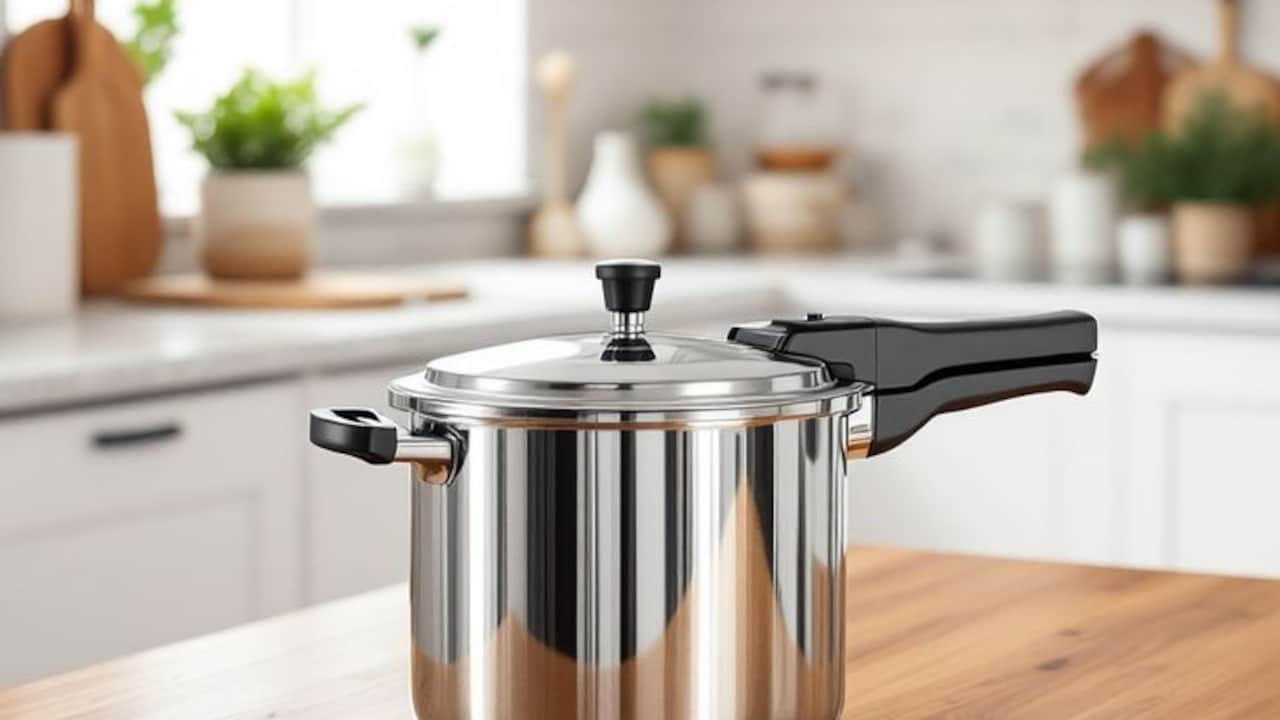
10 Reasons Pressure Cooker Handles Become Loose And How To Stop Them Wobbling; Photo Credit: Pexels
4. Overtightening Can Crack Or Distort The Handle
A loose screw naturally creates one instinct: tighten it harder. Then perhaps give it another turn for good measure. Unfortunately, maximum tightness doesn't always mean maximum security.
Many cooker handles use heat-resistant polymers such as Bakelite-type or other thermosetting materials. These materials tolerate cooking temperatures well, but excessive mechanical force can still damage them. Overtightening a screw may compress the mounting area, enlarge the screw hole or produce tiny cracks around the fastening point.
Once that happens, the screw can remain perfectly tight while the handle itself still moves.
This type of damage can be deceptive. A tiny internal crack might not appear obvious from the outside, yet the handle may feel increasingly flexible whenever the cooker gets lifted.
Use firm but controlled pressure when tightening handle screws. Stop once the handle sits securely without movement. If tightening no longer removes the wobble, inspect the handle rather than applying additional force.
A cracked handle needs replacement. Glue, tape or homemade fillers may look clever for five minutes, but a component used to lift a hot, heavy cooker deserves something more dependable.
5. Heat Exposure Can Weaken The Handle Around Its Mounting Point
Pressure cooker handles resist heat, but that doesn't make them invincible. Direct flame exposure can gradually damage them, particularly around the section closest to the cooker body.
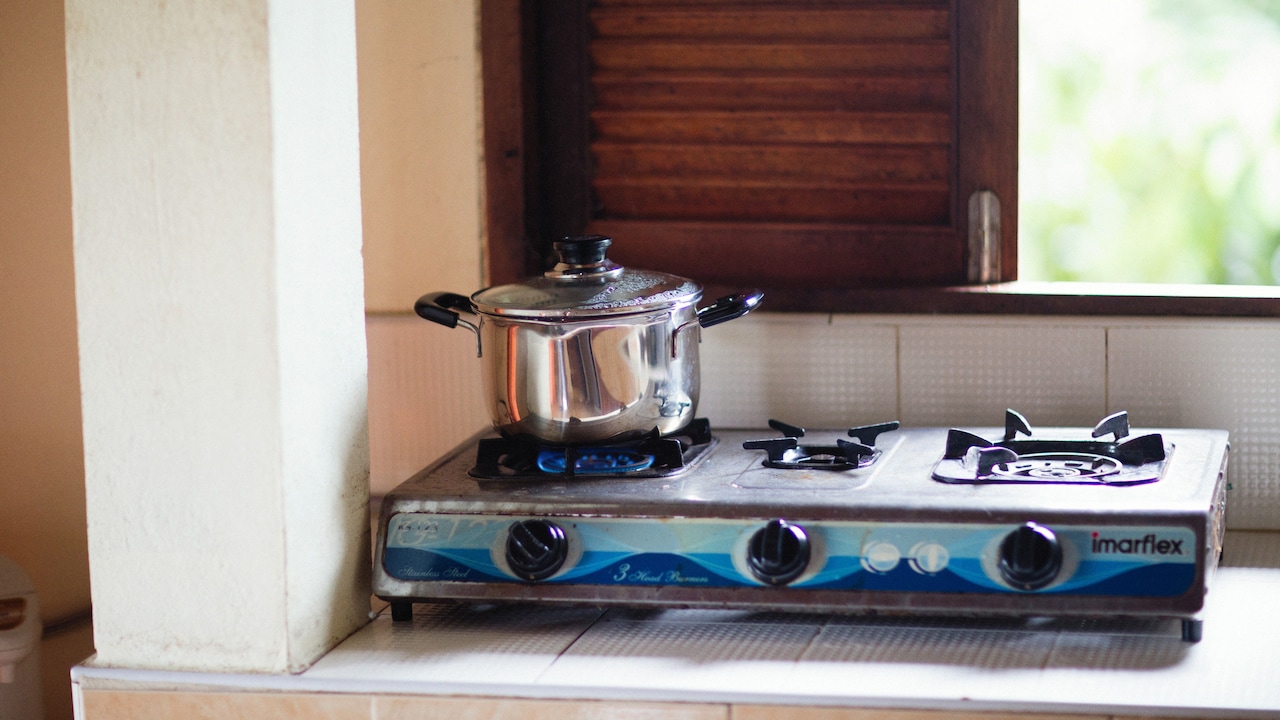
This often happens when a gas flame extends beyond the base of the cooker. Instead of heating only the metal bottom, the flames curl around the sides and reach the handle connection. Repeated exposure may cause discolouration, warping, brittleness or weakening around the mounting hole.
A slightly distorted handle no longer sits flush against the cooker body. That creates movement, even when the screw remains reasonably secure.
Choose a burner that matches the diameter of the cooker base and keep flames underneath the vessel rather than licking up its sides. High heat isn't always necessary either. Once the cooker reaches operating pressure, many recipes require lower heat to maintain it.
Inspect the section nearest the cooker body if wobbling develops alongside browning, unusual roughness, cracking or deformation. Heat-damaged handles should generally be replaced rather than tightened repeatedly.
6. Grease And Food Residue Can Collect Around The Handle Fitting
Pressure cookers don't live particularly tidy lives. Dal bubbles, masala splashes, cooking oil travels farther than physics seems reasonable, and tiny bits of food find their way into every awkward crevice.
Over time, oily residue can collect around the handle mounting area. Dirt trapped between surfaces may prevent the handle from sitting evenly against the cooker body. It can also make checking screws difficult because grease hides small gaps or movement around the connection.
This problem often develops gradually, especially when only the visible exterior gets wiped after cooking.
Clean around the handle joint regularly once the cooker is completely cool. Follow the manufacturer's cleaning instructions and avoid immersing parts that aren't designed for prolonged soaking. A small soft brush can help reach narrow gaps without scratching the cooker.
While cleaning, inspect the joint. The handle should sit evenly against its mounting point without unusual gaps.
Keeping this area clean won't magically repair worn hardware, but it makes early changes easier to spot. Think of it as housekeeping with a useful side effect: fewer mysterious wobbles and considerably less archaeological masala around the handle.
7. The Handle May Have Developed An Enlarged Screw Hole
A handle can loosen even when both the screw and metal fitting remain usable. The problem may lie inside the handle itself.
Repeated movement places friction around the hole through which the screw passes. If the handle has been loose for some time, every lift allows the screw or fitting to move slightly against the surrounding material. Eventually, that hole can become wider than intended.
At that point, simply tightening the screw may not eliminate movement. The screw becomes secure, but the handle still has enough space around the fitting to shift.
This is one reason a small wobble shouldn't remain ignored for months. Movement tends to create more movement by wearing the surrounding material.
If the screw appears tight but the handle still rocks noticeably, inspect the mounting hole and surrounding structure. Replacement usually makes more sense than stuffing the gap with makeshift materials.
Washers, cardboard pieces, glue or other household fixes can interfere with the way the handle sits and may not tolerate heat well. An inexpensive proper replacement handle generally offers far more reassurance than a creative repair assembled beside the kitchen drawer.
10 Reasons Pressure Cooker Handles Become Loose And How To Stop Them Wobbling; Photo Credit: Pexels
8. Dropping Or Knocking The Cooker Can Shift The Handle Assembly
Not every loose handle develops slowly. Sometimes one memorable kitchen accident does the job.
A cooker slipping against the sink, falling onto the floor or hitting the edge of a granite counter can transfer considerable force through the handle. Even when the vessel survives with little more than a dent or dramatic noise, the mounting system may shift.
The screw can loosen, the handle can crack internally or the metal bracket connecting the handle to the cooker body can become slightly distorted. A misaligned bracket may produce wobbling that tightening alone cannot fix.
After any significant fall or impact, inspect more than the obvious dent. Check both handles, the lid locking mechanism, gasket area, valves and body for abnormalities before using the cooker again.
If the handle suddenly sits at a different angle or develops movement directly after a fall, don't assume the screw simply needs another turn.
Pressure cookers depend on several components fitting together correctly. When impact has damaged structural or pressure-related parts, follow manufacturer guidance or use an authorised service option rather than experimenting at home.
9. Ageing Handle Material Can Become Brittle And Less Stable
A favourite pressure cooker can stay in a kitchen for years. The metal body may still look ready for another decade, but non-metal components don't necessarily age at the same pace.
Repeated heat exposure, washing, cooking vapours and everyday handling can gradually change the properties of the handle material. An older handle may become dull, brittle or slightly warped. Fine cracks can develop around screw holes and mounting points where mechanical stress concentrates.
This ageing often explains a handle that keeps loosening despite perfectly reasonable screw maintenance.
Look beyond wobbling itself. Surface cracks, chips, powdery areas, burnt patches or unusual flexibility all suggest the handle may have reached the end of its useful life.
Replacing the handle can extend the service life of an otherwise sound cooker, provided the manufacturer supports replacement parts for that model.
There's no prize for squeezing another six months out of a visibly deteriorating handle. Kitchen equipment earns its keep by being dependable. Once carrying a pot of steaming food starts feeling like a trust exercise, a new handle becomes a sensible maintenance expense rather than an unnecessary purchase.
10. Incorrect Replacement Parts Can Create A Permanent Wobble
Replacement handles may look deceptively universal. Two black cooker handles can appear almost identical on a shop shelf or online listing, yet small differences in screw placement, mounting angle, length and connection design matter.
A handle made for another model may attach well enough to seem usable but fail to sit completely flush against the cooker body. The resulting gap creates movement. Tightening the screw harder doesn't solve a shape mismatch; it simply puts additional pressure on the wrong parts.
The same issue can occur when using an incompatible screw or fastening component. A screw that's slightly too long, short, narrow or differently threaded may never create the secure connection the cooker requires.
When replacing a handle, check the brand, model, cooker capacity and part compatibility rather than choosing by appearance alone. Manufacturer-approved or explicitly compatible components remove much of the guesswork.
After installation, test the handle while the cooker remains empty and cool. It should feel solid without twisting or rocking.
A replacement part should restore confidence, not turn every trip from the hob to the counter into a cautious two-metre balancing act.
Products Related To This Article
1. Stahl Xpress Triply 3.5 L Triply Pressure Cooker Pan
2. Butterfly Trion Triply 3L Pressure Cooker
3. Pigeon by Stovekraft Hard Anodised Aluminium Inner Lid Cooker
4. SOLARA Triply Stainless Steel Pressure Cooker 3 L
5. Stahl Xpress Triply 3 Liters Broad & 5 Liters Tall Pressure Cooker Combo
6. Lifelong Stainless Steel Pressure Cooker 5Liters
7. Prestige 3 Litre Aluminium Nakshatra Duo Inner Lid Pressure Cooker
A loose pressure cooker handle usually starts with something small: a screw shifting after repeated heating, years of lifting, heat exposure or simple material wear. Catching that movement early makes maintenance much easier.
Keep flames away from handles, carry heavier cookers with proper support, clean around fittings and inspect screws periodically when everything is cool. More importantly, know when tightening isn't enough. Cracked, warped or badly worn handles need proper replacement. A cooker can happily whistle through countless meals, but its handles shouldn't join in with a wobble of their own.
(Disclaimer: This article may include references to or features of products and services made available through affiliate marketing campaigns. NDTV Convergence Limited (“NDTV”) strives to maintain editorial independence while participating in such campaigns. NDTV does not assume responsibility for the performance or claims of any featured products or services.)













![Steam Iron Teflon Shoe Cover for ES-300,ST-96 [Only For ES-300 and ST-96 Model Electric Steam Irons]](https://m.media-amazon.com/images/I/51wwkttondL._SL160_.jpg)