10 Reasons Wooden Beds Keep Squeaking Even When Every Screw Feels Tight
Tightened every screw but the bed still announces every turn at night? The noise may have little to do with loose hardware. From shifting joints to rubbing slats, here are 10 less-obvious reasons wooden beds keep squeaking.

10 Reasons Wooden Beds Keep Squeaking Even When Every Screw Feels Tight
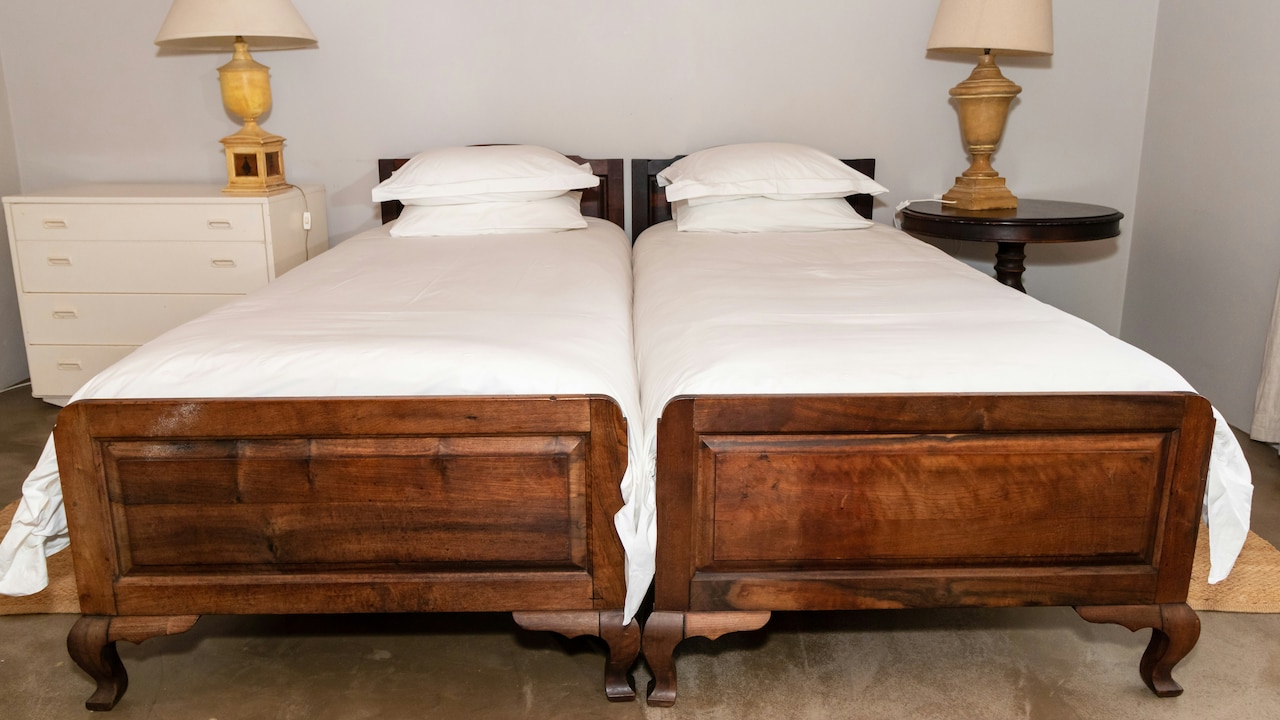
There's something particularly irritating about a bed that looks perfectly sturdy but sounds like it has opinions about every movement. Turn to the other side, and there's a creak. Sit down to put on your daily-wear slippers, and another squeak answers back. Naturally, the screwdriver comes out first. Every bolt gets tightened, every visible screw gets checked, yet the midnight soundtrack continues. That's because a wooden bed doesn't rely on screws alone. It works as a structure made up of joints, slats, rails, brackets and large pieces of timber that constantly respond to weight, temperature and humidity. Noise often starts where two surfaces move against each other, even by a fraction of a millimetre. Before tightening the same screw for the fifth time, it helps to work out exactly where that stubborn squeak might actually be coming from.

10 Reasons Wooden Beds Keep Squeaking Even When Every Screw Feels Tight; Photo Credit: Pexels
Why A Tight Bed Frame Can Still Make So Much Noise
1. The Wooden Joints Have Developed Tiny Gaps
A screw can feel completely tight while the wooden pieces around it still move. This happens because timber naturally expands and contracts as moisture levels change. Over months or years, a joint that once fitted snugly may develop an almost invisible gap.
The movement doesn't need to look dramatic. When someone lies down, turns over or sits near the edge, body weight can push the two wooden surfaces against each other. That tiny shift creates friction, producing the familiar squeak or creak.
Mortise-and-tenon joints, dowel connections and areas where the side rails meet the headboard or footboard commonly develop this problem. Tightening a nearby bolt may compress the joint slightly, but it won't always eliminate movement inside it.
Try pressing different parts of the empty frame while listening closely. If the noise appears around one particular joint, the problem may lie between the wooden surfaces rather than inside the screw hole. Sometimes, a little furniture wax or a suitable dry lubricant between contact points helps more than another aggressive round with the screwdriver.
Also Read: What Do You Think Of Upgrading Your Bed With 5 Single And Double Size Beds This Festive Season?
2. The Bed Slats Are Rubbing Against The Frame
Slats quietly do a lot of work. They carry the mattress, distribute weight and flex every time someone gets into bed. Unfortunately, that also makes them one of the most common sources of unexplained squeaking.
Wooden slats usually rest directly on supporting ledges along the side rails. When body weight shifts, each slat can move slightly against those ledges. Wood rubbing against wood creates friction, particularly when the surfaces become dry or polished through years of movement.
The tricky part? None of the screws need to be loose.
Remove the mattress and press down on each slat individually. A troublesome slat often reveals itself immediately. Pay special attention to areas around the hips and shoulders, where the bed carries more weight during sleep.
Felt strips, thin pieces of fabric or purpose-made anti-slip pads between the slats and their supports can reduce friction. Some people reach for oil, but oily products may stain timber or attract dust. A dry barrier often provides a cleaner, longer-lasting solution without turning the underside of the mattress into a woodworking experiment.
3. One Slat Has Started To Bow Or Warp
Not every noisy slat squeaks because it's rubbing. Sometimes the slat itself has changed shape.
Wood reacts to moisture, heat and prolonged pressure. Over time, a previously straight slat may develop a slight bend, twist or curve. It can still look perfectly usable at first glance, but once someone lies on the bed, that distorted section may flex differently from the others.
It might press against the frame, touch another slat or repeatedly shift inside its holder. Each movement can create a squeak, click or occasional sharp creak.
Take the mattress off and inspect the slats from the side rather than only looking down at them. A warped slat becomes much easier to spot from this angle. Also check whether each slat sits at roughly the same height.
Rotating a slightly bowed slat may sometimes change how it carries weight, but severely warped or cracked pieces usually need replacement. Leaving one weak slat in place can also put extra pressure on neighbouring slats, turning one small squeak into an entire percussion section beneath the mattress.

10 Reasons Wooden Beds Keep Squeaking Even When Every Screw Feels Tight; Photo Credit: Pexels
4. The Centre Support Is Moving Slightly
Larger wooden beds often include a central beam running from the headboard towards the footboard. This support may also have one or more legs touching the floor. Because the mattress hides it, the centre beam often escapes suspicion when squeaking starts.
Yet it carries a considerable amount of weight.
If the centre support shifts even slightly when someone climbs into bed, its connections can rub against the frame. The supporting leg underneath may also scrape against hard flooring or repeatedly lift and settle if the floor isn't completely level.
The quickest test involves removing the mattress and applying downward pressure along the centre beam. Listen near its connection points as well as underneath each support leg.
Check whether every centre leg firmly reaches the floor. A gap of only a few millimetres can allow the beam to flex before the leg makes contact.
A proper furniture shim can correct small height differences. Avoid stuffing folded cardboard underneath as a permanent solution. It compresses over time, absorbs moisture and eventually leaves the bed wobbling again.
5. The Floor Is Making The Frame Twist
Sometimes the bed isn't really the problem. The floor underneath it is.
Very few bedroom floors remain perfectly level across every centimetre, particularly in older homes. Tiles can vary slightly in height, wooden flooring can shift, and even a seemingly flat surface may have subtle dips.
If one bed leg sits slightly higher than another, the frame can twist under load. That distortion puts extra pressure on joints and rails. Someone turns over at night, the frame flexes, and suddenly a perfectly tight connection starts creaking.
Test this by pushing gently on different corners of the empty bed. If one leg rocks or lifts, uneven floor contact deserves attention.
A proper furniture levelling pad or durable shim can stabilise the affected leg. Rugs can create similar trouble, especially when two legs sit on a thicker section while the others sit directly on the floor.
So, before dismantling half the bed in frustration, check underneath it. The mysterious squeak may simply be the frame trying to balance itself on an uneven surface.
6. Metal Hardware Is Rubbing Against Wood
A wooden bed may look mostly wooden, but plenty of models contain hidden metal hardware. Brackets, bolts, washers, corner plates and rail hooks help hold the structure together.
These components can create noise even when they're tightly fastened.
A washer pressed firmly against unfinished timber may shift microscopically as the frame flexes. Similarly, metal rail brackets can rub inside wooden recesses. The resulting squeak often sounds as though it's coming from the timber itself, making the source surprisingly difficult to identify.
Look closely around brackets and washers for polished spots, fine wood dust or dark marks. These can reveal repeated friction.
A small amount of beeswax or suitable dry lubricant around the contact area may help. Don't soak hardware with household oil, especially near upholstered sections or the mattress.
Also inspect whether washers sit flat. A bent washer or bracket can remain technically “tight” while still moving under changing pressure. In such cases, tightening harder isn't the answer. Correcting the alignment usually makes a much bigger difference.
10 Reasons Wooden Beds Keep Squeaking Even When Every Screw Feels Tight; Photo Credit: Pexels
7. The Headboard Is Moving Against The Wall
That dramatic creak near the head of the bed may not come from the frame at all.
A headboard positioned close to a wall can touch it whenever the bed moves. Even gentle shifting during sleep may cause timber, upholstery or decorative trim to rub against painted plaster. The sound then travels through the frame, making it seem as though a joint near the headboard has failed.
Check the gap between the wall and headboard. Pay attention to skirting boards too. A bed may look several centimetres away from the wall higher up while one lower section still touches the skirting.
Pull the bed forward slightly and test it again. If the squeaking disappears, the culprit has been found without removing a single screw.
Soft felt pads placed at potential contact points can also prevent repeated rubbing while protecting the wall from marks.
This issue becomes especially noticeable with tall wooden headboards because their height gives small movements more leverage. A tiny shift at mattress level can become a much larger movement at the top.
8. Dry Wood Is Creating More Friction
Wooden furniture changes with the seasons, and beds are no exception.
During drier periods, timber loses some moisture and may contract slightly. Joints that once remained snug can become less precise, while dry contact surfaces may create more friction when they move. During humid weather, the opposite can happen as wood absorbs moisture and expands.
That's why a bed may squeak loudly for a few months, mysteriously quieten down later, then start again.
Air conditioning can also influence indoor humidity. A bedroom that stays cool for long periods may become considerably drier than another room in the same home.
This doesn't mean the bed needs regular soaking with polish. Excess moisture can create entirely new problems. Instead, inspect exposed timber for dryness, roughness or tiny gaps around joints. Suitable furniture wax can reduce friction at specific contact points, while maintaining reasonably stable indoor humidity may limit extreme movement.
Seasonal squeaking can feel bizarre, especially when nothing on the bed has visibly changed. Yet the frame may quite literally be changing dimensions by tiny amounts throughout the year.
9. The Mattress Is Making The Noise Instead
Wooden frames have a habit of receiving blame for noises they didn't make.
A spring mattress can squeak when internal coils rub, shift or lose tension. Hybrid mattresses may also contain spring systems capable of producing creaks under pressure. Because the mattress sits directly on the frame, the sound travels through the timber and seems to come from somewhere underneath.
The simplest test is surprisingly effective: remove the mattress.
Press, rock and sit carefully on different areas of the bare frame. If the bed suddenly becomes quiet, place the mattress on the floor and push down on different sections. A squeak that follows the mattress points towards an internal problem rather than the bed.
Also check the mattress base if the setup includes one. Box-style foundations and storage bases may contain their own joints, springs or wooden panels.
This little investigation can save plenty of unnecessary tightening. Otherwise, it's easy to spend an entire afternoon adjusting a perfectly healthy wooden frame while the actual culprit waits innocently on the other side of the room.
10. The Bed Frame Has Developed A Hairline Crack
This is the possibility worth checking carefully.
Wood can develop fine cracks around screw holes, joints, slat supports and high-stress areas. At first, a hairline crack may barely show. Under weight, however, it can open slightly and close again, creating a sharp squeak or creak.
A crack can also explain why tightening a screw appears to help temporarily. The added pressure holds the damaged area together for a while, but regular movement eventually brings the noise back.
Use a torch and examine the frame closely, particularly near corners, central supports and places where hardware enters the timber. Look for thin dark lines, separating wood fibres or fresh-looking splinters.
Avoid repeatedly tightening screws around a cracked section. Excess force can widen the damage or strip the surrounding wood.
Small cracks may be repairable with appropriate wood glue and clamping, depending on their location. Structural damage to major rails, legs or central supports deserves professional attention or replacement. A noisy bed is annoying. A compromised support structure is something else entirely.
Products Related To This Article
1. SONA ART & CRAFTS Kuber Solid Sheesham Wood King Size Bed with Storage Box
2. Ganpati Arts Sheesham Wood Swiss Queen Size Bed with Box Storage
3. Solid Sheesham Wood Queen Size Bed Without Storage
4. Ganpati Arts Solid Sheesham Wood Maharaja King Size Bed with Headboard and Box Storage Wooden Double Bed
5. TG Furniture Solid Sheesham Wood Maldives Poster Bed
6. STRATA FURNITURE Solid Sheesham Wood Queen Size Bed with Box Storage
7. Kunjal Furniture Solid Sheesham Wood King Size Bed with Box Storage
A squeaking wooden bed isn't automatically a loose-screw problem. Noise can travel through the frame from slats, joints, brackets, flooring, the headboard or even the mattress, which explains why tightening every visible fitting sometimes achieves absolutely nothing.
Instead of reaching straight for the screwdriver, strip the bed back and test one section at a time. Listen carefully, apply pressure methodically and look for movement where two surfaces meet. Once the real source appears, the fix is often surprisingly simple. And after enough nights of squeak-turn-squeak, genuine silence might feel like the most luxurious bedroom upgrade of all.
(Disclaimer: This article may include references to or features of products and services made available through affiliate marketing campaigns. NDTV Convergence Limited (“NDTV”) strives to maintain editorial independence while participating in such campaigns. NDTV does not assume responsibility for the performance or claims of any featured products or services.)