How To Protect Houseplants From Dust And Pollution In Delhi
Dust and pollution in Delhi can affect the health of indoor plants. Discover five simple ways to keep houseplants clean, healthy and thriving, along with products that can make plant care easier.
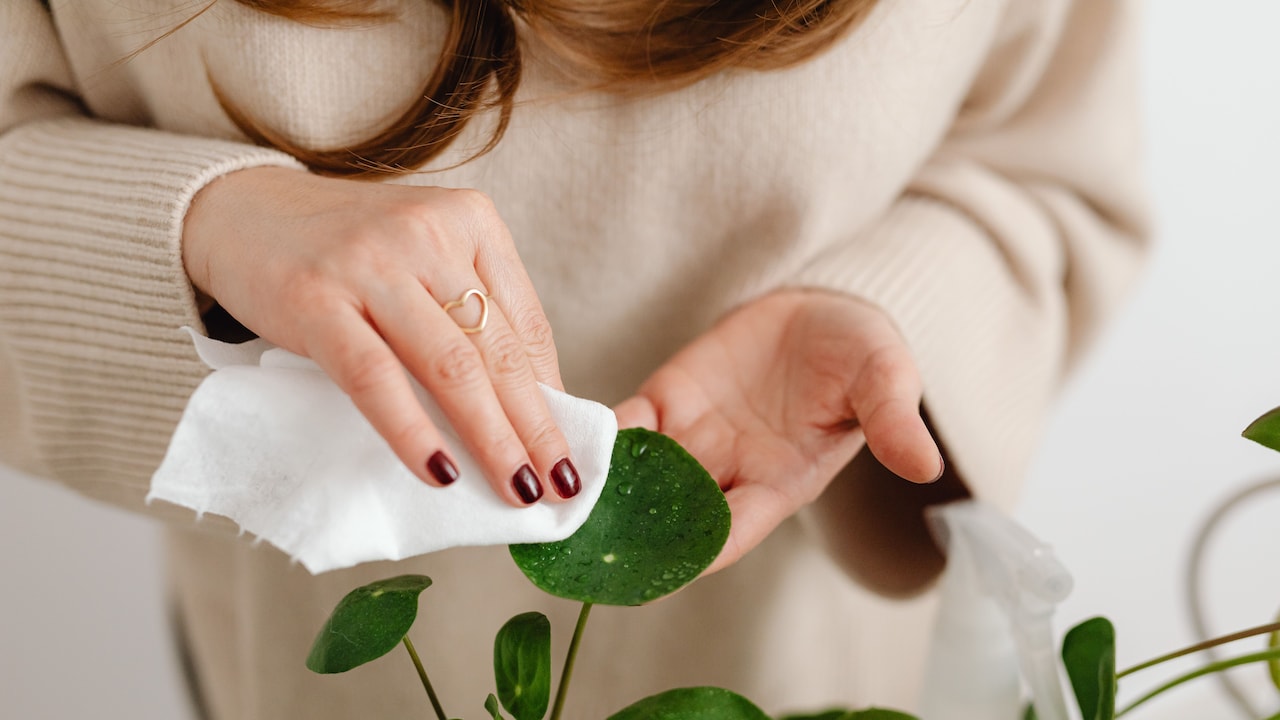
Dust and pollution can affect how houseplants absorb sunlight and grow.
With Delhi's air quality continuing to worsen, pollution has once again become a part of everyday conversation. On Tuesday morning, the city's Air Quality Index (AQI) touched 579, placing it in the hazardous category in some areas. While much of the focus remains on protecting human health, poor air quality can affect another part of the home that is often overlooked: houseplants. A layer of dust on your furniture is easy to spot. The same layer on your plants often goes unnoticed. Yet dust, pollution and airborne particles can affect how well plants absorb sunlight, breathe and grow. This is especially common in urban homes, where traffic emissions, construction dust, seasonal smog and everyday indoor activity can leave leaves looking dull and unhealthy.
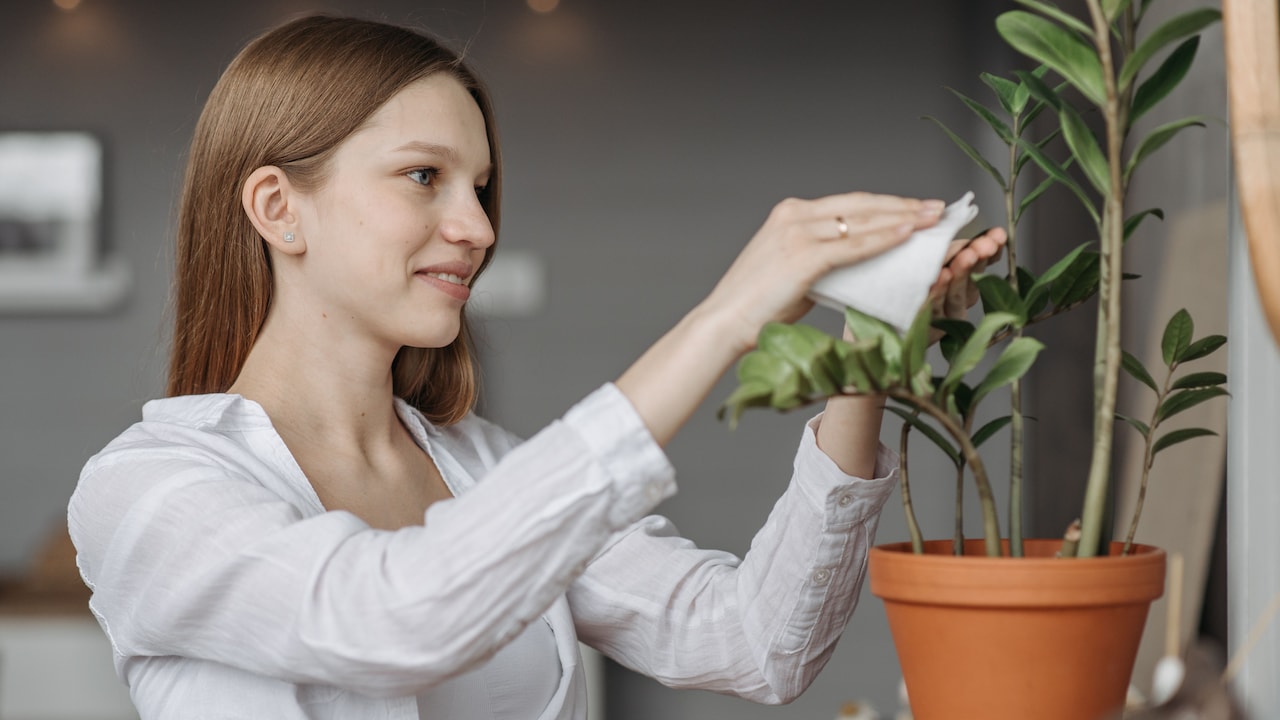
A few simple care habits can help houseplants thrive even in polluted urban homes.
Photo Credit: Pexels
The bright side is that keeping houseplants clean does not have to involve an elaborate gardening routine. A few simple habits, combined with the right tools, can help your indoor garden stay healthy and vibrant throughout the year.
Also Read: Amazon Great Indian Festival: Stylish Pots And Planters At 50% Off For Every Plant Corner
5 Simple Ways To Protect Houseplants From Pollution And Dust
1. Clean Leaves Regularly To Remove Dust Build-Up
Plant leaves act like tiny solar panels, absorbing sunlight that fuels growth. When dust accumulates on them, it can reduce the amount of light reaching the leaf surface and make plants look tired and neglected.
For broad-leaf varieties such as monstera, rubber plants and peace lilies, wiping the leaves every week or two can make a noticeable difference. While a damp cloth works well, many plant owners also use a Magic Eraser Sponge to simplify the process. Slightly dampened with water, the sponge can help lift dust, dirt and everyday grime without requiring chemical cleaners. It is a quick and hassle-free way to bring back the natural shine of your plants.
2. Maintain Humidity Levels Indoors
Low humidity can be tough on many popular houseplants, particularly tropical varieties that naturally thrive in moist environments. Dry indoor air can contribute to brown leaf edges, drooping foliage and increased dust accumulation on leaves.
Adding a humidifier to your room can help create a more plant-friendly environment. The additional moisture in the air can encourage healthier foliage while also helping fine dust particles settle instead of continuously circulating around the room. It is a simple adjustment that can benefit both your plants and overall indoor comfort, especially during winter months or in homes that run air conditioners for long periods.
3. Use An Air Purifier For Cleaner Indoor Air
Houseplants can collect airborne pollutants just like any other surface in your home. If you live near a busy road, construction site or industrial area, you may notice dust settling on leaves much faster than expected.
An air purifier can help reduce fine dust, pet dander and airborne particles before they settle on plant foliage. Cleaner air means less frequent leaf cleaning and a healthier indoor environment overall. For homes where indoor air quality is a constant concern, pairing houseplants with an air purifier can be a practical combination.
4. Keep The Soil Surface Clean And Use The Right Gardening Tools
Dust does not only settle on leaves. Over time, it can collect on the soil surface as well. Fallen leaves, dried plant matter and accumulated dirt can make pots look untidy and may even create conditions that attract pests.
Regularly removing debris and gently loosening the top layer of soil can help improve airflow around the roots and keep the growing medium from becoming compacted. Having a few small gardening tools, such as a hand rake, mini trowel or soil loosener, can make this task much easier, particularly if you have multiple indoor plants. These compact tools allow you to clean the soil surface, aerate potting mix and remove dead plant material without disturbing the roots. A clean pot and well-maintained soil are often good indicators of a healthy houseplant.
5. Group Plants Together To Create A Healthier Microclimate
If you have multiple houseplants, consider placing them together rather than spreading them across different corners of the house. Plant clusters can create a slightly more humid microclimate because they naturally release moisture into the air through transpiration.
This can help reduce environmental stress, especially for tropical plants that appreciate higher humidity levels. Grouping plants together can also make routine watering, cleaning and maintenance easier, helping you spot any issues before they become serious.
Small Changes Can Make A Big Difference
Dust and pollution may be unavoidable parts of urban living, but they do not have to prevent your houseplants from thriving. Simple practices such as regular leaf cleaning, maintaining humidity, improving indoor air quality and keeping soil surfaces tidy can go a long way toward protecting your indoor garden.
For homeowners looking to make plant care even easier, buying products such as a Magic Eraser Sponge, humidifier and air purifier from Amazon can help address some of the most common challenges associated with dust and pollution. Combined with good plant care habits, these additions can help keep your indoor greenery looking healthy, vibrant and beautiful throughout the year. Shop now on Amazon.
Frequently Asked Questions (FAQs)
1. Can air pollution affect indoor plants?
Yes. Dust and airborne pollutants can settle on leaves, reducing sunlight absorption and affecting photosynthesis, growth and overall plant health.
2. How often should I clean the leaves of houseplants?
Most indoor plants benefit from leaf cleaning every one to two weeks, especially during periods of high dust and pollution.
3. Is an air purifier good for houseplants?
Yes. An air purifier can help reduce airborne dust and pollutants before they settle on leaves, creating a cleaner environment for both plants and people.
4. Do houseplants need humidity to stay healthy?
Many popular indoor plants, especially tropical varieties, prefer moderate to high humidity. A humidifier can help maintain healthier foliage and reduce stress.
5. What gardening tools are useful for maintaining indoor plants?
Small gardening tools such as mini trowels, hand rakes, pruning scissors and soil looseners can make it easier to clean pots, aerate soil and maintain houseplants.
(Disclaimer: This article may include references to or features of products and services made available through affiliate marketing campaigns. NDTV Convergence Limited (“NDTV”) strives to maintain editorial independence while participating in such campaigns. NDTV does not assume responsibility for the performance or claims of any featured products or services.)