Stainless Steel vs. Plastic: Which Leakproof Lunch Box Is Best for Work?
Choosing the right leakproof lunch box can make or break your workday. Stainless steel promises durability and safety, while plastic offers lightweight convenience. So which one truly suits office life? Let us break it down.
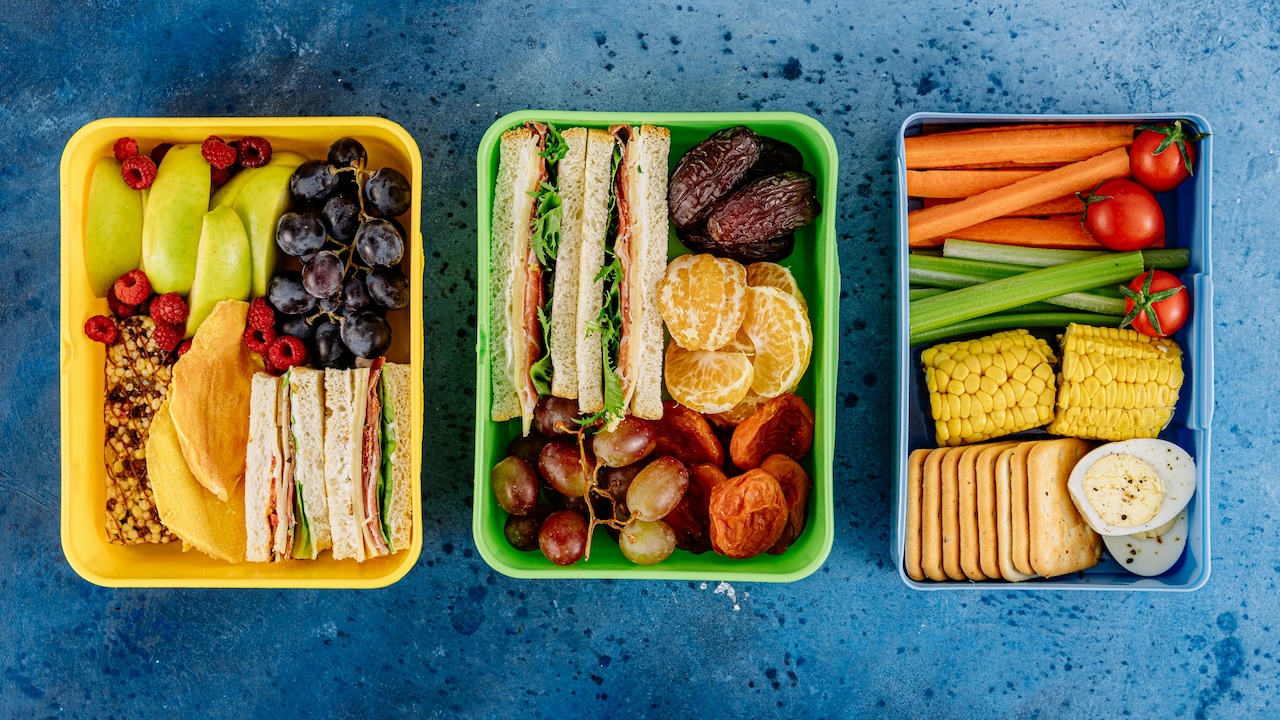
Stainless Steel vs Plastic Lunch Box: Which Leakproof Option Is Best for Office Use?
The humble lunch box has travelled a long way from the days of simple tiffin carriers wrapped in cloth. Today's work culture demands containers that resist spills in crowded metros, fit neatly into backpacks, and keep food fresh until that mid-afternoon break. The modern office pantry might offer a microwave and a water dispenser, yet the comfort of home-cooked food remains unmatched.
Choosing between stainless steel and plastic often sparks lively debate in office corridors. One colleague swears by a sturdy steel container that has lasted years. Another prefers lightweight plastic that slips easily into a handbag. Both sides make compelling points. The decision seems simple, yet it involves health considerations, environmental awareness, cost, and everyday practicality.
This article explores ten essential aspects of stainless steel and plastic leakproof lunch boxes. From durability and safety to aesthetics and value for money, each factor shapes the experience of carrying lunch to work. By the end, selecting the right companion for daily meals will feel far less confusing.
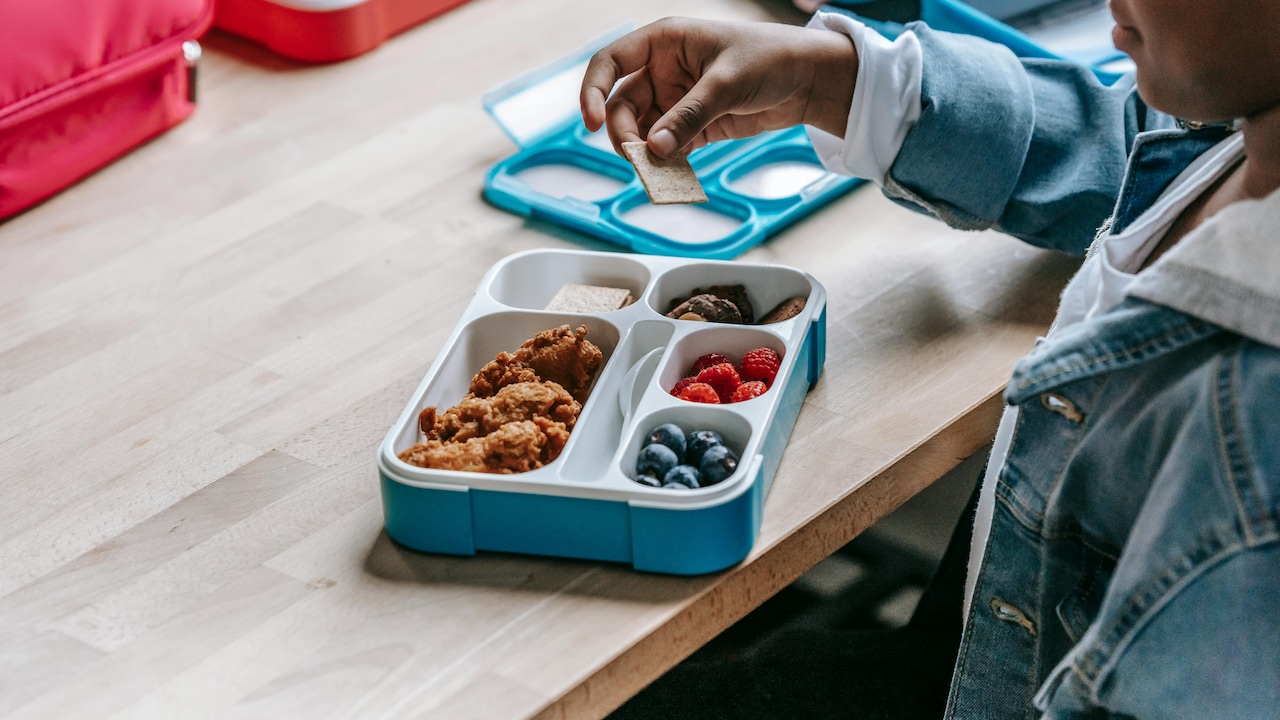
Stainless Steel vs. Plastic: Which Leakproof Lunch Box Is Best for Work?
Photo Credit: Pexels
Key Factors To Consider Before Choosing A Leakproof Lunch Box
Durability And Everyday Wear
A lunch box faces daily battles. It tumbles inside bags, bumps against laptops, and sometimes drops on tiled office floors. Stainless steel handles such treatment with quiet resilience. It resists cracks and rarely warps. Even after years of use, a good steel container often looks almost new, apart from a few honest scratches that tell stories of countless lunches.
Plastic, on the other hand, varies widely in quality. High-grade, BPA-free plastic performs well for a few years, but cheaper versions may crack or stain. Lids can loosen over time, especially when exposed to frequent washing and reheating. Once the seal weakens, leaks follow.
For professionals who see a lunch box as a long-term investment rather than a seasonal purchase, stainless steel often feels dependable. Paying ₹800 to ₹1,500 for a robust steel set may sting at first, yet it can last far longer than a ₹300 plastic box replaced every year. Durability, in this case, directly links to value.
Health And Food Safety
Health concerns often drive the debate. Stainless steel enjoys a strong reputation for safety. It does not leach chemicals into food, even when storing hot curries or tangy tamarind-based dishes. Steel remains stable under heat and does not react with most foods. This stability reassures families who prioritise clean eating.
Plastic demands more careful selection. Many reputable brands offer BPA-free containers designed for food storage. These products meet safety standards, yet repeated heating in microwaves can gradually degrade certain plastics. Over time, scratches inside the container may harbour bacteria if cleaning is not thorough.
For spicy gravies, oily sabzis, and acidic dishes, stainless steel provides peace of mind. Plastic suits cold foods such as salads, sandwiches, or dry snacks. Those who regularly heat lunch in the office microwave may prefer checking the manufacturer's guidelines carefully. Health remains personal, yet stainless steel often wins the trust vote in this category.
Leakproof Performance During Commutes
Few experiences frustrate more than opening a bag to find curry decorating important documents. Leakproof design, therefore, ranks high on any buyer's checklist. Stainless steel lunch boxes often rely on silicone gaskets and clamp-style lids. When manufactured well, these seals hold firmly and prevent spills even during bumpy auto rides.
Plastic containers frequently feature snap-lock lids. Good-quality models create tight seals and perform reliably. However, once the plastic warps or the clips loosen, leakage becomes more likely. Temperature changes can also affect plastic's flexibility, which may compromise the seal.
Daily commuters navigating crowded trains or long bus journeys require dependable protection. Stainless steel boxes with sturdy locking mechanisms often provide greater confidence over time. That said, premium plastic brands have improved drastically and offer impressive leakproof technology. The key lies in quality rather than material alone.
Weight And Portability
Weight matters, especially when a work bag already carries a laptop, charger, water bottle, and perhaps a notebook or two. Plastic lunch boxes clearly feel lighter. For someone walking from the station to the office in humid weather, every gram counts. A lightweight plastic container reduces strain and feels convenient.
Stainless steel weighs more. While modern designs attempt to remain compact, steel cannot compete with plastic in terms of lightness. For those who carry multiple dishes, the additional weight becomes noticeable.
Yet weight also influences stability. A slightly heavier steel box may sit firmly in a bag without tipping easily. Plastic can shift around more freely. The choice often depends on commuting style. Those driving to work may not mind extra weight, while daily public transport users might appreciate plastic's easy portability.
Heat Retention And Freshness
Nothing compares to opening a lunch box and finding food still pleasantly warm. Stainless steel performs reasonably well at maintaining temperature, especially when insulated. Double-walled steel containers can keep food warm for several hours, making them ideal for early office departures.
Standard plastic containers do not retain heat effectively. They cool down quickly unless placed inside insulated carry bags. While reheating in a microwave solves this issue, not every workplace offers that convenience during peak lunch hours.
For professionals who leave home at 8 am and eat at 1 pm, insulated stainless steel provides a practical solution. However, if office facilities allow easy reheating, plastic may serve just as well. Temperature needs, therefore, play a major role in determining the better option.
Environmental Impact And Sustainability
Sustainability has become a serious consideration in urban households. Stainless steel shines in this area. It lasts for years and remains fully recyclable. Choosing steel reduces dependence on disposable plastic containers and frequent replacements.
Plastic, though convenient, contributes to environmental concerns when discarded frequently. Even recyclable plastic requires proper processing. Low-quality containers often end up in landfills once damaged.
A single stainless steel lunch box may serve faithfully for five to ten years. That longevity significantly lowers waste generation. For eco-conscious professionals, investing in steel aligns with broader lifestyle choices such as carrying reusable bottles and cloth shopping bags. The environmental argument strongly favours stainless steel.
Ease Of Cleaning And Maintenance
Busy schedules leave little time for scrubbing stubborn stains. Stainless steel generally cleans easily. It resists odours and does not retain strong smells from garlic or masalas. A quick wash with warm water and soap usually restores its shine.
Plastic sometimes absorbs colours and smells, especially after storing rich gravies. Turmeric stains can prove difficult to remove. Over time, these stains may make the container appear old even when structurally sound.
Dishwasher compatibility varies for both materials. Many plastic boxes handle dishwasher cycles well, but high heat may shorten their lifespan. Stainless steel tolerates regular washing without losing integrity. For those who prefer low-maintenance kitchenware, steel often feels more forgiving.
Aesthetics And Professional Appeal
Lunch breaks often double as social moments in office cafeterias. A sleek stainless steel container carries a certain timeless charm. Its polished surface looks neat and understated. Many modern designs blend tradition with contemporary style.
Plastic offers vibrant colours and trendy shapes. Some professionals enjoy bright containers that add cheer to the workday. Transparent lids also allow quick identification of contents.
Appearance remains subjective, yet stainless steel often conveys durability and simplicity. Plastic leans towards playful convenience. In formal corporate settings, steel may align better with minimalist tastes. In creative environments, colourful plastic might fit right in.
Cost And Long-Term Value
Budget influences every purchase. Plastic lunch boxes usually cost less upfront. A decent set may range from ₹250 to ₹700. For those starting their careers or setting up a new household, this affordability appeals greatly.
Stainless steel demands a higher initial investment. Quality leakproof sets often range between ₹800 and ₹2,000. However, the extended lifespan balances that expense. Replacing multiple plastic containers over several years may exceed the cost of one durable steel set.
Evaluating cost requires looking beyond the price tag. Long-term value includes durability, safety, and reduced replacement frequency. When viewed through this broader lens, stainless steel often proves economical over time.
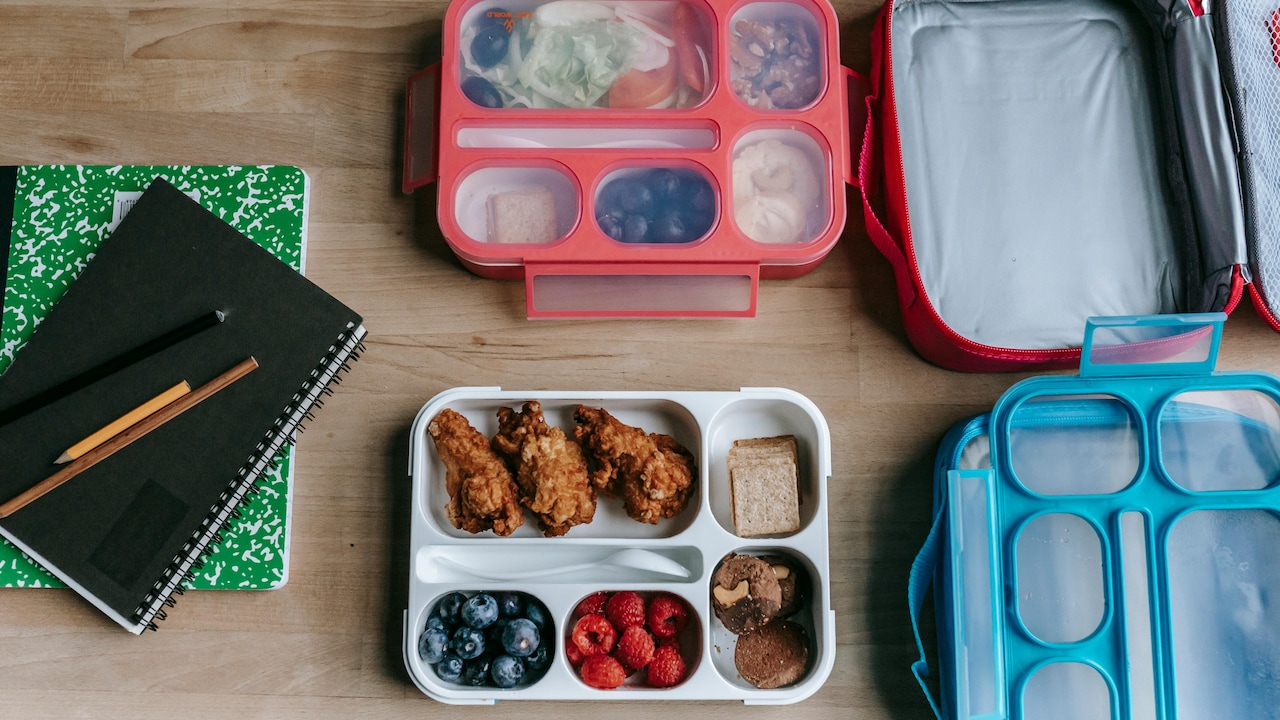
Stainless Steel vs. Plastic: Which Leakproof Lunch Box Is Best for Work?
Photo Credit: Pexels
Versatility For Different Meal Types
Work lunches vary widely. One day may feature rajma and rice. Another day may bring pasta or a simple fruit bowl. Stainless steel handles most hot and oily dishes confidently. It works particularly well for traditional meals with gravies.
Plastic shines when carrying lighter items. Salads, sandwiches, dry snacks, and cut fruits suit plastic containers perfectly. Microwave-safe plastic also allows reheating without transferring food to another dish.
Many professionals choose a mix of both materials to suit different meals. However, if selecting only one, meal habits should guide the choice. Those who regularly pack elaborate cooked dishes may lean towards steel. Those who prefer lighter fare might find plastic sufficient.
Products Related To This Article
1. VAYA TYFFYN Lunch Box for Kids for School
2. MILTON Executive Lunch Box with Steel Cutlery
3. WARMEO MICROMATE Microwave-Safe Stainless Steel Lunch Box
4. rabitat Munchbee Pro Stainless Steel Lunch Box
5. SOPL-OLIVEWARE Teso Pro Lunch Box with Cutlery
6. MILTON Snack Box Big I Inner Steel, PU Insulated 510 ml
7. JAYPEE Mini Max Lunch Box for School
Choosing between stainless steel and plastic leakproof lunch boxes involves more than convenience. It touches health, sustainability, budget, and daily routine. Stainless steel offers durability, safety, and long-term value. It suits professionals who prioritise robustness and eco-conscious living. Plastic delivers lightweight ease and affordability, making it practical for many everyday scenarios.
Ultimately, the best choice depends on lifestyle. For long commutes with hearty home-cooked meals, insulated stainless steel often stands out. For shorter journeys and lighter lunches, quality plastic may suffice. Many households even keep both options ready, selecting the container that matches the menu.
The modern workday demands reliability from small essentials. A dependable lunch box ensures that the comfort of home reaches the office intact, free from spills and disappointments. Whether steel or plastic, the right choice transforms lunchtime into a reassuring pause amid a busy schedule.
(Disclaimer: This article may include references to or features of products and services made available through affiliate marketing campaigns. NDTV Convergence Limited (“NDTV”) strives to maintain editorial independence while participating in such campaigns. NDTV does not assume responsibility for the performance or claims of any featured products or services.)