Why Shoe Cabinets Can Make Footwear Smell Worse During Monsoon: What To Do Instead
Wet shoes stored in closed cabinets during monsoon can trap moisture, encouraging odour, bacteria and fungal growth. This is why it happens and smarter ways to store footwear.
Why Shoe Cabinets Can Make Footwear Smell Worse During Monsoon: What To Do Instead
Monsoon brings welcome relief from scorching temperatures, but it also introduces a challenge that quietly sneaks into homes every year, smelly footwear. A quick whiff near the entrance can reveal the problem. Shoes that once smelled fine suddenly develop a musty odour that refuses to disappear. The natural instinct is to hide them inside a shoe cabinet, close the doors, and hope for the best. Unfortunately, that solution often backfires. The rainy season creates the perfect storm for unpleasant smells. Moisture from puddles, humidity in the air, sweaty feet, and poor ventilation combine to turn ordinary footwear into breeding grounds for bacteria and fungi. When damp shoes get tucked away inside closed cabinets, the problem worsens rather than improves.
Footwear Smells Worse During Monsoon? Your Shoe Cabinet Can Be The Reason
Photo Credit: Pexels
Many households invest thousands of rupees in stylish shoe storage units, only to discover that the smell keeps returning. The issue is not the cabinet itself but how it interacts with moisture during the rainy season. Understanding this hidden problem can help keep footwear fresher, cleaner, and longer-lasting.
How Shoe Cabinets Create The Perfect Environment For Odours
Damp Shoes Need Air, Not Enclosed Spaces
The biggest mistake during monsoon involves storing shoes before they have completely dried. Wet footwear carries moisture deep within the fabric, soles, and insoles. When these shoes enter a closed cabinet, that moisture has nowhere to escape.
Instead of drying naturally, the trapped dampness lingers for hours or even days. The cabinet effectively becomes a small humidity chamber. As moisture accumulates, unpleasant smells grow stronger and more noticeable.
Think of it like drying clothes. Nobody expects a wet shirt to dry properly inside a locked suitcase. Shoes behave in much the same way. They need airflow to release trapped moisture.
A pair of sports shoes splashed during an evening commute may look dry from the outside by night. Yet the inner layers often remain damp. Storing them immediately only prolongs the drying process and creates conditions that encourage odour development.
Humidity Turns Cabinets Into Odour Traps
Monsoon humidity affects every corner of a home. Even when shoes appear dry, the surrounding air often contains significant moisture. Closed shoe cabinets trap this humid air and prevent circulation.
Over time, smells become concentrated. Every pair of shoes contributes its own odour, creating a mixture that intensifies whenever the cabinet door opens. The result feels like opening a forgotten storage room after months of neglect.
Wooden cabinets can make matters worse because some materials absorb moisture from the air. Once dampness settles inside shelves and corners, odours linger longer than expected.
Many people notice that footwear smells stronger after spending a few days inside storage. The reason is simple. The smell never disappeared. It merely accumulated in a confined space and became more concentrated.
Without proper ventilation, even expensive cabinets struggle to keep footwear fresh during prolonged rainy spells.
Bacteria Thrive In Dark, Moist Conditions
Footwear naturally contains bacteria. Every step, every sweaty afternoon, and every crowded commute contributes to microbial growth inside shoes. Under normal circumstances, proper drying helps keep these populations under control.
Monsoon changes the equation.
Dark, enclosed cabinets provide the exact conditions many bacteria prefer. Add warmth and moisture, and the environment becomes even more inviting. As bacteria multiply, they break down sweat and organic matter trapped inside footwear.
This process produces the familiar unpleasant smell associated with damp shoes.
The irony is that many households store shoes away specifically to eliminate odours. Yet the storage environment often accelerates the very problem it aims to solve.
Children's school shoes frequently experience this issue. They return home wet from playground puddles and spend the night inside a closed cabinet. By morning, the smell becomes noticeably stronger despite the shoes never leaving the storage unit.
Also Read: Top 7 Compact Furniture Picks For Small Bedrooms
Fungal Growth Loves Hidden Moisture
The rainy season creates ideal conditions for fungal growth. Moist footwear, especially shoes worn for long hours, can harbour fungal spores that flourish in enclosed environments.
Unlike surface moisture that dries quickly, hidden moisture deep within shoe linings remains difficult to detect. This concealed dampness creates opportunities for fungi to grow undisturbed.
Apart from unpleasant odours, fungal growth can damage shoe materials and contribute to foot discomfort. Leather may develop patches, fabric can deteriorate, and insoles often become permanently musty.
Many people blame poor-quality footwear when these problems appear. In reality, storage habits often play a significant role.
Leaving shoes in a well-ventilated area for a few hours after use can make a surprising difference. That simple habit reduces moisture levels and limits the conditions fungi need to thrive.
Different Shoe Materials React Differently
Not all footwear handles monsoon moisture in the same way. Canvas shoes, sports shoes, leather footwear, and synthetic materials each respond differently to damp conditions.
Sports shoes tend to absorb significant moisture because of their layered construction. The thick padding that provides comfort also traps water. Leather footwear absorbs moisture differently and may retain odours if not dried properly.
Canvas shoes often dry faster on the surface while remaining damp internally. This creates a false sense of security that encourages premature storage.
A common household scene illustrates the problem perfectly. One family member stores office shoes, another stores gym trainers, while children stack school shoes nearby. Each material releases moisture at a different rate, yet all occupy the same enclosed cabinet.
The combined effect increases humidity inside the storage space and creates an environment where smells spread easily between pairs.
Shoe Cabinets Often Lack Proper Ventilation
Many modern shoe cabinets prioritise appearance over airflow. Sleek designs, hidden compartments, and flush doors look attractive, but they rarely encourage proper ventilation.
During dry weather, this limitation may not cause significant issues. Monsoon, however, exposes the weakness immediately.
Air circulation serves as nature's simplest drying system. When airflow disappears, moisture removal slows dramatically. Even small amounts of trapped humidity can accumulate over time.
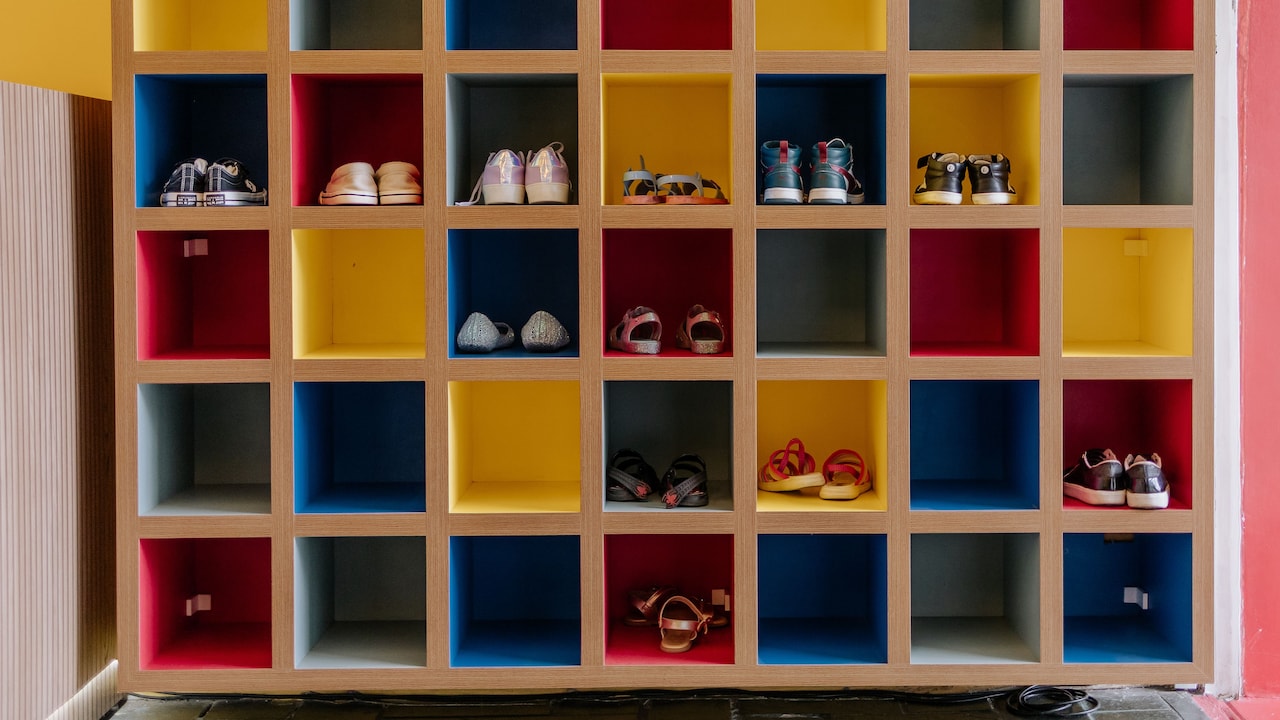
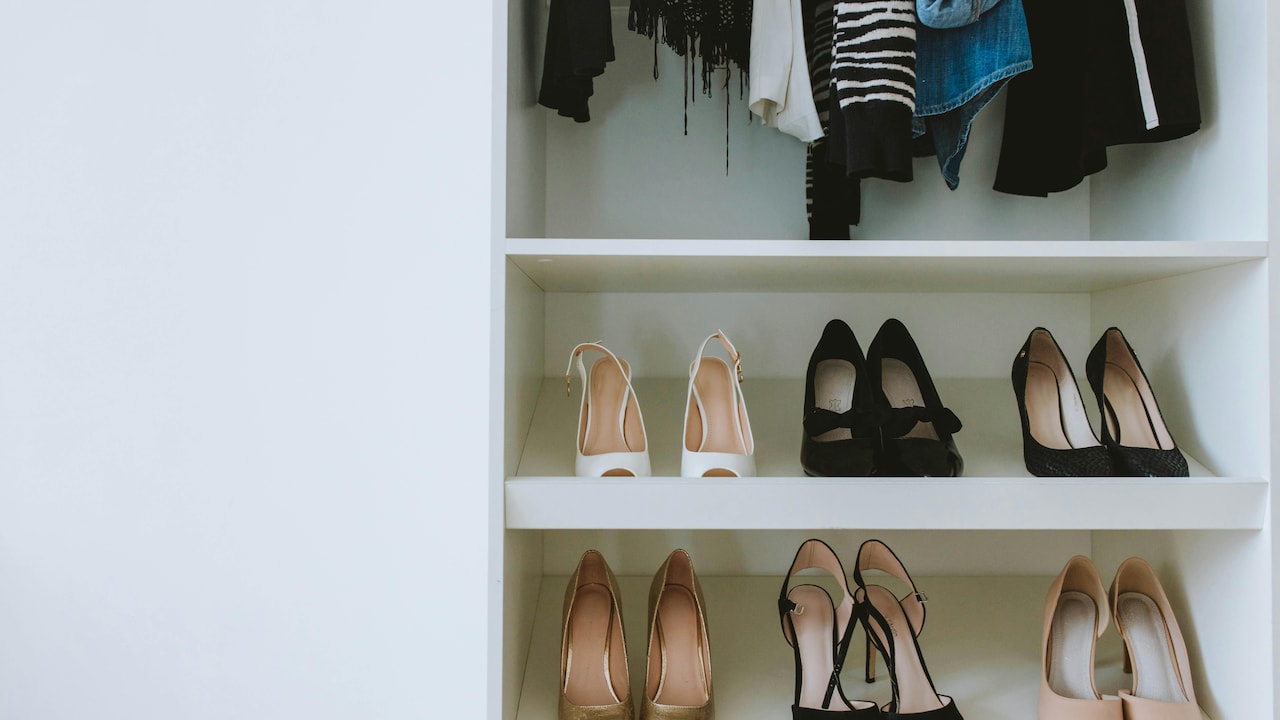
Some households discover that shoes stored on open racks smell fresher than shoes stored inside expensive cabinets. That observation often surprises people because enclosed storage appears cleaner and more organised.
The explanation lies in ventilation. Open racks allow continuous airflow, helping moisture evaporate naturally. Cabinets without vents interrupt that process and create conditions that favour odour development.
Storage should support drying, not interfere with it.
Footwear Smells Worse During Monsoon? Your Shoe Cabinet Can Be The Reason
Photo Credit: Pexels
The Smell Spreads From One Pair To Another
One neglected aspect of shoe storage involves odour transfer. When several pairs occupy the same enclosed space, smells rarely stay isolated.
A damp pair of trainers can affect nearby sandals. Wet school shoes may transfer musty odours to office footwear. Over time, the entire cabinet develops a uniform smell.
This chain reaction explains why freshly cleaned shoes sometimes emerge from storage smelling less fresh than expected.
The situation resembles storing onions beside delicate fruits. Strong aromas migrate and affect neighbouring items. Footwear behaves similarly in confined environments.
During extended rainy periods, this transfer becomes even more pronounced because humidity helps odours circulate and settle on surrounding surfaces.
A cabinet packed tightly with shoes may save space, but it often sacrifices freshness in the process.
What To Do Instead: Create A Drying Zone First
Rather than placing footwear directly into storage, create a dedicated drying area near the entrance or balcony. This simple adjustment can dramatically reduce odour problems.
Allow shoes to rest in a well-ventilated space for several hours before moving them elsewhere. If rainwater has soaked the footwear, extend the drying time accordingly.
Many households already practise this approach with umbrellas. Wet umbrellas remain open until dry before returning to storage. Shoes deserve the same treatment.
A drying zone does not require expensive equipment. A small rack positioned near a window often works remarkably well. The key objective involves encouraging airflow and moisture evaporation before storage.
This habit not only reduces odours but also extends the lifespan of footwear by preventing prolonged exposure to trapped moisture.
Natural Moisture Absorbers Can Help
Managing monsoon footwear requires controlling moisture at its source. Natural moisture absorbers offer a practical and affordable solution.
Silica gel packets, baking soda, activated charcoal, and newspaper can help absorb excess moisture from shoes. Many people remember the old trick of stuffing newspapers inside wet footwear. Despite its simplicity, the method remains surprisingly effective.
Baking soda can help reduce odours when sprinkled lightly inside shoes overnight. Activated charcoal pouches also work well inside storage areas because they absorb moisture and unwanted smells.
These solutions cost very little compared to replacing damaged footwear.
The goal is not merely masking odours but reducing the damp conditions that create them. When moisture decreases, smell-causing bacteria and fungi struggle to thrive.
Combined with proper drying habits, these simple remedies can significantly improve footwear freshness throughout the rainy season.
Choose Smarter Storage Solutions During Monsoon
The best monsoon storage strategy focuses on ventilation rather than concealment. Open racks, ventilated shelves, and storage units with airflow gaps generally perform better than completely enclosed cabinets.
If a shoe cabinet remains necessary, consider keeping doors slightly open during humid periods or using moisture absorbers inside. Regular cleaning also helps prevent odour build-up.
Avoid overcrowding footwear. Shoes need breathing room, especially during the rainy season. Giving each pair adequate space improves airflow and reduces moisture accumulation.
A practical approach often works better than an elaborate one. The objective is not to create a showroom display but to maintain healthy, dry footwear.
Small adjustments in storage habits can prevent many of the odour problems that seem unavoidable during the monsoon.
Footwear Smells Worse During Monsoon? Your Shoe Cabinet Can Be The Reason
Photo Credit: Pexels
Products Related To This Article
1. TUFFERONE Shoe Rack Metal Heavy-Duty Cabinet 4-Door Wall-Mounted Organizer
2. HomeStrap 6 Layer Sneaker Pair Box Organizer
3. 4 Tier Shoe Rack with Shelf, Folding Shoe Rack for Bedroom
4. Shoes Rack 4 Tier Shoe Rack with Shelf
5. FLIPZON Plastic Multipurpose 5 Shelves Shoe Rack with Zip Door Cover & Side Pockets
6. Shoe Rack 4 Tier with Shelf, Folding ShoeRack for Bedroom
7. 1ABOVE 4-Tier Shoe Storage Rack
Shoe cabinets may appear to be the ideal answer to monsoon clutter, but they often create hidden problems when damp footwear enters enclosed spaces. Trapped moisture, limited ventilation, bacterial growth, and fungal activity combine to make unpleasant smells stronger rather than weaker.
The solution lies not in abandoning storage altogether but in changing how footwear gets stored. Allow shoes to dry properly, encourage airflow, use moisture absorbers, and avoid cramming pairs into tightly sealed cabinets.
Monsoon footwear care is less about expensive organisers and more about understanding moisture. A little patience before storage can save countless battles with stubborn odours. After all, nobody wants the first thing guests notice at the front door to be a mysterious smell coming from a perfectly organised shoe cabinet.
(Disclaimer: This article may include references to or features of products and services made available through affiliate marketing campaigns. NDTV Convergence Limited (“NDTV”) strives to maintain editorial independence while participating in such campaigns. NDTV does not assume responsibility for the performance or claims of any featured products or services.)







![Steam Iron Teflon Shoe Cover for ES-300,ST-96 [Only For ES-300 and ST-96 Model Electric Steam Irons]](https://m.media-amazon.com/images/I/51wwkttondL._SL160_.jpg)