Small Room, Big Clutter: What You Are Organising Wrong
A small room doesn’t run out of space; it runs out of smart choices. From hoarding 'just in case' items to relying on storage, this is what is really making your room feel cluttered.
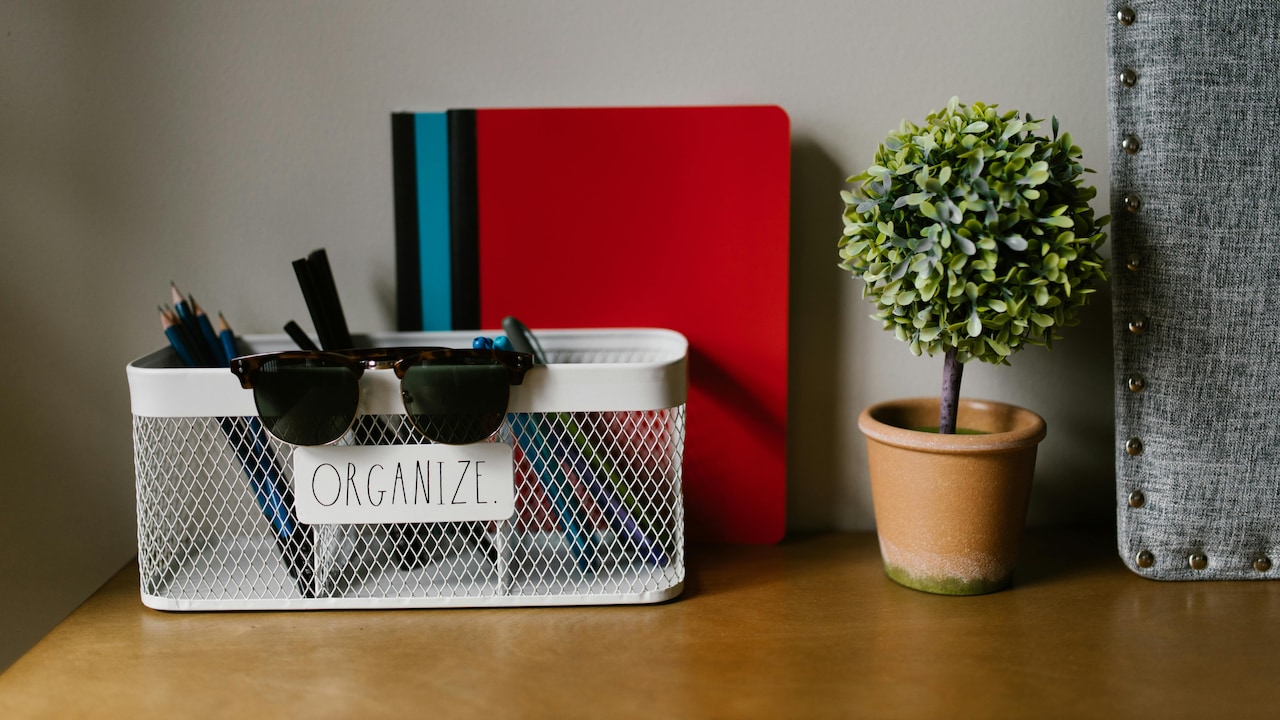
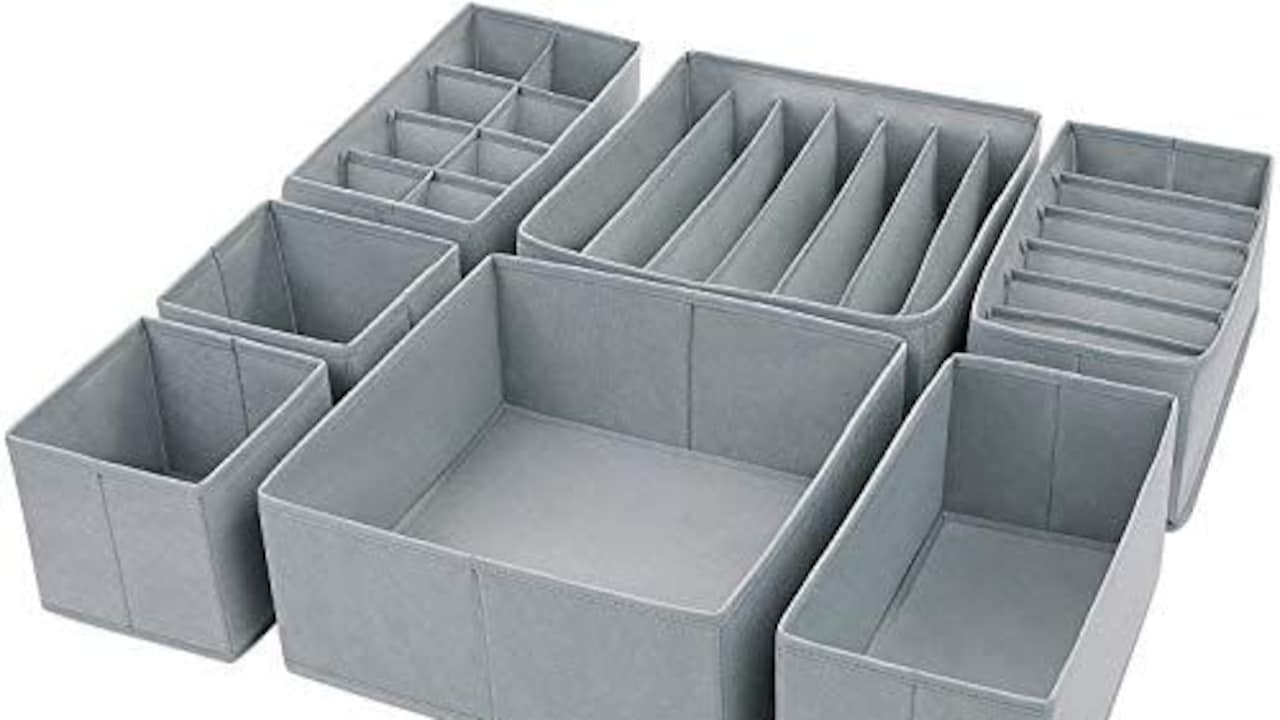
How to use organisers for efficient storage and clutter-free home
Small rooms hold a certain charm. They feel cosy, intimate, and manageable, until they don't. At some point, the same space begins to feel suffocating. Cupboards refuse to close, chairs become makeshift wardrobes, and the bed starts doubling as storage. It's tempting to blame the square footage. Yet, the truth sits quietly in everyday habits.
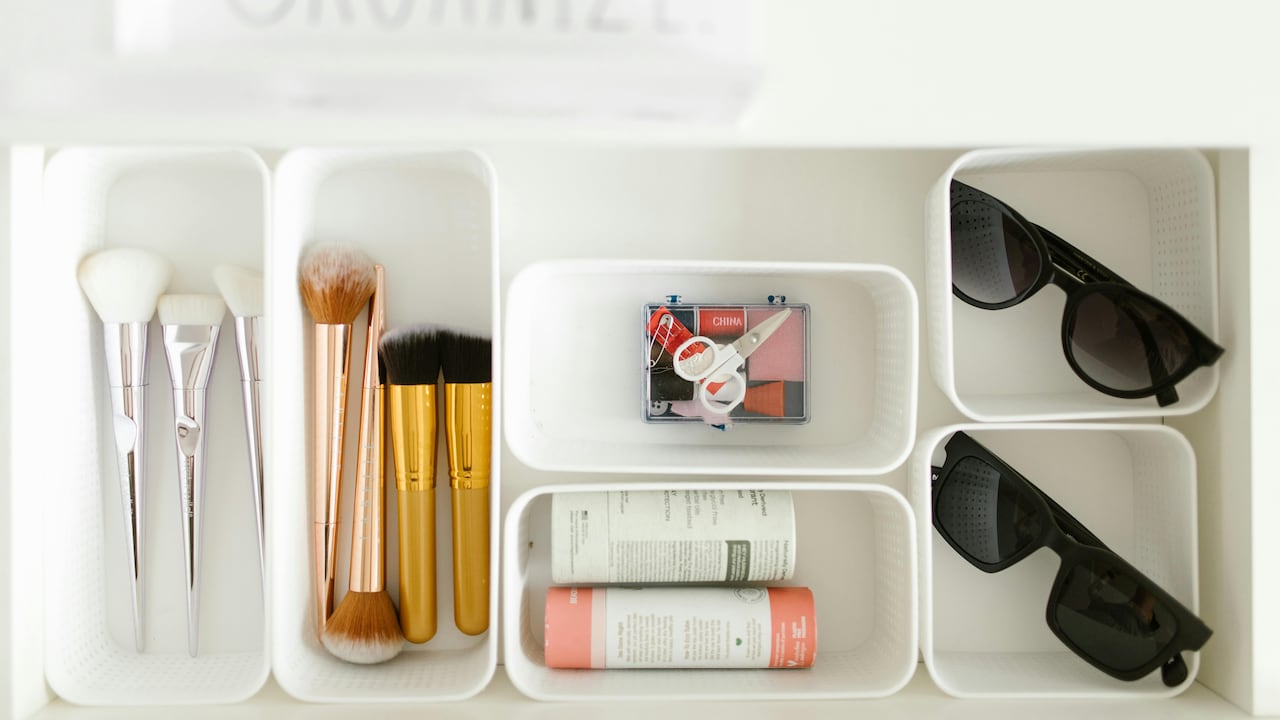
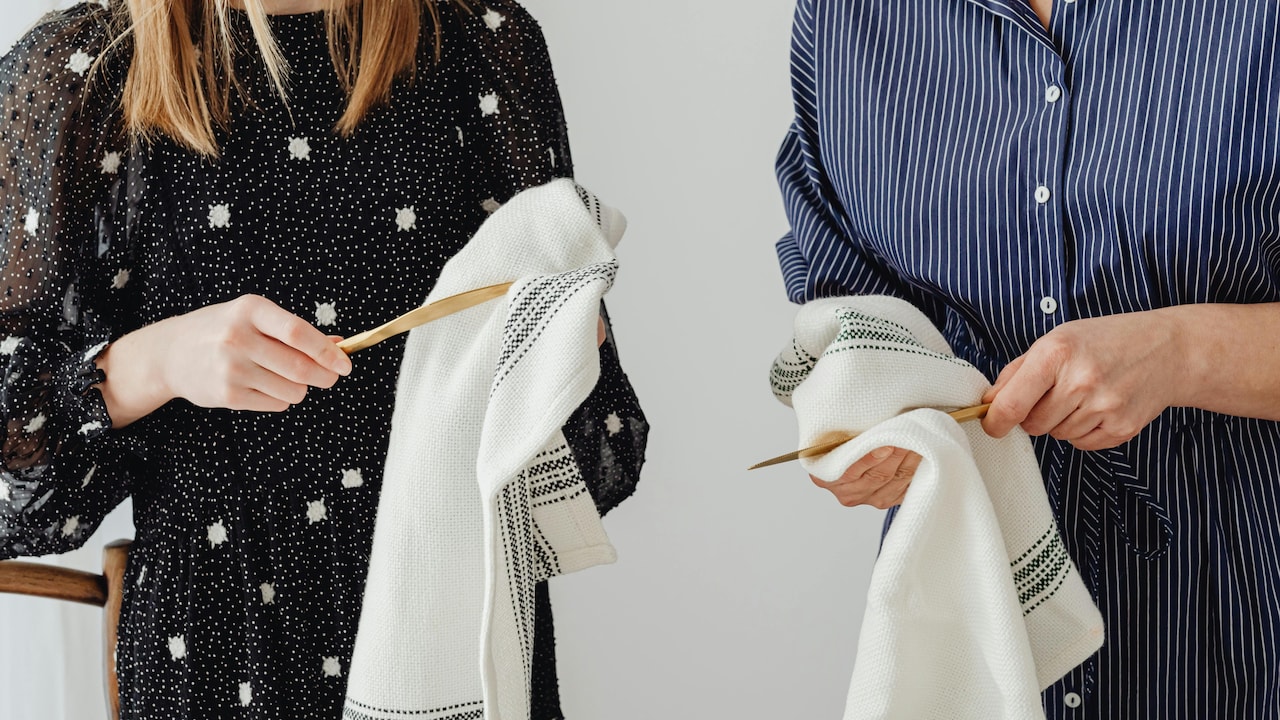
How to increase efficiency and reduce clutter by using home organisers; Photo Credit: Pexels
Clutter doesn't appear overnight. It builds gradually, hidden inside routines. A new kurta bought during a festive sale, an extra set of containers 'just in case', or that stack of old notebooks kept for no clear reason. None of these feels like mistakes at the time. Together, they create a room that feels smaller than it actually is.
Organising a small room isn't about buying more boxes or squeezing items into tighter corners. It's about understanding what went wrong in the first place. Often, the problem isn't a lack of space; it's how that space gets used. And sometimes, the biggest organising mistake lies in thinking that more organisation tools will fix everything.
Also Read: 10 Best Drawer Organisers For Indian-Sized Wardrobes: Maximise Space And Organisation
Where Most People Go Wrong With Small Room Organisation
Treating Storage As The Solution
Many believe that clutter disappears with more storage. A trip to the market ends with baskets, bins, and organisers worth ₹2,000, all promising neatness. The room looks better for a week. Then, slowly, everything spills out again.
Storage isn't the problem solver it appears to be. It often hides clutter rather than reducing it. When drawers and boxes multiply, they create more places to stash things without questioning their necessity. The room may look tidy on the surface, but underneath lies the same chaos, just rearranged.
True organisation begins before storage enters the picture. It starts with deciding what actually deserves space. Without this step, even the most beautifully labelled boxes become silent collectors of unused items. The irony lies in spending money to store things that no longer add value.
A small room thrives on simplicity. Instead of asking where to store something, a better question emerges: Does this need to stay at all? Once that clarity arrives, storage becomes a support system rather than a crutch. Suddenly, fewer boxes feel sufficient, and the room breathes again.
Keeping Too Many ‘Just In Case' Items
Every small room has a corner dedicated to 'just in case'. Extra bedsheets, unused kitchen gadgets, old chargers, and clothes kept for imagined future occasions. These items rarely see the light of day, yet they occupy valuable space.
The 'just in case' mindset feels responsible, even practical. It carries a sense of preparedness. But in reality, it quietly feeds clutter. Most of these items remain untouched for years. When they finally get used, if they do, it's often easier and cheaper to replace them than to store them indefinitely.
Consider the stack of plastic containers saved after takeaways. They pile up because they might be useful someday. Yet, when the time comes, they rarely match lids or serve the intended purpose. Meanwhile, they crowd shelves and drawers.
A small room cannot afford hypothetical needs. It demands intentional choices. Letting go of 'just in case' items creates immediate space, not just physically, but mentally. It replaces anxiety with clarity. And when something genuinely needed arises, solutions tend to appear far more easily than expected.
Ignoring Vertical Space
Most rooms use only half their potential. Floors and tables bear the weight of clutter, while walls remain underutilised. This imbalance makes the room feel cramped, even when there's unused space above.
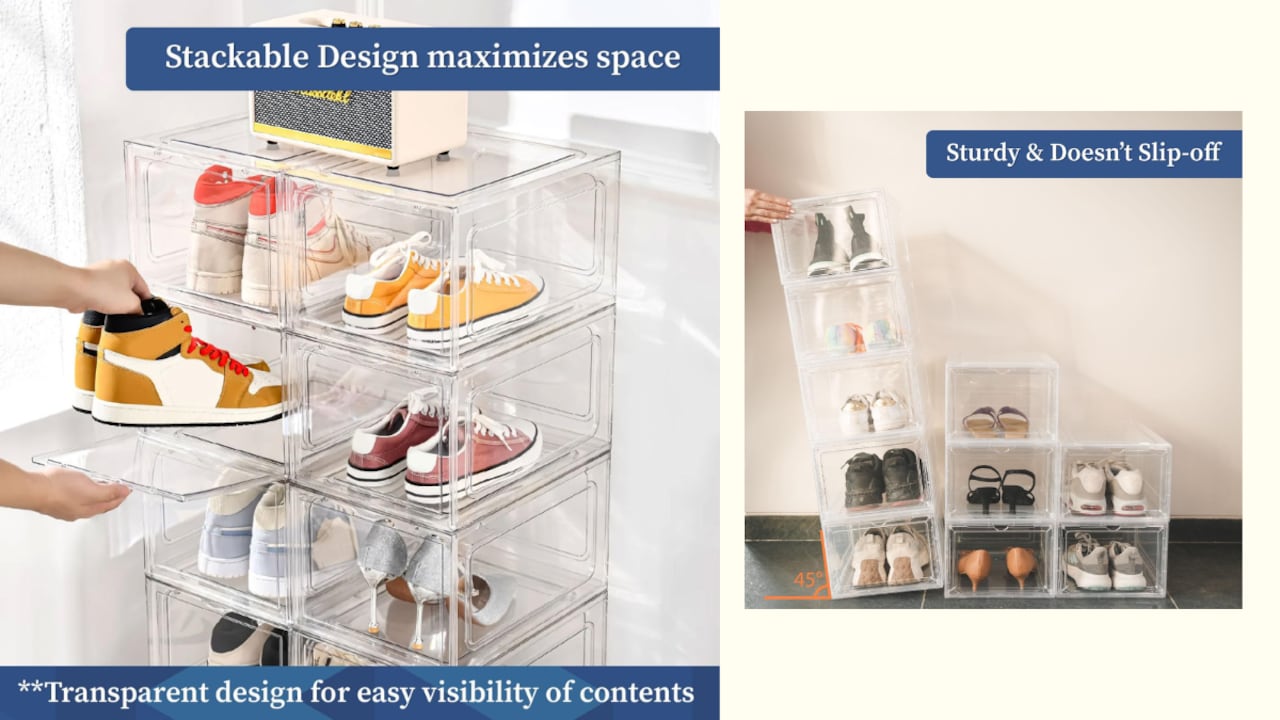
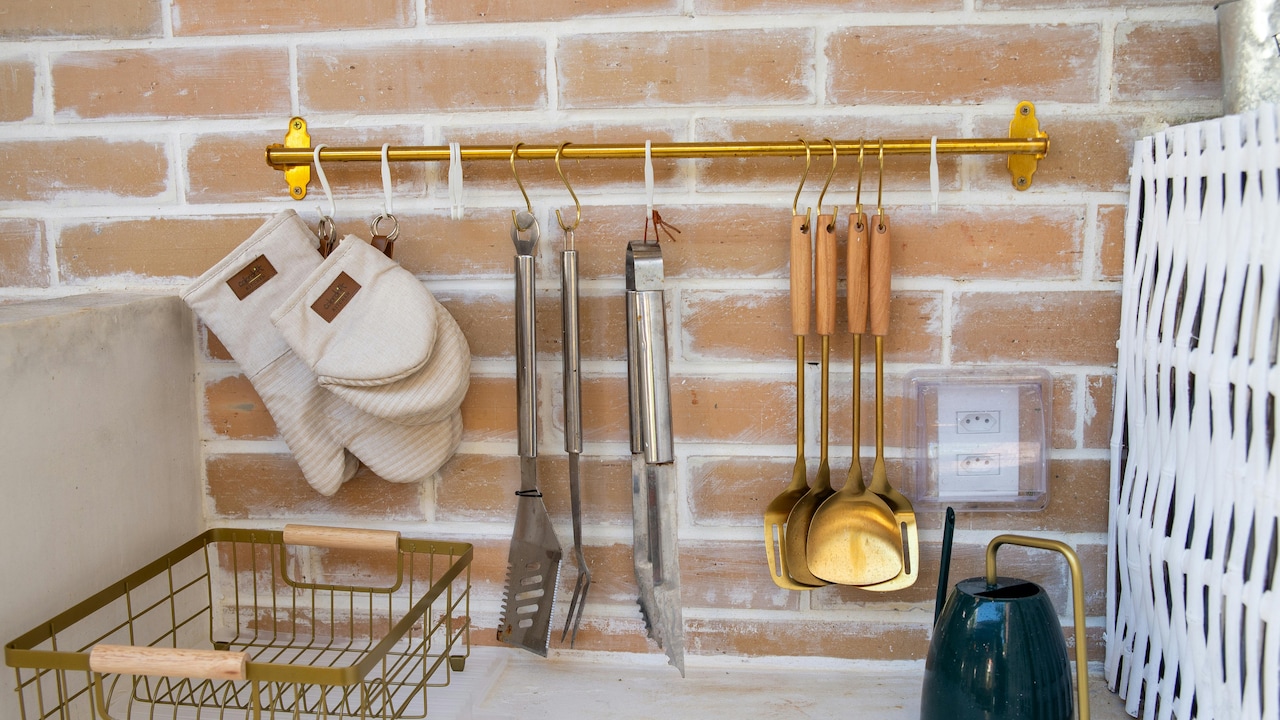
Vertical space offers quiet opportunities. Shelves, hooks, and wall-mounted racks can transform how a room functions. A simple set of hooks can hold bags, scarves, or keys, freeing up surfaces instantly. Shelves can turn empty walls into functional storage without crowding the floor.
Ignoring vertical space often leads to stacking items horizontally. This creates piles that grow unstable and visually overwhelming. The room begins to feel cluttered, not because of quantity, but because of how items are arranged.
Using height wisely changes perception. The eye travels upward, creating a sense of openness. Even a small room can feel expansive when space is used thoughtfully from floor to ceiling. It's not about adding more things; it's about giving existing items a better place to belong.
Holding On To Sentimental Clutter
Sentimental items carry stories. Old birthday cards, school trophies, faded photographs, and gifts from loved ones often resist decluttering. They feel irreplaceable, even when they occupy too much space.
The challenge lies in distinguishing memory from object. A memory doesn't disappear when an item does. Yet, the emotional weight attached to these belongings makes letting go difficult. Over time, sentimental clutter quietly expands, filling drawers and shelves with items rarely revisited.
A small room doesn't demand harsh decisions, but it does require mindful ones. Instead of keeping everything, choosing a few meaningful pieces creates a curated collection rather than overwhelming clutter. Photographs can be digitised, letters can be stored neatly, and the rest can be released with gratitude.
This approach preserves emotional value without sacrificing space. It honours memories while allowing the room to remain functional. After all, a space filled with too many reminders can feel more chaotic than comforting.
Overloading Furniture With Multiple Roles
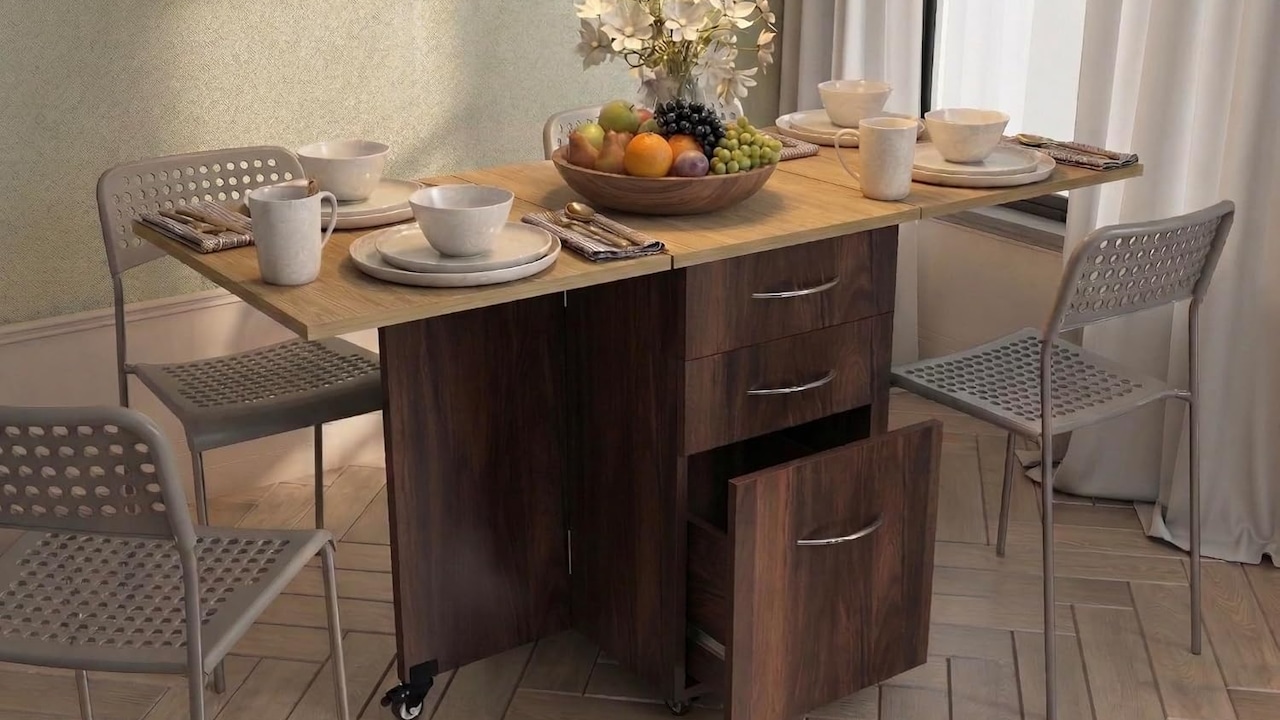
In compact homes, furniture often takes on multiple roles. Beds store boxes underneath, chairs become clothes stands, and tables double as storage units. While this seems efficient, it often leads to overcrowding.
Multipurpose furniture works best when used thoughtfully. Overloading it with too many functions creates confusion and clutter. A bed filled with storage boxes may eliminate space for movement. A chair covered in clothes stops being usable altogether.
The key lies in balance. Furniture should serve primary needs first. Additional functions should support, not overwhelm. For instance, a bed with organised under-storage can be helpful, but only if items remain accessible and limited.
When furniture loses its original purpose, the room loses structure. Spaces blur, and clutter spreads. Keeping furniture roles clear restores order. It allows each item to function effectively, creating a room that feels organised rather than overburdened.
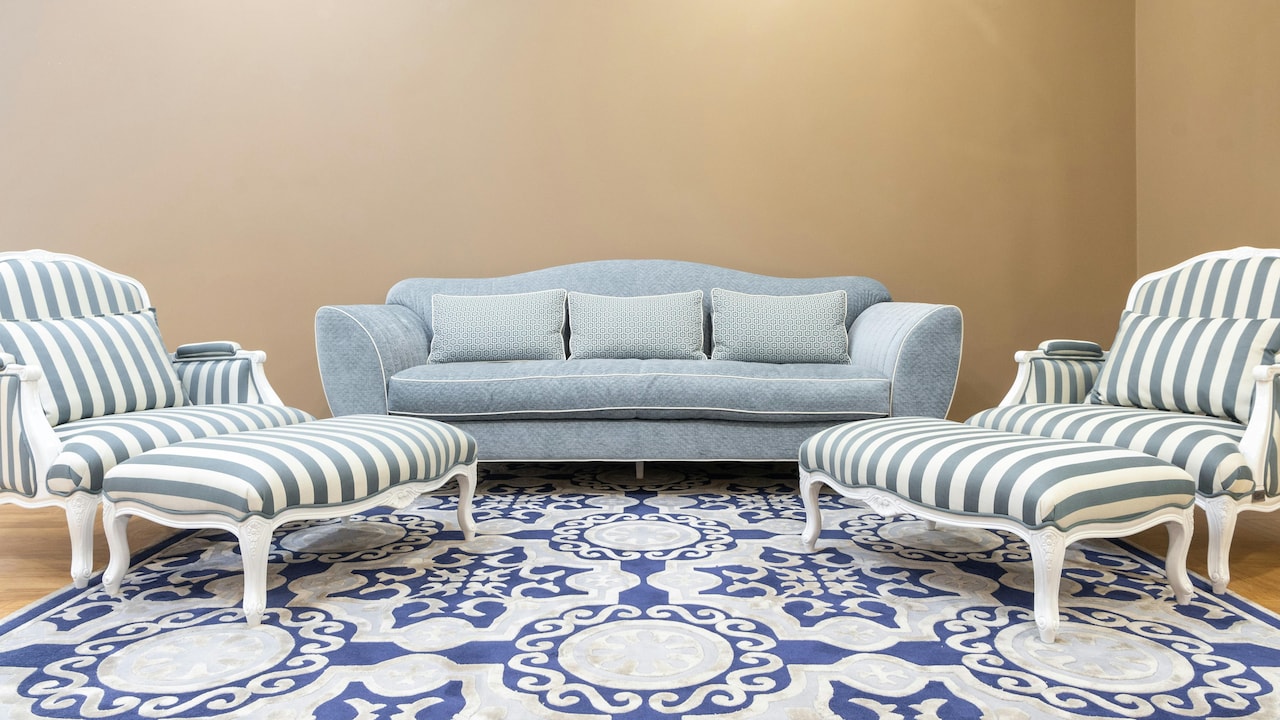
Overcrowding the room with furniture can create confusion and visual clutter; Photo Credit: Pexels
Buying Before Decluttering
A common pattern emerges during organisational attempts. New storage solutions, organisers, and furniture are purchased before addressing existing clutter. The excitement of a fresh start often leads to spending ₹3,000 or more on items that promise transformation.
However, without decluttering first, these purchases add to the problem. They create more places to store items without reducing the number of belongings. The room ends up with more objects, not more space.
Decluttering shifts the entire process. It reveals what truly needs storage and what doesn't belong at all. Only after this step does it make sense to invest in organisers. At that point, purchases become intentional rather than impulsive.
This approach saves money and prevents unnecessary accumulation. It ensures that every item in the room has a purpose. And most importantly, it turns the organisation into a lasting change rather than a temporary fix.
Letting Daily Habits Undo Progress
A freshly organised room feels satisfying. Surfaces look clear, cupboards close easily, and everything seems in place. Yet, within days, clutter creeps back. The culprit often lies in daily habits.
Small actions accumulate quickly. Leaving clothes on a chair, placing keys 'just for now' on the table, or postponing simple tasks like folding laundry, all contribute to gradual disorder. These habits feel harmless individually, but together, they undo hours of effort.
Consistency matters more than intensity. A few minutes of daily upkeep can maintain order far better than occasional deep cleaning. Returning items to their designated spots becomes a habit rather than a chore.
A small room responds quickly to both order and chaos. It reflects habits more visibly than larger spaces. Building mindful routines ensures that the organisation lasts. It transforms the room from a constantly managed space into one that naturally stays tidy.
Misjudging What ‘Organised' Looks Like
Social media often presents a polished version of the organisation. Perfectly arranged shelves, colour-coded wardrobes, and minimalist aesthetics create a specific image of what an organised space should look like. However, this ideal doesn't suit every lifestyle.
Chasing a visual standard can lead to frustration. A room may look aesthetically pleasing but fail to function practically. Items become hard to access, and maintaining the setup feels exhausting.
Organisation should reflect personal needs, not external expectations. A functional system may look different from a curated one. It might prioritise accessibility over symmetry, or convenience over visual perfection.
Understanding this difference removes unnecessary pressure. It allows the room to evolve naturally, based on how it's used daily. True organisation feels effortless, not performative. It supports life rather than trying to impress it.
Not Assigning A Home For Everything
Clutter often stems from items that lack a designated place. When belongings don't have a clear home, they wander across surfaces, creating visual chaos. Even a small number of such items can disrupt the entire room.
Assigning a home doesn't mean rigid organisation. It simply ensures that every item has a logical place where it belongs. This makes tidying up quicker and more intuitive.
Without this system, decisions pile up. Each time an item needs to be put away, uncertainty delays action. Over time, this leads to accumulation. Surfaces become storage zones rather than functional areas.
Creating defined spaces simplifies everything. It reduces mental effort and prevents clutter from building up. The room begins to feel predictable in a comforting way. Items return to their places naturally, maintaining order with minimal effort.
Products Related To This Article
1. PulGos Drawer Organizer Box
2. Shuttle Art Office Desk Organizer with Drawer
3. Zollyss Desk Drawer Organizer Trays Various Size Bathroom Drawer Tray Dividers Plastic Vanity Organizers Storage Bins For Makeup Cosmetics Dresser Kitchen Office
4. JD FRESH Polypropylene Set of 20 Drawer Organiser
5. PulGos 4 Pcs Wardrobe Organizer for Storage
A small room doesn't demand perfection. It asks for awareness. Clutter isn't always about having too much; it's about holding on to the wrong things, using space inefficiently, and repeating habits that quietly create chaos.
The shift begins with simple changes. Questioning what stays, using space thoughtfully, and building consistent routines can transform even the most crowded room. Expensive solutions rarely solve the problem. Clarity does.
When a room feels lighter, life inside it feels easier. Movement becomes smoother, decisions feel clearer, and the space starts to support daily living rather than complicate it. In the end, organisation isn't about fitting everything in. It's about making room for what truly matters.
(Disclaimer: This article may include references to or features of products and services made available through affiliate marketing campaigns. NDTV Convergence Limited (“NDTV”) strives to maintain editorial independence while participating in such campaigns. NDTV does not assume responsibility for the performance or claims of any featured products or services.)