Why Your Office Chair Might Be Hurting Your Back and The Support That Really Matters
Long hours at a desk can quietly damage the spine. The problem often isn’t posture alone but the office chair itself. Discover why poor seating hurts the back and what kind of support truly protects spinal health.
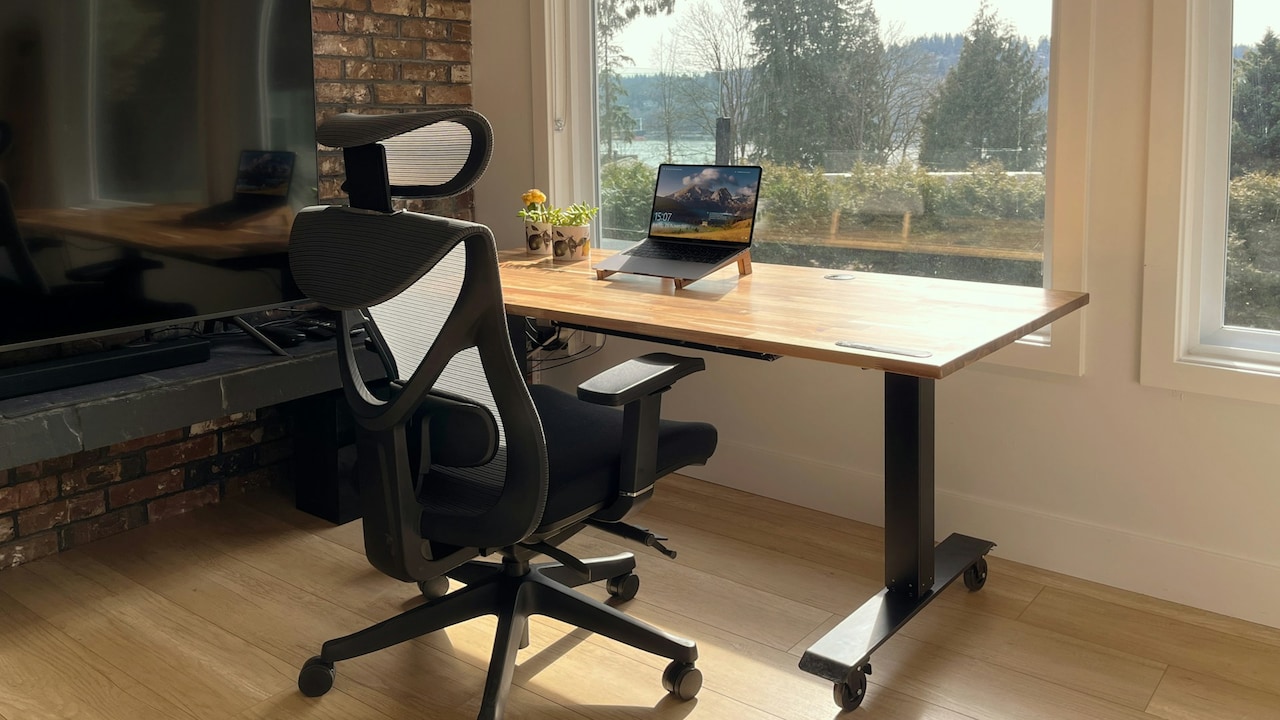
The Real Reason Your Office Chair Is Causing Back Pain And The Support Your Spine Actually Needs.
Modern work life rarely involves long walks between departments or endless trips up staircases. Instead, it revolves around screens, spreadsheets, meetings, and long stretches of sitting. Hours disappear quickly while replying to emails or preparing presentations. By evening, the body often protests with a dull ache in the lower back or a tight knot near the shoulders.
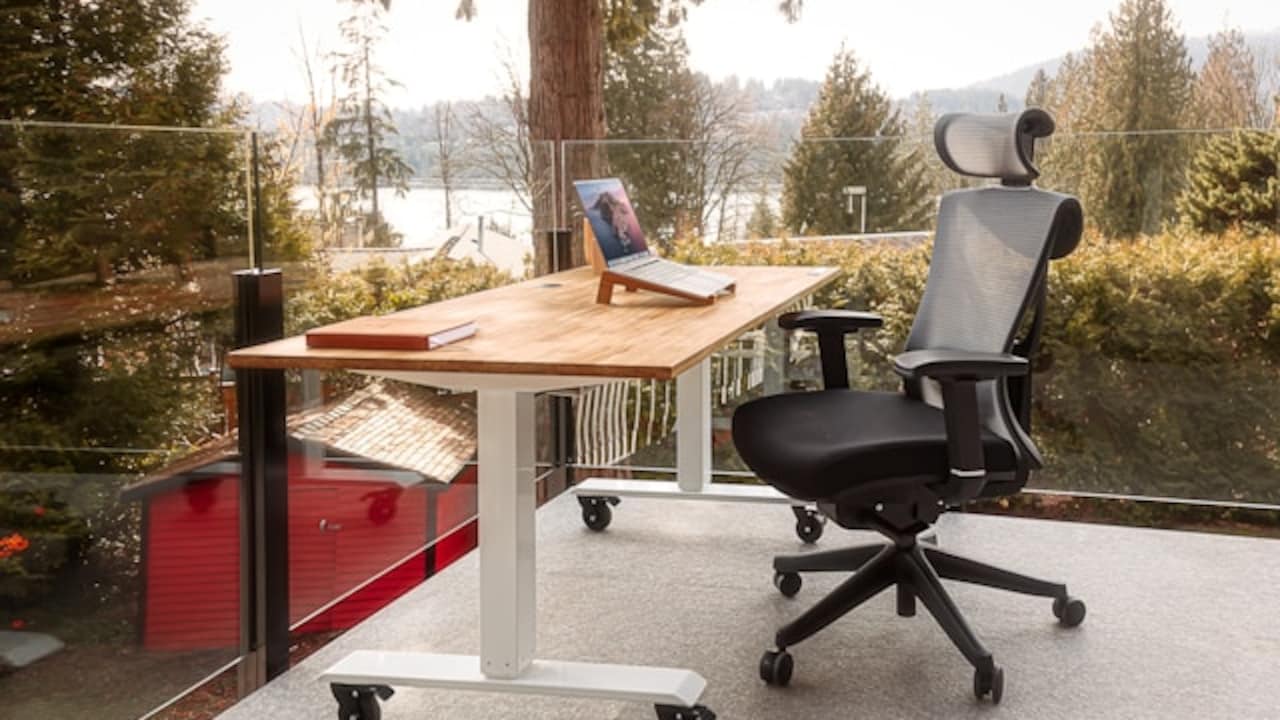
Here's how an office chair might be hurting your back; Photo Credit: Unsplash
Most people blame posture. Some blame long hours. Yet the real issue frequently sits right beneath the body: the office chair.
Many chairs promise comfort but deliver only soft cushioning. Cushioning may feel pleasant for the first fifteen minutes, yet comfort without proper support quietly damages the spine. Over time, the body adapts to poor seating positions, forcing muscles and discs to compensate.
Across busy workplaces in cities such as Mumbai, Bengaluru, and Pune, employees spend eight to ten hours each day seated. Add the commute, scrolling on a phone at night, and occasional weekend work, and the back receives very little relief.
The solution does not require complicated exercises or expensive therapy sessions. Often, the answer lies in understanding what true support looks like and how a chair influences posture more than most people realise.
Also Read: Top10 Ergonomic Study Chairs To Prevent The 'Exam Back'
What Your Office Chair Might Be Doing To Your Spine
The Silent Strain Of Long Sitting
Sitting feels harmless. After all, it seems far less tiring than standing or walking. Yet the human spine did not evolve for marathon sitting sessions. Long hours in one position create pressure on spinal discs and surrounding muscles.
Consider a typical weekday. A person begins work at 9:30 am with a cup of chai placed beside the laptop. Emails demand attention. Meetings follow. Lunch happens quickly, often while reading another message on the phone. Suddenly, the clock shows 6:30 pm.
Throughout this routine, the spine rarely changes position. Muscles remain static. Blood circulation slows. Gradually, the lower back absorbs more stress than it can comfortably manage.
Research consistently shows that prolonged sitting increases spinal compression. Even a well-designed chair cannot fully cancel this effect. However, poor seating multiplies the strain.
When the pelvis tilts backwards, the spine curves unnaturally. The body slumps. Shoulders creep forward. Neck muscles tighten as the head leans toward the screen. These small adjustments may feel insignificant in the moment. Over weeks and months, they build a persistent ache that many office workers recognise all too well.
When Soft Comfort Becomes A Problem
Many people assume a soft chair equals a comfortable chair. Furniture showrooms often encourage this belief with thick cushions and plush padding. Yet softness can quietly sabotage spinal health.
A chair that sinks too deeply allows the pelvis to slide forward. As the hips sink, the lower back loses its natural curve. Without that curve, the spine begins to collapse into a C-shape.
Imagine sitting on a sofa during a long cricket match. The first few overs feel relaxing. After two hours, shifting positions becomes necessary because the back feels stiff. The same principle applies at the office desk.
Excessive cushioning forces muscles to work harder to maintain posture. The body spends energy stabilising itself rather than resting.
Support, not softness, should guide chair design. Firm cushioning distributes body weight more evenly. Proper lumbar support keeps the spine aligned. A balanced seat allows the body to relax without collapsing.
Comfort should feel stable rather than sinking. Many people notice the difference only after switching chairs. The back suddenly feels lighter, even after a full day of work.
The Role Of Lumbar Support
The lower spine carries much of the body's weight. This region naturally curves inward, forming what specialists call the lumbar curve. When a chair ignores this curve, the spine loses its structural balance.
A good chair respects this natural shape. Lumbar support fills the small gap between the chair and the lower back, helping the spine maintain its alignment.
Without this support, muscles must constantly engage to keep the body upright. Over time, these muscles fatigue. The back begins to slump.
Many offices still use simple chairs with flat backrests. They look neat and professional, yet they offer little guidance for spinal alignment.
A small lumbar cushion can transform such a chair. Even a rolled towel placed behind the lower back creates noticeable relief. The body immediately feels supported rather than suspended.
Workers often describe this sensation as subtle yet powerful. The spine relaxes. Breathing deepens. Sitting feels less like endurance and more like stability.
Proper lumbar support does not force the back into a rigid shape. Instead, it gently encourages the spine to maintain its natural curve throughout the workday.
Seat Height And The Hidden Pressure On Hips
Seat height rarely attracts attention, yet it strongly influences spinal comfort. A chair that sits too high or too low disrupts body alignment.
When the seat remains too high, feet hover above the floor. This position increases pressure beneath the thighs and restricts circulation. The body compensates by sliding forward, which places stress on the lower back.
A seat positioned too low creates a different problem. Knees rise higher than the hips, tilting the pelvis backwards. Once again, the spine loses its natural curve.
An ideal seat allows the feet to rest flat on the floor. Knees should remain roughly level with the hips. This posture distributes weight evenly between the seat and the legs.
Think of sitting at a dining table during a relaxed family dinner. The body naturally finds a balanced position when the chair height feels right.
Office seating should replicate that same effortless balance. Adjustable height mechanisms make this possible. Yet many people never adjust their chairs after the first day.
A few seconds of adjustment can dramatically improve comfort across an entire workweek.
Armrests And Shoulder Tension
Shoulders carry an invisible burden during desk work. Typing, scrolling, and writing require constant arm movement. Without proper support, shoulder muscles remain active for hours.
Armrests play an important role here. When positioned correctly, they reduce strain on the neck and upper back.
However, poorly adjusted armrests create new problems. If they sit too high, their shoulders lift unnaturally. Muscles tighten near the neck. By evening, many workers feel a familiar stiffness spreading across the upper back.
Armrests placed too low fail to support the arms at all. The body leans forward to compensate, encouraging slouching.
The correct position allows elbows to rest comfortably near a ninety-degree angle. Arms feel supported yet free to move.
Many people ignore armrests entirely, assuming they exist only for comfort during breaks. In reality, they serve as crucial structural support during typing tasks.
When armrests work properly, the shoulders relax. The neck remains upright. Gradually, tension fades from areas that usually hold stress throughout the day.
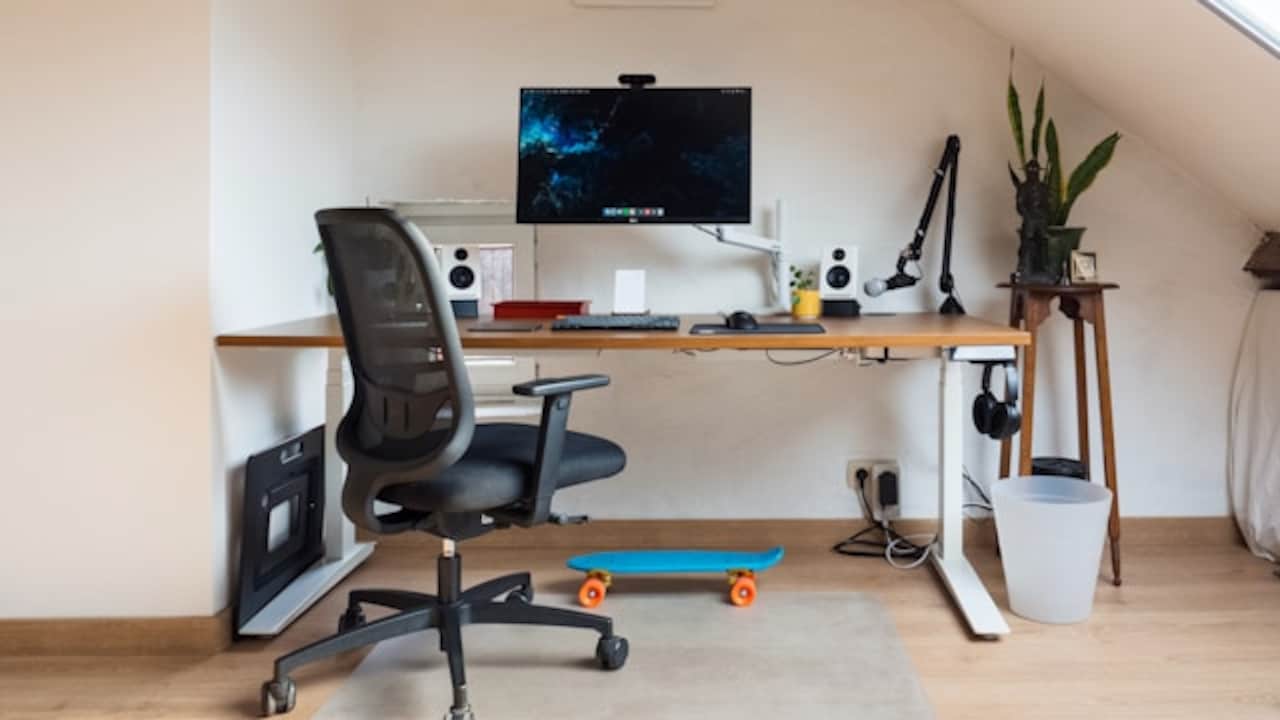
Poorly adjusted armrests can add more stress and tension, thereby increasing pain; Photo Credit: Unsplash
The Overlooked Importance Of Movement
Even the best chair cannot replace movement. The spine thrives on motion. Sitting still for long stretches deprives the body of this natural rhythm.
Small changes in posture refresh muscles and improve circulation. A brief walk to refill a water bottle or stretch near the window resets the spine.
Many offices now encourage micro-breaks every thirty to forty minutes. These short pauses prevent stiffness before it begins.
Movement does not require elaborate routines. A simple shoulder roll or gentle twist can revive tired muscles.
Consider the habit of standing during phone calls. This tiny adjustment introduces motion without disrupting productivity.
Bodies respond quickly to these shifts. The back feels lighter. Energy levels improve. Even concentration sharpens.
The goal involves balance rather than perfection. A supportive chair works best when paired with regular movement throughout the day.
Screen Position And Forward Lean
An uncomfortable chair often shares blame with another silent culprit: screen position. When a monitor sits too low, the body instinctively leans forward.
This forward lean shifts the head ahead of the shoulders. For every few centimetres the head moves forward, neck muscles experience increased strain.
Over time, this posture leads to tight shoulders and persistent neck pain. Many people attempt to correct the issue by sitting straighter, yet the body eventually returns to its habitual lean.
The monitor should sit at eye level, allowing the head to remain balanced above the spine. Laptop users often benefit from external keyboards or simple laptop stands.
Once the screen reaches the correct height, the body relaxes naturally. The urge to lean forward disappears.
The difference often surprises people. Back support improves immediately, even without changing the chair.
Ergonomics works best when every element of the workspace supports the spine in harmony.
Work Culture And Ignored Discomfort
Work culture often encourages endurance rather than awareness. Many professionals ignore back discomfort until it becomes impossible to overlook.
A busy schedule rarely leaves room for posture adjustments. Deadlines demand attention. Meetings fill the calendar. Physical discomfort quietly slips into the background.
Some workers assume back pain represents an unavoidable part of desk life. Others attempt quick fixes, from pain relief gels to weekend massages.
Yet the real solution frequently involves prevention. A supportive chair costs far less than repeated therapy sessions or medical consultations.
Companies increasingly recognise this reality. Ergonomic workspaces improve productivity, reduce sick days, and support long-term wellbeing.
When employees sit comfortably, focus improves. Tasks feel less exhausting. Even creative thinking benefits from physical ease.
A healthy back does more than prevent pain. It supports energy, concentration, and a sense of balance throughout the workday.
Investing In Support That Lasts
Furniture purchases often prioritise appearance or price. A sleek chair may look impressive in an office cabin, yet visual appeal does little for spinal health.
A well-designed ergonomic chair represents an investment rather than a luxury. Quality support protects the spine through years of daily use.
Prices vary widely. Some reliable chairs cost around ₹8,000 to ₹15,000, while advanced ergonomic models climb beyond ₹25,000. Though the price may seem steep, the long-term benefits often justify the expense.
Consider the hours spent sitting each year. Few tools influence daily comfort as much as a chair.
Testing a chair before purchasing helps reveal its true support. The back should feel supported without effort. The seat should encourage upright posture naturally.
When a chair fits properly, the body notices the difference immediately. Work feels smoother. Fatigue arrives later. The back quietly thanks the upgrade.
Products Related To This Article
1. CELLBELL C190 Berlin Office Chair
2. Casa Copenhagen,Mesh Office Desk,Rocking
3. Green Soul Kiev Orthopedic Boss Chair with 3 Year Warranty
4. ASTRIDE Octave BIFMA Certified Ergonomic Office Chair for Work
5. Green Soul Jupiter Pro | Ergonomic Mesh Office Chair for Work
Back pain rarely appears overnight. It develops gradually through habits that seem harmless at first. Among these habits, prolonged sitting in poorly designed chairs plays a major role.
The good news lies in how easily this issue can change. A supportive chair, thoughtful workspace adjustments, and regular movement transform the workday experience.
True comfort does not come from sinking into cushions. It comes from support that respects the spine's natural design.
Across offices, homes, and co-working spaces, many people continue to tolerate discomfort simply because they assume it is normal. Yet the body responds quickly when given the right support.
A chair may seem like a small detail in the larger world of work. In reality, it shapes posture, energy, and long-term wellbeing. Choose support wisely, and the spine will carry the rewards for years to come.
(Disclaimer: This article may include references to or features of products and services made available through affiliate marketing campaigns. NDTV Convergence Limited (“NDTV”) strives to maintain editorial independence while participating in such campaigns. NDTV does not assume responsibility for the performance or claims of any featured products or services.)











![Steam Iron Teflon Shoe Cover for ES-300,ST-96 [Only For ES-300 and ST-96 Model Electric Steam Irons]](https://m.media-amazon.com/images/I/51wwkttondL._SL160_.jpg)