The Real Reason Some Wardrobe Organisers Collapse And How to Stop It
Wardrobe organisers rarely collapse without reason. Hidden weight limits, poor assembly, and uneven storage quietly weaken them over time. Understanding these causes can help keep shelves sturdy and wardrobes organised for years.
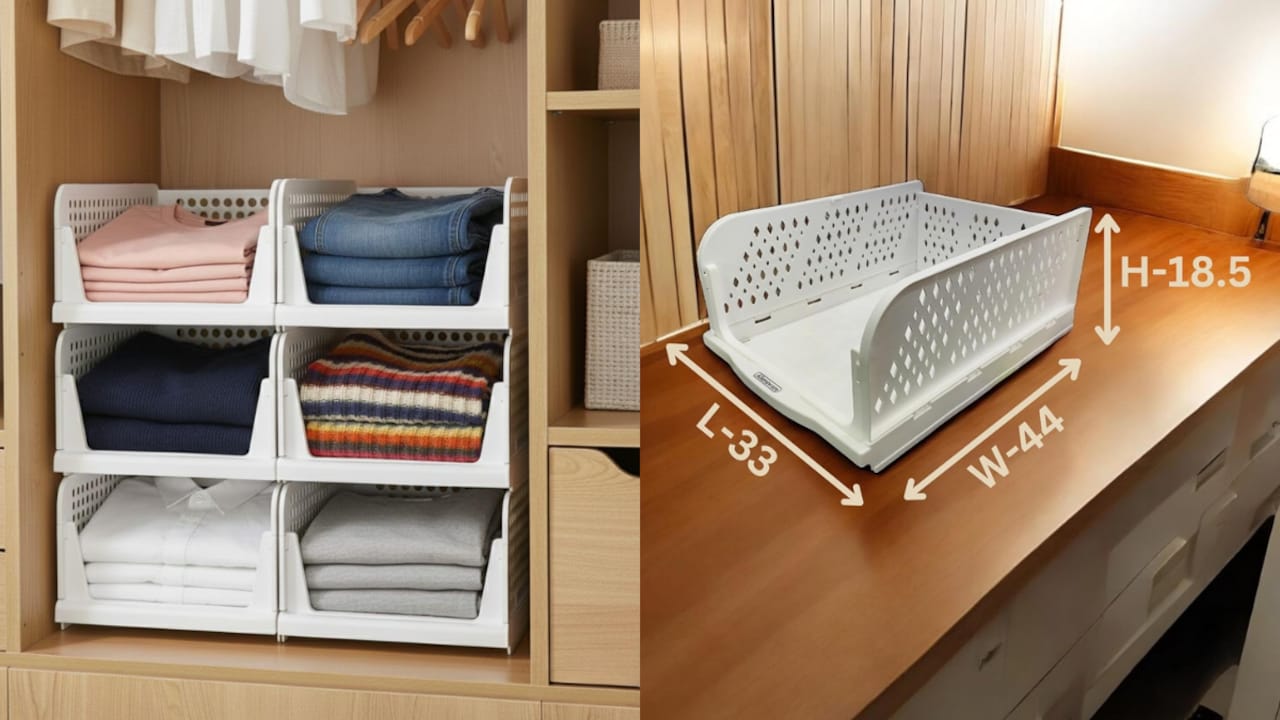
10 common reasons behind wardrobe organisers that keep losing their shape.
A wardrobe organiser often begins its life with great optimism. New shelves, neat boxes, and carefully folded clothes create a sense of calm that makes mornings smoother. Yet a few months later, the scene sometimes changes. Shelves start to bend. Plastic joints creak. Fabric compartments tilt like tired umbrellas. In some homes, the entire structure collapses during a rushed weekday morning, scattering shirts and scarves across the floor.
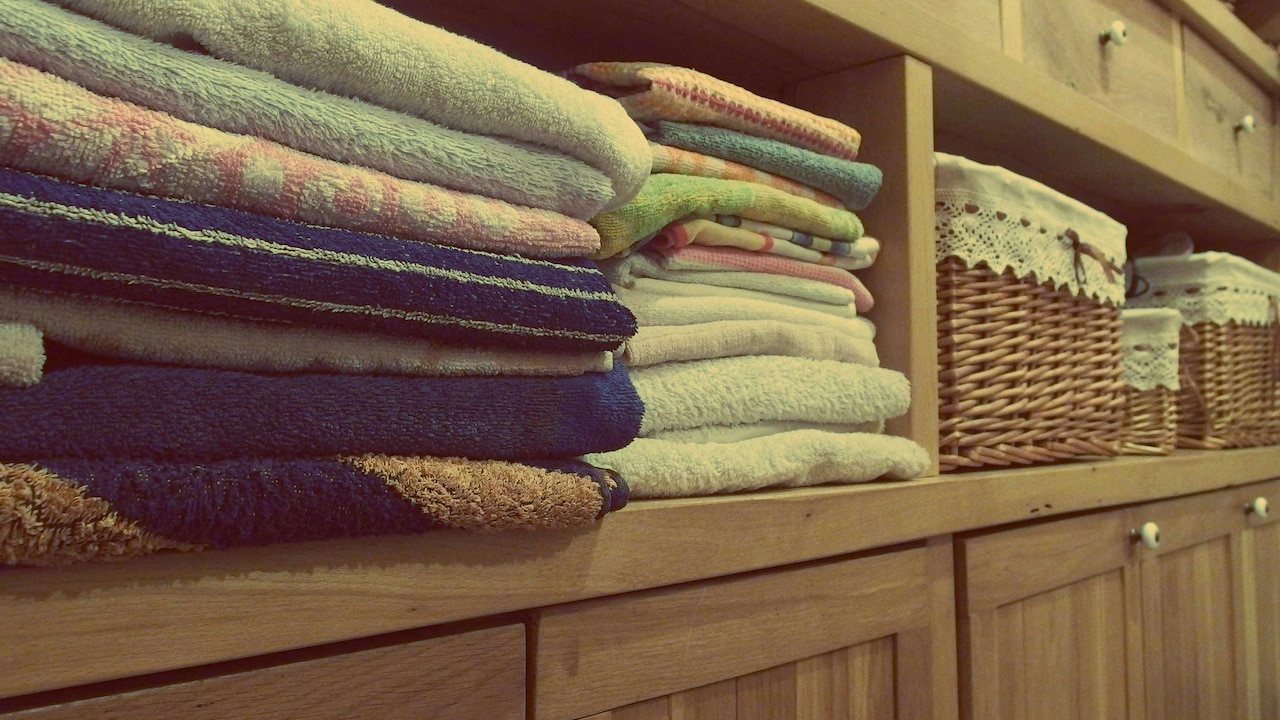
What makes wardrobe organisers collapse and how to fix it easily; Photo Credit: Pexels
Many assume poor quality stands behind every collapse. That explanation sounds convenient, but it rarely tells the full story. Even sturdy organisers fail when daily habits quietly work against them. Heavy winter blankets get stacked on thin shelves. Shoes pile up where the structure was designed for folded clothes. A small metal rod ends up holding the weight of ten jackets after a festive shopping spree.
The truth sits somewhere between design limits and human behaviour. Wardrobe organisers collapse not because they lack strength, but because they rarely receive the support, placement, and load balance they require. Understanding those overlooked details transforms a fragile setup into a reliable storage solution.
The following insights reveal why organisers fail and how simple changes prevent those frustrating wardrobe disasters.
Also Read: Best Home Organisers Under ₹1,200 to Declutter And Maximise Space
What Really Causes Wardrobe Organisers To Collapse
The Illusion Of Unlimited Storage
Wardrobe organisers create a tempting illusion: more shelves automatically mean more storage. The moment a new unit arrives, it feels like a blank canvas ready to hold everything from winter quilts to festive sarees and stacks of denim.
However, most organisers follow strict load limits that rarely appear obvious during assembly. A lightweight engineered board shelf might support only 5–7 kilograms safely. Yet a single stack of thick jeans or folded bed linens can easily exceed that weight.
This illusion of endless capacity quietly stresses the structure. The shelf does not collapse immediately. Instead, it bends slightly in the middle. Weeks later, the bend deepens. Eventually, the screws loosen and the shelf drops without warning.
Many households also treat wardrobe organisers as overflow storage for seasonal items. Suitcases, blankets, and heavy ethnic wear often find their way onto the top shelves. While convenient, that placement increases downward pressure on joints that were never designed to hold that weight.
Preventing this problem begins with realistic expectations. Treat each shelf as a light-duty storage space rather than a mini loft. Heavy items belong in trunks, under-bed storage, or reinforced cabinets. When the load stays within limits, the organiser remains upright and reliable.
Weak Assembly Is Often The Hidden Culprit
A wardrobe organiser may look sturdy once assembled, yet hidden weaknesses often lurk within the joints. Assembly instructions sometimes appear simple enough to rush through in a hurry. That decision usually returns later as wobbling shelves.
Loose screws create the most common issue. During assembly, many people tighten screws just enough to hold pieces together. Over time, the weight of clothing slowly widens those gaps. The structure begins to sway, and small movements stress the panels.
Incorrect alignment also contributes to failure. When side panels do not sit perfectly straight, the entire frame carries uneven pressure. One corner bears extra weight while the opposite side floats slightly above the ground. This imbalance weakens the frame day after day.
Fabric organisers with metal rods face similar issues. If rods fail to slide fully into their slots, they rest loosely instead of locking into place. A slight nudge can then cause the rod to slip out under weight.
Proper assembly makes an enormous difference. Taking time to tighten every screw firmly and align panels correctly strengthens the entire structure. Even a basic organiser becomes far more reliable when assembled with patience rather than speed.
Cheap Materials Cannot Carry Everyday Weight
Price often influences furniture decisions, especially when organisers appear similar at first glance. Two wardrobe units may look nearly identical, yet their materials determine how long they survive daily use.
Low-cost organisers frequently rely on thin particle boards or plastic connectors. These materials perform well under light loads but struggle when wardrobes become crowded. Over time, they warp, crack, or loosen.
Humidity adds another complication. During monsoon months, many homes experience higher moisture levels. Thin boards absorb moisture from the air and begin to swell slightly. That swelling weakens the board's internal structure and reduces its load capacity.
Metal frames in budget organisers may also use hollow rods with thin walls. They appear strong but bend gradually when supporting heavy garments like winter jackets or embellished wedding wear.
A slightly stronger organiser may cost ₹1,000 or ₹2,000 more, yet the difference in durability proves worthwhile. Thicker boards, reinforced corners, and stronger metal rods distribute weight more effectively.
Quality materials do not eliminate every problem, but they create a stronger foundation that handles everyday wardrobe use without sudden failure.
Uneven Weight Distribution Slowly Damages Shelves
Wardrobe organisers prefer balance. Unfortunately, wardrobes rarely stay balanced for long. One shelf ends up filled with heavy jeans while another holds only a few scarves. That uneven load creates stress on specific points of the structure.
When weight concentrates on one side, the shelf begins to sag from that corner first. The pressure then spreads to the vertical panel supporting that side. Over time, the panel shifts slightly outward, weakening the connection between parts.
Fabric organisers suffer the same fate. Hanging rods bend more quickly when several heavy jackets sit on one side while the other side remains empty. The rod gradually curves, reducing its strength.
Balancing clothing across shelves may sound like a minor detail, yet it dramatically increases stability. Placing heavier items evenly across the shelf spreads the load across the entire panel instead of concentrating it in one spot.
A wardrobe that appears slightly disorganised but balanced often lasts longer than a perfectly stacked shelf carrying all the weight in one corner.
Overloading During Festival Or Wedding Seasons
Festive seasons often transform wardrobes into miniature warehouses. New clothes arrive quickly during Diwali sales or wedding shopping trips. The organiser that handled everyday clothing suddenly holds double its usual load.
Heavy embroidered outfits, silk sarees, and thick sherwanis demand more space and support than regular garments. Many wardrobes struggle to accommodate these items without overloading shelves.
Suitcases and gift boxes sometimes join the mix. In homes where storage space runs tight, wardrobe organisers become temporary holding areas for these bulky items.
The structure may handle the extra weight for a short period. However, prolonged stress weakens the frame. A shelf that carried six kilograms comfortably now bears fifteen. The gradual strain bends panels and loosens connectors.
Seasonal rotation solves this problem. Storing rarely used clothing in trunks or vacuum bags reduces pressure on everyday organisers. This habit also keeps wardrobes easier to navigate during busy mornings.
By respecting the organiser's limits during shopping-heavy seasons, the structure avoids silent damage that leads to collapse later.
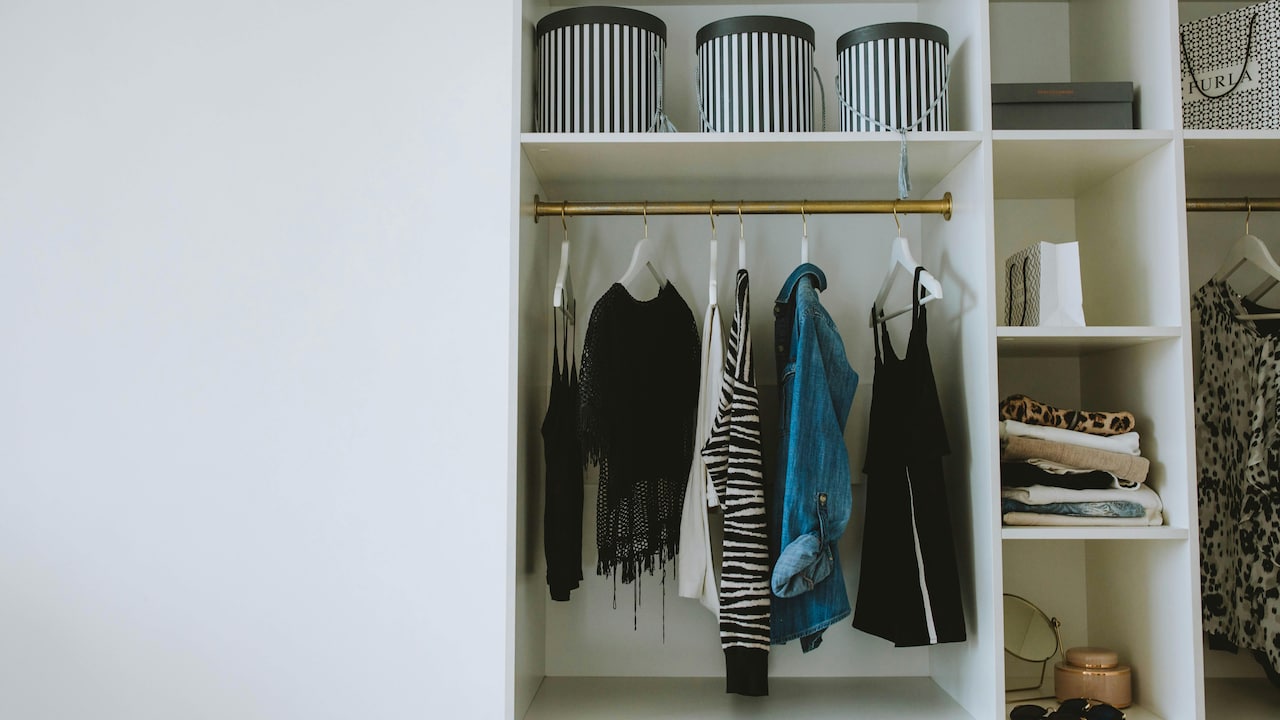
Store rarely used clothing in trunks or vacuum bags to reduce pressure on organisers; Photo Credit: Pexels
Poor Placement Creates Structural Stress
Location plays a surprisingly important role in wardrobe stability. Many organisers sit directly on uneven floors or cramped corners where they struggle to stand properly.
Even a small floor slope can tilt the entire structure. The organiser may appear stable at first glance, yet gravity constantly pulls the weight toward the lower side. Over months, this pressure weakens joints and panels.
Walls also influence stability. A wardrobe organiser placed flush against a wall gains natural support. In contrast, a unit standing in open space bears the full weight without assistance.
Humidity near windows or bathrooms adds further complications. Moisture gradually weakens wooden panels and rusts metal components. These subtle changes reduce structural strength.
A simple solution involves choosing a level surface and positioning the organiser against a wall whenever possible. Some homeowners even secure tall organisers with small wall brackets for additional support.
Such precautions take only minutes but significantly increase the lifespan of the organiser.
Ignoring Weight Limits On Hanging Rods
Hanging rods appear deceptively strong. They hold clothes neatly and save space compared to folded stacks. However, these rods often carry more weight than any other part of the organiser.
A single rod may end up supporting ten shirts, several jackets, and perhaps a couple of heavy coats. That collection easily exceeds the rod's intended capacity.
The rod usually bends slowly rather than snapping immediately. A slight downward curve appears first. As the bend increases, the rod places additional stress on its connectors. Eventually, the connectors loosen, and the rod slips out.
The solution lies in mindful distribution. Heavy garments such as winter coats or thick lehengas deserve separate storage or sturdier hangers. Lightweight clothing, such as shirts and kurtas suit organiser rods far better.
Some wardrobes benefit from installing two shorter rods instead of one long rod. This arrangement spreads the weight across multiple support points.
By treating hanging rods with the same care as shelves, the organiser avoids one of its most common failure points.
Neglecting Periodic Tightening And Maintenance
Furniture often receives attention only when something goes wrong. Yet wardrobe organisers benefit greatly from occasional maintenance.
Over time, daily vibrations loosen screws and connectors. Opening drawers, shifting shelves, and placing new clothes create small movements that slowly weaken joints.
A five-minute check every few months can prevent these issues from escalating. Tightening screws restores structural firmness and eliminates wobbling before it grows serious.
Cleaning also plays a role. Dust and moisture accumulation can weaken certain materials. Wiping shelves and joints keeps surfaces dry and stable.
Some organisers include adjustable connectors or support rods. Checking their alignment ensures they continue distributing weight correctly.
Maintenance rarely appears exciting, yet it extends the lifespan of the organiser significantly. Much like servicing a scooter before problems arise, small efforts prevent expensive replacements later.
The Danger Of DIY Modifications
Creative storage solutions often lead to improvised modifications. Extra rods get added with rope. Shelves get removed to create taller spaces. Sometimes bricks or boxes appear underneath to “support” sagging sections.
While such solutions may seem clever, they frequently worsen the problem. Altering the organiser's design disrupts the original load distribution.
Removing a shelf, for instance, may increase space for hanging clothes. Yet that shelf also acted as a structural brace connecting the side panels. Without it the frame becomes weaker.
Adding heavy items like bricks for support introduces uneven pressure. Instead of strengthening the organiser, the added weight strains the lower panels further.
A better approach involves working within the organiser's design. Storage boxes, cloth dividers, and lightweight organisers enhance functionality without altering structural integrity.
Sometimes the most reliable fix simply involves redistributing clothing rather than redesigning the furniture itself.
Choosing The Right Organiser For Your Wardrobe
Many collapses occur because the organiser never suited the wardrobe's actual needs. A compact fabric organiser may work perfectly for a student's clothing collection, but struggle in a household with extensive festive wear and seasonal garments.
Understanding storage habits helps select the right design. Households with many folded clothes benefit from sturdy shelf-based organisers with thick boards. Those with more hanging garments should prioritise strong metal frames and reinforced rods.
Height and depth also matter. A tall organiser stores more items but requires stronger support and a stable floor. Smaller units may offer greater durability if wardrobes already contain built-in shelves.
Budget considerations remain important, yet durability should carry equal weight. Spending ₹3,000 on a sturdy organiser that lasts five years often proves wiser than replacing a ₹1,200 unit every year.
Selecting the right organiser at the start prevents many structural issues later.
Products Related To This Article
1. HomeStrap Non-Woven 24 Compartment Socks Organizer
2. LAXIS® 6 Pcs Non-Woven Shirt Stacker, Organizer for Wardrobe
3. Kuber Industries Non Woven Fabric Foldable Hanging 4 Shelves Wardrobe
4. Amazon Basics Plastic 6 Rack Multipurpose Modular Drawer Storage Rack
5. 3PC Large Wardrobe Cloth Organizer for Storage
Wardrobe organisers rarely collapse without warning. Small signs appear long before disaster strikes: a bending shelf, a wobbling frame, or a rod that tilts slightly under pressure. These subtle signals reveal that the structure struggles with weight, balance, or assembly issues.
Understanding the real reasons behind these failures transforms wardrobe storage from a gamble into a reliable system. Balanced loads, proper assembly, thoughtful placement, and occasional maintenance strengthen even modest organisers.
Clothing storage should simplify daily routines, not create unexpected chaos on a busy morning. With careful use and smarter choices, wardrobe organisers remain dependable companions rather than fragile furniture waiting for the next collapse.
A stable wardrobe ultimately depends less on the organiser itself and more on the habits surrounding it. When those habits align with the structure's limits, shelves stay straight, rods stay strong, and mornings remain blissfully organised.
(Disclaimer: This article may include references to or features of products and services made available through affiliate marketing campaigns. NDTV Convergence Limited (“NDTV”) strives to maintain editorial independence while participating in such campaigns. NDTV does not assume responsibility for the performance or claims of any featured products or services.)





![Steam Iron Teflon Shoe Cover for ES-300,ST-96 [Only For ES-300 and ST-96 Model Electric Steam Irons]](https://m.media-amazon.com/images/I/51wwkttondL._SL160_.jpg)