Water Bottles That Start Smelling: Causes And Fixes
Smelly water bottles often result from trapped moisture, bacteria and poor cleaning habits. Learn what causes unpleasant odours and discover simple, effective ways to keep bottles fresh, clean, and safe every day.
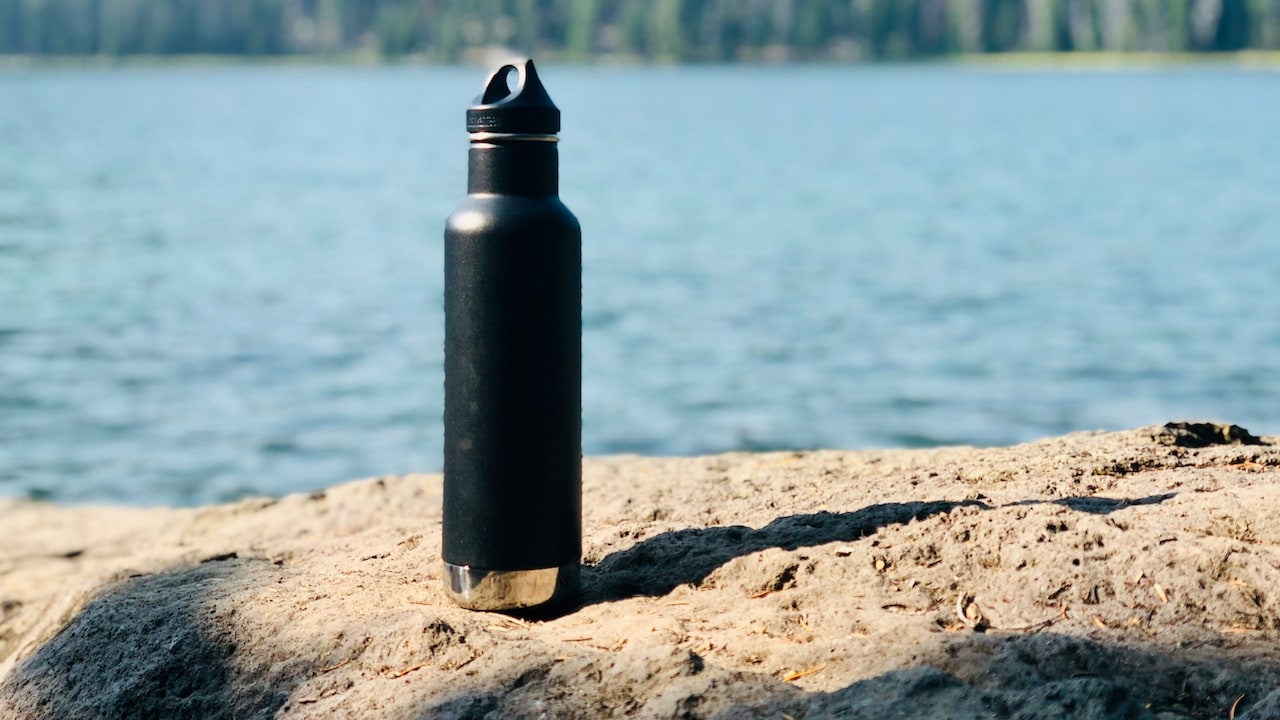
What causes bad smell in water bottles and how to clean them for best results
Few things feel more annoying than opening a water bottle on a warm afternoon, expecting refreshing hydration, only to get hit by a stale, musty smell. It can instantly ruin the drinking experience. Whether carried to the office, gym, school, or on long train rides, water bottles often become an essential part of daily life. However, many people overlook the simple maintenance these containers need. That unpleasant smell rarely appears without reason. Tiny mistakes, like leaving water sitting too long or forgetting to dry the bottle properly, often create the perfect breeding ground for bacteria and mould. Add the humid climate many regions experience, and the problem can escalate quickly.
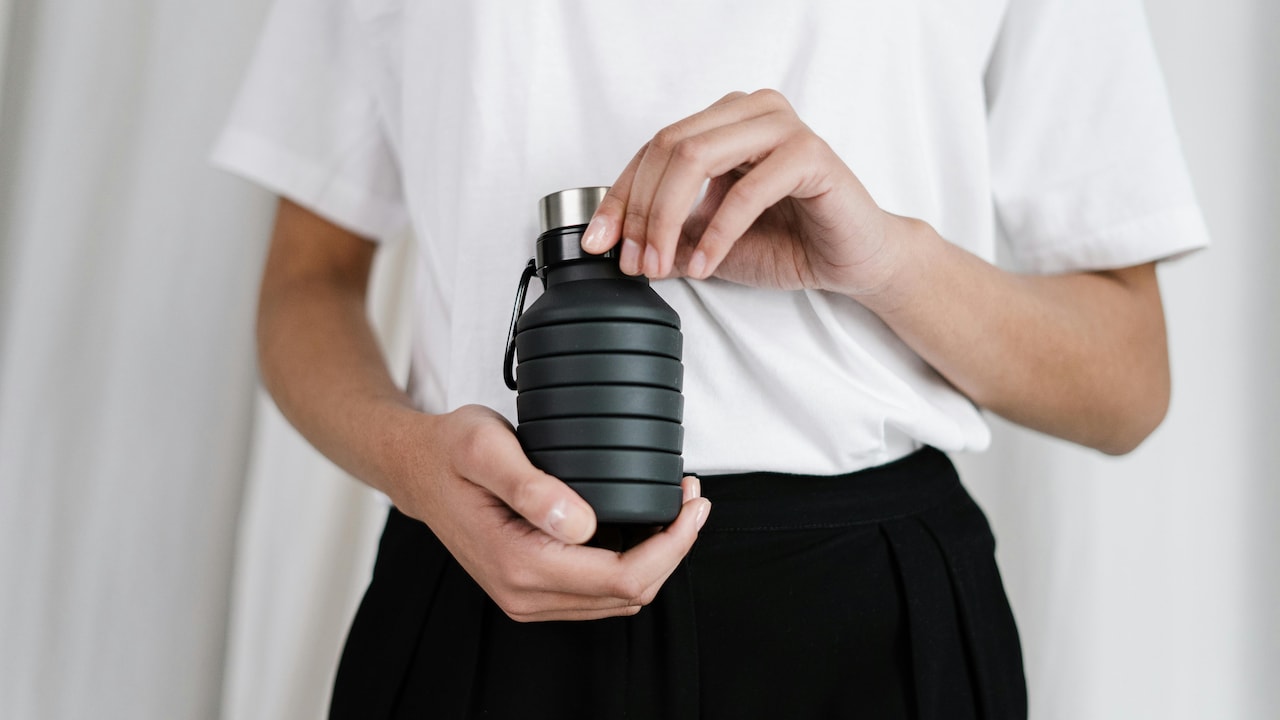
Different reasons for a bad-smelling water bottle and how to clean it effectively; Photo Credit: Pexels
Fortunately, smelly water bottles are not a lost cause. With the right cleaning methods, smart habits, and a little awareness, it is easy to keep bottles smelling fresh and safe. Knowing the causes also helps prevent the issue from returning, ensuring every sip tastes exactly as it should.
Also Read: Stay Cool In School With These Top 10 Insulated Water Bottles For Students On Amazon
Common Causes And Practical Fixes For Smelly Water Bottles
The Hidden Bacteria Build-Up
A water bottle may look clean on the outside, but inside, it can become a playground for bacteria. Every sip transfers bacteria from the mouth into the bottle. Over time, these microorganisms multiply, especially when bottles stay sealed for long periods. Warm temperatures only speed up this process, creating unpleasant smells that can rival forgotten leftovers.
Reusable bottles often trap moisture, which bacteria love. Even transparent bottles can hide invisible colonies clinging to the walls or tucked beneath lids. This is why a bottle that seems perfectly fine may suddenly develop a funky odour.
Regular washing with warm soapy water helps, but many people rush through the process. A quick rinse rarely removes stubborn germs. Bottle brushes prove especially useful for scrubbing deep interiors. Paying extra attention to caps and straws is crucial since these areas often harbour the worst smells. A thorough cleaning every day keeps bacteria from turning hydration into an unpleasant surprise.
Moisture: The Silent Trouble-Maker
Moisture may seem harmless, but it is one of the leading reasons bottles start smelling bad. Leaving even small droplets trapped inside creates the ideal damp environment for mould and mildew. This issue becomes even more common during the monsoon season, when drying takes longer.
Closing a bottle immediately after washing often locks in humidity. That trapped moisture encourages unpleasant growth, leading to stale or sour odours. Stainless steel, plastic, and glass bottles all face this problem if not dried correctly.
Air drying bottles upside down on a clean rack works wonders. Allowing full ventilation before sealing prevents smells from taking hold. Lids should also dry separately because moisture often hides in their grooves. It may feel like a small extra step, but proper drying can save the expense of replacing bottles frequently. After all, spending ₹800 on a fancy new bottle every few months because of bad smells makes little sense when prevention costs almost nothing.
Plastic Bottles And Odour Absorption
Plastic bottles have convenience on their side, but they often absorb smells faster than other materials. This happens because plastic can retain flavours and odours from beverages, especially sugary drinks, flavoured water, or protein shakes.
Even after washing, traces of old contents can linger within the material itself. Over time, this creates a stubborn smell that ordinary soap may not remove. Using plastic bottles repeatedly for juices or energy drinks often worsens the issue.
Switching to stainless steel or glass can reduce odour retention significantly. However, for those sticking with plastic, a baking soda soak can help neutralise stubborn smells. Filling the bottle with warm water and a spoonful of baking soda overnight often refreshes it effectively. Plastic may remain budget-friendly, but without proper care, it can quickly become a smelly inconvenience.
Forgotten Lids And Caps
Many bottle owners focus on cleaning the main container while neglecting the lid. Unfortunately, caps often hold the strongest odours. Tiny crevices, rubber seals, and straw openings trap moisture and bacteria more easily than the bottle itself.
Flip-top lids and insulated bottle caps can become particularly problematic. These designs often feature hidden spaces where grime builds up unnoticed. Over time, this trapped residue causes unpleasant smells that seem impossible to remove.
Disassembling lids whenever possible allows for a much deeper clean. Small brushes or old toothbrushes work well for reaching difficult spots. Vinegar solutions can also break down odour-causing build-up effectively. Ignoring the cap while cleaning the bottle is like washing clothes but skipping the socks, something unpleasant always remains.
The Role Of Sugary And Flavoured Drinks
Water bottles often pull double duty, holding lemonade, fruit juices, or buttermilk during busy days. While convenient, these beverages leave behind residues that bacteria feast on. Even tiny sugar traces can cause smells to develop rapidly.
Dairy-based drinks prove especially troublesome. A forgotten bottle with leftover lassi on a hot day can create an odour strong enough to clear a room. Sweetened beverages also leave films that ordinary rinsing may miss.
If bottles regularly hold anything besides plain water, immediate washing becomes essential. Deep cleaning after each use prevents lingering smells and protects long-term bottle quality. Dedicated bottles for different beverages can also help. Keeping one bottle exclusively for water often preserves freshness much longer.
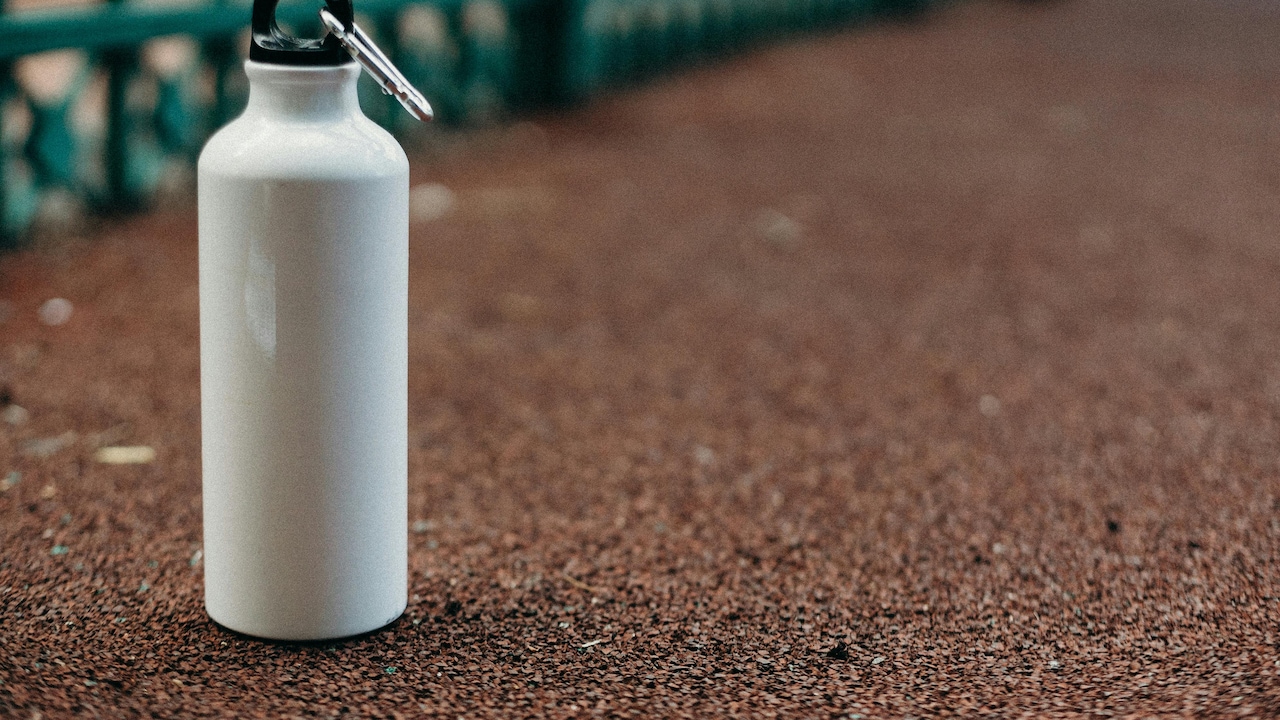
Drinks like lemonade, fruit juices, or buttermilk can leave behind residues that bacteria feast on; Photo Credit: Pexels
Natural Cleaning Solutions That Actually Work
Chemical cleaners are not always necessary when tackling bottle odours. Several simple kitchen ingredients can work wonders. Baking soda, white vinegar, and lemon are among the most effective natural solutions.
Vinegar cuts through bacteria and mildew, while baking soda neutralises smells. Lemon adds freshness and helps remove stains. Combining these ingredients occasionally can restore even heavily used bottles.
For example, soaking a bottle in warm water, vinegar, and lemon slices overnight often produces impressive results. A morning rinse leaves bottles noticeably fresher. These methods remain affordable and accessible, especially when compared to costly speciality cleaning products. Natural cleaning also avoids harsh chemical residues, making it safer for daily use.
Material Matters More Than Expected
Not all bottles age the same way. Material choice greatly influences how smells develop. Plastic absorbs odours fastest, while stainless steel resists smells more effectively. Glass bottles offer excellent freshness but require careful handling.
Copper bottles, popular in many households, also need regular maintenance to prevent metallic or stale odours. Each material demands specific care routines, and ignoring them can shorten a bottle's lifespan.
Investing in a high-quality bottle may seem expensive initially, but it often saves money over time. Spending ₹1,500 on a durable stainless steel bottle can prove smarter than repeatedly replacing cheaper alternatives. Choosing wisely can reduce smell issues before they even begin.
Storage Habits Can Make Or Break Freshness
How bottles are stored matters more than many realise. Leaving bottles in hot cars, gym bags, or direct sunlight encourages bacterial growth and odour formation. Heat accelerates moisture build-up and worsens trapped smells.
Storing bottles with caps off when not in use helps maintain airflow. Clean, dry cupboards work far better than dark, damp corners. Many people unknowingly sabotage their bottle hygiene simply through poor storage habits.
Treating bottles with the same care as kitchenware improves their lifespan and freshness significantly. Small adjustments can prevent recurring odour problems with minimal effort.
Knowing When To Replace A Bottle
Sometimes, despite every cleaning trick, a bottle continues to smell bad. Deep scratches, worn plastic, damaged seals, or persistent mould may signal that replacement is the best option.
Older bottles often develop microscopic damage that harbours bacteria permanently. In such cases, continued use may compromise hygiene. Recognising when to let go is just as important as regular maintenance.
Replacing an old bottle may feel inconvenient, but health and comfort come first. A fresh bottle can restore confidence in daily hydration and eliminate lingering concerns about cleanliness.
Prevention Is Always Better Than Cure
The easiest solution to smelly bottles lies in prevention. Daily washing, proper drying, regular deep cleaning, and mindful beverage choices all contribute to lasting freshness.
Simple routines create major benefits. Cleaning a bottle thoroughly each evening takes only a few minutes but prevents frustrating odours later. Preventive care also protects investment, whether the bottle costs ₹300 or ₹3,000.
Fresh-smelling bottles make hydration more enjoyable and encourage healthier habits overall. Prevention removes the guesswork and keeps every sip clean and refreshing.
Products Related To This Article
1. SLOVIC Steel Water Bottle 1 Ltr
2. Go24 pexpo Stainless Steel Water Bottle 1 LTR
3. Lifelong Stainless Steel Water Bottle 900ml
4. SKYTONE® Water Bottle For Office
5. Water Bottle 1 ltr Stainless Steel Sports/Fridge Bottle with Sipper Cap
A smelly water bottle may seem like a minor nuisance, but it often reflects overlooked hygiene habits that can affect both taste and health. From bacterial build-up and trapped moisture to poor storage and material choices, several factors contribute to unpleasant odours.
Fortunately, the fixes remain simple and practical. Regular cleaning, natural deodorisers, proper drying, and thoughtful usage can dramatically extend a bottle's freshness. Small daily habits often make the biggest difference.
A well-maintained bottle not only saves money but also ensures hydration stays enjoyable. In a fast-paced world where reusable bottles have become daily essentials, keeping them fresh is less about effort and more about consistency. After all, water should refresh the body, not challenge the senses.
(Disclaimer: This article may include references to or features of products and services made available through affiliate marketing campaigns. NDTV Convergence Limited (“NDTV”) strives to maintain editorial independence while participating in such campaigns. NDTV does not assume responsibility for the performance or claims of any featured products or services.)