What To Do If A Door Lock Gets Jammed Suddenly
Stuck with a jammed door lock? Discover practical steps to fix it quickly, avoid damage, and know when to call a locksmith for help.
What To Do If A Door Lock Gets Jammed Suddenly
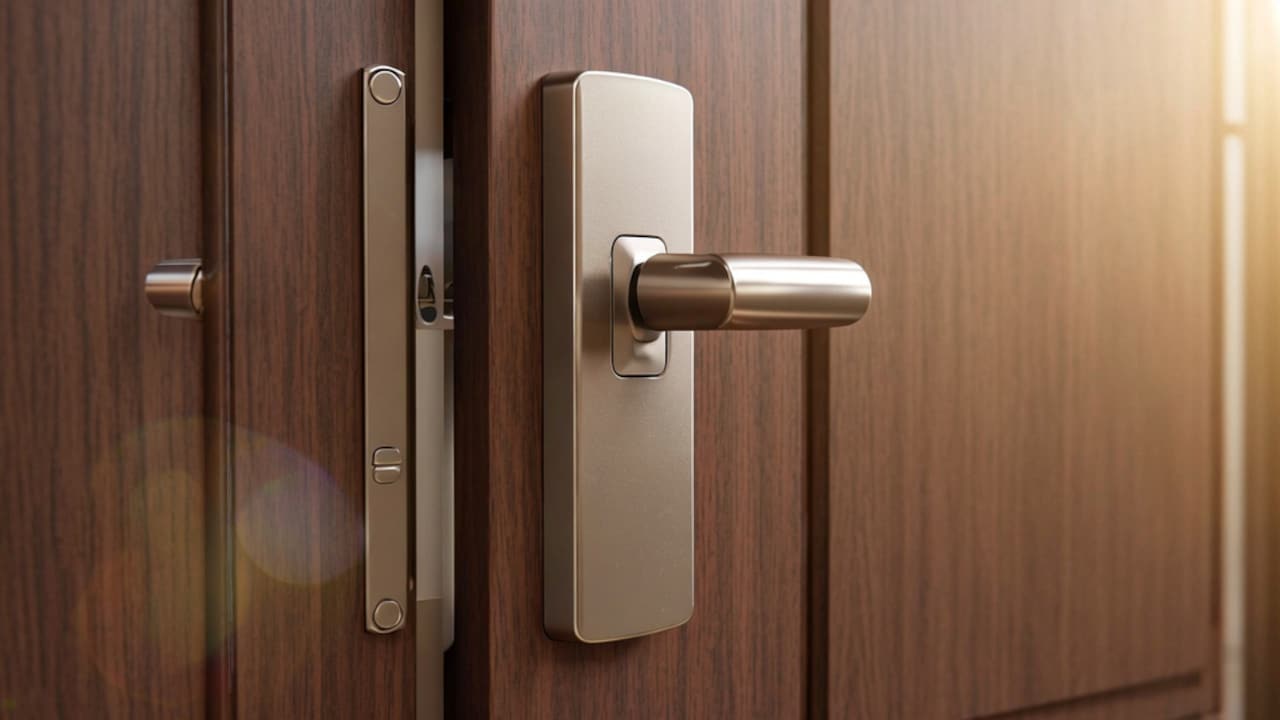
A jammed door lock is one of those annoying things that always happens at the worst possible time, like when you're rushing out in the morning, getting home late at night, or even just trying to get into your own front door. This is inconvenient, sometimes scary, and surprisingly common in both older and newer homes. The good news is that most lockouts don't require an emergency locksmith right away. With a little patience and the right approach, you can usually sort it out yourself without causing any further damage to the lock or the door.
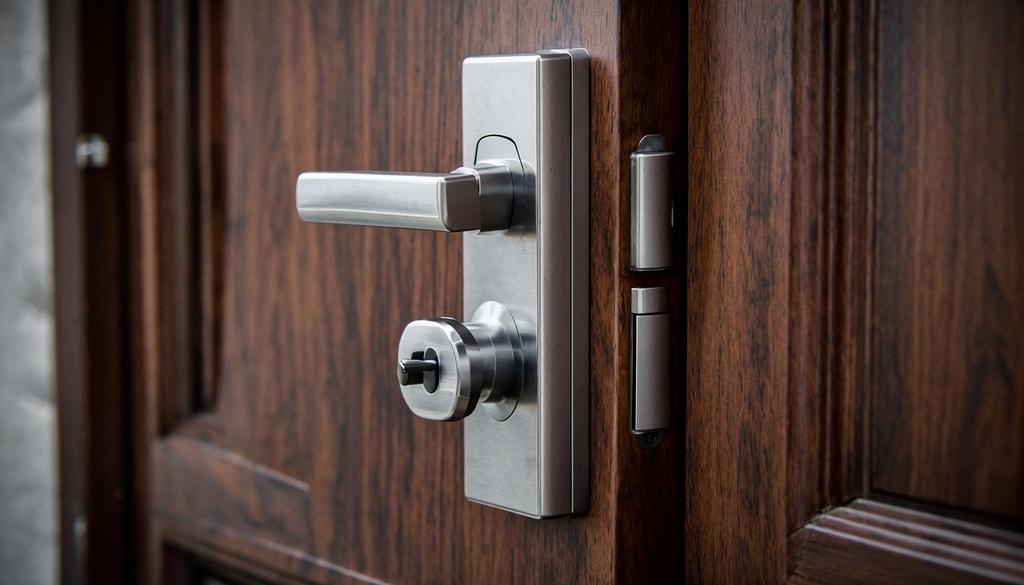
Discover easy ways to open a stuck lock and know exactly when to call professional help.
Photo Credit: iStock
That said, don't push anything. Yanking a key or jamming a handle can turn a minor problem into a costly repair. As with most things in life, knowing the right things to do and why locks jam in the first place is the difference between a quick fix and an expensive replacement.
Why Does a Door Lock Jam in the First Place?
Knowing what is probably wrong with a jammed lock before you start trying to fix it helps. Most jammed locks aren't random; there's usually a good reason for them.
1. Dirt and Debris Buildup Inside the Mechanism
Over time, dust, dirt, and general debris can find their way into the lock cylinder. This is especially true in the case of exterior door locks exposed to the elements. As you build up enough, the internal pins and tumblers are unable to move freely, and the key does not turn smoothly.
2. Misaligned Door or Latch
If your door has dropped slightly — which happens with wooden doors that have swollen due to moisture or general wear on hinges — the latch bolt may no longer line up with the strike plate properly. This causes a grinding, stuck sensation when you try to open the door, even when the key turns just fine.
3. A Worn or Damaged Key
Sometimes, the issue isn't with the lock; it's the key. Keys that have had heavy use over the years can be a little bent or worn. If a key no longer fits exactly to the internal profile of the lock, it will not seat the pins properly, and the lock will jam.
Also Read: 5 Smart Door Locks With Remote Access And Convenient For Everyday Living
What To Do If A Door Lock Gets Jammed Suddenly
Stay composed and address the issue methodically. In haste, you will almost always make a bad situation worse and possibly snap the key off in the lock, which will be a much bigger headache to remedy.
Step 1: Don't Force the Key or Handle
This is the most important rule. Don't continue to apply pressure if the key won't turn or the handle won't move. Forcing it can bend or break the key, damage the lock cylinder, or warp the latch mechanism. First, take a breath and see what the situation is.
Step 2: Apply a Dry Lubricant to the Lock
A graphite-based lubricant or a dry PTFE spray works really well for stuck locks. Avoid WD-40 for this job — it's a moisture displacer rather than a long-term lubricant and can attract more grime over time. Spray or apply the lubricant directly into the keyhole, then gently insert the key and try turning it with slow, steady pressure. Give it a minute to work through the mechanism.
Step 3: Check the Door Alignment
As you turn the key, try lifting the door handle up a bit. If the door has dropped on its hinges, this little tweak can move the latch in the right direction to get it to pop out of the strike plate and unlock the door. You could try to push the door inwards or outwards gently while working the key – again, slowly and without force.
Step 4: Check for a Broken or Bent Key
Gently remove the key and examine it under good lighting. Check the ridges for any cuts, chips, or obvious wear. If the key looks broken, don't replace it. If you continue to use a worn key, you can make the jam worse and risk having it snap off inside the lock. The locksmith can cut a new key from the original or from the code of the lock.
How To Fix a Jammed Door Lock at Home
If the initial steps haven't resolved the issue, there are a few more things you can try before calling in a professional.
1. Tighten Loose Hinge Screws
If it is not sitting right, it is often loose hinge screws, not the lock itself. Use a screwdriver to tighten all the hinge screws on the door and frame. A small shift in the door position may relieve the pressure on the latch and allow the lock to work properly again.
2. Clean the Lock Cylinder
If you suspect dirt or grime is the culprit, you can carefully remove the lock cylinder if you're comfortable doing so. Soak it briefly in a cleaning solution, dry it fully, and reassemble with a light application of graphite lubricant. This can genuinely restore a lock that's been neglected for years and bring it back to smooth working order.
When To Call a Locksmith
There are some situations where DIY simply isn't the right call, and recognising them early saves you time, money, and further damage.
1. If the Key Has Snapped Inside the Lock
A broken key stuck in the barrel needs professional extraction tools. Trying to fish it out with a pin or paperclip usually pushes it further in and can damage the internal pins. A locksmith can extract it cleanly without replacing the entire lock in most cases.
2. If the Lock Is Visibly Damaged or Old
If your lock shows signs of corrosion, visible cracking, or it's simply very old, no amount of lubrication is going to fix the underlying issue. At that point, replacing the lock is the safer and more cost-effective long-term solution. A locksmith can recommend a suitable replacement and fit it properly.
How To Prevent Your Door Lock From Jamming Again
Prevention is far easier than dealing with a jammed lock at an inconvenient time. Routine maintenance can be very effective.
1. Lubricate Your Lock Every Six Months
Make it a habit to apply a dry graphite lubricant to your locks twice a year. This keeps the internal mechanism moving freely and stops grime from building up. It takes less than a minute and can genuinely extend the life of a lock by years.
2. Check Door Alignment Seasonally
Wooden doors expand and contract with temperature and humidity changes throughout the year. Checking that your door sits flush in its frame each season — and adjusting the hinges as needed — prevents the gradual misalignment that causes so many jammed locks. It's a simple habit that most people overlook until something goes wrong.
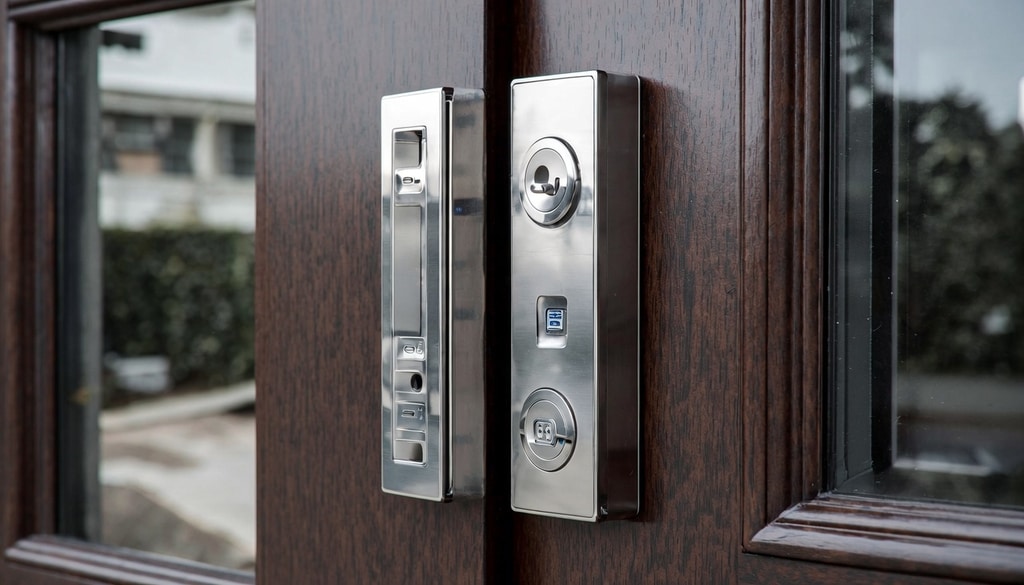
Fix your jammed door lock with these simple troubleshooting tips before calling an expert locksmith.
Photo Credit: iStock
Some Products You May Consider
1. LAPO Premium Stainless Steel Glass Door Lock
2. Elara Apex Prime Smart Door Lock
3. Dorset Kaira Mortise lockset with Both Side Keys
4. Amazon Basics Heavy-Duty Door Lock Set | Mortise Door Lock
5. SARDAR Black & Gold 7 Inch Iron Mortise Door Handle Lock Set
6. DRUCILA 90 Degree Flip Barn Door Lock
7. Plantex Heavy-Duty Door Lock Set
8. Godrej Mortise Door Lock Handle Set
A jammed door lock can be frustrating, especially when it happens unexpectedly. However, staying calm and trying a few simple fixes such as lubricating the lock, checking the key for damage, or gently removing any debris—can often solve the problem without professional help. If the lock remains stuck or shows signs of wear and tear, it's best to contact a locksmith to avoid causing further damage. Regular maintenance and timely repairs can help keep your door locks functioning smoothly and prevent sudden lockouts in the future.
Frequently Asked Questions (FAQs)
1. Can I use WD-40 on a jammed door lock?
It's better to avoid WD-40 as a lock lubricant. It can displace moisture initially but tends to attract grime over time. A graphite spray or dry PTFE lubricant is a far better choice for door locks.
2. How do I know if my lock needs replacing rather than fixing?
If the lock is visibly corroded, more than 10–15 years old, or keeps jamming even after lubrication and alignment checks, replacement is likely the more sensible option.
3. What should I do if my key snaps inside the lock?
Don't attempt to extract it yourself with sharp objects. Call a locksmith who has the proper extraction tools to remove it without damaging the lock cylinder.
4. Can humidity cause a door lock to jam?
Yes, particularly with wooden doors. Moisture causes wood to swell, which shifts the door in its frame and puts pressure on the latch and lock alignment. This is very common during winter or in damp climates.
5. Is it expensive to have a locksmith fix a jammed lock?
Call-out costs vary, but a straightforward jammed lock or key extraction is usually reasonably priced. Full lock replacement costs more, which is why regular maintenance is worth doing.
(Disclaimer: This article may include references to or features of products and services made available through affiliate marketing campaigns. NDTV Convergence Limited (“NDTV”) strives to maintain editorial independence while participating in such campaigns. NDTV does not assume responsibility for the performance or claims of any featured products or services.)







![Steam Iron Teflon Shoe Cover for ES-300,ST-96 [Only For ES-300 and ST-96 Model Electric Steam Irons]](https://m.media-amazon.com/images/I/51wwkttondL._SL160_.jpg)