10 Reasons Artificial Plants Look Dusty So Quickly And How To Keep Them Cleaner
Artificial plants offer effortless greenery, but their leaves can quickly turn grey. Here’s why they attract so much dust and how simple cleaning habits can keep them looking fresh.
10 Easy Ways To Keep Artificial Plants Clean And Dust-Free
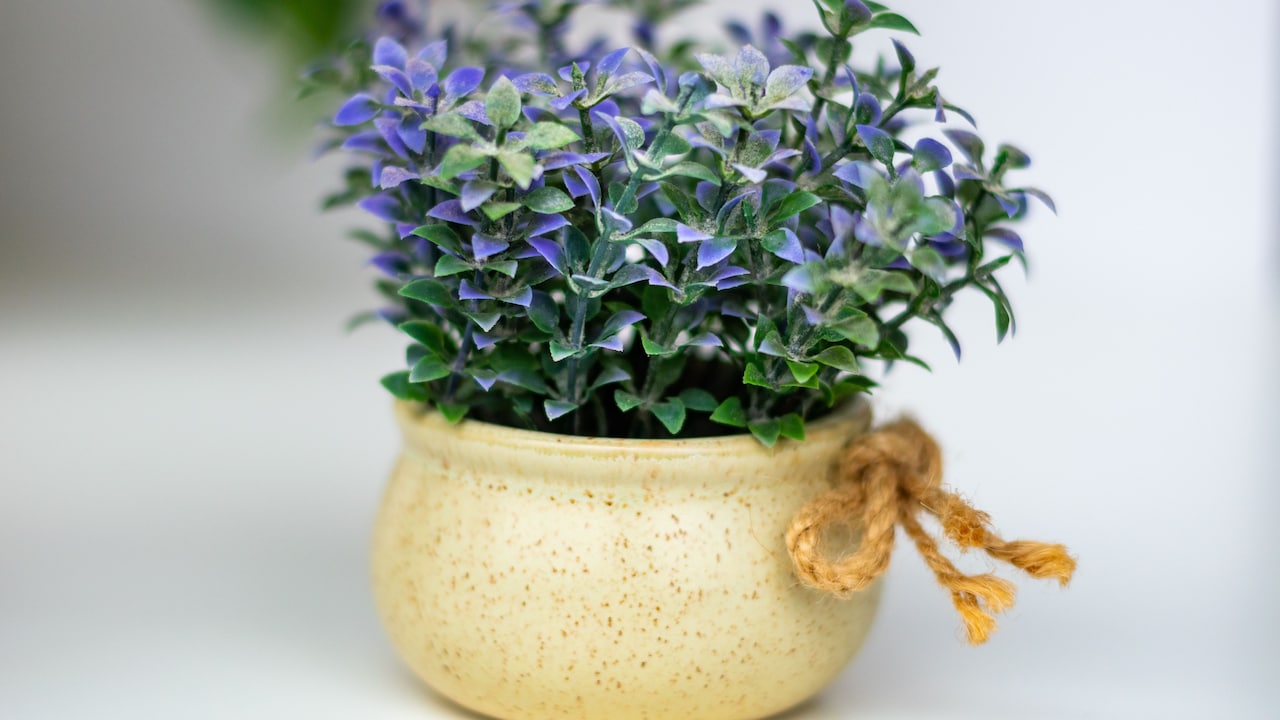
Artificial plants promise all the charm of greenery without demanding sunlight, water or patient care. They never wilt during a heatwave, object to a dark hallway or suffer when everyone leaves town for a week. Yet they come with one surprisingly visible problem: dust.
10 Easy Ways To Keep Artificial Plants Clean And Dust-Free
Photo Credit: Pexels
A faux monstera can look glossy and convincing when it first arrives. A fortnight later, its broad leaves may carry a dull grey film. Delicate ferns fare even worse because their tiny fronds trap dust in places that seem impossible to reach. Add cooking fumes, ceiling fans, open windows and everyday humidity, and that smart décor purchase can soon look rather tired.
The good news is that artificial plants rarely need expensive cleaning products or exhausting maintenance. Once you understand where the grime comes from, keeping them presentable becomes much easier. These ten common reasons explain why faux greenery gets dusty so quickly and what you can do about it.
Why Artificial Plants Gather Dust And How To Keep Them Fresh
1. Static Electricity Pulls Dust Towards The Leaves
Many artificial plants use plastic, polyester or other synthetic materials. These surfaces can develop a mild static charge, especially in air-conditioned or relatively dry rooms. That charge acts like a tiny magnet for loose dust, lint and hair. The leaves don't merely sit there waiting for dirt to land; they can actively attract fine particles floating nearby.
Frequent wiping with a completely dry cloth may make the problem worse. Friction can create more static, so the plant looks clean for a day before collecting another visible layer. Instead, use a slightly damp microfibre cloth. It captures the dust and helps reduce the charge without soaking the material.
For small or textured leaves, lightly mist the cloth rather than spraying the plant directly. Work from the stem towards the tip so that you don't loosen glued edges. An anti-static cleaning cloth can also help, but check it on a hidden leaf first. Some products leave a shiny coating that makes faux greenery look suspiciously polished rather than naturally fresh.
2. Broad Leaves Make Every Speck More Noticeable
Large artificial leaves create a dramatic effect, which explains the popularity of faux banana plants, fiddle-leaf figs and monsteras. Unfortunately, those generous surfaces also provide spacious landing grounds for dust. A few particles may disappear among the narrow fronds of an artificial palm, but the same amount can form an obvious grey veil across a wide, dark green leaf.
Glossy leaves expose the problem even faster. Dust breaks up their smooth reflection, making them look patchy under daylight or warm lamps. Cleaning these plants little and often takes far less effort than waiting for a thick layer to build up.
Once a week, support each leaf from underneath and wipe its upper surface with a damp microfibre cloth. Don't tug it away from the central stem. If the plant has twenty or thirty leaves, rotate the pot and clean one section at a time. This turns an annoying weekend chore into a quick routine. A soft make-up brush works well around deep veins and decorative splits where an ordinary cloth cannot reach comfortably.
3. Open Windows Invite Outdoor Dust Inside
Opening the windows brings welcome air into a stuffy room, but it also allows dust, pollen, fine soil and traffic residue to enter. Homes near busy roads, construction work or unpaved patches may notice the effect within days. Artificial leaves often catch these particles before they settle on the floor, particularly when the plant stands close to a balcony door or windowsill.
Moving the plant just a little can make a noticeable difference. Place it away from the direct path of outdoor air rather than beside the opening. You can still use it to decorate the area without turning it into an accidental dust filter.
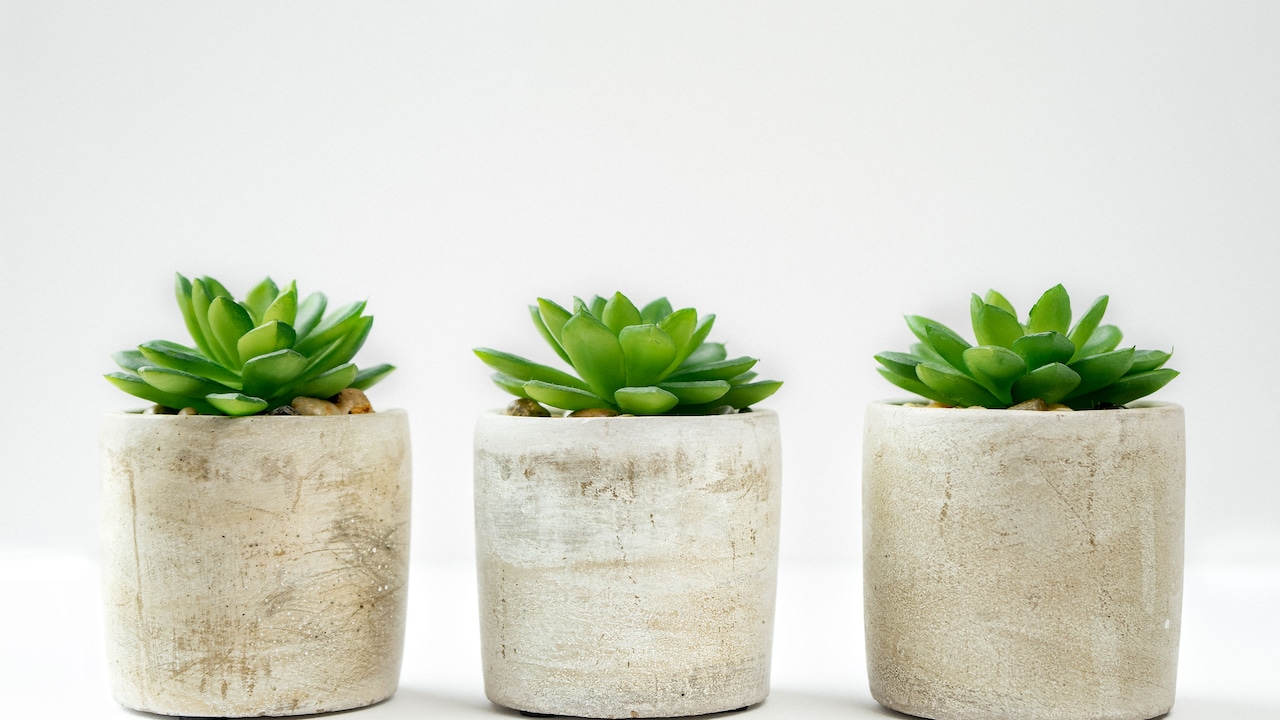
Window mesh helps block larger particles, while regular cleaning of the frame and sill prevents old dirt from blowing back into the room. During dusty weather or nearby construction, keep the most elaborate faux plants further inside. A simple artificial succulent can handle a window ledge more easily because it takes seconds to wipe clean. Save intricate ferns and flowering arrangements for sheltered corners where airborne debris cannot reach them quite so enthusiastically.
4. Ceiling Fans Keep Particles Circulating
A ceiling fan doesn't create dust, but it keeps existing particles moving around the room. Dust from curtains, bedding, cushions and the top of cupboards can lift into the air and eventually settle on artificial plants. Tall faux trees face the greatest exposure because their upper leaves often sit directly in the fan's airflow.
Dirty fan blades make matters worse. Once switched on, they can release fine debris that travels across the room. Cleaning only the plant, therefore, solves half the problem. Wipe the fan blades, curtain rods, shelves and other high surfaces first. Otherwise, the next breeze may undo your work before the cloth has even dried.
Avoid placing a tall artificial plant immediately beneath a fan where possible. A quieter corner still delivers visual height without receiving a daily dust shower. When cleaning the room, start at the top and work downwards. Finish with the plant and then mop or vacuum the floor. This order prevents loosened dirt from landing on surfaces you have already cleaned and saves the frustration of repeating the same job.
5. Cooking Fumes Create A Sticky Film
Artificial greenery often appears on kitchen shelves, refrigerator tops and dining-room corners because it brightens functional spaces. However, cooking releases tiny particles of oil, moisture and smoke into the air. These settle on synthetic leaves and create a thin, sticky film. Ordinary dust then clings to that coating, forming grime that a dry duster simply pushes around.
Plants placed near the hob suffer most, especially in kitchens where frying, tadka and grilling happen regularly. An exhaust fan or chimney can reduce the spread, but distance remains the simplest defence. Move decorative greenery away from the cooking zone and avoid placing it directly above the stove.
For greasy leaves, mix a few drops of mild washing-up liquid with lukewarm water. Dip a soft cloth into the solution, wring it thoroughly and wipe each leaf gently. Follow with another cloth dampened with clean water, then allow the plant to dry completely. Don't use harsh kitchen degreasers. They may fade the colour, weaken adhesive or leave the foliage looking unnaturally glossy. Regular light cleaning prevents the sticky layer from hardening.
6. Humidity Helps Dust Cling To The Surface
During the monsoon or in poorly ventilated rooms, moisture in the air can settle lightly on artificial foliage. That invisible dampness gives dust something to hold on to. Instead of resting loosely on the surface, particles form a stubborn grey coating. In bathrooms, balconies and kitchens, humidity may also encourage musty smells or mould around the potting material.
Good airflow helps, though constant fan exposure can circulate more dust. The aim is balanced ventilation rather than a strong breeze aimed directly at the plant. Keep faux greenery away from bathroom splash zones, damp walls and areas where condensation appears regularly.
After wiping a plant, let it dry in an airy, shaded place. Returning damp foliage to a dark corner invites more dirt to stick. Check the pot as well, particularly if it contains moss, coir or fabric-covered filler. These decorative materials can hold moisture for longer than plastic leaves. If the room stays humid, replace them with clean pebbles or another washable option. Never pack the plant away while damp, as trapped moisture can produce unpleasant odours and damage glued components.
10 Easy Ways To Keep Artificial Plants Clean And Dust-Free
Photo Credit: Pexels
7. Textured Leaves And Dense Foliage Trap Grime
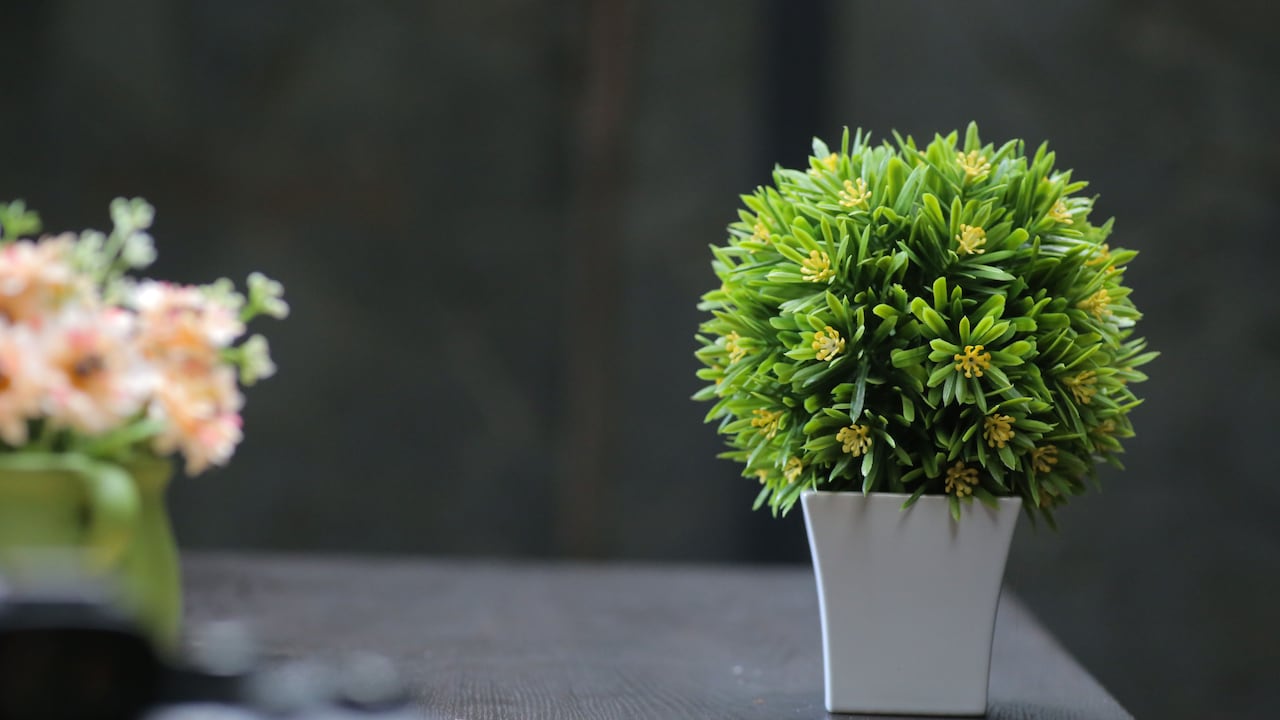
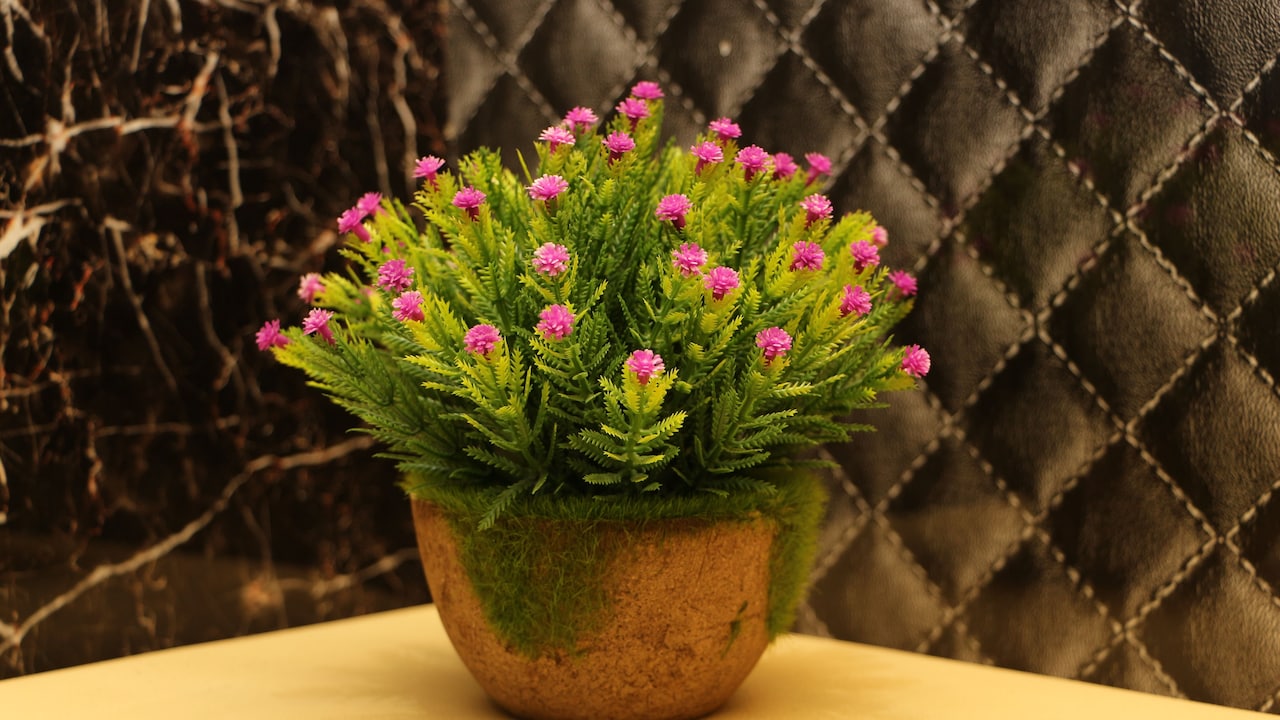
Artificial ferns, flowering vines and bushy arrangements often look convincing because they contain plenty of detail. Sadly, every serrated edge, artificial vein and tightly packed stem creates another hiding place for dust. A flat cloth cannot reach between hundreds of tiny leaves, so grime accumulates even when the outer foliage receives regular attention.
A clean, soft paintbrush offers an easy solution. Hold the plant over newspaper or take it to a balcony, then brush from the centre outwards. A cool hairdryer on its lowest setting can dislodge loose dust, but keep it at a safe distance. Strong air may detach flowers, bend stems or send dirt across the room.
Some sturdy plastic plants can tolerate a gentle rinse under the shower. Before trying this, inspect the label and construction. Avoid soaking plants with paper components, exposed wire, fabric petals, glued moss or delicate painted finishes. Shake off excess water and dry the plant upside down or on an absorbent towel. Dense foliage needs extra drying time because moisture can hide between tightly clustered leaves.
Also Read: Top 5 Artificial Flowers And Plants Starting At Just ₹59 For Budget-Friendly Gifting
8. Fabric Leaves Hold More Dust Than Smooth Plastic
Silk-style flowers and polyester leaves often look softer and more realistic than moulded plastic. Their fine fibres, however, catch dust much like curtains or upholstered furniture. Rubbing them with a wet cloth may leave water marks, flatten the texture or cause the dye to bleed. This makes cleaning a delicate artificial orchid very different from wiping a sturdy plastic rubber plant.
Start with a soft brush or a handheld vacuum on its lowest suction setting. Cover the nozzle with a thin piece of clean mesh and secure it firmly. The barrier catches loose petals or leaves before the vacuum can swallow them. Work slowly and support delicate sections with one hand.
For stubborn patches, test a barely damp white cloth on a hidden area. Stop if any colour transfers. Avoid soaking fabric foliage unless the manufacturer specifically describes it as washable. Prevention matters most with these plants, so keep them away from kitchens, open windows and incense smoke. A brief weekly dusting preserves their texture far better than an occasional aggressive wash after months of neglect.
9. Smoke And Incense Leave More Than Ordinary Dust
Incense sticks, diyas, candles and cigarette smoke release fine particles that travel beyond the immediate area. These particles settle on artificial leaves and may leave a dull, slightly sticky residue. Light-coloured flowers can turn yellowish over time, while dark leaves lose their depth and shine. Fragrance oils may also cling to fabric petals and create a stale smell.
Keep artificial arrangements at a sensible distance from burning incense and candles. This protects them from soot as well as accidental heat damage. Synthetic foliage can melt, warp or catch fire, so it should never sit close to an open flame.
If smoke residue has already developed on washable plastic leaves, use a mild soap solution and clean water. Fabric flowers require a gentler approach, usually soft brushing and careful spot cleaning. Don't spray perfume or room freshener directly onto the plant to hide odours. The liquid may leave marks and create another sticky layer for dust to attack. Ventilating the room and cleaning the surrounding shelf usually delivers a fresher, longer-lasting result.
10. Irregular Cleaning Allows Layers To Build Up
Artificial plants often fade into the background of a room. They need no watering, so there's no weekly reminder to inspect them. Months can pass before a shaft of sunlight reveals just how much dust has settled. By then, the grime may have mixed with humidity, grease and smoke, turning a simple wipe into an elaborate cleaning project.
Adding faux plants to the regular dusting routine prevents this build-up. Give large leaves a quick wipe every week or fortnight. Brush detailed arrangements every two to four weeks, depending on their location. Plants near windows, kitchens and balconies will need attention more often than those inside closed display cabinets.
Clean the pot, stems and decorative filler too. Dust gathered around the base can rise again or make the whole arrangement look neglected. Rotating the pot while cleaning also helps reveal hidden cobwebs and faded sections. Think of artificial greenery as décor rather than a maintenance-free object. It asks for far less care than a living plant, but “less” doesn't mean “none”. A few regular minutes will keep it from resembling forgotten office foliage.
10 Easy Ways To Keep Artificial Plants Clean And Dust-Free
Photo Credit: Pexels
Products Related To This Article
1. ARICK Decor 3Ft Artificial Bamboo Plant with Pot
2. Artificial Bonsai Plant with Pot
3. Dekorly Artificial Lavender Plant in White Pot
4. SATYAM KRAFT 3 Pcs Artificial Flower Orange Plant Stick
5. DecoreBugs Artificial Greenery Leaves in Wooden Pot
6. Dekorly Artificial Palm Plants - Faux Turtle Leaf
7. fancymart Pack of 2 Artificial Vine Plants with Small Pot
8. SAUDEEP INDIA Artificial Areca Palm Plant 71 cm
Artificial plants collect dust quickly because synthetic materials, airflow, humidity and household fumes all work against them. Placement makes a major difference, but consistent light cleaning matters even more. Use gentle tools, match the method to the material and tackle dust before it turns sticky. With a modest routine, faux greenery can stay fresh, colourful and convincing without demanding an entire Sunday afternoon.
(Disclaimer: This article may include references to or features of products and services made available through affiliate marketing campaigns. NDTV Convergence Limited (“NDTV”) strives to maintain editorial independence while participating in such campaigns. NDTV does not assume responsibility for the performance or claims of any featured products or services.)