Why Compact Furniture Still Feels Bulky: Key Measurements To Consider Before Buying Space-Saving Furniture For Small Homes And Apartments
Compact furniture can still crowd a room when key measurements are ignored. Check depth, clearance, open drawers, walking space, cushion bulk, delivery access, and storage size before buying a "space-saving" piece.

Why Compact Furniture Still Feels Bulky: Measurements People Forget To Check
A small sofa looks perfect in a showroom. A folding dining table seems made for a two-bedroom flat. A sleek shoe cabinet appears narrow enough for the entrance. Then delivery day arrives, and suddenly the living room feels like a railway platform during peak hours. This happens more often than anyone likes to admit. Compact furniture carries a comforting promise. It suggests space-saving, clever living, and a home that looks like those calm catalogue pictures where nobody owns a pressure cooker, school bag, mop, or extra plastic chair for guests. Real homes work harder. They hold festivals, relatives, lunch boxes, laundry racks, cricket bats, and the occasional carton that nobody wants to throw away.
Why Compact Furniture Still Feels Bulky: Measurements People Forget To Check
Photo Credit: Pexels
The trouble begins when furniture gets judged only by its width or price. A sofa that says “compact” may still block movement. A bed with storage may swallow the room once the drawers open. A dining table may fit the floor but not the people around it. Before spending ₹18,000 on a clever-looking unit, a tape measure can save more drama than a family WhatsApp group.
Measurements That Decide Whether Compact Furniture Really Saves Space
Check The Full Footprint, Not Just The Width
Most people check the width of furniture first. That feels logical. A 5-foot sofa sounds smaller than a 6-foot one. A 3-foot table sounds manageable. Yet width tells only one part of the story. The real footprint includes depth, height, legs, arms, handles, curves, and the space the piece visually occupies.
A compact recliner may look small from the front, but its depth can push the centre table into an uncomfortable position. A slim wardrobe may fit the wall, yet its height can make a bedroom feel boxed in. Even a shoe rack can feel bulky if it projects too far into a narrow passage.
Homes in Mumbai, Pune, Bengaluru, Delhi NCR, Chennai, Ahmedabad, and other busy cities often run on tight walking routes. One wrong corner can turn every morning into a sideways shuffle. The furniture may technically fit, but daily comfort suffers.
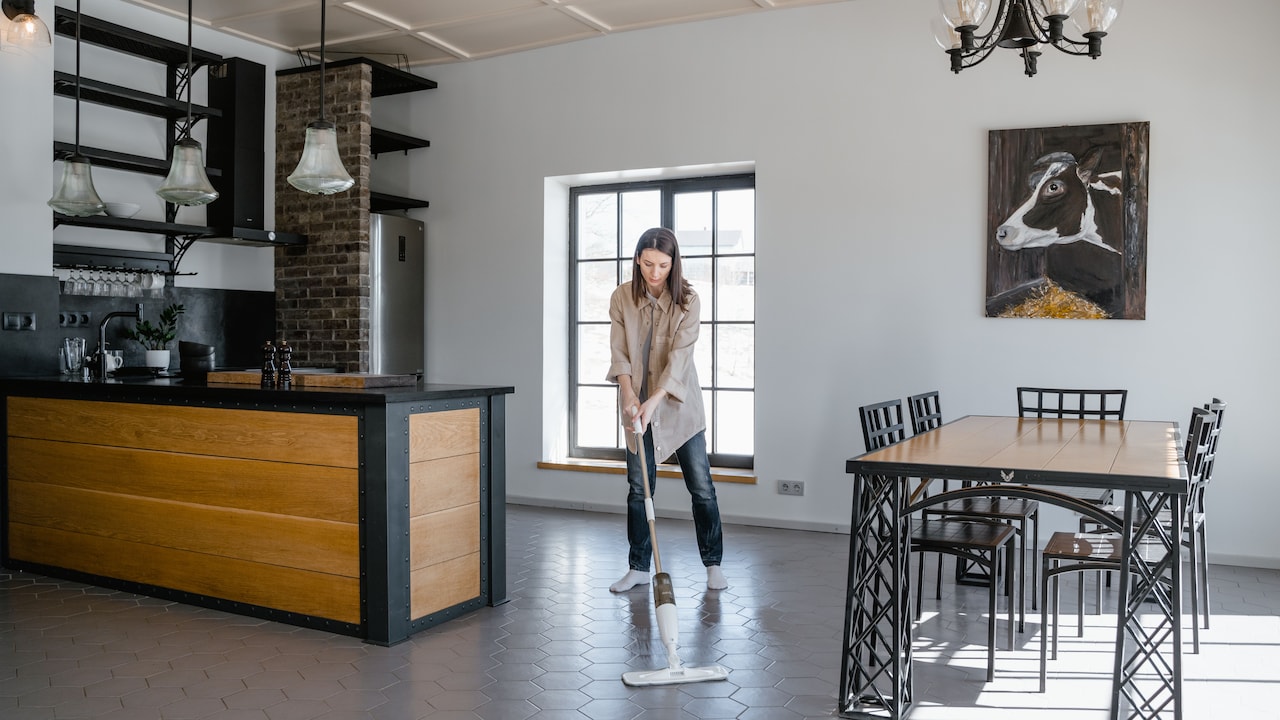
Before buying, mark the full length and depth on the floor with newspaper or masking tape. Walk around it. Open nearby doors. Imagine someone carrying a tray of tea. If the route feels like a maze, the piece is not compact enough.
Measure The Space Needed To Open It
Furniture rarely stays still in the shape seen online. Drawers slide out. Cabinet shutters swing open. Sofa-cum-beds unfold. Dining tables extend. Storage beds lift up. Recliners lean back with the confidence of a retired uncle after Sunday lunch.
This movement needs clearance. Many buyers forget to measure it. A storage bed may fit the room perfectly until the drawer hits the wardrobe. A study table with a pull-out keyboard tray can bump into the chair. A foldable dining table may need more room when opened than expected.
This issue hurts most in bedrooms and kitchens, where every inch already has a job. A drawer that opens only halfway becomes a daily irritation. Soon, the “smart storage” turns into a place for things nobody can reach without gymnastics.
Check the open position, not just the closed one. Ask for drawer depth, shutter swing, bed extension, and recliner clearance. For online orders, scan the product images carefully. If measurements look incomplete, ask the seller before paying. Compact furniture should make life smoother, not turn every cupboard opening into a wrestling match.
Do Not Ignore Walking Space Around Furniture
A room does not need furniture alone. It needs people to move through it. This sounds obvious until a new centre table arrives and everyone starts bending like background dancers to cross the room.
Walking space matters as much as furniture size. A compact sofa still needs space in front. A dining table still needs chairs to pull out. A bed needs room on at least one side, unless climbing over someone every morning sounds romantic. It does not stay romantic for long.
For comfortable movement, leave enough space around the main pieces. In many homes, 75 cm to 90 cm works well for regular walkways. Narrower gaps may work in corners, but they should not sit in daily routes. The path from the bedroom door to the wardrobe, from the kitchen to the dining area, and from the main door to the living room should feel natural.
Think of the house during a busy morning. Someone searches for socks. Someone else carries hot poha. A child runs late for tuition. If people keep bumping into edges, the furniture has stolen more space than its label admits.
Think About Seat Height And Table Height Together
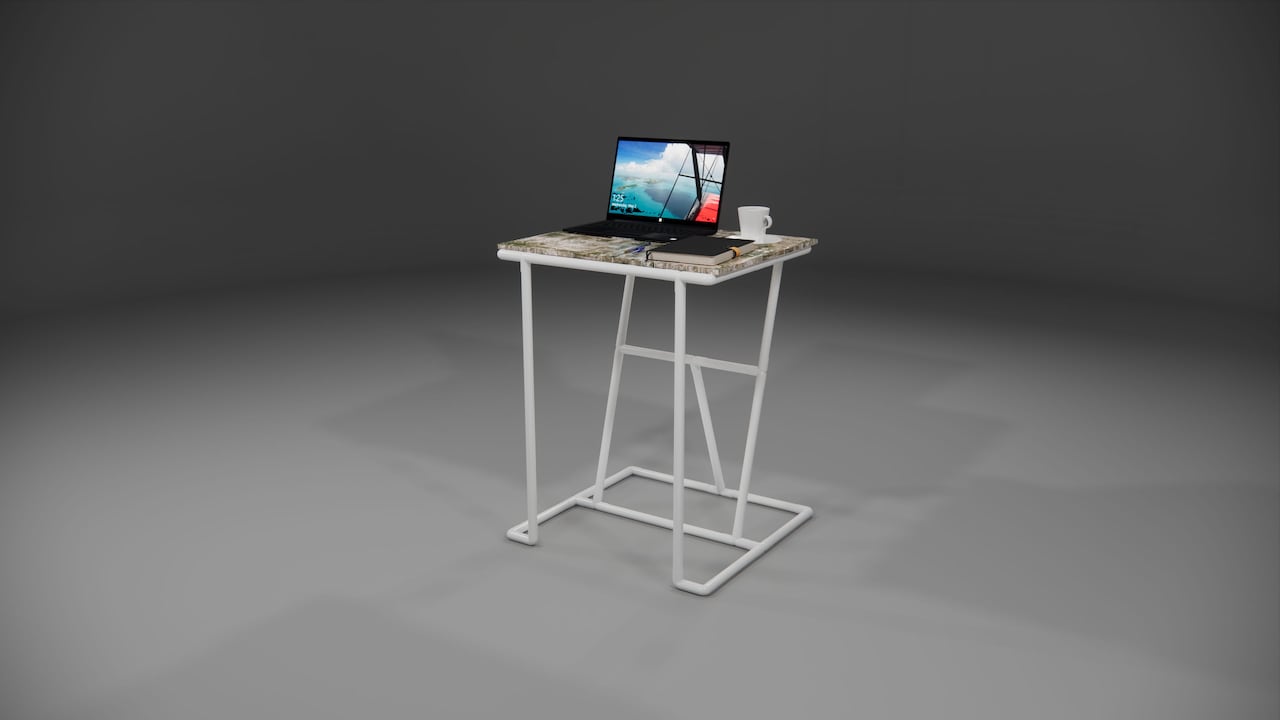
Furniture can look compact yet feel wrong because the heights do not match. A low sofa beside a high centre table makes snacks awkward. A dining chair too low for the table turns every meal into a shoulder workout. A study desk with the wrong height can make a child hunch within ten minutes.
Seat height often gets ignored because people focus on length and width. Yet it provides comfort. Many compact sofas use low seating to look sleek. They suit some rooms, but older family members may struggle to sit down or get up. A low bed can look modern, but it may annoy anyone with knee pain.
The same applies to tables. A beautiful coffee table that sits too high can dominate the room. A dining table that feels slightly tall in the showroom may feel worse at home during a long meal.
Before buying, compare heights with furniture already at home. Measure the existing chair that feels comfortable. Check bed height with mattress included. In a home where grandparents visit often, comfort must beat showroom glamour. No one wants a stylish sofa that turns every guest into a trapped beetle.
Also Read: How To Arrange Furniture In A Small Apartment To Maximise Space
Remember Mattress Thickness And Cushion Bulk
Beds and sofas often grow after purchase. Not magically, of course, though it may feel that way. The frame measurement may look modest, but the mattress, cushions, pillows, bolsters, and bedding add visual and physical bulk.
A bed frame with storage may stand at a reasonable height in the catalogue. Add a 10-inch mattress, and suddenly the bed looks like a stage. In a small bedroom, that extra height can make the room feel cramped. It can also make sitting on the bed uncomfortable for shorter people.
Sofas have a similar trick. A compact frame can become bulky once thick cushions enter the picture. Puffy arms and overstuffed backs eat into seating space and make the room look heavier. What looked cosy online may feel like a wall of foam at home.
Always check furniture dimensions with cushions and mattresses included. Product listings sometimes mention frame size but hide the final height. For beds, measure from the floor to the mattress top. For sofas, check seat depth after back cushions. A sleek shape with firm, neat cushioning often feels lighter than a smaller piece with bloated padding.

Why Compact Furniture Still Feels Bulky: Measurements People Forget To Check
Photo Credit: Pexels
Watch The Armrests, Backrests And Side Panels
Armrests can quietly ruin compact furniture. Two thick arms on a small sofa may waste precious seating space. A 5-foot sofa with broad arms may seat two people less comfortably than a slimmer design of the same width. The outside measurement sounds fine, but the usable space shrinks.
Backrests do the same. A deep, angled backrest can push the sofa forward, leaving less room in front. High backrests can block windows, light, or the open feeling of a room. Side panels on beds, cabinets, and divans may add bulk without adding much function.
This matters in flats where furniture often sits against a wall with switches, curtains, or plug points nearby. A chunky armrest can block a socket. A tall back can hide a window grill. A heavy side panel can make cleaning under the bed harder, especially when dust arrives with the dedication of a daily newspaper.
Measure the usable part, not just the outer frame. For sofas, check inner seating width. For beds, check the mattress area versus the frame width. For cabinets, check the storage space inside. Compact design should give more comfort per inch, not more padding per rupee.
Check Doorways, Lifts, And Staircases Before Delivery
A piece of furniture that fits the room still needs to be moved into the room. This detail creates many delivery-day dramas. The sofa looks perfect. The payment goes through. The delivery team arrives. Then everyone discovers the lift is too small, the staircase turns sharply, or the main door refuses to cooperate.
Large compact furniture sounds contradictory, but it exists. A small-looking sofa may come as one solid piece. A wardrobe may not dismantle easily. A dining table may have a fixed top that refuses to turn through the corridor. In older buildings, narrow staircases and tight landings can become the real test.
Measure the main door, lift door, lift depth, staircase width, and corridor turns. Also check the packaging size, not just the furniture size. Some pieces arrive in bulky cartons with protective layers. If the building has no service lift, this becomes even more important.
Ask whether the furniture comes flat-packed or assembled. Many modular pieces suit city homes better because they move in parts. A ₹25,000 sofa stuck on the ground floor can make even the calmest person question every life choice made that week.
Notice Visual Weight, Not Only Actual Size
Some furniture feels bulky even when its measurements look correct. This happens because of visual weight. Dark colours, thick legs, heavy bases, glossy panels, and solid blocks can make a compact item look larger than it is.
A dark brown TV unit with closed storage may feel heavier than a slightly wider unit with open shelves and slim legs. A black wardrobe can dominate a small bedroom, while a lighter finish may blend better. A boxy sofa that touches the floor can look bulky, but a sofa on raised legs may let the eye travel under it and make the room feel airier.
This does not mean every small home needs pale furniture. Rich colours can look beautiful. The trick lies in balance. If the walls, floor, curtains, and furniture all carry heavy tones, the room can feel crowded even with fewer pieces.
Look at the room as a whole. Check how much light enters. Notice the wall colour and flooring. A compact item should not shout from every corner. Sometimes, a slimmer profile, visible legs, rounded corners, or open shelving can reduce bulk without reducing function.
Measure Storage Depth Against Real Household Items
Storage furniture often fails because people measure the cabinet, not the things going into it. A compact crockery unit may not fit large dinner plates. A shoe cabinet may not handle sports shoes. A kitchen trolley may not hold big oil cans, pressure cookers, or festival serveware.
Real households need storage for real objects. There are steel dabbas, mixer jars, school projects, extra bedsheets, puja items, winter blankets, helmets, and that mysterious drawer full of wires nobody can identify. A shallow cabinet may look neat but force items to sit sideways or spill into other rooms.
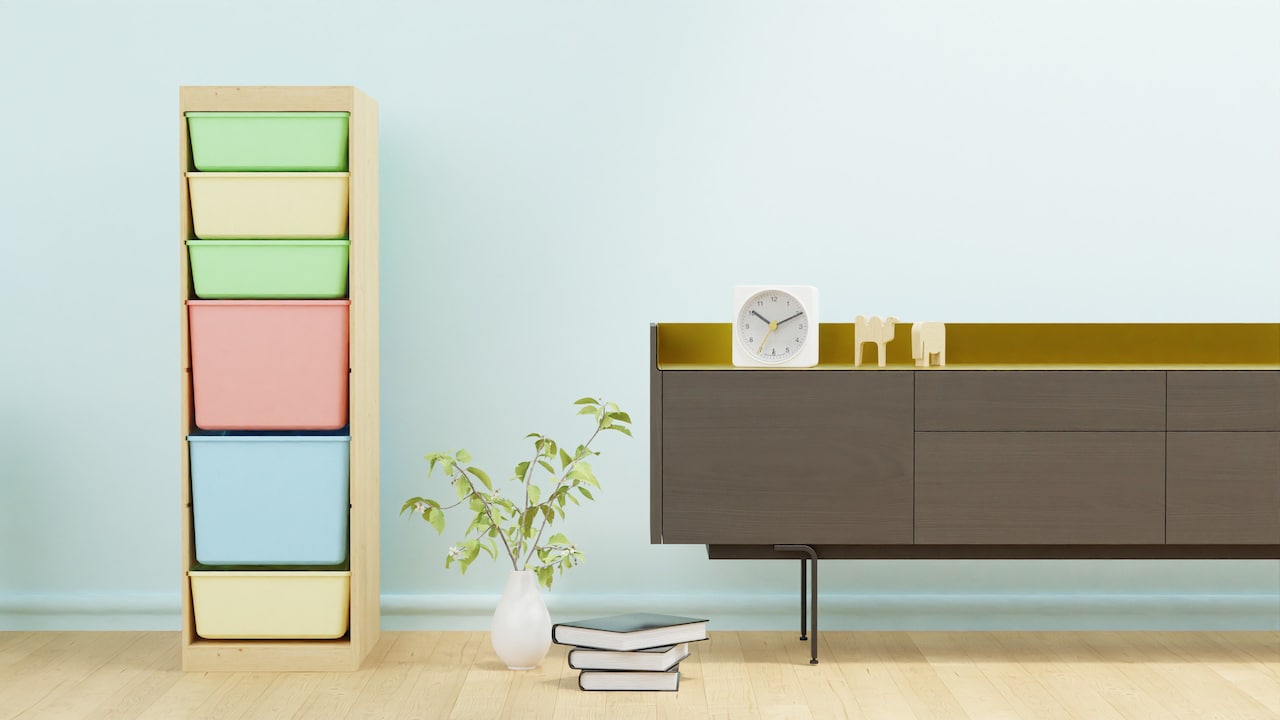
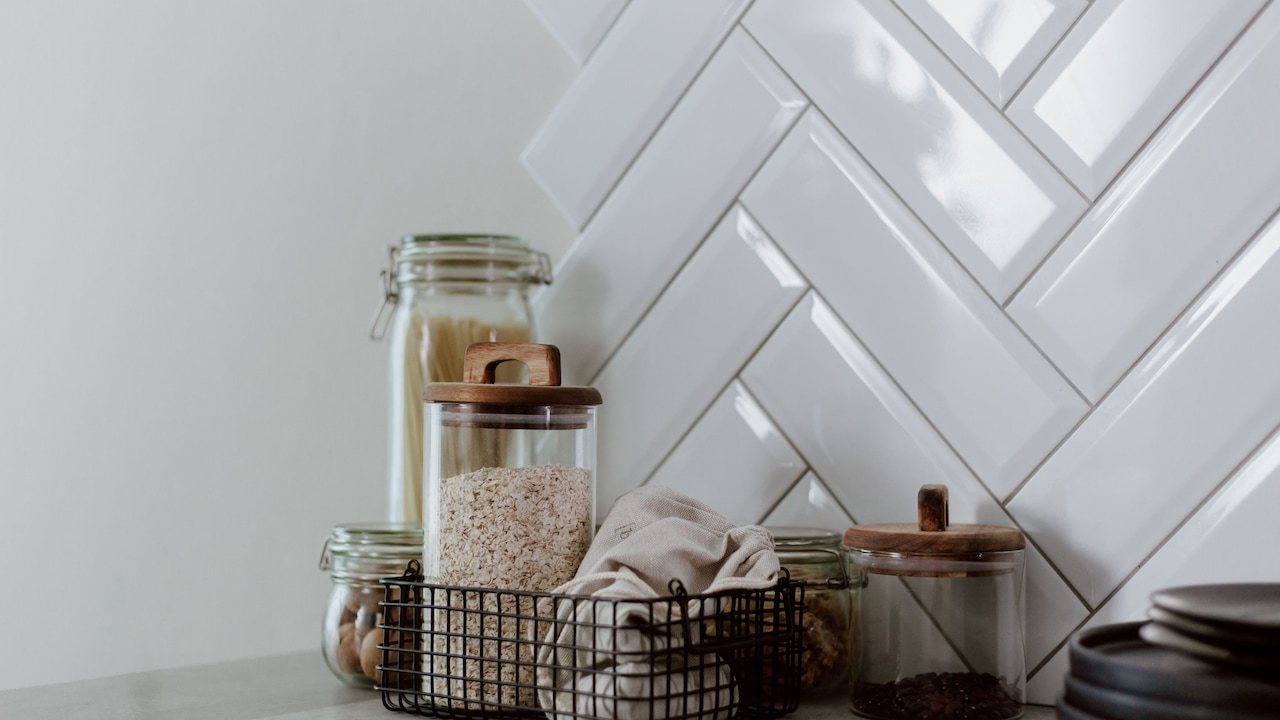
Before buying storage, measure the largest items first. Check plate diameter, shoe length, suitcase height, bucket width, and appliance depth. Then compare these with internal dimensions. Internal space matters more than outer size. Thick panels, hinges, rails, and drawer runners can reduce capacity.
A compact wardrobe with poor internal planning may hold less than an old steel almirah. That discovery can hurt, especially after paying ₹35,000 for a “space-saving” solution. Good storage should swallow clutter gracefully, not nibble at it like a polite guest.
Account For Cleaning Space Beneath And Behind
Furniture may fit beautifully on day one, but daily maintenance tells the truth. If a piece sits too close to the floor, dust gathers beneath it. If it stands too near the wall, cleaning behind it becomes impossible. In humid cities, poor air gaps can also invite musty smells.
Compact furniture often uses closed bases to create storage. That can work well, but it may make sweeping and mopping harder. A bed with drawers needs enough side clearance for cleaning. A sofa with tiny legs may trap dust, snack crumbs, hair clips, and coins. During Diwali cleaning, such furniture suddenly reveals its full personality.
Measure cleaning access before buying. Can a broom pass underneath? Can a mop reach the back? Can the unit move if needed? Are the legs strong enough for shifting? A slightly raised piece may feel lighter and cleaner over time.
This matters even more in homes with pets, children, or windows facing busy roads. Dust does not respect compact design. Furniture that saves space but creates hidden dirt pockets will soon feel like a bad bargain wrapped in laminate.
Leave Room For Festivals, Guests And Future Changes
A home does not stay the same throughout the year. It expands during festivals, shrinks during exam season, fills with guests during weddings, and turns into a mini warehouse before a family trip. Furniture that works only on an ordinary Tuesday may struggle during real life.
A compact dining table may suit four people daily, but what happens when cousins arrive? A sofa may look right until extra floor seating comes out. A bed with storage may block space needed for a baby cot later. A study table may need to become a work desk. Homes change faster than furniture bills get forgotten.
Before buying, imagine peak-use days. Think of Diwali lights, Ganesh Chaturthi decorations, Eid visits, birthday parties, house guests, and the annual suitcase parade before summer holidays. Leave some breathing room. A flexible layout often beats a packed one.
Compact furniture should support change. Nesting tables, stackable stools, folding chairs, beds with sensible storage, and modular units can help. Yet even these need measured space. A home should not feel full before life even enters it.
Why Compact Furniture Still Feels Bulky: Measurements People Forget To Check
Photo Credit: Pexels
Products Related To This Article
1. Dining Set of 4 with Bench & Chairs, 4 Seater Table Set
2. Green Soul Kyoto Foldable Study Table
3. 4 Tier Plastic Storage Trolley with Wheels
4. Dime Store Book Shelf, Bookshelf for Office Desk
5. Lukzer Engineered Wood Wall Mounted Round Corner Folding Study Laptop Table
6. 6 Layer Plastic Shoe Rack for Home 6 Layer with Cover Shoe Rack with Door
7 Kitchenwell Multi-Purpose Trolley Storage Organizer and Kitchen Accessories
Compact furniture can be a blessing, especially in homes where every square foot has a duty. It can make rooms smarter, cleaner, and easier to live in. Yet the word “compact” should never replace careful measuring. A piece may look small in a showroom, behave large in a bedroom, and feel enormous in a narrow passage.
The measurements people forget are often the ones that shape daily comfort. Clearance, walking space, open drawers, cushion bulk, usable seating, delivery routes, storage depth, and visual weight all matter. These details may sound unglamorous, but they decide whether furniture feels like a clever purchase or a polite-looking headache.
The best way to buy compact furniture is simple. Measure the room, then measure life around it. Think of doors opening, people moving, guests sitting, children running, drawers sliding, and someone trying to mop under the sofa on a sleepy Sunday morning.
A tape measure costs little. A wrong sofa costs far more, especially when it blocks the balcony door and becomes the family's favourite complaint for the next five years.
(Disclaimer: This article may include references to or features of products and services made available through affiliate marketing campaigns. NDTV Convergence Limited (“NDTV”) strives to maintain editorial independence while participating in such campaigns. NDTV does not assume responsibility for the performance or claims of any featured products or services.)







![Steam Iron Teflon Shoe Cover for ES-300,ST-96 [Only For ES-300 and ST-96 Model Electric Steam Irons]](https://m.media-amazon.com/images/I/51wwkttondL._SL160_.jpg)