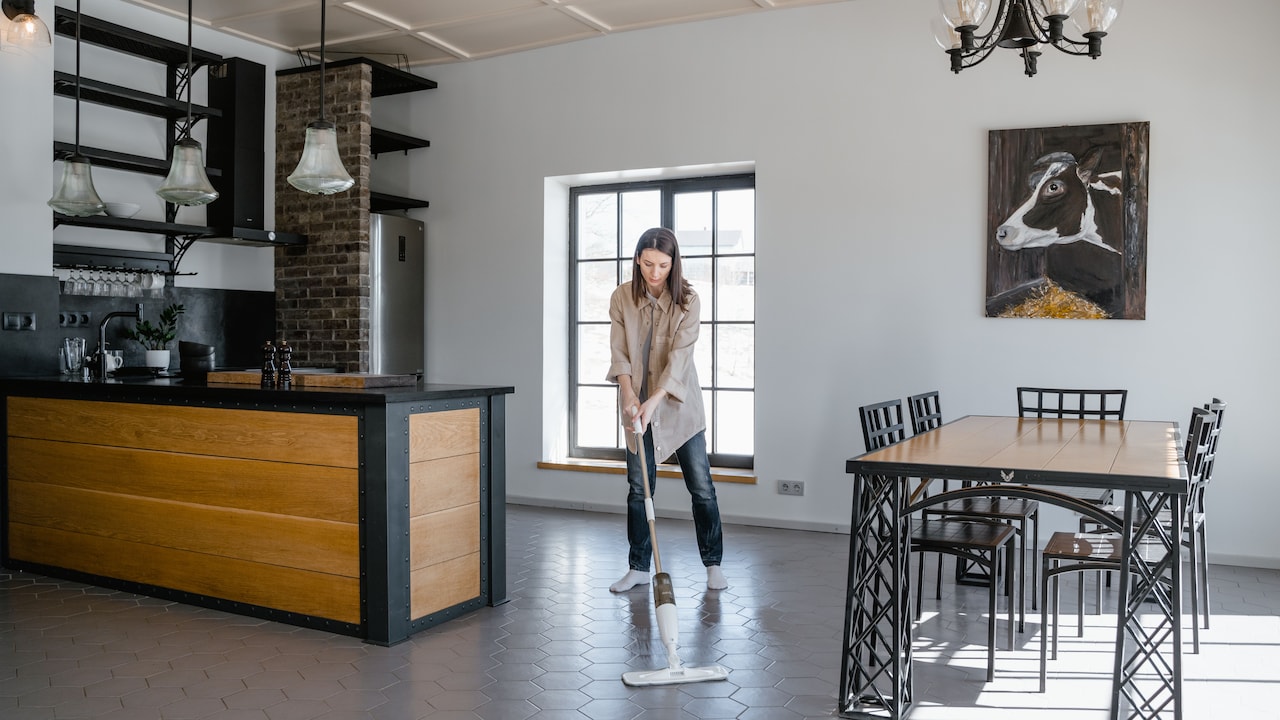
Why Your Kitchen Feels Chaotic Despite Ample Storage And How To Fix It
A kitchen can feel chaotic despite ample storage when items lack clear zones, daily essentials hide behind rarely used things, and counters carry too much. Smart placement, not more cabinets, creates calm.
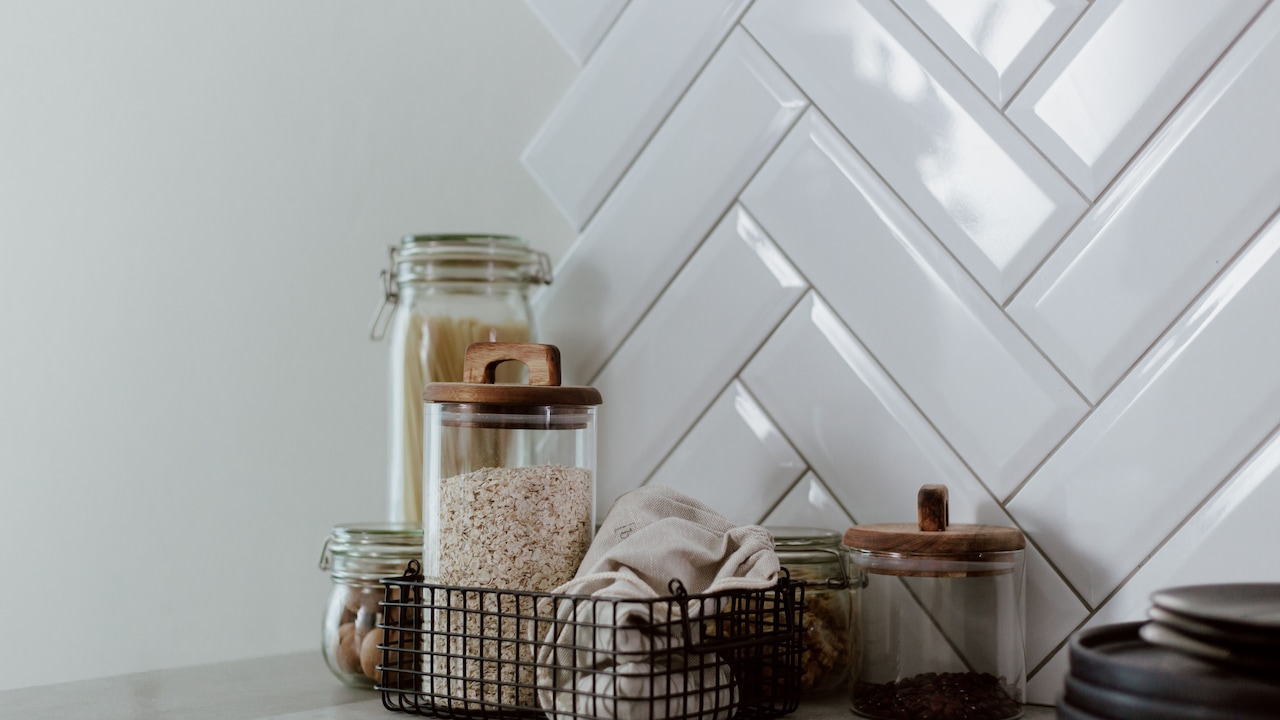
10 Reasons Your Kitchen Feels Cluttered Despite Ample Storage
Every home has that one kitchen cupboard that opens like a small warning. A steel lid slides out first. A plastic dabba follows. Somewhere behind the pressure cooker sits a forgotten packet of sabudana, bought with confidence and used twice. The shelves look full, yet the cook feels strangely unsupported. This is the quiet puzzle of many modern kitchens. They do not lack storage. They lack rhythm. A kitchen works like a busy railway station. Everything needs a platform, a route, and a reason to stand where it stands. When objects land wherever space appears, the room begins to feel chaotic. Not messy in an obvious way, perhaps. The counters may look wiped. The cupboards may shut properly. Still, the mind feels crowded the moment tea needs brewing or dinner starts at 7.30 pm after a long day.
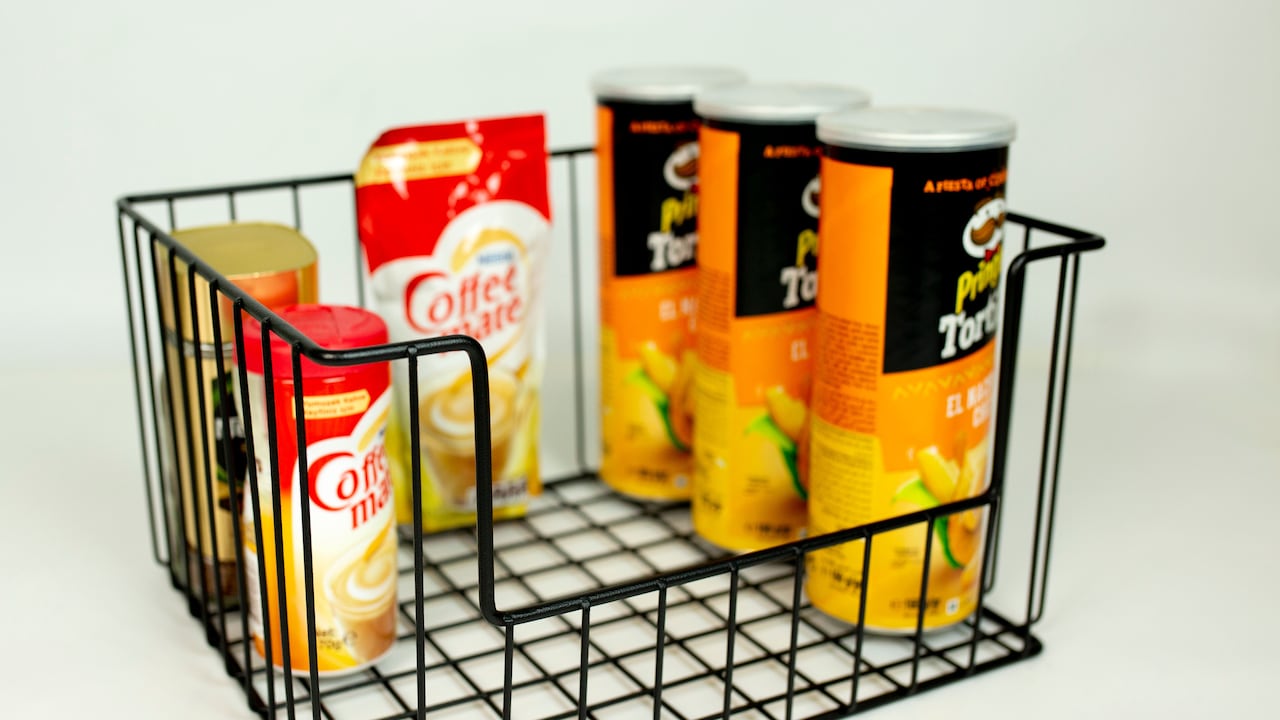
Why Your Kitchen Feels Chaotic Even When It Has Enough Storage
Photo Credit: Pexels
The good news feels comforting. You may not need a bigger kitchen, a costly renovation, or fancy imported organisers. Often, a calmer kitchen begins with sharper decisions, kinder habits, and a little respect for the way your household actually cooks.
Reasons Your Kitchen Still Feels Chaotic Despite Enough Storage
The Storage Has No Clear Purpose
Storage turns chaotic when every shelf tries to do everything. One cabinet holds tea, candles, old bills, birthday paper plates, and a spare mixer jar. It looks practical at first because everything “fits”. Then Monday morning arrives, and the search for elaichi interrupts a boiling pan of milk.
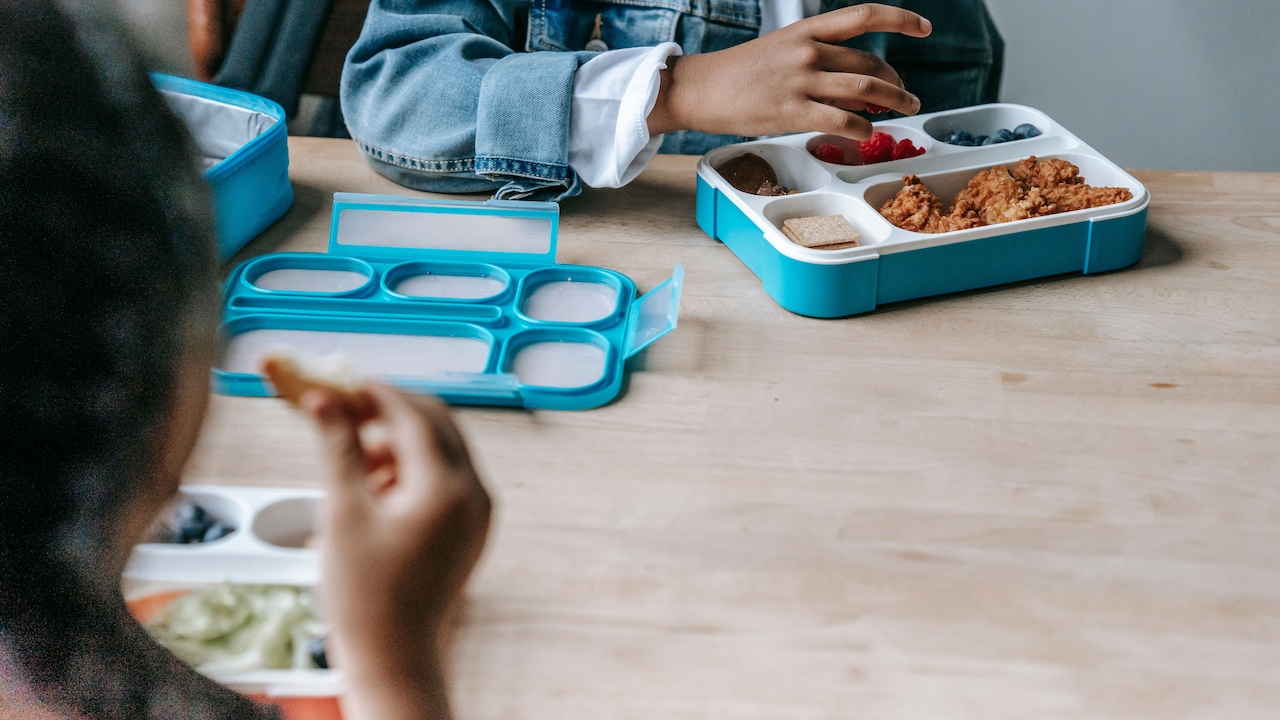
A kitchen needs zones, not just empty spaces. Tea, coffee, sugar, mugs, and strainers should live near the kettle or gas hob. Daily spices should sit close to the cooking area. Lunch boxes should stay near the packing counter. When items support the same task, they deserve to live together.
The problem grows when family members use the kitchen differently. One person puts the turmeric near the masala dabba. Another places it behind the rice jar because that shelf has room. Soon, nobody trusts the system.
A purposeful shelf saves more than minutes. It saves mood. It stops the tiny irritation that comes before every meal. The kitchen feels calmer when each space answers one simple question: what job happens here?
Too Many Things Live On The Counter
A clear counter can make even a small kitchen feel generous. A crowded counter can make a large kitchen feel breathless. The trouble starts slowly. The toaster stays out because breakfast needs speed. Then the mixer-grinder joins because chutney happens often. A fruit basket arrives. A medicine strip waits near the water filter. Before long, the counter becomes a waiting room for everything.
Counters should support action, not storage. When too many objects sit there, cooking feels harder before it begins. There is no place to chop onions. The rolling board competes with the air fryer. A simple cup of chai turns into a game of shifting and balancing.
This does not mean every surface must look like a showroom. A lived-in kitchen needs warmth. A small tray for tea essentials can feel charming. A bowl of bananas can look welcoming. The key lies in editing.
Keep out what earns its place every day. Move the occasional heroes into easy drawers. The counter should greet you like a clean page, not a pending to-do list.
Deep Cabinets Swallow Everyday Items
Deep cabinets promise abundance and then behave like black holes. They take in pressure cooker weights, extra plates, snack boxes, pooja utensils, and those mysterious lids that match nothing. The front row looks neat, while the back row quietly disappears from family memory.
This creates a strange kind of clutter. You own the item, but you cannot find it when needed. So you buy another. A ₹199 set of plastic containers feels easier than digging through a bottom cabinet after office hours. Now the kitchen has more storage and more confusion.
Deep storage needs layers that come forward. Trays, baskets, and pull-out bins help because they turn hidden corners into reachable spaces. Even simple steel baskets from a neighbourhood shop can work better than a bare shelf. Group similar things together and label them in plain words. “Baking”, “Extra Masala”, “Tiffin Spares”, and “Festival Serveware” make sense to everyone.
A deep cabinet should not demand courage. When storage makes you bend, stretch, and guess, it adds drama. Good storage brings things towards you.
Daily Items Fight With Special Occasion Things
Many kitchens give prime space to things that rarely appear. The wedding-gift dinner set sits at eye level. The heavy crystal bowl, too delicate for daily use, guards a front shelf. Meanwhile, the plates used three times a day stand in a lower cabinet, wedged behind old serving trays.
This arrangement creates daily irritation. The kitchen honours fantasy life and inconveniences real life. Regular cooking needs the best spots. The steel tumblers, everyday plates, cooker, kadai, ladles, lunch boxes, tea ingredients, and breakfast staples should live where hands reach without effort.
Special occasion items deserve respect too, but they do not need front-row seats. Store them higher, deeper, or in a separate cabinet. Bring them down for festivals, birthdays, guests, and long Sunday meals. Let daily objects enjoy the easy shelves.
A home feels smoother when storage reflects actual routines. Not the dream of hosting twenty people every weekend, but the truth of quick breakfasts, school tiffins, late dinners, and unexpected guests who happily drink chai in regular cups.
Containers Create Beauty Without Logic
Matching jars can seduce anyone. Rows of glass containers look graceful, especially when filled with dals, rice, poha, pasta, and bright red chilli powder. The trouble begins when beauty outruns function. A jar that looks lovely but opens badly with wet hands causes daily annoyance. A container too small for a full packet leaves behind half-filled plastic bags. Now the shelf looks organised and still acts messy.
Storage should serve the hand before it serves the eye. Choose containers that match buying habits. If the household buys 5 kg atta, one pretty 1 kg jar will only create backup clutter. If snacks vanish fast, airtight dabbas matter more than Instagram-worthy labels.
Uniform containers also need practical labels. Without them, maida and rice flour can start a quiet comedy during a rushed breakfast. Transparent jars help, but labels prevent guesses.
The aim does not involve turning the kitchen into a boutique. A mix of steel, glass, and sturdy plastic can work beautifully. Good containers reduce friction. Decorative containers often just change the course of chaos.
Also Read: Measure Like A Pro: Top 5 Kitchen Weighing Scales Under ₹1,000
The Fridge Has Become A Notice Board
A chaotic kitchen often extends into the fridge. Not just inside it, but across its door and top. Magnets hold school notes, milk bills, doctor appointments, discount coupons, and one old restaurant menu no one has used in years. On top, cereal boxes, medicine bottles, and empty jars form a skyline.
This visual noise affects the whole room. Even when the counters look tidy, the fridge can shout from the corner. The eyes keep meeting reminders, dates, numbers, and packets. The mind reads clutter even during a peaceful cup of tea.
Inside the fridge, chaos grows through forgotten leftovers and duplicate chutneys. A small bowl of sambar sits behind curd. Half a lemon dries near the butter. Three bottles of green chutney compete silently.
Give the fridge a weekly reset, preferably before grocery shopping. Use one shelf for leftovers, one for dairy, one for vegetables, and one small box for “finish first” items. The fridge should not feel like a museum of last week's optimism.
Corners Collect Items Without Permission
Every kitchen has corners that attract objects. The end of the counter gathers keys, bills, temple flowers, rubber bands, and one lonely spoon. The top of the microwave collects bread packets. The corner near the sink holds scrubbers, dish soap, old toothbrushes, and a heroic sponge past retirement age.
Corners become chaotic because they feel harmless. One item does not matter. Then another joins it. Soon the corner starts running its own small empire.
The solution needs gentleness, not strictness. First, notice which corners collect what. That clutter often reveals a missing home. If keys land near the kitchen, create a small hook outside the cooking zone. If bills gather near the water filter, place a file or tray in the living room. If packets sit on the microwave, clear a snack shelf.
Corners should either hold something intentional or stay empty. A plant, a tray, or a clean chopping space can anchor them. Empty corners also offer mental breathing room. A kitchen needs small pauses for the eyes, just as food needs pauses between spices.
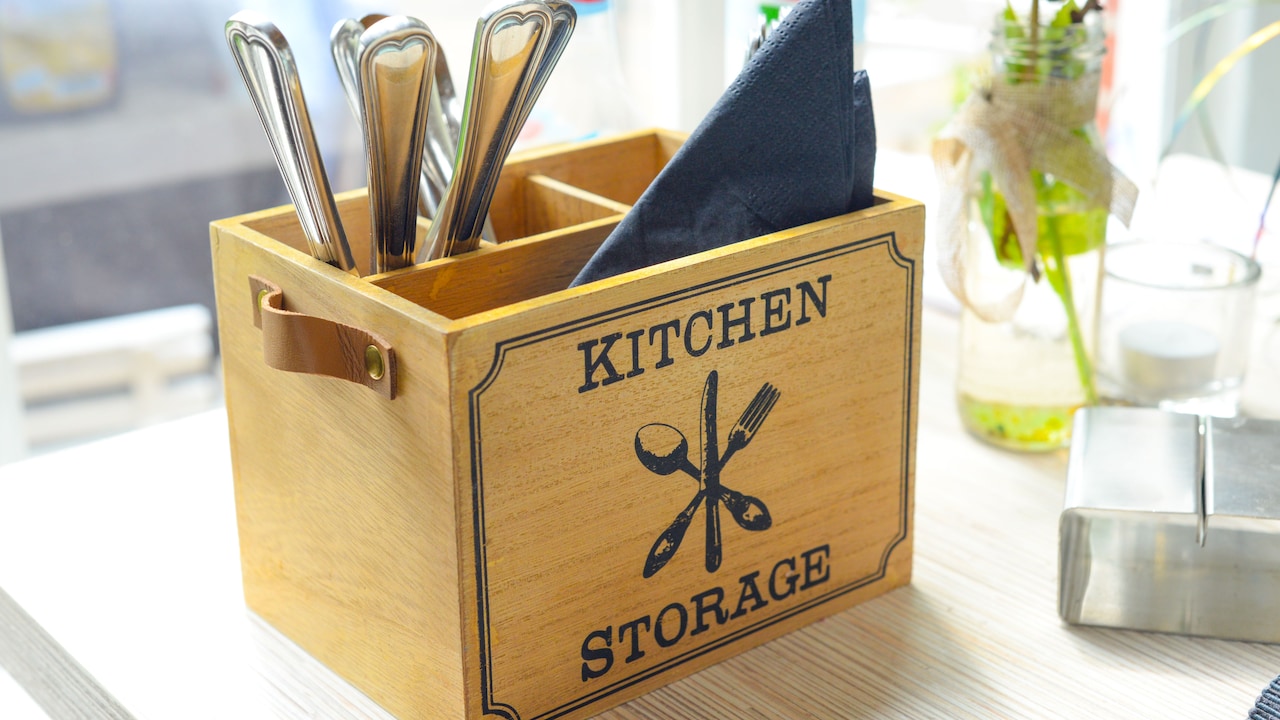
Why Your Kitchen Feels Chaotic Even When It Has Enough Storage
Photo Credit: Pexels
The Cleaning Tools Look Messier Than The Mess
A spotless hob can still sit beside a chaotic sink. Dish soap, steel scrubbers, bottle brushes, cleaning sprays, old cloths, and dripping sponges often crowd the wash area. Because these items support cleaning, people tolerate their mess. Yet they create the exact disorder they promise to fight.
The sink zone needs dignity. A simple caddy can hold soap, brush, and scrubber. A small hook can dry gloves or cloth. Keep only current cleaning items near the sink. Store extra scrub pads, unopened liquid bottles, and floor cleaners elsewhere.
Wet clutter feels worse than dry clutter. It looks tired. It smells stale. It makes the kitchen feel busy even after dishes have been washed. A sponge that never dries can ruin the mood of a clean counter.
Replace worn cloths before they become family members. Keep a small routine after dinner: rinse the sink, squeeze the sponge, wipe the tap, and leave the area ready for morning. A fresh sink can change the first feeling of the day.
The Kitchen Ignores Cooking Flow
A kitchen can have storage in every direction and still fail because it ignores movement. Think of making a basic dal-chawal meal. You wash dal, reach for the cooker, look for turmeric, find the ladle, open the rice tin, search for the ghee, and then hunt for a serving bowl. If every step sends you across the room, the kitchen feels chaotic.
Cooking has a natural flow. Prep, cook, serve, clean, and store. When storage supports that flow, the body relaxes. Knives and chopping boards should sit near prep space. Spices and oils should stay near the hob. Plates should sit near serving. Cleaning cloths should stay near the sink.
Many kitchens suffer because items live where they fit, not where they function. A tall cabinet may hold cookware simply because it has height. Yet the cook bends ten times during one meal.
Watch one regular dinner from start to finish. Notice every extra step. Those steps reveal the real storage problem. A calmer kitchen follows movement, not furniture.
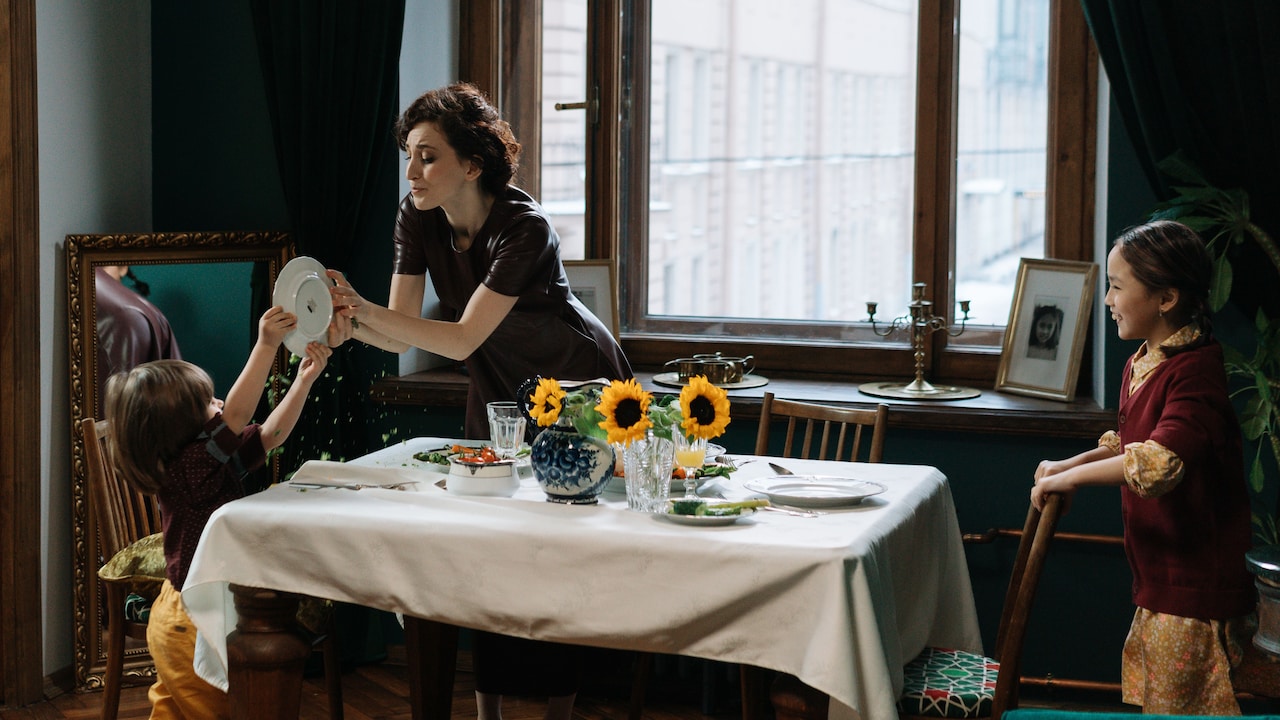
Everyone Uses The Kitchen But Nobody Owns The System
A shared kitchen needs shared logic. Without it, each person creates a private map. One person stores tea powder in the second drawer. Another returns it to the top shelf. Children leave snack boxes open. A helper stacks lids wherever space appears. The kitchen then becomes a daily negotiation.
This does not mean one person must control everything. It means the system must speak clearly. Labels help. Open baskets help. Fixed homes for daily items help even more. When people can see where something belongs, they return it without a lecture.
Avoid systems that only the main cook understands. A kitchen should work during illness, travel, exam mornings, busy office days, and festival rush. Anyone should know where to find salt, extra spoons, tea, rice, containers, and cleaning cloths.
Household habits also need regular updates. A child starts carrying a larger tiffin. Someone begins drinking black coffee. A new air fryer joins the counter. Storage should change with life. A rigid kitchen becomes chaotic the moment the family evolves.
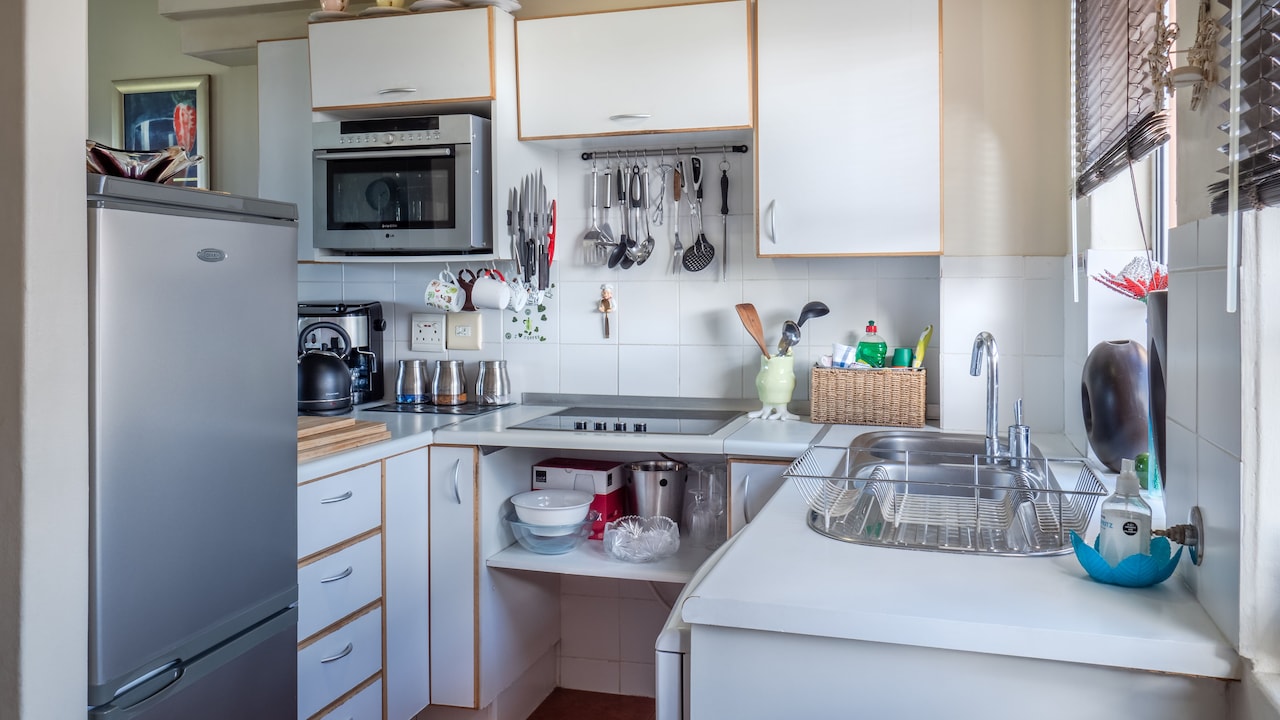
Why Your Kitchen Feels Chaotic Even When It Has Enough Storage
Photo Credit: Pexels
Products Related To This Article
1. HomeEssentials Kitchen Counter Pan Rack Multipurpose Organizer
2. ABJA Stylish Kitchen Organizer Rack Stand for Storage Multipurpose
3. Cri8Hub Stainless Steel 2 Tiered Shelf Kitchen Rack
4. VOLTURI Fridge Storage Containers
5. OXMIC kitchen organizer items and storage
6. KWER Metal Kitchen Trolley, Portable Square Storage Baskets Organizer
7. TEX-RO 3-Layer Kitchen Rack Stand/Multipurpose Rack for Storage
A chaotic kitchen rarely starts with laziness. It starts with small compromises that gather quietly. A dabba goes where there is space. A lid lands near the stove. A new appliance stays on the counter because moving it feels like a task. Soon, the kitchen has enough shelves but not enough sense.
Calm does not require perfection. No real kitchen looks polished all day, especially when breakfast, lunch, chai, dinner, and leftovers pass through it like a lively procession. The goal is not silence. The goal is ease.
Give each shelf a purpose. Let daily items claim the best spots. Clear the counter until cooking feels possible. Stop deep cabinets from hiding useful things. Treat the sink, fridge, and corners as part of the whole room, not afterthoughts.
A well-arranged kitchen does something tender. It lowers the volume of daily life. It lets the morning begin without a hunt for tea leaves. It lets dinner come together without cupboard drama. And sometimes, that feels as satisfying as a perfectly round roti puffing on the flame.
(Disclaimer: This article may include references to or features of products and services made available through affiliate marketing campaigns. NDTV Convergence Limited (“NDTV”) strives to maintain editorial independence while participating in such campaigns. NDTV does not assume responsibility for the performance or claims of any featured products or services.)