Why Do White Shoes Turn Yellow In Storage? Top 10 Tips To Preserve Footwear In Cabinets
White shoes often turn yellow in storage due to moisture, oxidation and poor storage conditions. Discover 10 practical tips to keep your footwear fresh, bright and long-lasting.
Why Do White Shoes Turn Yellow In Storage? Top 10 Tips To Preserve Footwear In Cabinets
A fresh pair of white shoes feels almost magical. Whether worn for a weekend outing, a family gathering, or a morning walk, they instantly create a neat and polished look. Unfortunately, maintaining that crisp white appearance can feel like a never-ending battle. Many people assume yellowing only happens because of dirt or poor cleaning. In reality, shoes can turn yellow even when they remain untouched inside a cabinet for months. Factors such as oxidation, humidity, sunlight exposure, cleaning residue, and poor ventilation often contribute to this frustrating transformation.
Why Do White Shoes Turn Yellow In Storage? Top 10 Tips To Preserve Footwear In Cabinets
Photo Credit: Pexels
The good news is that yellowing is not entirely unavoidable. A few thoughtful storage practices can significantly slow the process and help preserve the original colour. From choosing the right storage environment to using simple household items, there are several effective ways to keep footwear looking newer for longer.
Understanding the science behind shoe discolouration is the first step. The next is adopting habits that protect footwear during periods of storage. Here are ten practical tips that can make a noticeable difference.
How To Prevent White Shoes From Turning Yellow In Storage
Understand Why White Shoes Turn Yellow
Before preventing yellow stains, it helps to understand why they appear in the first place. White shoes often contain materials that react with oxygen over time. This natural process, known as oxidation, gradually changes the colour of certain fabrics, adhesives, and rubber components.
Moisture makes the situation worse. Even a slightly damp pair of shoes placed inside a cabinet can create the perfect environment for discolouration. Residual detergent from cleaning products may also leave behind invisible particles that oxidise and turn yellow later.
Heat and sunlight contribute to the problem as well. Shoes stored near windows, balconies, or warm walls may experience gradual colour changes without obvious warning signs. In some cases, the glue used in shoe construction begins to age and seep through lighter materials, creating yellow patches.
Understanding these causes allows people to take preventive measures rather than repeatedly trying to remove stains after they appear. Prevention often requires far less effort than restoration.
Clean Shoes Properly Before Storage
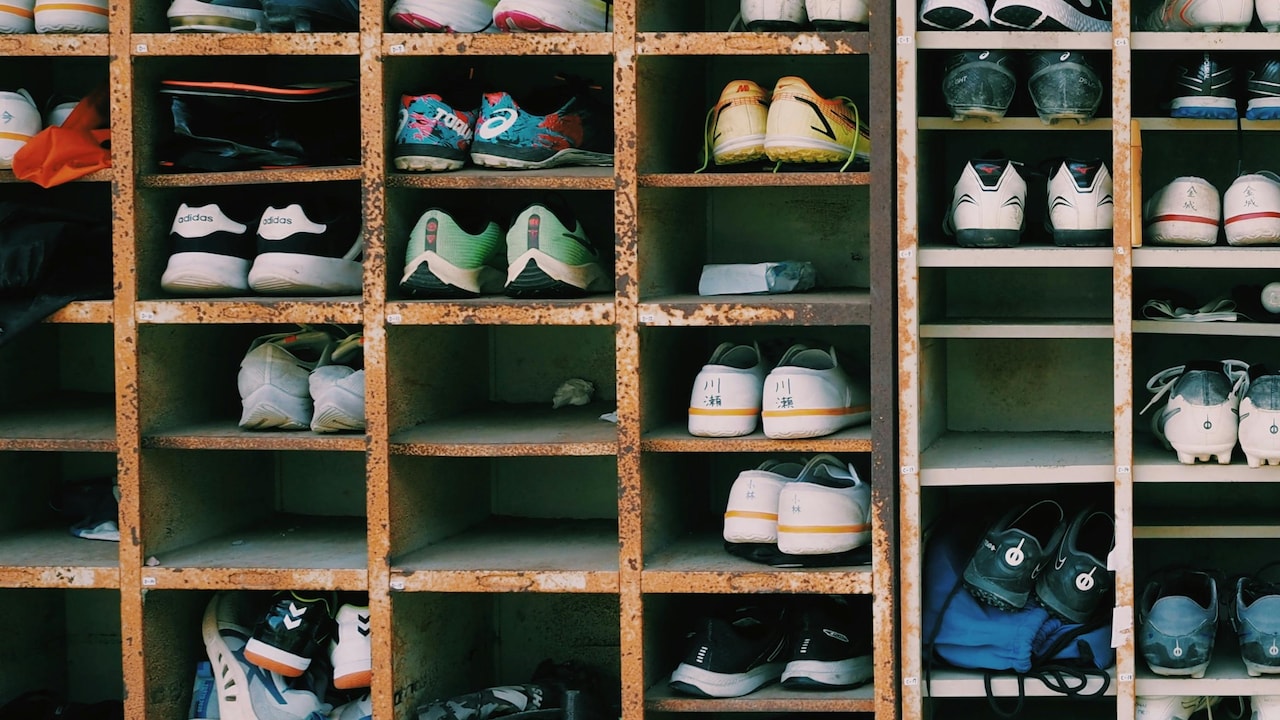
One of the biggest mistakes people make involves storing shoes immediately after use. Dust, sweat, mud, and pollution particles remain trapped in the material and continue affecting the surface over time.
A gentle cleaning routine before storage can prevent many long-term issues. Wipe away visible dirt with a soft cloth and use a mild cleaning solution suitable for the shoe material. Avoid harsh chemicals that may weaken fibres or leave residues behind.
Pay special attention to soles and seams where grime tends to accumulate unnoticed. Even small amounts of dirt can trigger staining during long periods of storage. Once cleaned, ensure every part of the shoe is free from soap residue.
Imagine storing a white shirt without washing it after a celebration. Months later, hidden stains often become more visible. Shoes behave in much the same way. A few extra minutes spent cleaning can save hours of frustration later.
Allow Shoes To Dry Completely
Patience plays a crucial role in footwear preservation. Shoes that appear dry on the surface may still hold moisture deep within their fabric, lining, or cushioning.
Placing slightly damp footwear into a cabinet creates conditions that encourage mould growth, unpleasant odours, and yellow discolouration. Moisture becomes trapped, especially in enclosed spaces with limited airflow.
After cleaning or wearing shoes on a rainy day, allow them to air dry thoroughly in a shaded area. Avoid direct sunlight, which may damage materials and accelerate yellowing. Stuffing shoes with clean paper can help absorb internal moisture while maintaining shape.
Many people rush this step because the shoes look dry from the outside. However, internal dampness often remains hidden. Waiting an extra day before storage may seem inconvenient, but it significantly improves long-term preservation.
When it comes to white footwear, dryness is not simply about comfort. It serves as one of the most effective defences against discolouration.
Also Read: How To Wash Sports Shoes Without Damaging Them
Store Shoes In A Cool And Dry Environment
The environment inside a cabinet has a major impact on how shoes age. Excessive heat, humidity, and poor ventilation can accelerate deterioration and encourage yellow staining.
A cool and dry location provides the best conditions for preserving white footwear. Cabinets positioned away from direct sunlight, kitchens, bathrooms, and damp walls tend to offer better protection.
Humidity deserves special attention during monsoon months. Even closed cabinets can accumulate moisture that affects stored items. Shoes exposed to such conditions for weeks or months often emerge looking dull and discoloured.
Consider the cabinet as a miniature climate zone. If it feels stuffy or damp when opened, footwear inside may face similar challenges. Small changes in storage location can make a surprisingly large difference.
A stable environment slows oxidation, reduces moisture exposure, and helps materials retain their original appearance. In many cases, choosing the right storage spot is just as important as cleaning the shoes themselves.
Use Silica Gel Packs For Moisture Control
Those small silica gel packets found in packaging often end up in the bin. Surprisingly, they can become valuable allies in footwear care.
Silica gel absorbs excess moisture from enclosed spaces, helping maintain a drier environment around stored shoes. This reduces the risk of mould, unpleasant smells, and yellow staining caused by humidity.
Placing a few packets inside shoe boxes or cabinets creates a simple moisture-control system. During humid seasons, replacing old packets periodically helps maintain effectiveness.
Think of silica gel as a silent caretaker working behind the scenes. It does not require electricity, maintenance, or complicated installation. Yet it quietly protects stored footwear day after day.
While silica gel cannot reverse existing yellow stains, it significantly lowers the likelihood of new ones forming. For anyone serious about preserving white shoes, these tiny packets offer an inexpensive and practical solution.
Why Do White Shoes Turn Yellow In Storage? Top 10 Tips To Preserve Footwear In Cabinets
Photo Credit: Pexels
Avoid Plastic Bags And Airtight Wrapping
Many people believe airtight storage provides the best protection. In reality, tightly sealed plastic bags often create unexpected problems.
Shoes need a small degree of airflow to prevent trapped moisture from accumulating. Plastic wrapping can lock humidity inside, encouraging yellowing and unpleasant odours over time.
Instead, consider breathable fabric shoe bags or original shoe boxes with ventilation. These options shield footwear from dust while allowing enough air circulation to reduce moisture-related issues.
A useful comparison involves fresh vegetables. Sealing them completely often accelerates spoilage rather than preventing it. Shoes respond similarly when trapped in moisture-rich environments.
The goal is balance. Protect footwear from dust and contaminants without eliminating airflow. Breathable storage solutions create healthier conditions and help maintain the bright appearance that makes white shoes so appealing.
Keep Shoes Away From Direct Sunlight
Sunlight may seem harmless, but prolonged exposure can dramatically affect white footwear. Ultraviolet rays break down materials and contribute to colour changes over time.
Even shoes stored indoors can suffer if placed near windows or glass doors. Consistent exposure to sunlight often accelerates yellowing, especially in rubber soles and synthetic materials.
Some people intentionally leave shoes under strong sunlight after cleaning, believing it will help them dry faster. While brief exposure may not cause immediate damage, repeated practice can lead to noticeable discolouration.
A shaded, well-ventilated area provides a safer alternative. The goal is to dry shoes naturally without exposing them to intense heat and UV radiation.
Protecting footwear from sunlight does not require elaborate measures. Simply choosing a darker storage location often delivers substantial benefits. Over months and years, this simple habit helps preserve colour and extend the life of favourite pairs.
Use Shoe Trees Or Stuffing Materials
Maintaining shoe shape is another overlooked aspect of preservation. Footwear that loses its structure often develops creases, pressure points, and uneven material stress.
Shoe trees provide excellent support, especially for premium footwear. For a budget-friendly alternative, clean tissue paper or plain paper works well. These materials help shoes retain their form while absorbing minor traces of moisture.
Shape retention contributes indirectly to colour preservation. Materials that remain smooth and evenly stretched tend to age more gracefully than heavily creased surfaces.
Picture a folded piece of paper left untouched for months. The crease becomes increasingly noticeable over time. Similar effects occur in shoes when the structure is neglected.
By maintaining proper shape during storage, footwear remains more attractive and comfortable when worn again. It also reduces the likelihood of discolouration concentrating around folds and stressed areas.
Rotate Stored Footwear Regularly
Even shoes sitting quietly in a cabinet benefit from occasional attention. Long-term neglect can allow moisture pockets, dust accumulation, and material stress to develop unnoticed.
Every few weeks, remove shoes from storage and inspect them briefly. Air them out in a shaded space and check for signs of moisture, mould, or early yellowing. This simple habit helps identify problems before they become severe.
Rotation also prevents certain pairs from remaining compressed beneath heavier footwear for extended periods. Materials maintain their integrity more effectively when they receive periodic relief.
Many households rotate seasonal clothing throughout the year. Applying the same principle to footwear offers similar advantages. Regular inspection creates opportunities for preventive care rather than emergency restoration.
A few minutes every month can significantly extend the lifespan of white shoes and help maintain their fresh appearance.
Invest In Quality Storage Solutions
Sometimes the simplest way to protect footwear involves upgrading storage itself. Poor-quality cabinets often trap moisture and restrict airflow, creating conditions that encourage yellowing.
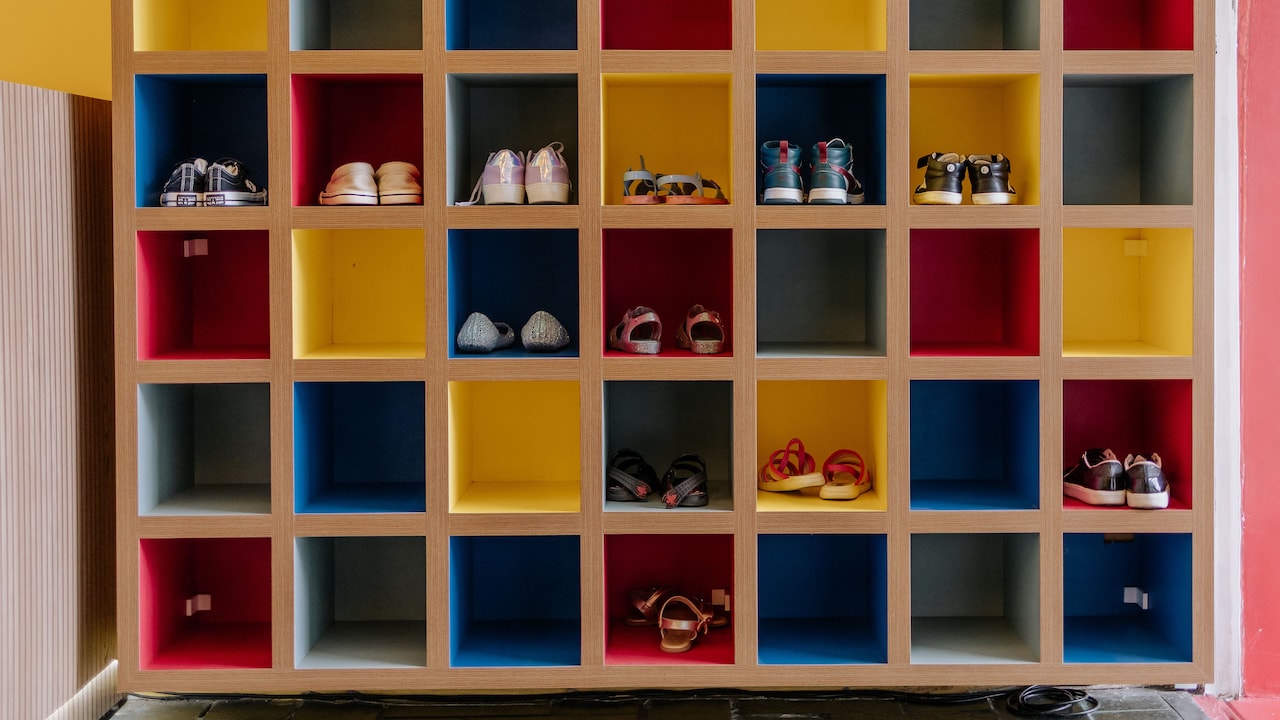
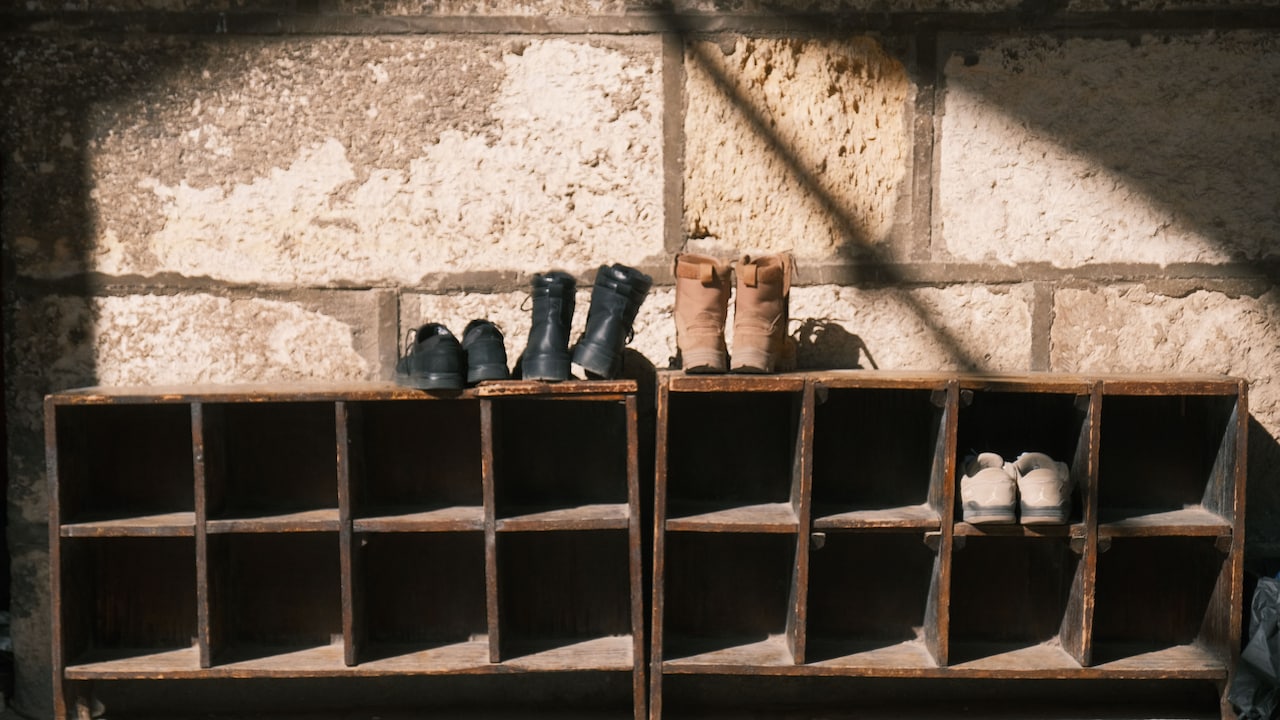
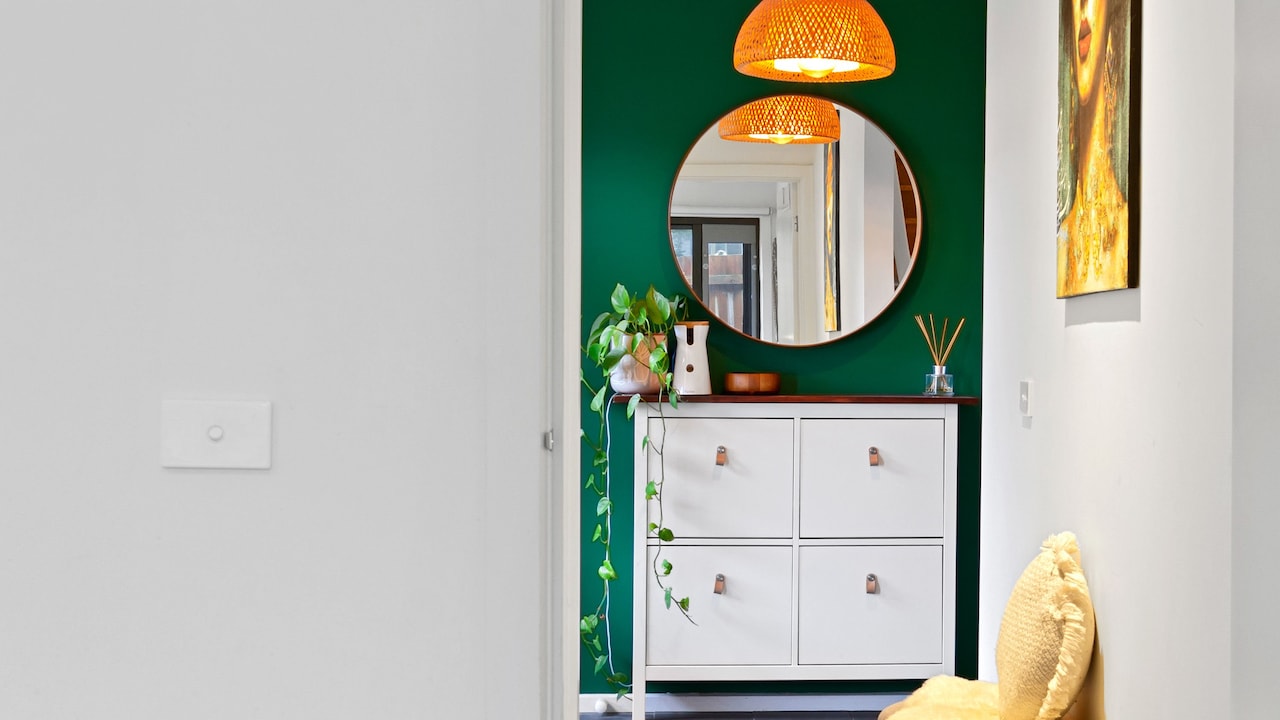
Well-designed storage solutions offer better ventilation, cleaner interiors, and improved organisation. Dedicated shoe racks, ventilated cabinets, and storage boxes help reduce environmental stress on footwear.
While quality storage may require a modest investment, it often proves worthwhile. Replacing a favourite pair of white shoes can easily cost several thousand rupees, making preventive storage a sensible choice.
Organisation brings additional benefits. Shoes remain easier to access, inspect, and maintain when arranged neatly rather than stacked haphazardly.
Good storage is not merely about appearance. It creates an environment that supports long-term preservation and reduces many of the factors responsible for yellowing.
Why Do White Shoes Turn Yellow In Storage? Top 10 Tips To Preserve Footwear In Cabinets
Photo Credit: Pexels
Products Related To This Article
1. BOXJOY 5 Shelf Shoe Rack with 5 Doors
2. Nilkamal Freedom Mini (FMSC09) Shoe Rack Plastic Cabinet
3. RAYMOX 6 Tier Shoe Storage Cabinet
4. Rocco Engineered Wood Trudo Modular Shoe Cabinet
5. LUVHOMEE Plastic Shoe Rack for Home with Door
6. Nilkamal Freedom Mini (FMSC09) Shoe Rack Plastic Cabinet 3-Year Warranty with Dustproof Door
7. AYSIS ???? ???????????????? Shoe Rack for Home with Transparent Doors
White shoes remain a wardrobe favourite because of their versatility, simplicity, and timeless appeal. Yet their bright appearance requires care, particularly during periods of storage. Yellowing often results from a combination of oxidation, moisture, sunlight exposure, cleaning residue, and poor storage conditions.
Fortunately, preventing these issues does not demand expensive products or complicated routines. Proper cleaning, thorough drying, moisture control, breathable storage, and regular inspection can dramatically improve footwear longevity.
Small habits often deliver the biggest results. A silica gel packet, a shaded storage space, or an extra day of drying may seem insignificant in the moment. Over time, however, these choices help preserve the clean, fresh look that makes white shoes so popular.
With thoughtful care and smart storage practices, favourite pairs can remain bright and ready to wear long after they disappear into the cabinet.
(Disclaimer: This article may include references to or features of products and services made available through affiliate marketing campaigns. NDTV Convergence Limited (“NDTV”) strives to maintain editorial independence while participating in such campaigns. NDTV does not assume responsibility for the performance or claims of any featured products or services.)









![Steam Iron Teflon Shoe Cover for ES-300,ST-96 [Only For ES-300 and ST-96 Model Electric Steam Irons]](https://m.media-amazon.com/images/I/51wwkttondL._SL160_.jpg)