Why Expensive Bedsheets Still Feel Rough After Washing: Fabric Tips That Actually Matter
Expensive bedsheets can still feel rough after washing because fabric quality, water type, detergent, and drying habits matter more than flashy labels or high thread counts.

Common causes of bedsheets feeling rough after washing and how to fix them
Few things feel more satisfying than slipping into a freshly made bed after a long day. Crisp pillows, cool sheets, and that comforting smell of clean fabric can turn an ordinary night into a small luxury. Yet many households know the disappointment of buying expensive bedsheets that feel wonderful in the shop but strangely rough after a couple of washes. Suddenly, that premium cotton starts scratching like an old towel. The shine fades. The softness disappears. The regret settles in somewhere between the laundry basket and the electricity bill. The problem usually has little to do with bad luck. Bedsheets endure constant friction, detergent residue, hard water minerals, sweat, dust, and relentless washing cycles. Many premium brands focus heavily on marketing words like “hotel collection” or “ultra luxury” while quietly ignoring what truly matters for long-term comfort.
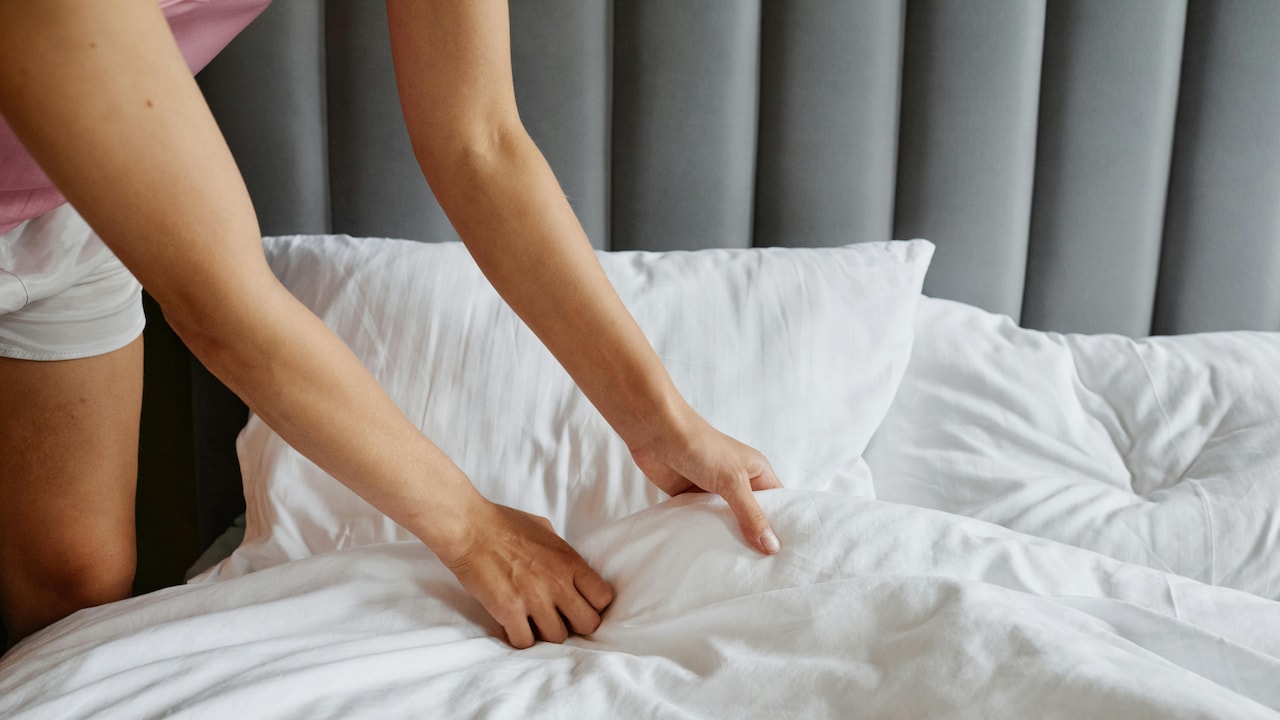
Why some bedsheets feel rough with every wash; Photo Credit: Pexels
Surprisingly, some affordable bedsheets survive years of washing and still feel soft enough for lazy Sunday naps. Meanwhile, pricey sets end up stiff within months. The difference lies in understanding fabrics beyond glossy packaging and thread count obsession.
Comfortable bedding depends on smarter choices, not simply expensive ones. From weave styles to drying habits, several overlooked details shape whether sheets feel cloud-like or coarse. These fabric tips actually matter and can save both money and sleep.
Also Read: Sleep Better Every Night With Soft And Breathable Bedsheets Under ₹999
Fabric Mistakes That Make Expensive Bedsheets Feel Rough After Washing
Thread Count Is Not The Whole Story
Many shoppers treat thread count like a final exam score. The higher the number, the better the bedsheet must be. Shops often push this idea confidently, with labels screaming “1,000 thread count luxury cotton” as though softness automatically doubles with every extra number.
Reality works differently. Extremely high thread counts often involve thinner, weaker fibres twisted together to inflate numbers artificially. This trick can create heavy sheets that trap heat and feel stiff after washing. In warm climates, these sheets may feel more uncomfortable than luxurious.
A good-quality cotton sheet with a thread count between 300 and 500 usually performs far better. The fibre quality matters more than the count itself. Long-staple cotton creates smoother yarns, fewer loose fibres, and a softer finish that survives repeated washes.
Think of it like tea. A fancy tin does not guarantee flavour. Good ingredients matter more than shiny packaging. Bedsheets follow the same rule.
Several households spend ₹8,000 or more chasing giant thread counts, only to wonder why the sheets feel rough within weeks. Meanwhile, a thoughtfully woven cotton bedsheet costing half that amount may stay soft for years. Marketing often sells numbers. Comfort depends on fibre quality.
Hard Water Quietly Ruins Fabric Softness
Water quality rarely enters conversations about bedding, yet it quietly affects every wash. Hard water contains minerals like calcium and magnesium that cling stubbornly to fabric fibres. Over time, bedsheets lose flexibility and begin feeling rough, stiff, and slightly dull.
Many cities struggle with hard water issues, especially during the summer months when water supplies fluctuate. Expensive sheets suffer just as much as affordable ones. Luxury cotton does not possess magical immunity against mineral deposits.
The signs appear slowly. Freshly washed sheets lose their smooth texture. Colours fade unevenly. Fabric starts feeling scratchy despite using expensive detergent or fabric conditioner. Sometimes people blame the bedsheet brand when the real culprit pours directly from the tap.
A simple fix often works wonders. Adding half a cup of white vinegar during the rinse cycle helps dissolve mineral build-up naturally. Washing sheets separately from heavy clothes also reduces friction damage.
Water softeners can help, too, though many households prefer simpler remedies because nobody wants laundry routines that feel more complicated than filing tax returns.
Soft fabric depends not only on what enters the washing machine but also on the quality of the water flowing through it. Ignoring this detail can turn even premium bedding into something better suited for covering furniture during house painting.
Fabric Weave Changes Everything
Most people notice colour and pattern before anything else while shopping for bedsheets. Floral prints, earthy tones, or elegant stripes steal attention instantly. Yet weave style often decides how sheets feel after months of use.
Percale weave creates a crisp, cool finish. It feels breathable and fresh, perfect for warmer weather. However, some percale sheets can feel rough initially and soften gradually with proper washing.
Sateen weave offers a silkier texture with a subtle sheen. These sheets feel smooth immediately but may trap more heat during humid nights. Lower-quality sateen also pills faster if washed carelessly.
Linen blends have become increasingly popular because they soften beautifully over time. At first touch, linen can feel textured or slightly coarse. After repeated washing, though, it develops a relaxed softness many people adore.
Choosing the wrong weave often leads to disappointment. Someone expecting buttery softness from crisp percale may assume the bedsheet quality feels poor. Another person buying sateen for summer may wake up sweating by midnight.
Bedsheets resemble footwear in this sense. Running shoes feel terrible at weddings, and formal leather shoes perform poorly at marathons. Different fabrics suit different sleeping preferences. Understanding weave styles prevents expensive mistakes and midnight irritation.
Overloading The Washing Machine Damages Fibres
Modern washing machines encourage multitasking. Bedsheets, towels, jeans, T-shirts, pillow covers, and gym clothes often tumble together in one overloaded drum because electricity bills already feel painful enough.
Unfortunately, bedsheets suffer badly in crowded washes. Heavy items create friction that weakens delicate fibres. Cotton rubs aggressively against zippers, buttons, and rough fabrics. The result appears slowly as roughness, thinning fabric, and faded softness.
Luxury bedsheets need space to move freely during washing. Proper water circulation helps the detergent rinse out thoroughly while reducing fibre stress. Overloaded drums trap dirt and detergent residue inside fabric layers, leaving sheets stiff after drying.
The damage becomes especially noticeable with premium cotton because finer fibres react more sensitively to rough handling. It resembles washing a silk kurta alongside muddy sports shoes and expecting everything to emerge peacefully.
Separating bedsheets from heavy garments may feel inconvenient initially, but the difference becomes obvious after several washes. Softer texture, brighter colour, and longer fabric life make the extra effort worthwhile.
Sometimes expensive bedding feels rough, not because the fabric lacks quality, but because laundry habits slowly punish it every week.
Too Much Detergent Creates Stiff Bedsheets
More detergent should mean cleaner clothes. At least that seems logical while pouring an enthusiastic amount into the machine. Sadly, bedsheets disagree.
Excess detergent leaves residue trapped deep within fabric fibres. Instead of softness, sheets develop stiffness and a strange, rough texture that worsens after drying. This issue becomes even more noticeable in areas with hard water because minerals combine with soap residue.
Strong detergents marketed as “deep cleaning” formulas can strip natural softness from cotton over time. Fragrance-heavy products may smell luxurious, but often coat fibres unnecessarily.
Many households unknowingly use double the required detergent quantity, especially during the monsoon season when laundry smells damp easily. Yet overloaded soap rarely solves odour problems. Proper drying matters far more.
Gentle liquid detergents usually work better for premium bedding than harsh powders. Using smaller quantities also helps fabrics rinse thoroughly. Soft bedsheets depend on cleanliness without residue.
Fabric conditioner can offer temporary softness, but overuse may coat fibres heavily and reduce breathability. Nobody enjoys sleeping on sheets that feel smooth yet strangely sticky during humid nights.
Sometimes the secret to softer bedsheets involves using less, not more. Laundry advertising rarely mentions this because moderation does not sell detergent bottles dramatically.

Choosing too much detergent in wash cycles can also make the texture rough; Photo Credit: Pexels
Sunlight Can Either Help Or Harm
Fresh bedsheets drying under bright sunlight carry a comforting familiarity. The smell alone can transform a bedroom into something calm and welcoming. Yet excessive sunlight slowly damages fabric fibres, especially delicate cotton.
Harsh afternoon heat weakens threads and causes roughness over time. Dark-coloured bedsheets fade faster, while lighter fabrics may become brittle if dried too aggressively. The problem worsens during peak summer months when balconies feel hotter than pressure cookers.
Drying sheets in partial shade often preserves softness better. Gentle airflow works beautifully without exposing fibres to relentless heat. Indoor drying near windows also helps during extreme temperatures.
At the same time, completely avoiding sunlight creates different issues. Damp sheets develop musty smells and bacterial growth quickly, especially during the monsoon season. Nobody wants bedding that smells faintly like forgotten laundry bags.
Balance matters more than extremes. Morning sunlight usually works best because it dries fabric effectively without excessive heat damage.
Many expensive bedsheets lose softness simply because they spend hours baking every wash day outdoors. Proper drying habits can extend fabric life dramatically without requiring fancy laundry products or expensive gadgets.
Cotton Quality Matters More Than Branding
Luxury branding often creates false confidence. Elegant packaging, satin ribbons, and celebrity endorsements convince shoppers they are buying superior quality. Yet the cotton itself may not justify the premium price.
Long-staple cotton produces stronger, smoother fibres that resist roughness over time. Egyptian cotton and Supima cotton earn popularity because of their fibre length and durability. However, labels sometimes use these terms loosely for marketing purposes.
Blended fabrics also complicate expectations. Cotton mixed with polyester may feel smooth initially, but trap heat and lose softness after repeated washing. Pure cotton usually breathes better and ages more gracefully.
Touch matters more than labels during shopping. High-quality cotton feels smooth without excessive slipperiness. The fabric should drape naturally rather than feeling stiff or plasticky.
Several local textile markets quietly sell excellent cotton bedding without glamorous branding or massive price tags. Sometimes the best bedsheets arrive folded in simple packaging rather than luxurious gift boxes designed for social media photographs.
Spending ₹10,000 on branding while ignoring fabric composition rarely guarantees comfort. Smart shoppers focus on fibre quality instead of dramatic marketing promises that sound suspiciously similar to shampoo advertisements.
New Bedsheets Often Need Multiple Washes
Many premium bedsheets feel disappointing after the first wash because people expect instant perfection. In reality, certain fabrics soften gradually with use.
Manufacturers sometimes apply finishing chemicals to keep sheets looking crisp in packaging and shop displays. These coatings create stiffness initially, especially in cotton and linen fabrics. After a few proper washes, the fibres relax naturally.
Percale sheets particularly need patience. They may feel slightly rough at first, but soften beautifully over time. Linen follows a similar journey. Initial texture eventually transforms into relaxed comfort that many people prefer over silky finishes.
Expecting brand-new sheets to behave like decade-old favourite bedding creates unrealistic comparisons. Well-loved bedsheets carry years of softened fibres and repeated washing that newer fabrics simply have not experienced yet.
Gentle washing cycles help speed up the softening process without damaging fibres. Harsh detergents or aggressive drying often interrupt this natural improvement.
Buying expensive bedsheets resembles buying leather sandals sometimes. The first few uses may feel stiff, but proper care gradually shapes them into something comfortable and familiar. Impatience often leads people to assume poor quality too quickly.
Cheap Elastic And Stitching Affect Comfort Too
Bedsheet comfort involves more than fabric alone. Poor stitching, weak elastic, and rough seams quietly ruin the sleeping experience, even when the material itself feels soft.
Fitted sheets with weak elastic lose shape quickly and bunch awkwardly during sleep. Loose corners create uncomfortable folds that somehow always end up under someone's back at three in the morning.
Cheap stitching also causes tension across fabric surfaces. After washing, poorly sewn seams tighten unevenly and create rough patches. Sometimes people blame fabric quality when construction flaws actually cause discomfort.
Premium bedding should feature strong stitching with neat finishing along edges. Flat seams feel smoother against the skin and survive repeated washing better. Quality construction keeps fabric tension balanced over time.
Tiny details often separate genuinely durable bedding from overpriced decorative products. A bedsheet may photograph beautifully online, yet feel irritating after regular use because manufacturers prioritised appearance over construction quality.
Good bedding should disappear into comfort rather than constantly demanding adjustment during sleep. Nobody wants nightly wrestling matches with fitted sheets sliding off mattresses like stubborn dosa batter escaping a pan.
Comfort depends on the complete package, not simply expensive fabric labels or trendy colours.
Proper Storage Keeps Bedsheets Softer Longer
Bedsheets spend significant time folded inside cupboards, yet storage habits rarely receive attention. Damp wardrobes, poor ventilation, and overcrowded shelves quietly affect fabric quality between washes.
Cotton absorbs moisture easily. In humid conditions, sheets may develop stiffness, mild odours, or rough textures even before the next use. Overstuffed storage spaces also crush fibres unnecessarily and create creases that feel harsher after unfolding.
Clean, dry cupboards help preserve softness naturally. Storing sheets with small fabric sachets containing lavender or neem leaves keeps freshness intact without overwhelming perfume smells.
Plastic covers may protect against dust but trap moisture during humid weather. Breathable cotton storage bags usually work better for long-term fabric care.
Rotating bedsheet sets also reduces wear. Using the same favourite sheet repeatedly while ignoring others shortens its lifespan dramatically. Every fabric needs occasional rest, much like overstressed office chairs and overworked pressure cookers.
Soft bedding depends not only on washing routines but also on how fabrics rest between uses. Good storage habits quietly preserve texture, colour, and comfort for years.
Products Related To This Article
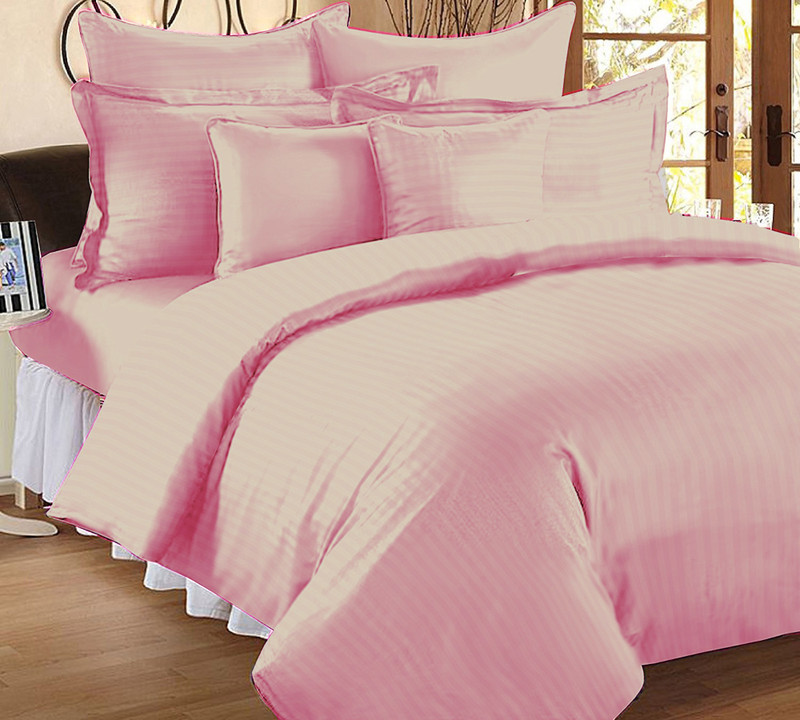
1. Stoa Paris Double Bedsheet with 2 Pillow Covers
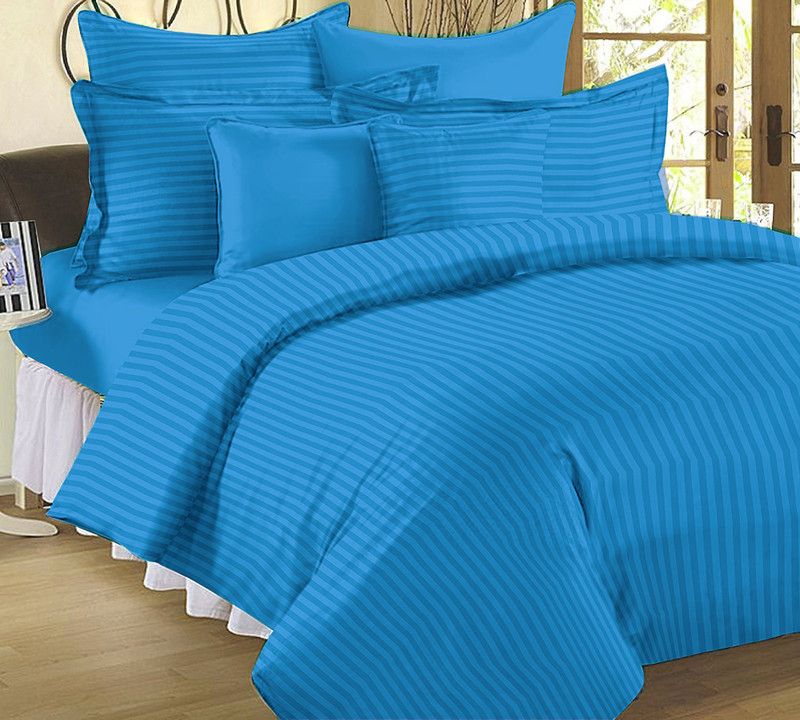
2. Blue Dahlia 100% Cotton, King Size/Double,
3. LANE LINEN 100% Organic Cotton Bedsheet Set for Super King Bed
4. Trident Soft Comfort Bedsheet for Double Bed
5. Urban Space Serene 100% Cotton 200 TC Floral Bedsheet for King Bed
6. Jaipur Weaves King Size Elastic Fitted Bedsheet
7. Home Ecstasy 100% Cotton King Bedsheet with 2 Pillow Covers
Expensive bedsheets often disappoint because softness depends on far more than price tags and fancy branding. Fabric quality, weave style, water type, detergent habits, drying methods, stitching and storage all shape how bedding feels after washing.
Many households unknowingly damage premium sheets through overloaded machines, excessive detergent, harsh sunlight, or hard water exposure. Meanwhile, thoughtfully cared-for, affordable bedding can remain soft and comfortable for years.
The good news feels refreshingly simple. Softer bedsheets rarely demand complicated routines or expensive laundry products. Small adjustments make the biggest difference. Gentler washing, better drying habits, and smarter fabric choices often restore comfort more effectively than buying another overpriced bedsheet set during festive sales.
At the end of the day, good bedding should feel inviting, breathable, and comforting after every wash. Sleep already comes with enough challenges. Bedsheets should never become one of them.
(Disclaimer: This article may include references to or features of products and services made available through affiliate marketing campaigns. NDTV Convergence Limited (“NDTV”) strives to maintain editorial independence while participating in such campaigns. NDTV does not assume responsibility for the performance or claims of any featured products or services.)





![Steam Iron Teflon Shoe Cover for ES-300,ST-96 [Only For ES-300 and ST-96 Model Electric Steam Irons]](https://m.media-amazon.com/images/I/51wwkttondL._SL160_.jpg)