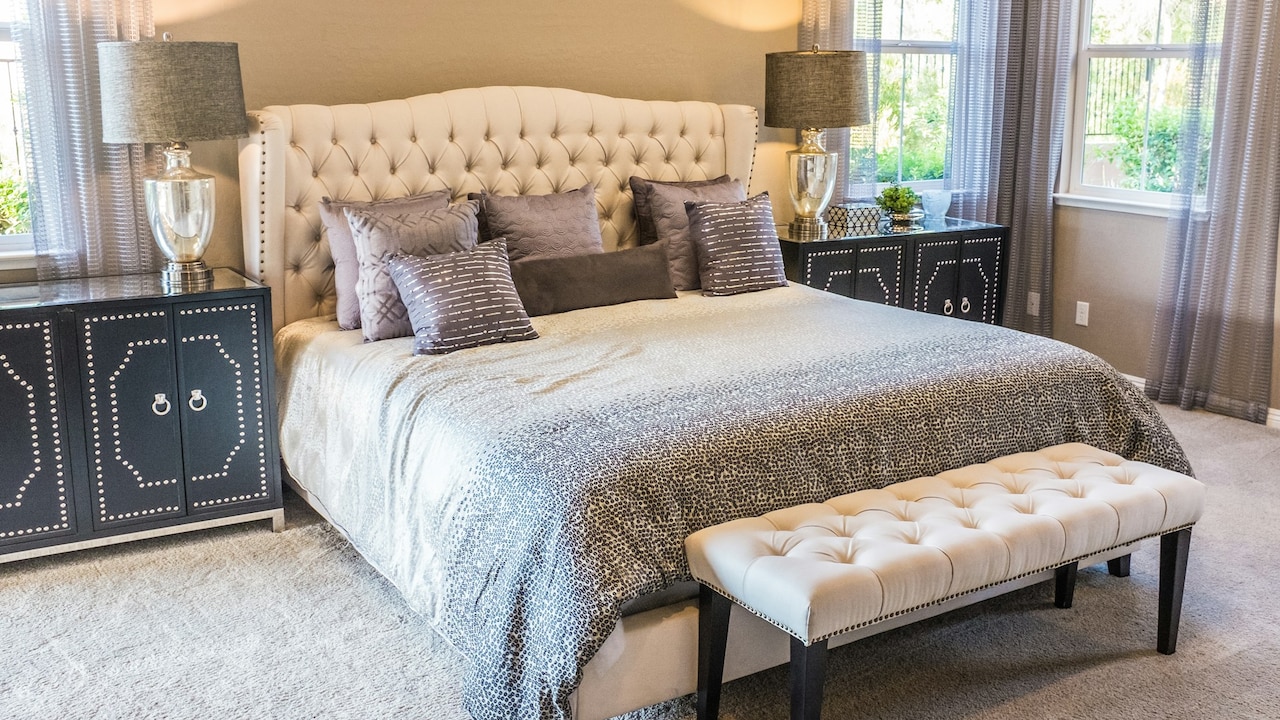
The Recliner Myth: Why Bigger Recliners Does Not Always Mean More Comfort
Oversized recliners may look luxurious, but bigger does not always mean better comfort. Smart design, proper support, and the right fit matter far more than sheer size.
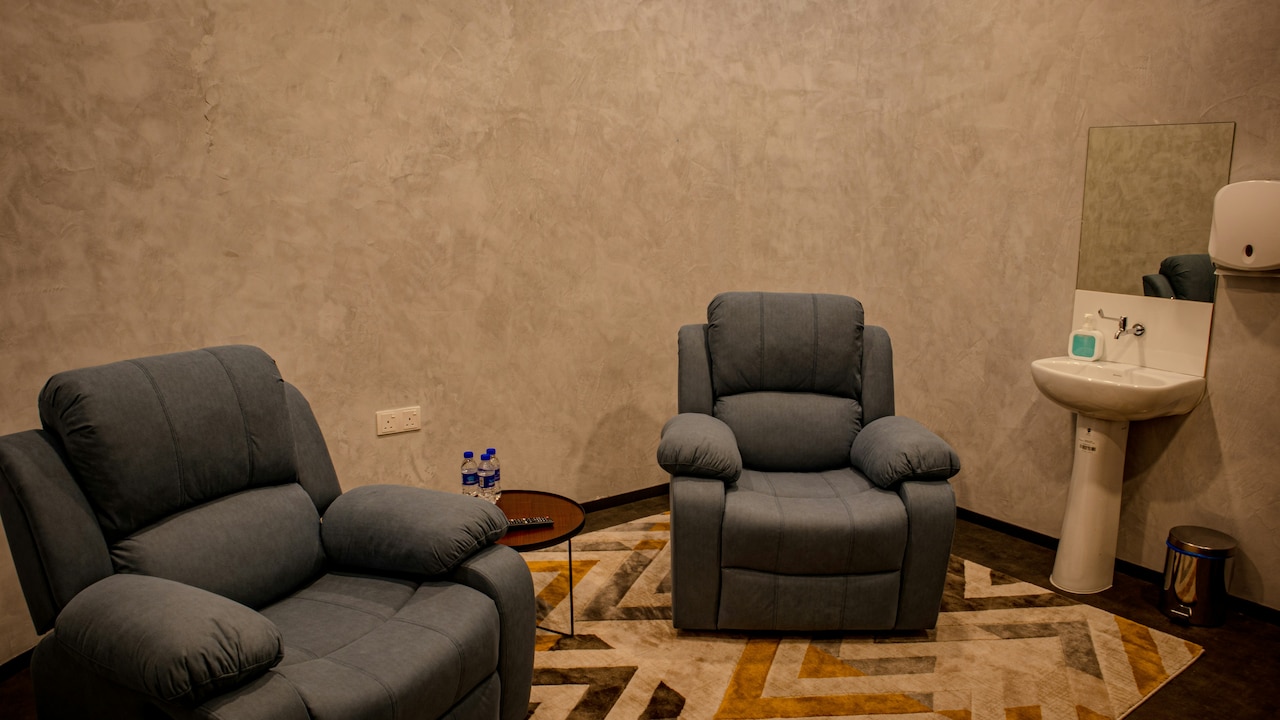
The Recliner Myth: Bigger Does Not Mean More Comfortable
Furniture shopping often begins with a fantasy. A rainy Sunday afternoon, cricket on television, hot chai on the centre table, and a massive recliner swallowing every ounce of stress after a long workday. Showrooms know this dream very well. That is why many recliners look enormous enough to fit a small family and a Labrador together. Yet comfort does not work like buffet pricing at a wedding. More space does not automatically mean more satisfaction. Many households discover this truth only after the recliner arrives home. The giant chair blocks walking space, refuses to fit through doorways gracefully, and somehow leaves the lower back aching after two weeks. Meanwhile, the smaller, simpler chair in the corner quietly becomes everyone's favourite seat.
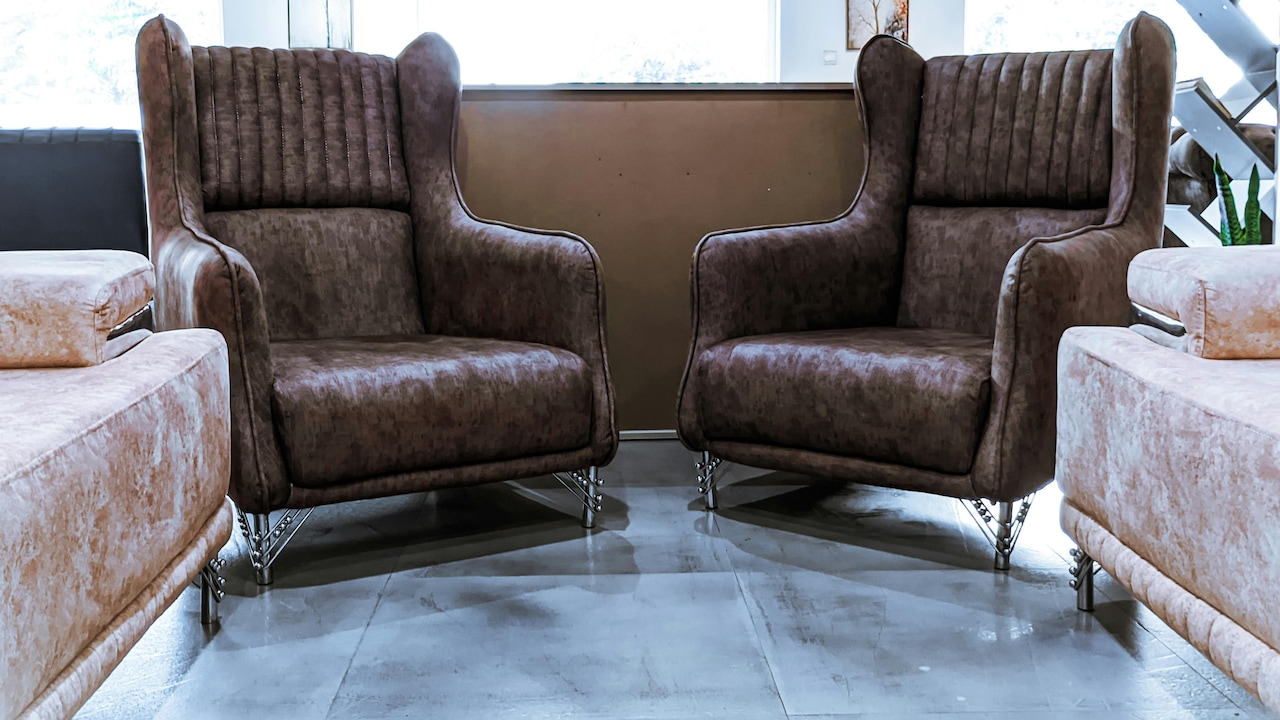
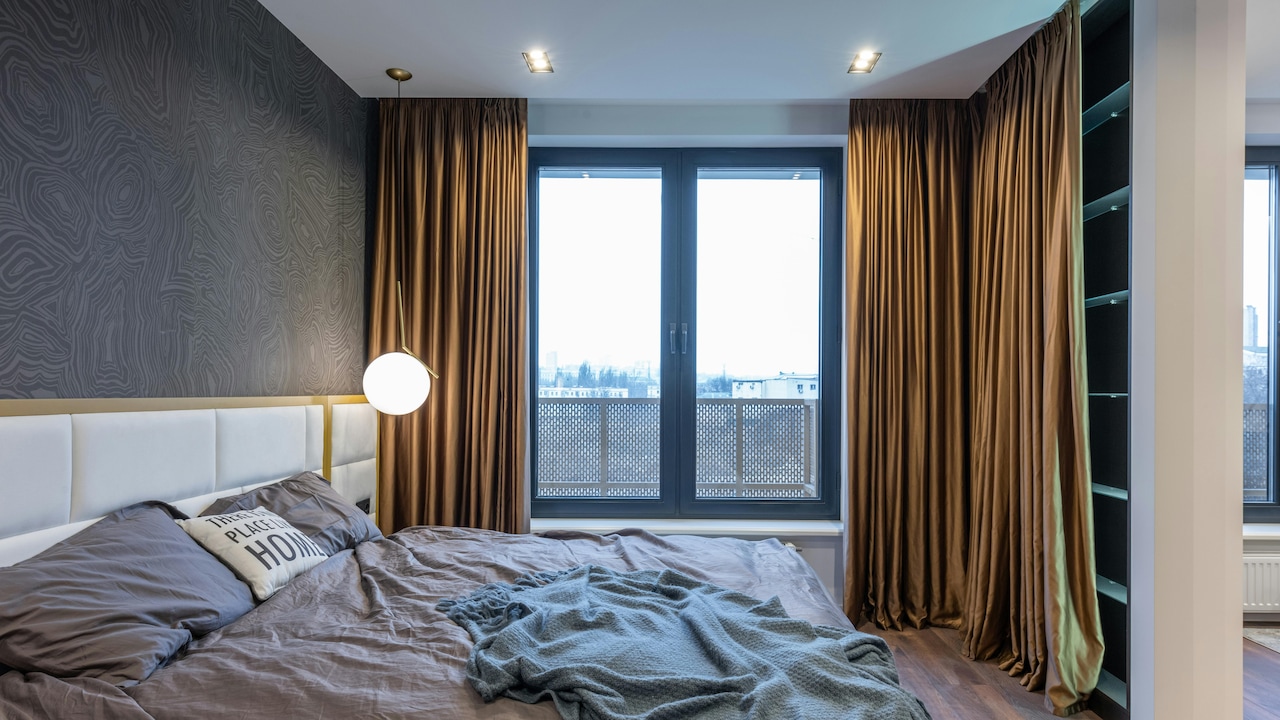
The Recliner Myth: Bigger Does Not Mean More Comfortable; Photo Credit: Pexels
The obsession with bigger furniture comes from the idea that luxury must look grand. Social media fuels it further. Oversized recliners appear glamorous in staged living rooms with high ceilings and endless floor space. Real homes tell a different story. Most living spaces need balance, proportion, and smart support more than sheer bulk. Comfort depends on posture, material, movement, cushioning, and body alignment. A recliner should support the body naturally rather than drown it in layers of foam. The right chair feels almost invisible because the body settles effortlessly into it. The myth of “bigger equals better” has survived for years, but modern homes and changing lifestyles reveal its flaws clearly. A recliner should make life easier, not turn the living room into an obstacle course.
Why Bigger Recliners Often Fail To Deliver Real Comfort
The Showroom Illusion
Furniture showrooms have mastered drama. Bright lights, enormous spaces, soft music, and perfectly arranged interiors can make almost any recliner feel like royalty. A bulky leather chair placed in a massive display area creates instant temptation. Sitting on it for three minutes feels heavenly because the body experiences novelty, not long-term comfort.
Reality begins once the recliner enters a regular flat. Suddenly, the giant masterpiece dominates the room like an overenthusiastic wedding guest who refuses to leave. Walking around becomes awkward. Side tables lose purpose. Even cleaning underneath feels like preparing for a military mission.
Showrooms also encourage quick decisions. Most people test recliners while fully alert and dressed for an outing. Actual usage happens after exhausting commutes, late-night binge watching, or lazy Sunday naps. A recliner that seemed soft in the store may become tiring after an hour because oversized seats often fail to support the spine properly.
Another issue lies in proportion. Many large recliners cater to Western body frames and spacious homes. Smaller users often sink too deeply into wide seats, leaving legs dangling awkwardly or forcing unnatural posture. The result feels cosy initially but uncomfortable over time.
A recliner should adapt to the person using it, not the other way around. The showroom may sell dreams, but daily life demands practicality.
Also Read: Top 10 Recliners On Amazon From Duroflex, Sleepyhead, Taylor To KosmoCare; 8 Reasons To Buy
Bigger Chairs Often Ignore Ergonomics
Comfort starts with ergonomics, not dimensions. A recliner that supports the neck, lower back, shoulders, and knees correctly will always outperform a giant chair with poor structure.
Oversized recliners often sacrifice support for appearance. Thick cushions may look luxurious, but they sometimes behave like overstuffed biryani plates at weddings, impressive at first glance yet difficult to handle after a while. Excess softness can force the spine into awkward angles, especially during long sitting sessions.
The seat depth matters more than most buyers realise. If the seat extends too far, the user struggles to rest the back comfortably while keeping their feet grounded. Shorter users often end up sitting forward, defeating the entire purpose of reclining. Similarly, armrests placed too wide apart strain the shoulders gradually.
Good ergonomics create invisible comfort. The body relaxes naturally without constant shifting or adjustment. A properly designed medium-sized recliner often delivers better support because it follows body contours more effectively.
Many physiotherapists warn against overly soft seating because it encourages slouching. A recliner should support movement rather than trap the body in one position. Reclining occasionally feels wonderful, but sinking endlessly into foam can lead to stiffness and fatigue.
The ideal recliner feels balanced. A firm where support matters, soft where relaxation counts. Size alone cannot achieve that balance.
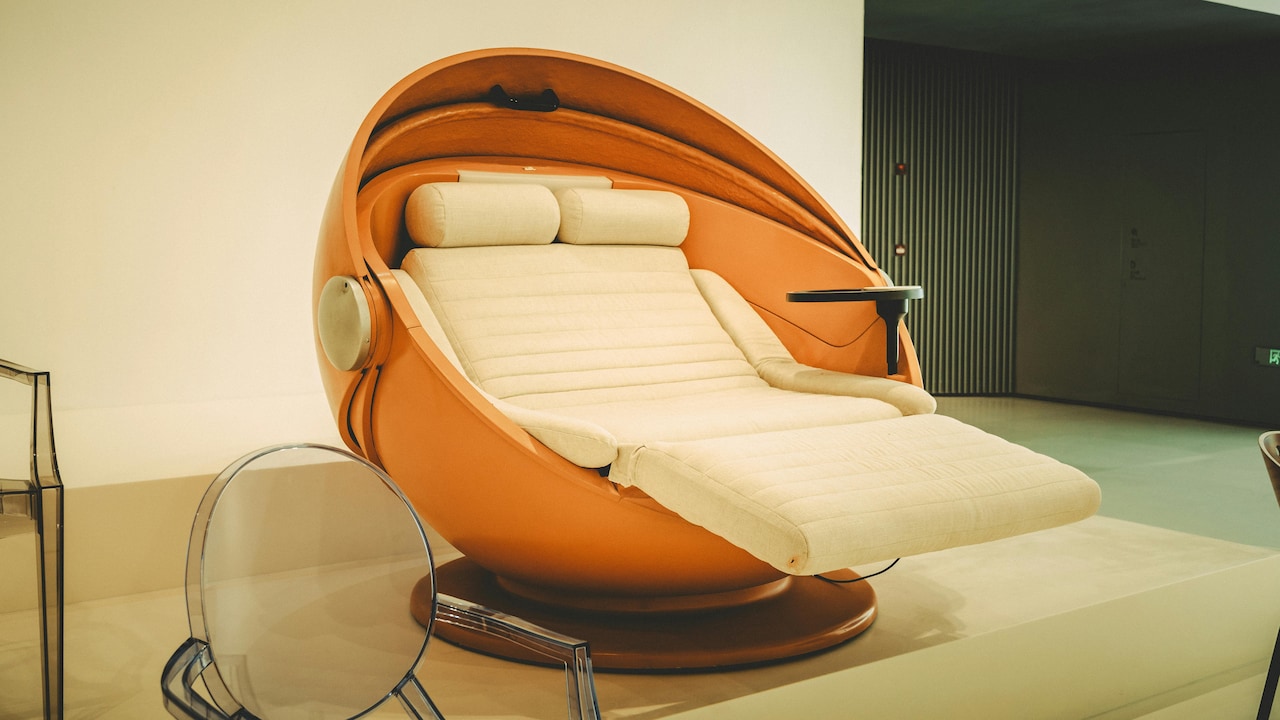
The Recliner Myth: Bigger Does Not Mean More Comfortable; Photo Credit: Pexels
Living Rooms Need Breathing Space
A living room serves many purposes beyond showcasing furniture. Families gather there for conversations, festivals, television marathons, afternoon naps, and occasional arguments about remote controls. Oversized recliners can quietly disrupt this rhythm.
Large furniture shrinks visual space. Even spacious rooms begin to feel crowded when a giant recliner dominates the centre. Smaller flats suffer the most because bulky chairs interrupt movement and make interiors feel heavy.
Interior designers often emphasise negative space, the empty area around furniture that allows rooms to feel open and calm. Without breathing space, even expensive interiors appear cluttered. A massive recliner can easily consume the balance of an otherwise elegant room.
There is also the matter of flexibility. Smaller or moderately sized recliners adapt more easily during rearrangements, festive decorations, or family gatherings. Giant models rarely cooperate. Once placed, they become permanent residents with stubborn personalities.
Cleaning creates another hidden frustration. Dust collects underneath and behind oversized recliners rapidly. Moving them requires strength, patience, and occasionally divine intervention.
A well-sized recliner enhances the room instead of overpowering it. It should invite relaxation while allowing the home to remain functional. Nobody wants guests performing side-step manoeuvres simply to reach the sofa.
Comfort extends beyond the chair itself. It includes how comfortably the entire room functions around it.
Softness Can Become The Enemy
People often confuse softness with comfort. That fluffy, cloud-like recliner may feel irresistible initially, but excessive cushioning can create long-term discomfort surprisingly quickly.
The body needs support to maintain a healthy posture. Extremely soft recliners allow hips and backs to sink unevenly, placing pressure on joints and muscles. Sitting for extended periods can leave users feeling stiff rather than refreshed.
Imagine sleeping on a mattress so soft that getting up feels like escaping quicksand. Recliners work similarly. Without proper resistance, muscles struggle to maintain alignment.
Oversized recliners amplify this issue because they usually feature deeper seats and thicker padding. Users sink further into the structure, making posture correction difficult. Many people notice neck strain because oversized backrests fail to align naturally with head position.
There is also the psychological trap of “more cushioning equals more luxury.” Marketing campaigns love giant padded recliners because they photograph beautifully. Yet true comfort depends on intelligent construction rather than pillow-like excess.
Medium-firm support often delivers the best long-term experience. It allows relaxation without compromising body mechanics. The body feels rested after sitting, not exhausted.
Traditional wooden armchairs with decent cushions sometimes outperform giant recliners simply because they encourage healthier posture. Comfort does not require drowning inside foam layers thick enough to hide missing TV remotes forever.
The best recliners support relaxation while respecting the body's natural structure. Anything beyond that becomes decorative excess.
Recliners Should Match Lifestyle
Furniture works best when it reflects actual lifestyle rather than fantasy scenarios. Many people buy oversized recliners, imagining peaceful evenings filled with books and silence. Real life usually involves snack crumbs, unfinished chores, noisy televisions, and somebody asking where the charger disappeared.
A giant recliner may suit someone with a dedicated entertainment room and abundant space. For most households, daily needs differ greatly. Compact or medium-sized recliners often blend better with modern routines.
Families with children quickly realise how oversized recliners become climbing frames within hours. Pets treat them like private kingdoms. Meanwhile, folding laundry on them becomes strangely impossible because the deep cushions swallow everything.
Lifestyle also affects maintenance. Leather recliners require care in humid climates. Fabric recliners demand regular cleaning. Larger models increase maintenance effort because every surface expands accordingly.
Many remote-working professionals spend longer hours seated nowadays. In such cases, posture support matters far more than luxurious appearance. A recliner that encourages healthy sitting positions proves more valuable than one designed purely for dramatic lounging.
Entertainment habits matter too. Watching films for two hours differs greatly from sitting through weekend cricket tournaments lasting entire afternoons. Long-duration comfort depends on body alignment, not seat width.
The smartest furniture purchases happen when practicality meets comfort honestly. Aspirations may influence design choices, but daily routines reveal whether a recliner genuinely belongs in the home.
The Hidden Cost Of Oversized Recliners
The price tag on a recliner rarely tells the full story. Oversized models often bring additional expenses that buyers overlook during showroom excitement.
Delivery charges increase because larger furniture requires specialised transport and handling. Some apartments present logistical nightmares involving narrow lifts, tight staircases, and sharp corners. Stories of sofas dangling dramatically from balconies are no longer rare.
Electric recliners consume power and may require nearby sockets, affecting room layout. Larger models also use more material, which naturally raises maintenance and repair costs over time.
Cleaning expenses rise quietly, too. Bigger surfaces collect more dust and stains. Professional cleaning services often charge higher rates for oversized recliners, especially those with complex mechanisms.
Space itself carries value. In cities where every square foot matters, dedicating excessive room to one chair may not make financial sense. A bulky recliner can limit storage options or reduce flexibility for future furniture arrangements.
Durability becomes another concern. Heavy recliners place more stress on moving parts and frames. Cheap oversized models may begin creaking or sagging surprisingly early because manufacturers prioritise appearance over structural quality.
Then comes the resale challenge. Selling a giant recliner feels almost impossible unless someone specifically wants that exact size and style. Smaller, versatile furniture usually attracts more buyers.
True value comes from longevity, usability, and everyday satisfaction. A thoughtfully designed recliner often outlasts flashy, oversized alternatives both physically and emotionally.
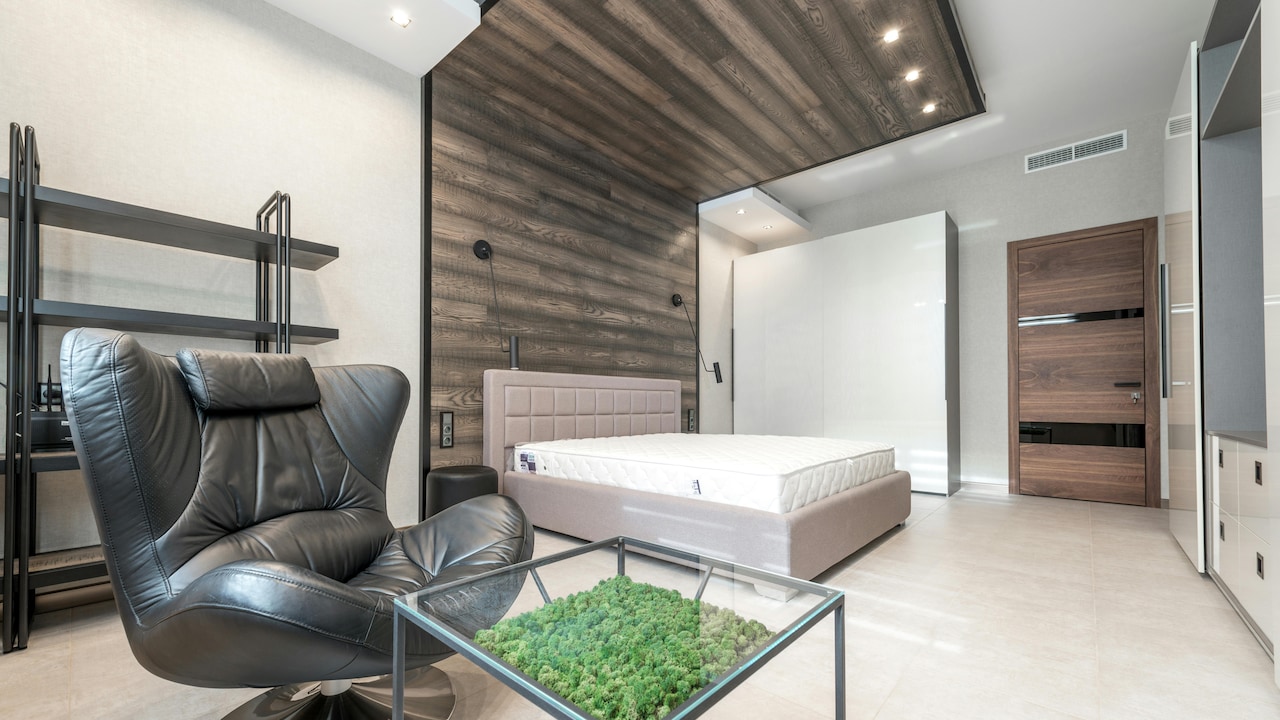
The Recliner Myth: Bigger Does Not Mean More Comfortable; Photo Credit: Pexels
Minimalism Is Changing Comfort Trends
Homes today increasingly favour simplicity and functionality over excess. Minimalism no longer means cold, empty interiors. Instead, it encourages thoughtful choices that improve everyday living.
This shift has influenced recliner design significantly. Many modern buyers now prefer sleek recliners with cleaner lines, smarter mechanisms, and ergonomic support instead of bulky throne-like structures.
Younger homeowners especially appreciate furniture that adapts easily to changing spaces. Compact recliners fit better into apartments, hybrid work setups, and multipurpose living rooms. They provide comfort without overwhelming interiors.
Social habits have changed, too. Living rooms now double as workspaces, entertainment zones, and occasional dining areas during festivals or family visits. Oversized recliners often struggle within these flexible environments.
There is also growing awareness around mindful consumption. People increasingly question whether massive furniture genuinely improves the quality of life or simply occupies more space. The answer often surprises them.
A thoughtfully chosen recliner complements the room quietly. It supports relaxation while allowing the home to feel airy and organised. Minimalist interiors achieve calmness not because they lack furniture, but because every piece serves a clear purpose.
This does not mean comfort has become less important. Quite the opposite. Modern consumers expect furniture to perform intelligently rather than merely look impressive.
The era of gigantic recliners dominating living rooms may slowly fade as practicality becomes more desirable than visual exaggeration.
Customisation Matters More Than Size
No single recliner suits everybody perfectly. Height, weight, posture, habits, and health conditions influence comfort significantly. That is why customisation matters far more than sheer dimensions.
A moderately sized recliner with adjustable lumbar support can feel infinitely better than an oversized generic model. Features like adjustable headrests, leg support, and reclining angles create personalised comfort experiences.
People often underestimate body proportions during furniture shopping. Someone tall may need better leg support, while someone shorter may prefer shallower seat depth. Oversized recliners attempt to suit everyone broadly, which usually means they fit nobody exceptionally well.
Customisation also extends to materials. Breathable fabrics suit warmer climates better than thick leather surfaces that become sticky during humid evenings. Cushion density affects comfort dramatically, too.
Technology has improved recliner design substantially. Modern recliners now offer smarter ergonomics without excessive bulk. Compact designs can include storage compartments, charging ports, and smooth reclining systems while maintaining elegant proportions.
The growing popularity of modular furniture reflects this desire for adaptability. People want furniture that responds to personal needs rather than imposing fixed experiences.
Comfort should feel tailored, not accidental. The best recliner supports the individual's body naturally without requiring awkward adjustments or endless repositioning.
Choosing based purely on size ignores the deeply personal nature of comfort itself.
Bigger Recliners Often Age Poorly
Furniture trends evolve constantly. What appears luxurious today may look outdated surprisingly quickly. Oversized recliners especially struggle with ageing gracefully because their dramatic appearance attracts attention immediately.
Large recliners often dominate visual aesthetics so strongly that changing room décor becomes difficult later. A subtle recliner adapts more easily across design trends, colour schemes, and furniture updates.
Wear and tear also become more visible on bulky furniture. Sagging cushions, creased upholstery, and faded surfaces affect oversized recliners noticeably because of their larger proportions. A giant recliner with flattened cushions quickly loses its showroom charm.
Mechanical issues increase with complexity, too. Bigger recliners usually involve heavier moving parts, which experience greater stress over time. Repairs can become expensive and inconvenient.
Lifestyle changes further expose the limitations of oversized furniture. Families move homes, downsize, renovate, or alter room layouts regularly. Giant recliners rarely transition smoothly through these changes.
Meanwhile, well-proportioned recliners tend to remain useful longer because they blend naturally into evolving interiors. Their practicality keeps them relevant even as tastes shift.
Furniture should age like a good classic film, not like old wedding decorations nobody knows where to store.
Timeless comfort depends on thoughtful design, durable construction, and adaptability. Oversized recliners often prioritise immediate visual impact instead.
True Comfort Feels Effortless
The best furniture rarely demands attention constantly. True comfort feels natural, easy, and almost forgettable. A good recliner supports relaxation so seamlessly that the body stops thinking about the chair altogether.
Oversized recliners often chase spectacle rather than subtlety. They announce luxury loudly through size, thick padding, and dramatic silhouettes. Yet real comfort usually lives in quieter details, proper support, balanced cushioning, smooth movement, and thoughtful proportions.
A perfectly sized recliner encourages healthy posture while still feeling cosy enough for lazy evenings. It fits the room gracefully. It allows movement around the house comfortably. It supports movie nights, afternoon naps, and long conversations without turning the living room into an obstacle course.
Many people eventually realise their favourite seat is not necessarily the biggest one. Sometimes, it is the modest chair near the window where evening tea tastes better and daily stress melts away naturally.
Comfort also carries emotional value. A recliner should create warmth, ease, and familiarity rather than visual intimidation. Homes feel inviting when furniture supports living instead of dominating it.
Bigger may attract attention quickly, but thoughtful design earns lasting affection.
Products Related To This Article
1. Sleepyhead RX5 - Single Seater Leatherette Manual Recliner with Durable Spring Support
2. Duroflex Avalon - Single Seater Premium Fabric Recliner Sofa
3. Green Soul Comfy | 1 Seater Recliner Sofa with Soft Suede Fabric & Luxuriously Padded Body
4. Amazon Brand - Solimo Garcin Rocking 1 Seater Fabric Recliner
5. The Couch Cell | Two Seater Recliner Sofa | Tan Suede Fabric Upholstered Recliner
6. Nilkamal Sierra Velvet Fabric Manual Single Seater Recliner
7. Peachtree Manila Manual Recliner- 3 Years Warranty
The belief that larger recliners guarantee greater comfort has survived largely because appearance often tricks perception. Oversized chairs look luxurious, indulgent, and impressive in showrooms. Yet daily life exposes their flaws gradually through poor ergonomics, wasted space, maintenance challenges, and awkward practicality.
Comfort depends on how well a recliner supports the body and fits into everyday routines. A thoughtfully designed medium-sized recliner can outperform a massive padded chair in nearly every meaningful way.
Homes today demand flexibility, balance, and intelligent design. Furniture should enhance living spaces rather than overwhelm them. The perfect recliner is not the one that occupies the most space. It is the one that quietly becomes everyone's favourite place to unwind after a long day. Because true comfort never needs to shout.
(Disclaimer: This article may include references to or features of products and services made available through affiliate marketing campaigns. NDTV Convergence Limited (“NDTV”) strives to maintain editorial independence while participating in such campaigns. NDTV does not assume responsibility for the performance or claims of any featured products or services.)