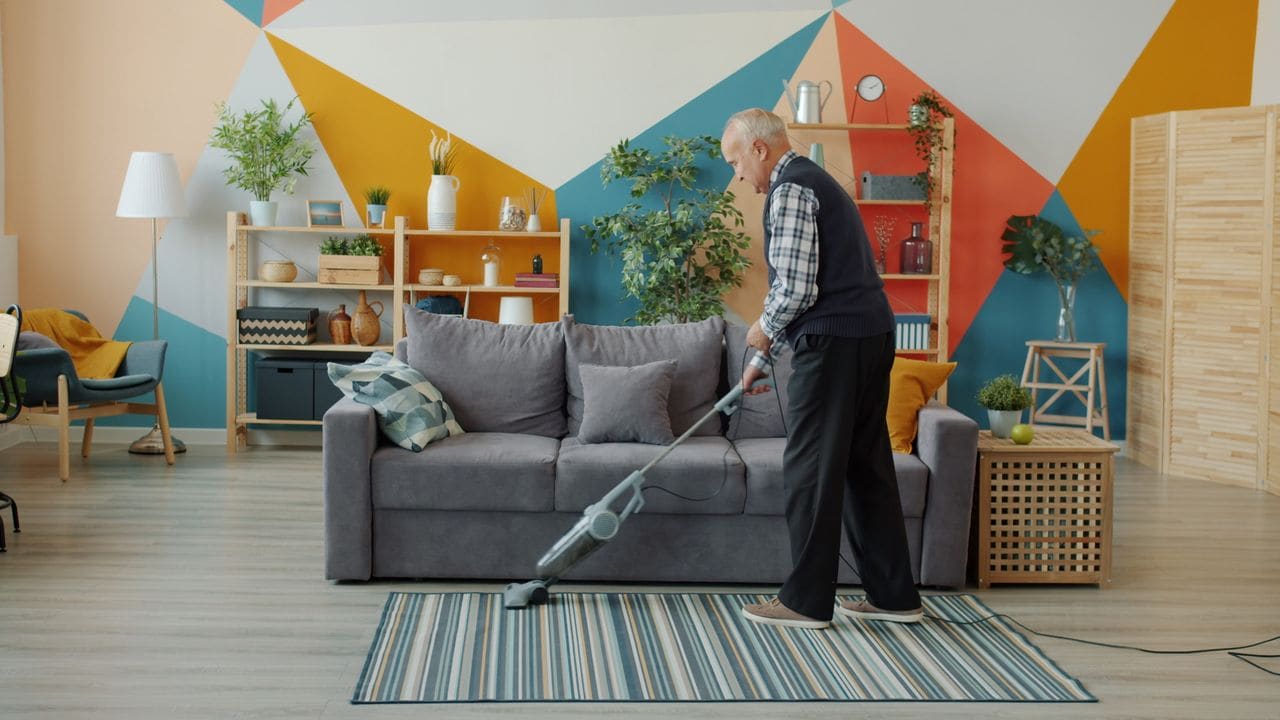
10 Sitting Habits That Make Sofa Cushions Wear Out Unevenly
One sofa cushion sinking faster than the others? The problem may not be the sofa itself. Everyday sitting habits can compress foam, stretch fabric and leave certain seats looking worn long before the rest.
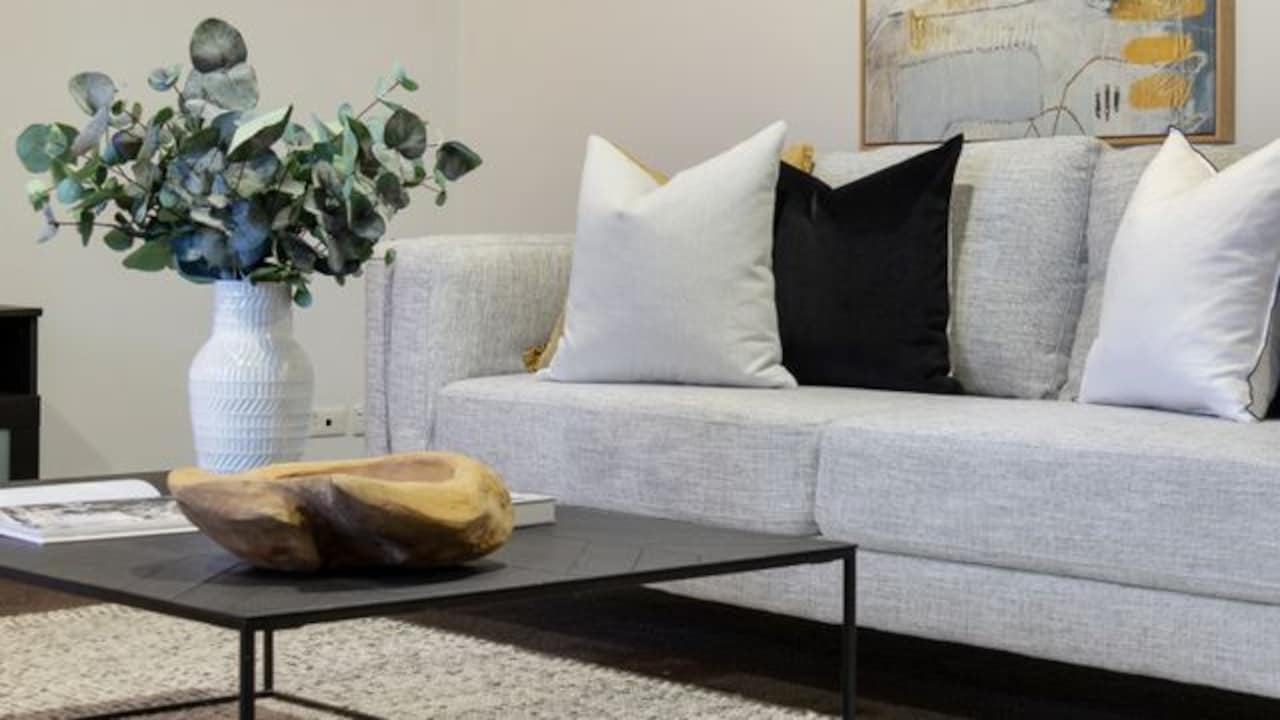
Easy tips to prevent sofa cushions from wearing out easily
A sofa rarely ages evenly. One cushion somehow becomes flatter, softer and slightly sad-looking while the cushion beside it still looks almost new. The immediate suspicion usually falls on the foam, fabric or build quality. Sometimes, that's justified. But surprisingly often, our own sitting habits speed up the difference.
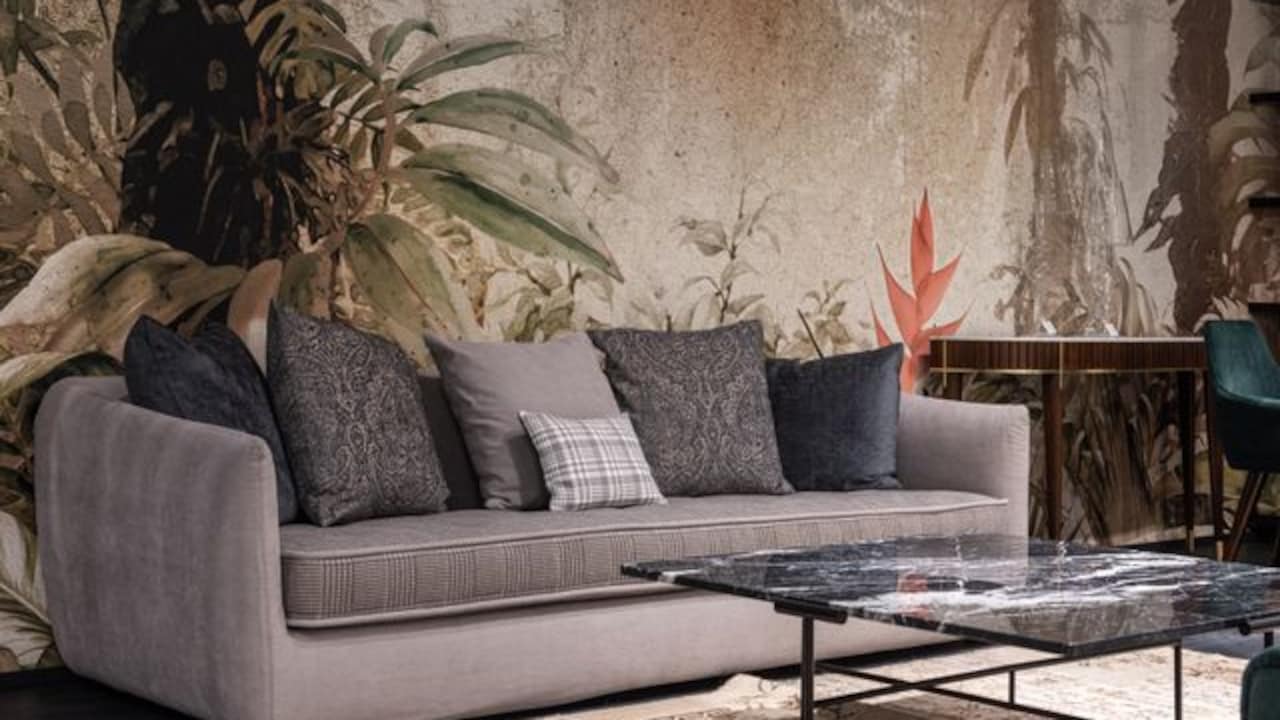
How to make sofa cushions last longer
Photo Credit: Pexels
Think about how a sofa actually gets used. Someone claims the corner seat every evening. Another person sits on the edge while tying their shoes. Children climb over the back instead of walking around it. During a weekend movie marathon, everyone settles into exactly the same positions for hours. Repeat these tiny habits hundreds of times and the cushions start keeping a record.
Also Read: Top 7 Cushion Cover Designs To Transform Your Living Room Decor
Sofa cushions withstand considerable pressure, but they recover best when that pressure gets distributed across their surface. Concentrating body weight on the same areas repeatedly compresses foam, shifts filling and stretches upholstery. Before long, one seat develops a dip while another remains firm.
Understanding which habits create uneven wear can help a sofa stay comfortable and presentable for longer. And thankfully, fixing most of them doesn't require replacing the furniture.
Why Everyday Sitting Habits Leave Some Cushions More Worn Than Others
1. Always Choosing The Same Favourite Seat
Most households have an unofficial seating chart, even when nobody admits it. One person prefers the corner near the charging socket. Someone else wants the seat directly facing the television. After a few months, everyone automatically heads towards their usual spot.
That consistency isn't particularly kind to sofa cushions.
Foam responds to repeated compression. When the same cushion supports someone for several hours every day, its cells gradually lose some ability to spring back. Meanwhile, cushions that receive occasional use remain noticeably firmer.
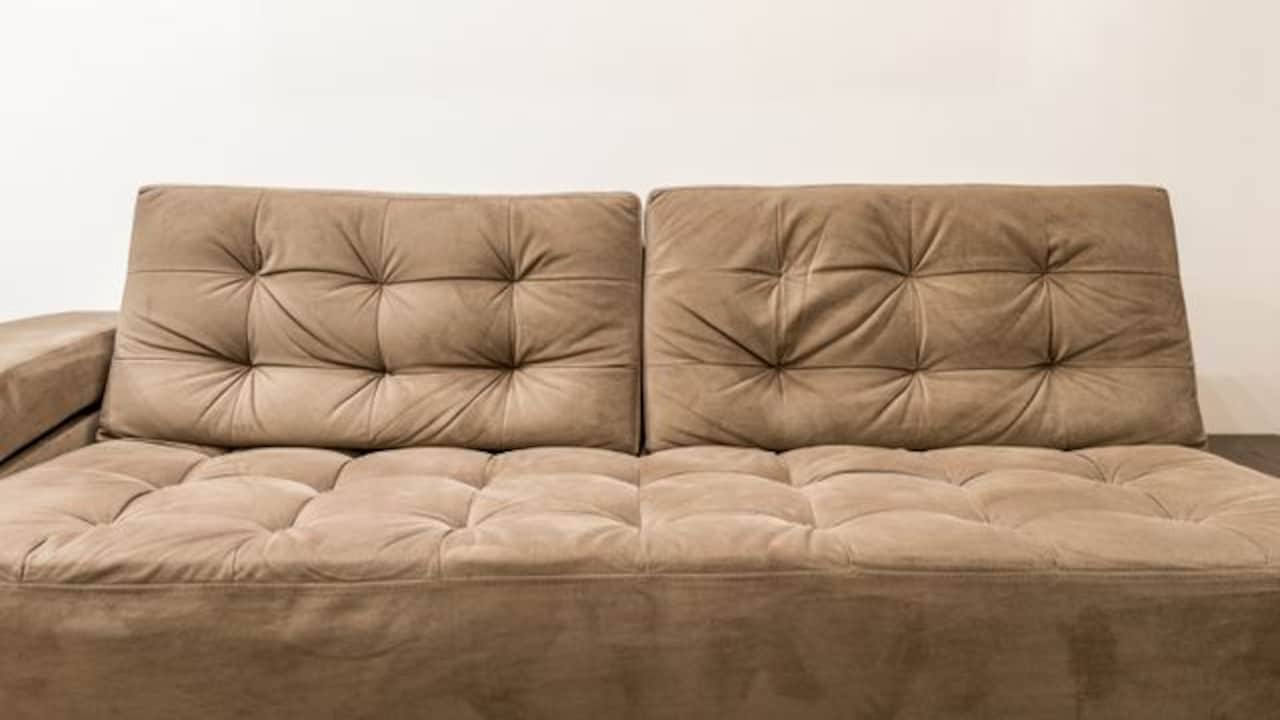
The difference becomes especially obvious on three-seater sofas where the middle cushion barely gets touched. The outer seats start developing shallow depressions while the centre stays plump.
There's no need to introduce assigned seating at home, but casually switching positions helps. Sit in the middle occasionally. Swap sides during movie nights. If cushions are removable and identical, rotate their positions every few weeks.
Sharing the workload across cushions sounds almost comically simple, yet it remains one of the easiest ways to slow uneven wear.
2. Sitting Right On The Front Edge
Sometimes we don't actually sit on the sofa so much as perch on it.
Perhaps someone is tying shoelaces, checking their phone before leaving or chatting for two minutes before heading elsewhere. Instead of settling back, they balance on the front few centimetres of the cushion.
That position concentrates much of the body's weight along a narrow strip of foam. Repeated often enough, the front edge compresses faster than the centre and rear sections.
Eventually, the cushion may start sloping towards the floor. Upholstery can also develop wrinkles along the front because the fabric repeatedly stretches across the same compressed area.
Occasional edge sitting won't destroy a sofa. The problem comes when it becomes the default posture, particularly on a favourite seat.
Whenever possible, sit further back so the cushion supports more of the thighs. That spreads pressure across a larger surface.
It also feels considerably better than balancing on the edge like someone waiting nervously outside the principal's office.
3. Curling Up In The Same Corner Every Evening
Curling into a sofa corner with a cup of chai and a good series feels wonderfully comfortable. The cushion underneath may disagree.
Sideways sitting often concentrates weight on a surprisingly small area. Instead of both thighs distributing pressure evenly, one hip may carry much of the load. Knees tucked to one side can create additional pressure points.
Do this occasionally and the cushion rebounds. Do it every evening for months and one section can become noticeably softer.
Corner cushions experience additional stress because people often lean against the armrest simultaneously. That pushes the body deeper into the same section of foam.
A small change in position can make a difference. Switch which side you curl towards, stretch your legs out occasionally or alternate between neighbouring cushions.
Removable cushions also benefit from regular turning. Flipping them allows the opposite surface to carry pressure for a while.
Comfort doesn't need to disappear in the name of furniture maintenance. The goal is simply to stop asking one tiny patch of foam to support every episode of every series you watch.
4. Sitting With One Leg Tucked Under Your Body
Tucking one leg underneath yourself feels harmless. For many people, it happens almost automatically while reading, working on a laptop or scrolling through social media.
The posture creates uneven pressure, though.
Instead of your body weight spreading fairly evenly across both sides, one hip presses harder into the cushion. The tucked foot or knee may also create another concentrated pressure point nearby.
Over time, this repeated asymmetry can leave one portion of the cushion softer than the other. On softer foam, the difference may appear as a visible dip.
The upholstery can suffer too. Fabric constantly pulled in one direction may develop creases or appear slightly stretched.
Changing posture every so often helps both the cushion and your joints. Place both feet on the floor, stretch your legs forward or change which leg gets tucked underneath.
Nobody needs to sit perfectly upright throughout an entire evening. Sofas exist for lounging. But varying positions prevents the same section from carrying concentrated weight night after night.
Think of it as giving the cushion a shift change.
5. Leaning Heavily Towards One Armrest
Sofa armrests attract people like magnets. Once seated near one, it's tempting to lean sideways and let it support half the upper body.
Unfortunately, leaning also shifts more body weight towards one side of the seat cushion.
The foam closest to the armrest then experiences greater compression than the inner half. Over time, the seat can develop a tilt towards that edge.
This explains why end cushions sometimes deteriorate faster even when several sofa seats receive roughly equal use.
Armrests themselves may also become softer or misshapen when repeatedly used as body supports rather than places to rest an arm.
A throw pillow can help redistribute some pressure when lounging sideways. Better still, alternate between leaning and sitting more centrally.
If your sofa cushions are removable, periodically switching the left and right cushions can help equalise wear, provided their size and construction match.
That favourite corner can remain favourite territory. It just shouldn't carry the full responsibility for every evening spent watching television.
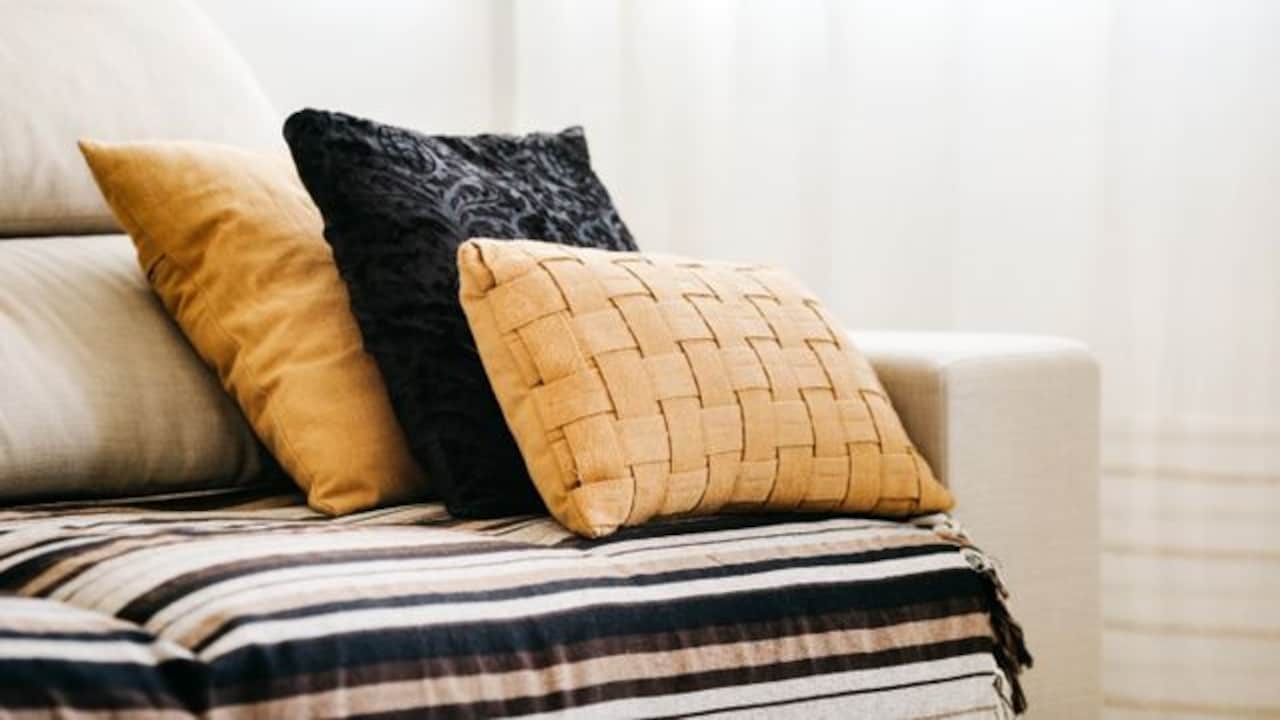
Using one corner or cushion too much can also wear it out unevenly; Photo Credit: Pexels
6. Dropping Onto The Sofa Instead Of Sitting Down
After a long day, lowering yourself gently onto the sofa may feel unnecessarily formal. Flopping down seems far more satisfying.
The cushion experiences that moment differently.
Dropping onto a seat creates greater short-term force than sitting down gradually. Foam compresses suddenly, while springs or webbing underneath absorb an additional shock.
One dramatic collapse won't ruin good furniture. Repeating it several times every day can accelerate wear, particularly on the cushion everyone already uses most.
Children jumping onto sofas amplify the effect considerably. Knees and feet concentrate impact into tiny areas instead of distributing weight across the cushion.
Over time, repeated impacts can contribute to compressed foam, shifted fibre filling and weakened support underneath.
You don't need to approach the sofa like it's an antique museum exhibit. Simply lowering your body rather than falling onto it reduces unnecessary impact.
Save the theatrical collapse for genuinely dramatic days. Your sofa doesn't need to experience the emotional consequences of every difficult Monday.
7. Spending Hours Sitting In Exactly The Same Position
Long sitting sessions aren't unusual anymore. A sofa might double as a home cinema, reading corner, gaming seat and occasional workspace.
The problem isn't necessarily how many hours you spend there. It's how little your position changes during those hours.
Continuous pressure gives compressed foam less opportunity to recover. If the pressure remains focused on the same area, the cushion may stay flattened for longer after you stand.
Repeated day after day, this can gradually create a permanent-looking dip.
Movement helps. Stand up between episodes. Adjust your position. Change seats when you return with snacks. Even shifting slightly every so often changes where the cushion carries your weight.
Foam generally recovers better when it receives breaks from constant compression.
This doesn't mean setting a timer purely for your sofa's wellbeing. Regular movement benefits human bodies too, so both parties win.
If a cushion still looks compressed several hours after use, rotating or fluffing it can also help restore its shape before another long sitting session begins.
8. Using The Sofa As A Work Chair Every Day
Working from the sofa sounds appealing until the occasional laptop session becomes a five-day-a-week routine.
People rarely sit centrally while working on sofas. They tend to lean towards one armrest, cross their legs, curl forward or shift towards whichever side provides space for a laptop charger.
That means one cushion may carry concentrated pressure for six or seven hours at a stretch.
Unlike casual evening lounging, work sessions can happen in almost exactly the same position every weekday. The repetition makes uneven compression far more likely.
If sofa working can't be avoided, changing seats during the day helps. A lap desk can also make it easier to sit more centrally instead of leaning towards one side.
Most importantly, give the cushions recovery time. Move elsewhere for part of the day when possible.
Your sofa can certainly handle a few emails. Asking one cushion to become a permanent office chair, however, gives it a workload it was never really designed to manage.
9. Sitting On The Gap Between Two Cushions
That narrow gap between cushions occasionally becomes someone's favourite spot, especially when several people squeeze onto the sofa during gatherings.
Unfortunately, sitting directly over the join pushes both cushion edges downward.
Instead of weight landing near the stronger centre area of one cushion, it concentrates along two edges. Those edges may gradually lose their shape, creating a wider gap or rounded appearance.
The upholstery can also stretch as the cushion edges repeatedly pull away from one another.
This habit becomes particularly noticeable on sofas with thick, separate seat cushions. Once the inner edges compress, the cushions may no longer sit neatly together even after nobody is sitting there.
When possible, settle into the centre of one cushion rather than directly across two.
During crowded evenings, this may require minor negotiations worthy of a family parliament. Still, spreading people across available seats protects cushion edges better than repeatedly turning the sofa gap into an extra seat.
10. Never Rotating Or Flipping The Cushions
Sometimes the problem isn't how people sit at all. It's what happens afterwards: absolutely nothing.
Removable sofa cushions benefit enormously from rotation.
Without it, the same cushion remains in the busiest position while another spends years in a quieter corner. The front edge always stays at the front. The same surface always carries body weight.
Rotation distributes these stresses.
If the cushions share identical dimensions, switching their positions every few weeks can help balance wear. Turning them front-to-back also changes which edge receives the most pressure.
Double-sided cushions offer another advantage. Flipping them lets both surfaces share the workload.
Of course, not every sofa allows this. Some cushions have fixed covers, shaped backs or Velcro attachments. In those cases, regular fluffing and changing sitting positions become more important.
Think of cushion rotation like rotating a mattress. It takes only a few minutes, nobody looks forward to doing it, and yet future you will probably be glad it happened.
Products Related To This Article
1. AYKA Microfiber Cushion Filler Set of 2 (24x24 Inch)
2. Kuber Industries Pack of 4 Square Chair Pad/Cushion
3. HOKIPO Cute Flower Plush Pillow
4. Wakefit Cushion for Sofa | Super Soft Fabric Cushion Pillow
5. India Circus by Krsnaa Mehta Bougainvillea Delights Multicolor Satin Blend Cushion Pillow Covers Set of 5
6. STITCHNEST Set of 5 Polycotton Cushion Covers
7. CASA-NEST Linen Embroidery Cushion Cover
Uneven sofa cushions don't always point to poor-quality furniture. Often, they simply reveal where and how a sofa gets used most. Favourite corners, tucked legs, long work sessions and edge sitting all concentrate pressure in particular areas.
Small changes can slow that process considerably. Change seats, vary your posture, rotate removable cushions and give compressed foam time to recover. A sofa will still age eventually, as every well-used piece of furniture does. The aim isn't to keep it looking untouched. It's to help all those cushions grow old at roughly the same pace.
(Disclaimer: This article may include references to or features of products and services made available through affiliate marketing campaigns. NDTV Convergence Limited (“NDTV”) strives to maintain editorial independence while participating in such campaigns. NDTV does not assume responsibility for the performance or claims of any featured products or services.)