Doormats That Slip Constantly: What Backing Material Actually Works
Slipping doormats are more than a nuisance; they’re unsafe. The real solution lies in the backing material. Discover which types actually grip your floor and which ones quietly fail.
Doormats That Slip Constantly: What Backing Material Actually Works
There's something quietly frustrating about a doormat that refuses to behave. One moment it sits neatly at the doorstep, the next it has shifted halfway across the floor, bunching up like it has somewhere urgent to be. It may seem like a minor inconvenience, but a slipping doormat can turn into a real hazard, especially in homes where people rush in and out with bags, groceries, or wet shoes during the monsoon.
Many households spend ₹300 to ₹1,500 on a mat, expecting durability and grip. Yet, despite good intentions, the mat slides, flips, or curls within days. The real issue often has little to do with the surface fibres or design. The answer lies underneath, in the backing material that determines whether the mat stays grounded or behaves like a runaway carpet.
Understanding backing materials can feel surprisingly technical, but it does not need to be. With the right knowledge, choosing a doormat becomes less about guesswork and more about making a smart, lasting choice.
Doormats That Slip Constantly: What Backing Material Actually Works; Photo Credit: Pexels
Understanding What Keeps A Doormat In Place
Rubber Backing: The Everyday Champion
Rubber backing remains one of the most reliable solutions for slipping mats. It offers a strong grip, adapts well to different surfaces, and holds its place even when subjected to constant foot traffic. Whether placed on tile, marble, or slightly rough cement, rubber tends to stay steady.
What makes rubber effective is its natural friction. It almost clings to the floor without leaving residue. This quality proves especially useful during rainy months when water tends to sneak indoors. A rubber-backed mat absorbs movement and prevents that awkward sliding sensation underfoot.
However, not all rubber is created equal. Lower-quality rubber may crack over time or leave marks on polished flooring. A slightly higher investment, say ₹800 instead of ₹400, often brings better durability. In homes with children or elderly family members, this small upgrade can significantly improve safety.
Rubber-backed mats also pair well with heavier fibre tops like coir or cotton blends, adding stability without compromising aesthetics. They may not always be the most visually appealing from below, but they quietly do their job, and that reliability counts for a lot.
PVC Backing: Budget-Friendly But Tricky
PVC-backed mats often attract attention due to their affordability. Priced as low as ₹200 to ₹500, they seem like a practical solution for quick replacements or temporary use. At first glance, they mimic rubber and promise a similar grip.
The reality, however, can be inconsistent. PVC lacks the same natural traction as rubber. On smooth surfaces, especially polished tiles, these mats may slide more than expected. Over time, the backing can harden, reducing flexibility and grip.
That said, PVC still holds value in certain situations. For areas with lighter foot traffic, like balconies or utility spaces, it can serve adequately. The key lies in managing expectations. A PVC-backed mat works best when not subjected to constant movement or moisture.
Another consideration involves temperature. In warmer climates, PVC can soften slightly, improving grip. But during cooler months, it may stiffen, making slipping more likely. This seasonal behaviour often goes unnoticed until someone nearly loses balance at the doorstep. PVC is not entirely unreliable; it simply requires thoughtful placement and realistic use.
Also Read: 6 Best Doormats Designed To Trap Dust Efficiently
Latex Backing: Soft Grip With Comfort
Latex-backed mats bring a softer approach to grip. Unlike rubber, which feels firm and dense, latex offers a gentle flexibility that adapts to the floor's surface. This makes it particularly appealing for indoor use, where comfort and appearance matter just as much as stability.
These mats often sit well in living rooms or bedrooms, where heavy-duty traction is not always necessary. Latex provides enough grip to prevent major slipping while maintaining a lightweight feel. For households that frequently rearrange furniture, this ease of movement can be surprisingly convenient.
However, latex has its limitations. Prolonged exposure to moisture can weaken its structure. In entryways where wet shoes are common, latex-backed mats may lose effectiveness over time. They also tend to wear out faster compared to rubber.
Price-wise, latex mats usually fall between ₹600 and ₹1,200. They strike a balance between affordability and performance, though they may not be ideal for high-traffic zones.
In essence, latex works best where subtlety matters more than strength. It holds its place quietly, without drawing attention, until conditions demand more than it can offer.
Coir Mats Without Proper Backing: A Common Mistake
Coir mats, made from coconut fibres, enjoy immense popularity. Their rough texture scrapes dirt effectively, making them a favourite for doorways. However, many coir mats come without proper backing, which leads to one persistent issue: slipping.
Without a supportive base, coir mats behave unpredictably. Their rigid fibres do little to anchor them, and on smooth flooring, they can slide easily. This becomes especially problematic when combined with dust or moisture, which reduces friction further.
Despite this drawback, coir remains a strong surface material. The solution lies not in avoiding coir but in pairing it with the right backing. A coir mat with a rubber or heavy PVC base performs far better than a standalone version.
Interestingly, many households continue using unbacked coir mats out of habit. They may seem traditional and durable, but their lack of grip often goes unnoticed until a near fall occurs.
Spending a little extra, perhaps ₹200 more, on a backed coir mat can make a noticeable difference. It transforms a familiar product into something far more functional and safe.
Doormats That Slip Constantly: What Backing Material Actually Works; Photo Credit: Pexels
Microfibre Mats With Anti-Slip Coating
Microfibre mats have gained popularity for their softness and absorbency. Often seen in modern homes, they handle moisture exceptionally well, making them ideal for rainy days or bathroom entrances.
Many of these mats come with an anti-slip coating rather than a thick backing. This coating creates a mild grip that works well on dry floors. When conditions are right, the mat stays in place and feels comfortable underfoot.
However, the effectiveness of this coating depends heavily on maintenance. Dust accumulation can reduce grip, and frequent washing may gradually wear down the anti-slip layer. Over time, the mat may begin to shift more than expected.
These mats typically cost between ₹700 and ₹1,500. While they offer excellent comfort, they require regular care to maintain their performance. A quick shake or wash can restore their grip, but neglect quickly shows.
Microfibre mats shine in spaces where softness matters, but they need a little attention to stay reliable.
Gel Backing: Modern But Not Always Reliable
Gel-backed mats represent a newer approach to non-slip design. They use a sticky, almost adhesive-like layer that clings to the floor. Initially, this can feel impressive; the mat refuses to move, even under pressure.
Yet, this grip often fades with time. Dust, dirt, and repeated use reduce the adhesive quality, turning a once-stable mat into a slippery one. Cleaning can restore some of the stickiness, but the effect rarely lasts indefinitely.
Gel backing works best in controlled environments where the floor remains clean and dry. In busy households, maintaining such conditions can be challenging.
Price ranges vary widely, from ₹800 to ₹2,000. While the concept feels innovative, the long-term reliability may not always justify the cost.
Gel-backed mats appeal to those seeking something different, but they require consistent upkeep to deliver lasting results.
Jute Backing: Natural But Slippery
Jute backing often attracts those who prefer eco-friendly options. It complements natural fibre mats and adds a rustic charm. However, when it comes to grip, jute falls short.
The material lacks inherent friction, making it prone to slipping on smooth surfaces. Even slight movement can cause the mat to shift, especially in high-traffic areas. Over time, wear and tear can worsen the problem.
Jute works best when paired with an additional anti-slip layer underneath. Without this support, it struggles to stay in place.
While visually appealing, jute-backed mats prioritise aesthetics over functionality. They suit decorative spaces more than practical entryways.
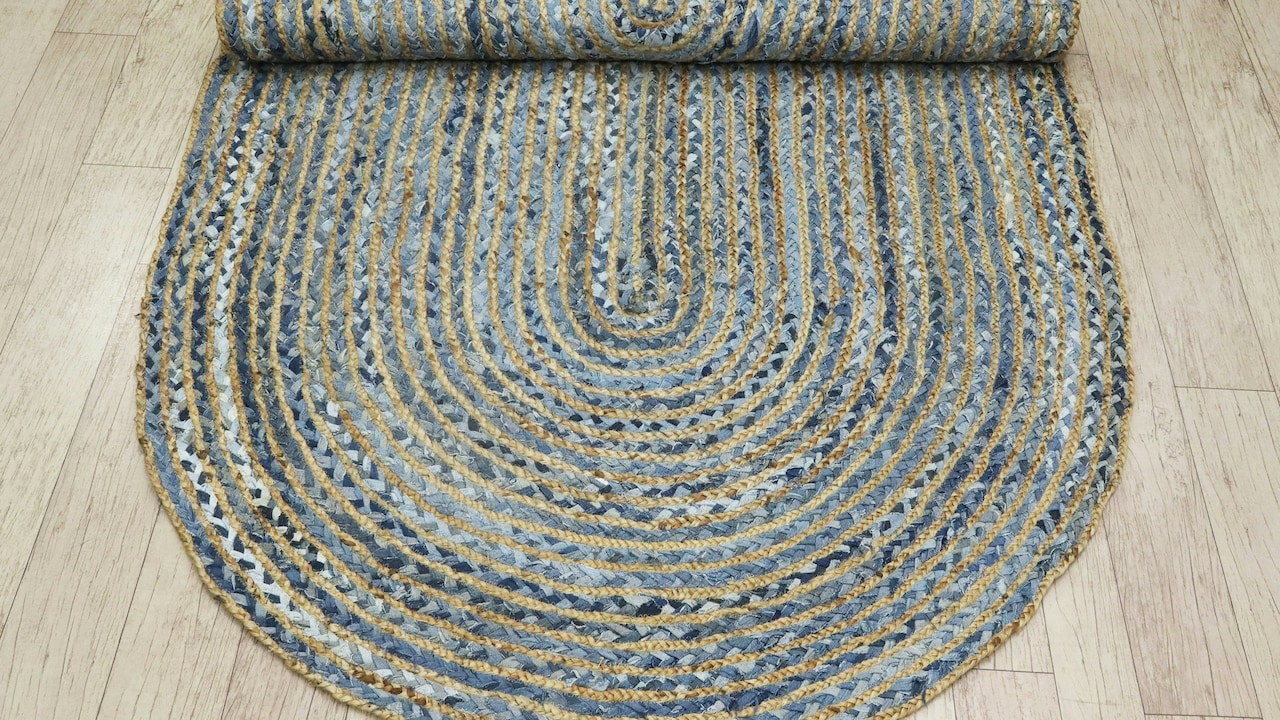
Doormats That Slip Constantly: What Backing Material Actually Works; Photo Credit: Pexels
Combination Backings: The Best Of Both Worlds
Some mats combine multiple materials, such as rubber with latex or PVC, to balance grip, flexibility, and durability. These hybrid designs often deliver more consistent performance across different conditions.
By blending materials, manufacturers address individual weaknesses. Rubber adds grip, while softer materials improve comfort and adaptability. The result is a mat that feels stable without being overly rigid.
These mats usually fall in the ₹1,000 to ₹2,500 range. Though slightly more expensive, they offer long-term value by reducing the need for frequent replacements.
Combination backings represent thoughtful design, where practicality meets innovation.
Weight And Thickness: Often Overlooked Factors
Backing material plays a crucial role, but weight and thickness also influence stability. A heavier mat naturally resists movement, even if the backing is not perfect.
Thicker mats tend to stay flatter, reducing the chances of curling edges. However, excessive thickness can create tripping hazards, especially near doors.
Balancing weight and thickness ensures that the mat remains both safe and functional. Sometimes, a simple upgrade in these aspects can solve slipping issues without changing materials entirely.
Floor Type Matters More Than Expected
The interaction between the mat and the floor determines the final outcome. Smooth tiles, polished marble, and wooden floors each respond differently to various backings.
A rubber-backed mat may grip well on tile but behave differently on wood. Similarly, PVC may perform better on slightly textured surfaces.
Understanding this relationship helps in making smarter choices. Matching the backing material to the floor type often resolves persistent slipping problems.
Products Related To This Article
1. FABINALIV Green & Brown Anti-Skid Skin-Friendly Extra Soft Doormat
2. AaHo Decor Semi-Circle Grey Self-Designed Anti-Skid Doormat
3. Status Pink Textured Cotton Anti-Skid Doormats
4. FINE TEX WORLD Brown & Beige Microfiber Anti-Skid Doormats
5. AAZEEM Pink & White Floral Designed Anti-Skid Doormat
A slipping doormat may seem like a small annoyance, but it quietly affects daily life. From rushed mornings to rainy evenings, that simple piece of fabric plays a bigger role than expected. The difference between a stable mat and a troublesome one often lies hidden underneath.
Rubber stands out as the most dependable option, offering consistent grip and durability. PVC and latex provide alternatives, each with its own strengths and compromises. Meanwhile, newer options like gel and combination backings bring innovation, though not always perfection.
Choosing the right mat involves more than picking a design or colour. It requires understanding how materials interact with the floor, the environment, and daily use. A thoughtful choice, perhaps spending a little more up front, can prevent countless minor frustrations later. After all, a good doormat should do one thing exceptionally well: stay exactly where it belongs.
(Disclaimer: This article may include references to or features of products and services made available through affiliate marketing campaigns. NDTV Convergence Limited (“NDTV”) strives to maintain editorial independence while participating in such campaigns. NDTV does not assume responsibility for the performance or claims of any featured products or services.)




![Steam Iron Teflon Shoe Cover for ES-300,ST-96 [Only For ES-300 and ST-96 Model Electric Steam Irons]](https://m.media-amazon.com/images/I/51wwkttondL._SL160_.jpg)