Why Bright Plastic Toys Often Overstimulate Toddlers Faster Than Parents Realise
Bright plastic toys may look fun and educational, but constant lights, sounds and stimulation can overwhelm toddlers faster than parents realise, affecting sleep, focus, behaviour and emotional balance.
Why Bright Plastic Toys Often Overstimulate Toddlers Faster Than Parents Realise
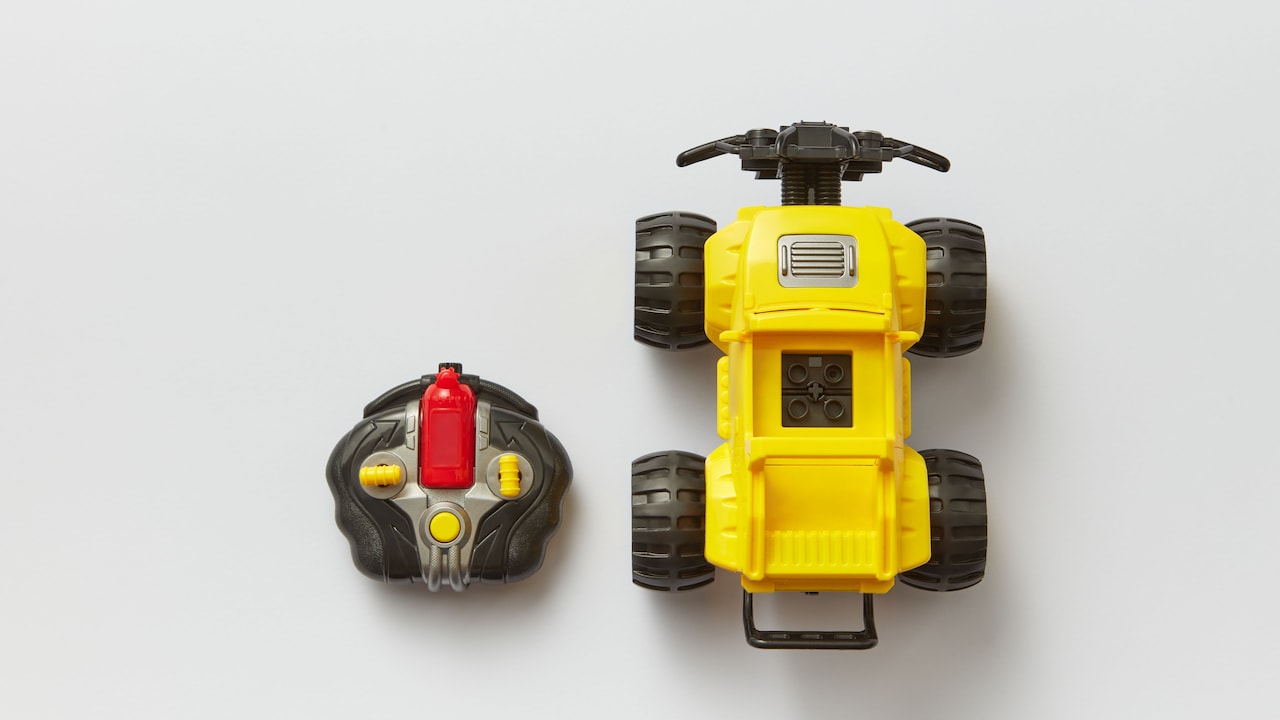
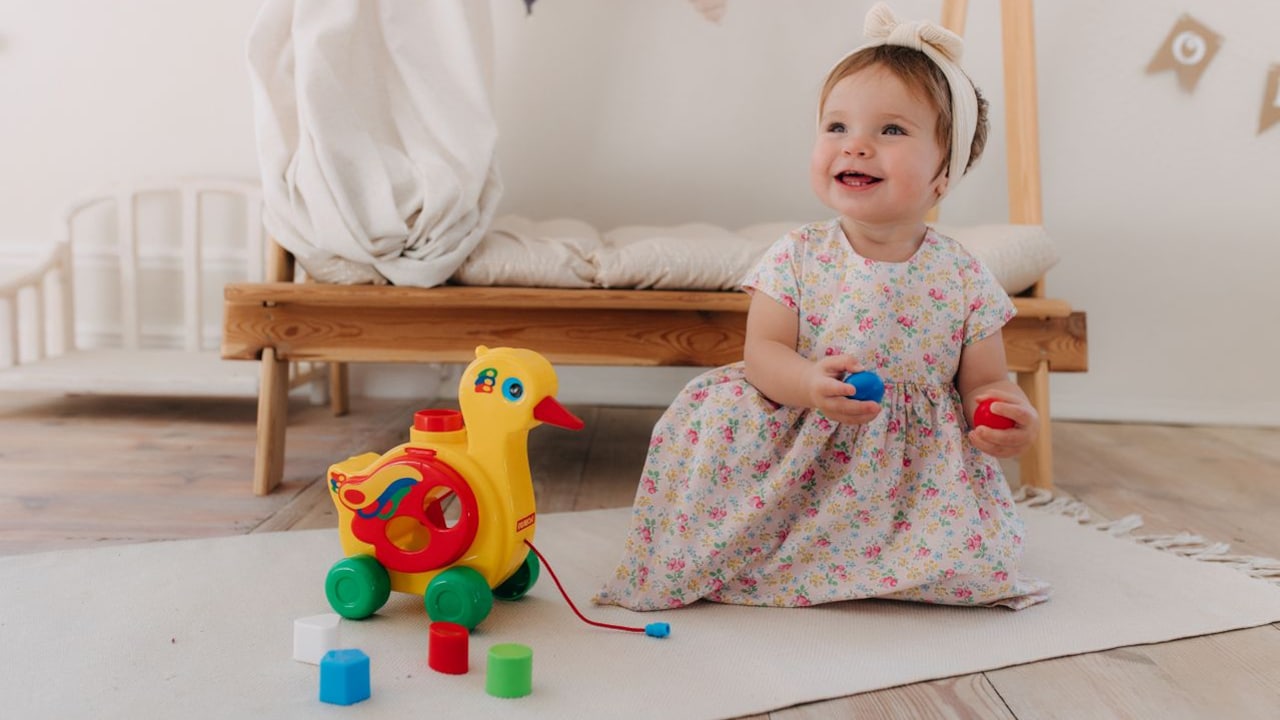
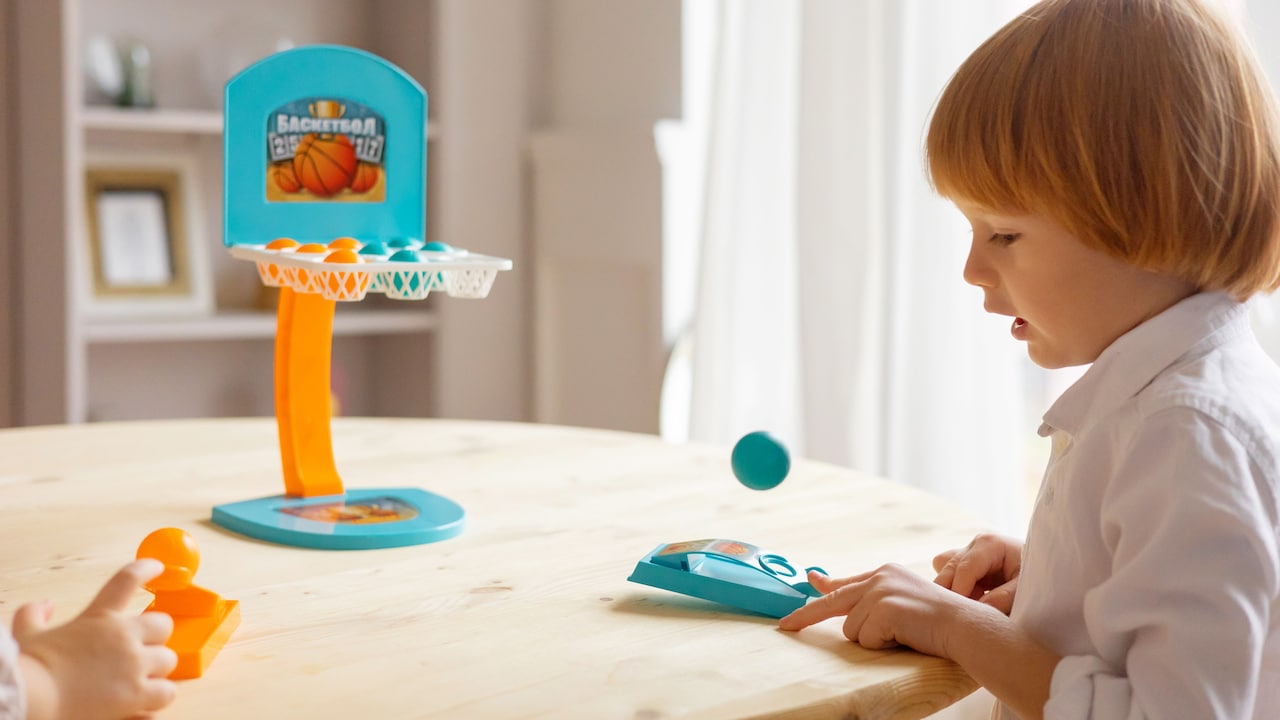
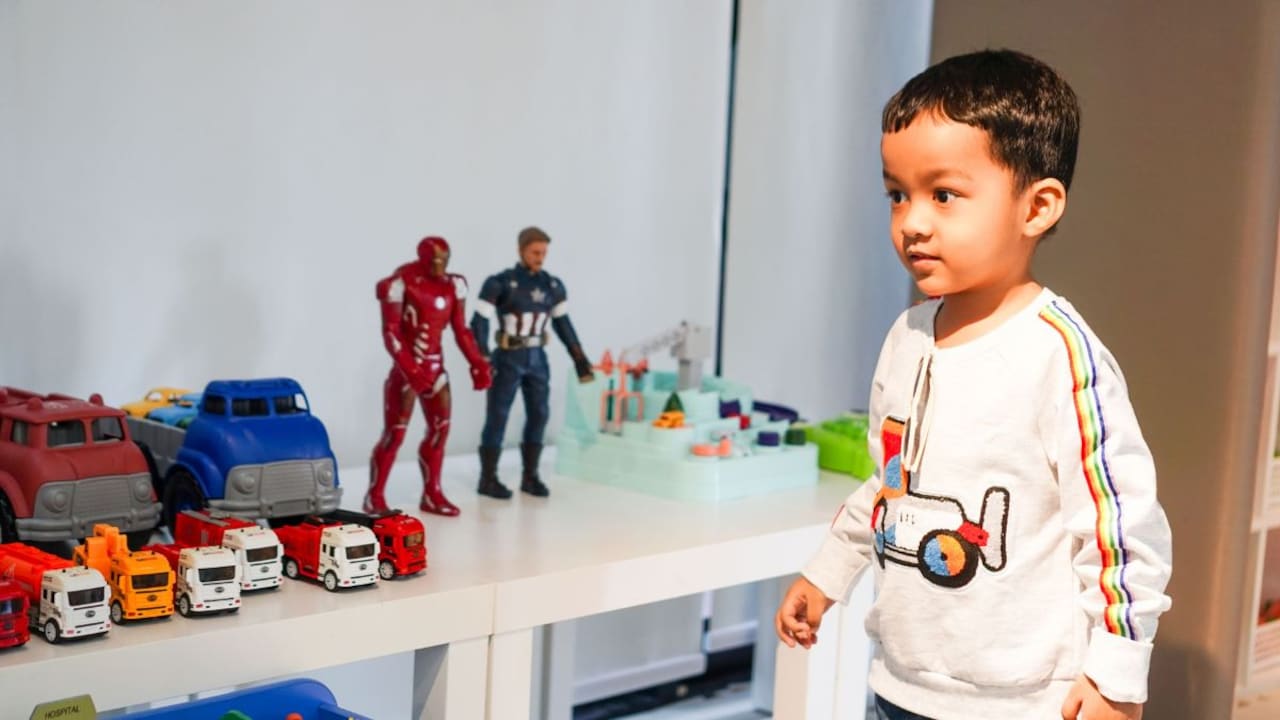
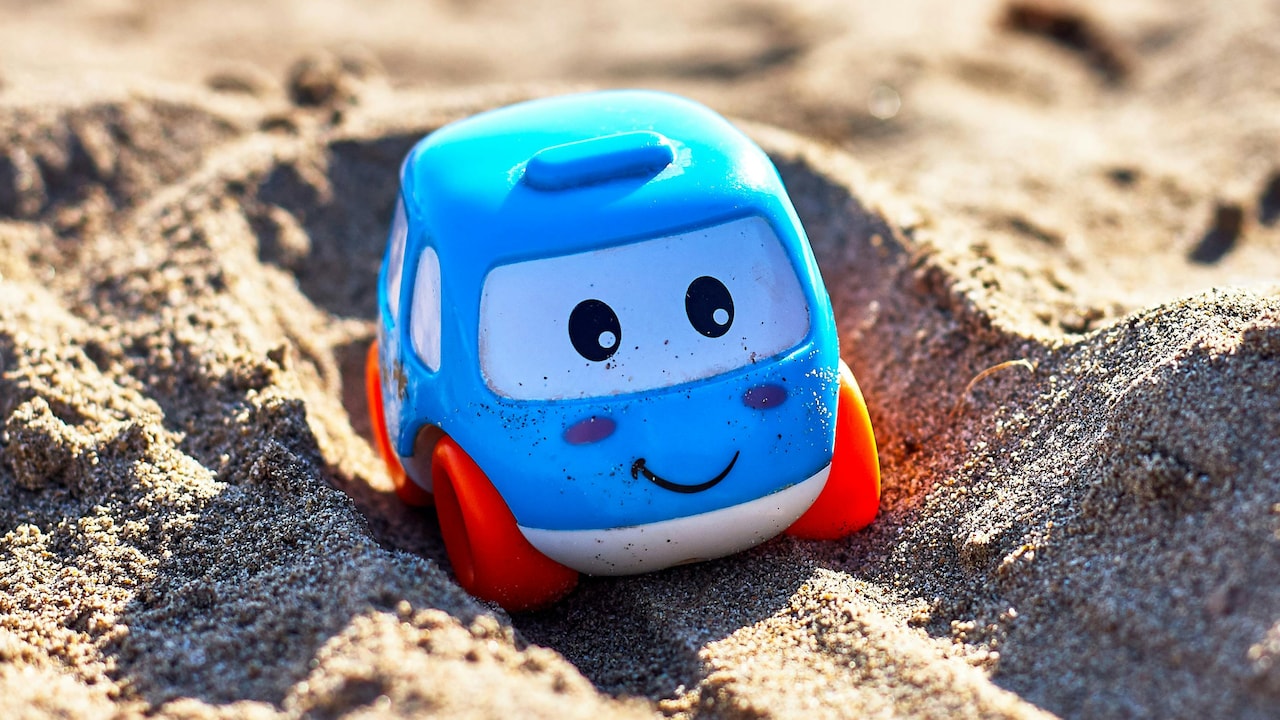
Toddlers live in a world that already feels enormous. Ceiling fans spin like helicopters, pressure cooker whistles sound dramatic, and a stray dog outside the gate can become the biggest event of the day. Every colour, sound and texture lands with full force because young brains still learn how to process stimulation. Then come the toys. Many modern toys do not simply sit quietly in a corner. They blink, flash, vibrate, sing, spin and demand constant interaction. A toy train no longer just rolls across the floor. It now comes with disco lights and electronic announcements louder than a local train platform at rush hour. Parents often choose these toys with good intentions. A brightly coloured alphabet game priced at ₹1,500 may promise faster learning, sharper memory and endless engagement. Packaging speaks the language of development and intelligence. Naturally, families want the best.
Why Bright Plastic Toys Often Overstimulate Toddlers Faster Than Parents Realise
Photo Credit: Pexels
However, toddlers do not always need more stimulation to learn. Sometimes they need less. Too much sensory input can leave children cranky, distracted and emotionally exhausted. The effects may appear slowly, hidden behind tantrums, poor focus or difficulty settling down at bedtime. Many households mistake this behaviour for stubbornness or hyperactivity when the real issue sits quietly inside the toy basket.
The conversation around toys rarely focuses on overstimulation. Yet child development experts increasingly point towards the importance of calm, open-ended play. Not every toy needs to perform like a mini concert stage. Often, the simplest toys create the richest experiences.
Why Bright Plastic Toys Overstimulate Toddlers Faster Than Parents Realise
The Brain Gets Flooded Too Quickly
A toddler's brain processes information differently from an adult's. Bright flashing toys push several forms of stimulation at once. Lights flash, songs play, buttons click, and characters move together. For a young child, that combination can feel like standing in the middle of a busy market during festival season.
The brain struggles to filter what deserves attention. Instead of calmly exploring one idea, toddlers bounce rapidly between sounds, colours and movements. This constant switching tyres the nervous system. Parents may notice children becoming unusually irritable after long periods with electronic toys. Some toddlers even seem restless despite playing all afternoon.
Simple toys allow slower thinking. Wooden blocks or cloth dolls encourage imagination because children control the pace. Bright plastic toys often control the interaction themselves. The toy becomes the performer while the child becomes the audience.
This difference matters more than many realise. Young children build concentration gradually. Overstimulating toys interrupt that process by rewarding fast reactions instead of deep attention. The result resembles scrolling endlessly through short videos. Exciting in the moment, exhausting afterwards.
Many parents notice the contrast accidentally. A child who screams through battery-operated toy time may sit peacefully for half an hour with steel bowls from the kitchen cabinet. That calm is not laziness. It reflects a nervous system finally getting breathing space.
Loud Sounds Create Hidden Stress
Toy manufacturers love sound effects. Every button chirps, rings or sings. The volume often feels unnecessary even for adults. Yet toddlers sit inches away from these noises while playing. Repeated exposure to loud electronic sounds can quietly increase stress levels.
Children may not say, “This noise overwhelms me.” Instead, the stress appears through behaviour. Some become hyperactive. Others throw tantrums over tiny frustrations. Bedtime turns chaotic because the nervous system remains activated long after playtime ends.
Many homes already contain constant background noise. Television plays in one room, pressure cookers whistle in another, traffic horns drift through windows, and mobile phones buzz endlessly. Adding noisy toys into that environment creates sensory overload faster than parents expect.
Interestingly, toddlers often gravitate towards quieter play once given the chance. Clay, crayons, stacking cups or picture books help children regulate emotions because they do not attack the senses. Calm activities allow thoughts to settle naturally.
A common scene unfolds in many homes. Relatives gift a flashy musical toy during birthdays. The child loves it for two days. By the third day, everyone secretly wishes the batteries would disappear. That reaction says something important. If adults feel exhausted by the noise, toddlers likely feel it more intensely.
Quiet play does not mean boring play. It simply means giving children room to hear themselves think.
Too Many Colours Compete For Attention
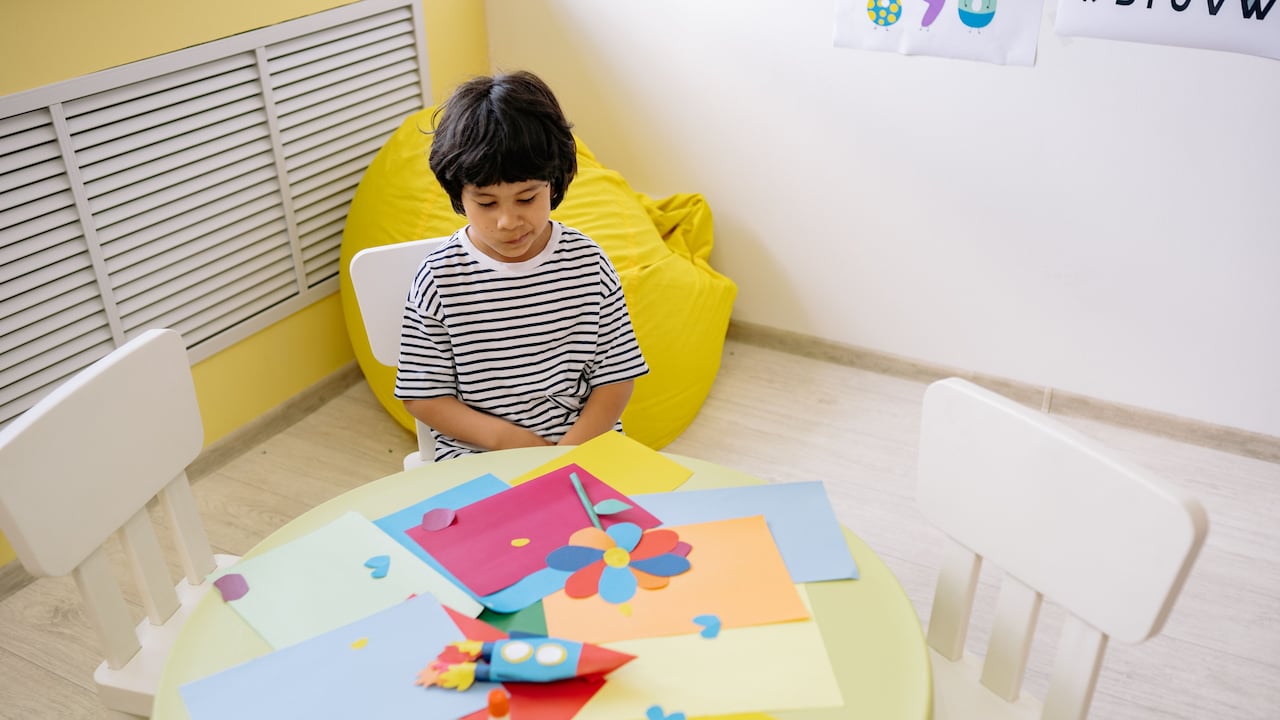
Bright colours naturally attract toddlers. That part makes sense. Young children enjoy visual stimulation, and curiosity thrives through colour exploration. Problems begin when toys overload every surface with neon shades, flashing LEDs and crowded patterns all at once.
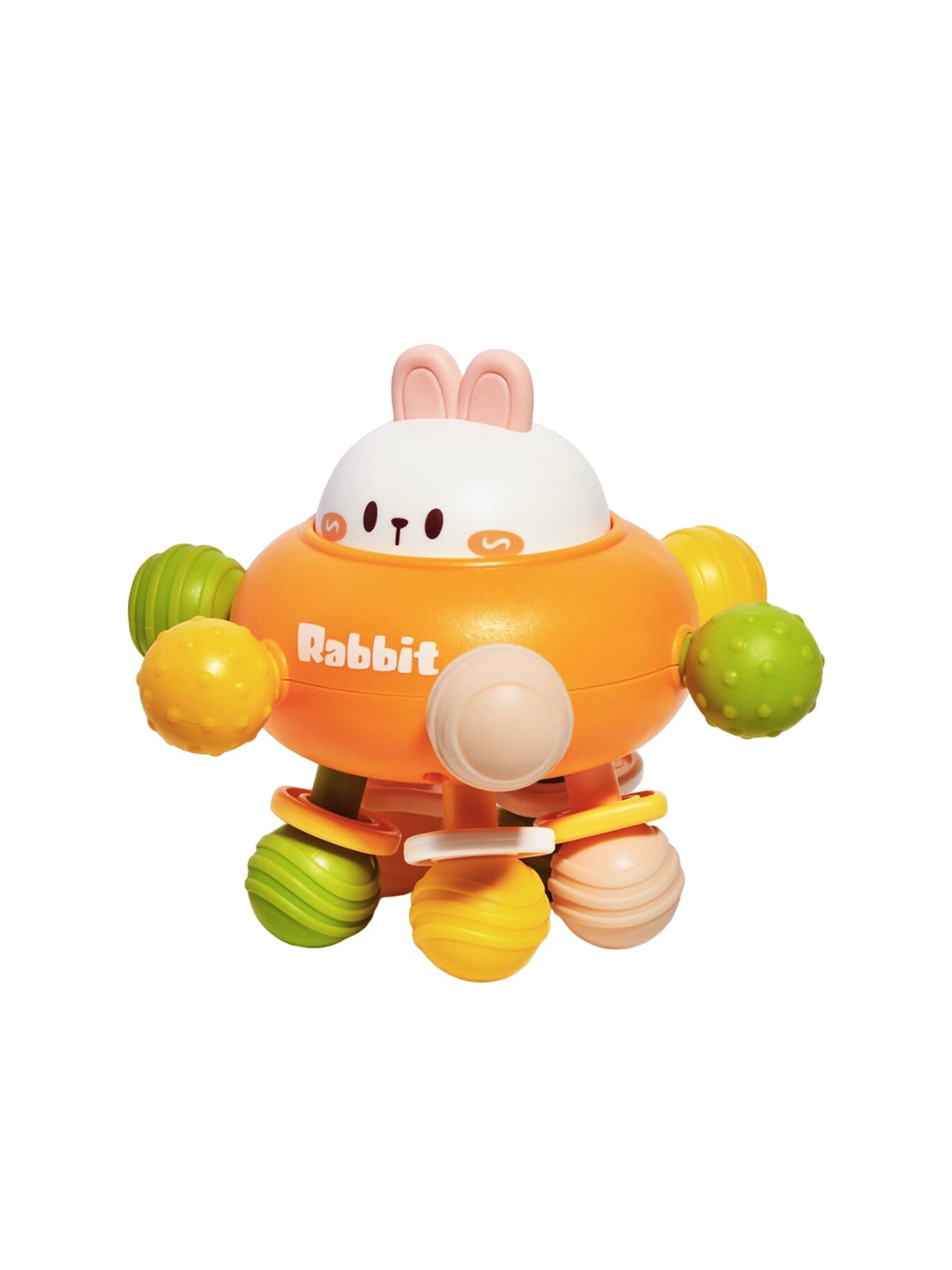
Some toys look less like learning tools and more like miniature carnival rides. Red buttons sit beside glowing blue panels while yellow cartoon faces blink endlessly. Instead of guiding focus, the design scatters attention in every direction.
Toddlers cannot always organise visual information efficiently. Excessive colours force the brain to work harder just to process what appears in front of them. This mental effort contributes to fatigue and frustration.
Parents often assume colourful toys improve intelligence because they appear educational. Yet children learn best when visual information remains clear and manageable. Simpler toys encourage concentration on shape, movement and storytelling rather than endless visual distraction.
Many early learning classrooms quietly follow this principle. Calm colours dominate shelves because educators understand how the environment affects behaviour. A room filled with overstimulating visuals often leads to louder voices and shorter attention spans.
Even adults experience something similar. Sitting inside a brightly flashing gaming arcade feels energising briefly but draining after an hour. Toddlers experience that intensity with far fewer coping skills.
A balanced environment supports emotional regulation better than a visually chaotic one. Sometimes the most valuable toy shelf looks surprisingly ordinary.
Fast Rewards Reduce Patience
Modern plastic toys often reward toddlers instantly. Press a button, and music starts immediately. Pull a lever, and lights explode across the screen. Every action produces instant excitement. While entertaining, this pattern shapes expectations around reward and patience.
Toddlers gradually learn emotional regulation through waiting, experimenting and solving simple problems. Open-ended toys encourage this process naturally. Building a tower takes effort. Completing a puzzle requires persistence. Pretend play unfolds slowly through imagination.
Overstimulating toys shorten that journey. Entertainment arrives before curiosity even develops. Children stop exploring because the toy already performs every exciting action automatically.
This constant instant gratification can make slower activities feel frustrating. Parents sometimes notice toddlers abandoning books, drawing or blocks after only minutes. The child expects continuous stimulation and struggles when play becomes quieter.
The effect resembles eating overly sugary sweets before dinner. Fresh fruit suddenly tastes bland even though it remains naturally enjoyable. Similarly, calm play loses appeal after endless electronic excitement.
Patience matters deeply during early childhood. It influences emotional resilience, school readiness and problem-solving skills later in life. Toys that constantly reward impulsive behaviour may accidentally weaken these foundations.
A toddler does not need fireworks every five seconds to stay engaged. Sometimes the richest moments come from figuring things out slowly, even if that means stacking cups repeatedly for twenty peaceful minutes.
Why Bright Plastic Toys Often Overstimulate Toddlers Faster Than Parents Realise
Photo Credit: Pexels
Sleep Suffers More Than Expected
Many parents connect sleep problems with sugar, screen time or irregular routines. Toys rarely enter the conversation. Yet overstimulating toys can significantly affect sleep quality, especially when used during evenings.
Flashing lights and loud sounds activate the brain when toddlers actually need calm sensory input. Exciting toys increase alertness instead of helping the body wind down. Even after the toy gets switched off, the nervous system may remain active for hours.
Children who appear overtired sometimes become even more energetic before bedtime. Parents often describe this as “zoomies” around the house. Overstimulation plays a major role here. The body struggles to settle because sensory input stayed intense throughout the day.
Calmer evening play creates noticeable differences. Storybooks, drawing, soft toys or gentle pretend games support emotional regulation before sleep. The transition feels smoother because the brain receives signals that the day is slowing down.
Many families accidentally create stimulating bedtime environments without noticing. A toddler may spend thirty minutes pressing noisy toy buttons right before brushing teeth. Then adults wonder why sleep takes forever.
Sleep affects everything else. Mood, appetite, concentration and emotional stability all depend heavily on rest during early childhood. Even small changes in play habits can improve bedtime routines surprisingly quickly.
A peaceful evening does not require expensive solutions. Often it simply means allowing quieter moments before night arrives.
Toddlers Need Imagination More Than Entertainment
Bright plastic toys frequently entertain children without requiring much imagination. The toy sings the song, tells the story and performs the action automatically. Toddlers watch, react and repeat.
Imagination works differently. It asks children to create stories, solve pretend problems and invent possibilities from ordinary objects. A cardboard box becomes a bus, shop counter or spaceship depending on the day's mood. This kind of play develops creativity far more deeply than pre-programmed entertainment.
Children naturally enjoy imaginative play when given space. However, overstimulating toys often dominate attention because they offer quicker excitement. Over time, quieter creative activities may seem less appealing simply because they require more effort.
Many parents notice something fascinating during power cuts. Without electronic distractions, toddlers suddenly invent games using pillows, utensils or old dupattas. Creativity emerges because the environment becomes less crowded with artificial stimulation.
Imaginative play also strengthens emotional development. Children process fears, excitement and daily experiences through pretend scenarios. A toy kitchen or stuffed animal conversation may reveal more about a toddler's feelings than adults realise.
Electronic toys certainly have their place occasionally. The issue begins when they replace slower, imaginative experiences entirely. Childhood should not feel like nonstop performance.
The goal is not perfection. Nobody needs a beige toy shelf resembling an expensive catalogue. Balance matters more. A few simple toys often unlock more creativity than a room full of blinking plastic gadgets.
Also Read: Inside My Star Parivar: How I Keep My Teddy Bears And Soft Toys Clean Without Ruining Them
Behavioural Meltdowns Sometimes Start With Sensory Fatigue
Many toddler meltdowns appear sudden. One moment, a child laughs happily. The next moment, tears flood the living room because someone offered the wrong biscuit. While emotional development explains part of this behaviour, sensory fatigue often sits underneath the surface.
Overstimulating toys contribute heavily to this exhaustion. Bright lights, constant noise and rapid interaction wear down emotional regulation throughout the day. Toddlers eventually reach a point where tiny frustrations feel unbearable.
Parents sometimes interpret this as misbehaviour or stubbornness. In reality, the child's nervous system may simply feel overloaded. Imagine attending a crowded wedding with loud music for six straight hours. By the end, even minor inconveniences feel irritating. Toddlers experience similar overwhelm more easily.
Signs of sensory overload vary. Some children become clingy. Others grow unusually aggressive or hyperactive. Certain toddlers withdraw completely and avoid interaction. These reactions often improve once stimulation decreases.
Creating calmer play spaces can reduce behavioural intensity noticeably. Soft lighting, organised toy storage and fewer noisy distractions help children regulate emotions more effectively.
Many families feel pressured to provide endless entertainment. Yet toddlers rarely need constant excitement. Sometimes they need downtime just as much as adults do after exhausting workdays.
A calmer environment supports calmer behaviour. The connection sounds simple because, often, it truly is.
Marketing Makes Parents Feel Guilty
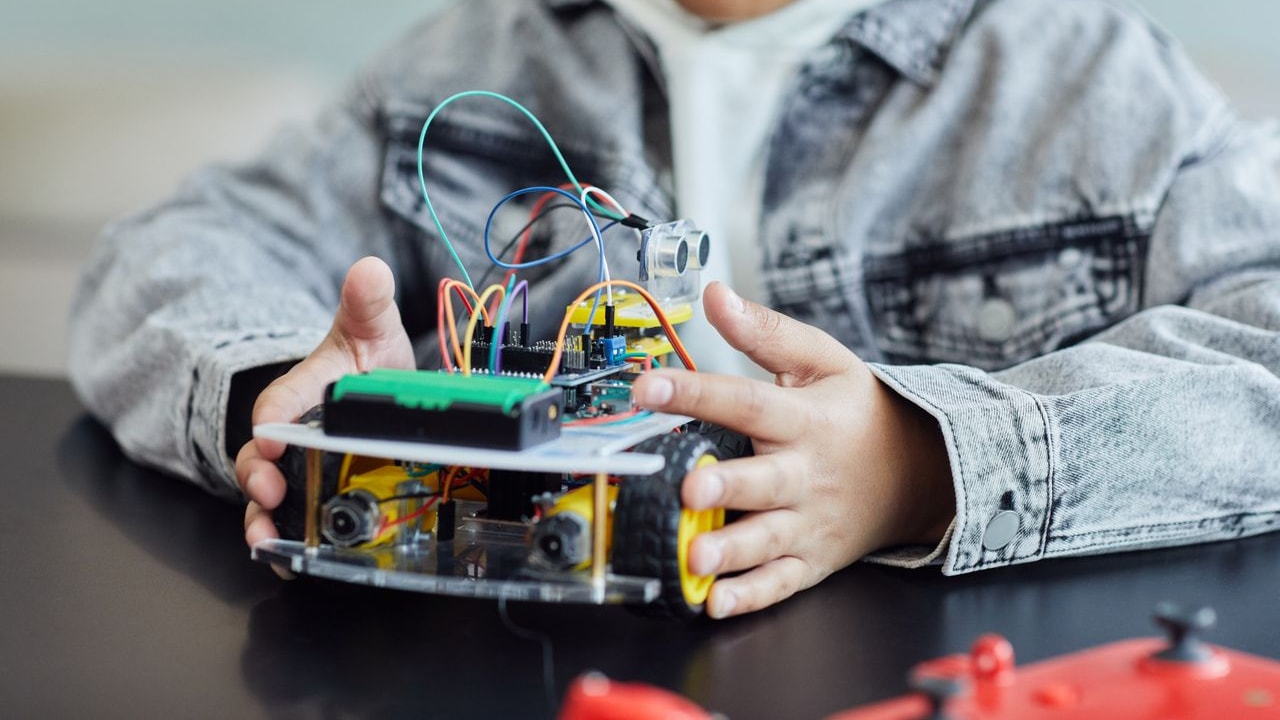
Toy marketing understands parental anxiety extremely well. Advertisements suggest that educational toys unlock intelligence, confidence and developmental success. Bright packaging uses phrases like “brain boosting”, “advanced learning” and “smart play technology”.
Naturally, parents want to provide every advantage possible. When one toy claims to improve vocabulary before nursery school, ignoring it can feel irresponsible. Emotional marketing works because families care deeply about their children's future.
However, expensive, overstimulating toys do not guarantee better development. Many traditional forms of play remain equally valuable, sometimes more so. Storytelling, outdoor games, drawing and pretend cooking teach essential skills without overwhelming the senses.
The pressure grows during birthdays and festivals. Relatives often choose flashy electronic toys because they appear impressive and modern. A toy priced at ₹4,000 with lights and sounds feels more “special” than simple building blocks, even if the blocks encourage richer learning.
Parents deserve less guilt around toy choices. Children do not measure love through battery-operated entertainment. Often, they remember shared moments more vividly than expensive gadgets.
Simple play encourages connection. Rolling a ball together or building pillow forts creates interaction rather than passive stimulation. Those moments strengthen emotional security far beyond what most toy advertisements promise.
Modern parenting already carries enough pressure. Toy shelves should not become another competition.
Outdoor Play Naturally Balances The Senses
One reason toddlers calm down outdoors relates to sensory balance. Nature stimulates children differently from electronic toys. Trees move gently, birds chirp unpredictably, and mud feels interesting without overwhelming the nervous system.
Outdoor environments provide sensory variety at a slower, more natural pace. Children observe, explore and move freely without constant flashing rewards demanding attention. Even noisy playgrounds usually feel less mentally exhausting than prolonged exposure to electronic toys indoors.
Physical movement also helps toddlers process stimulation more effectively. Running, climbing and digging release energy naturally. Many children labelled “too hyper” indoors behave completely differently outside.
Urban living often limits outdoor time, especially in crowded apartment complexes. Still, even small opportunities help. Evening walks, terrace play or visits to neighbourhood parks create sensory relief from indoor overstimulation.
Many grandparents instinctively understand this balance. Instead of handing over flashy gadgets immediately, they encourage children to water plants, chase pigeons or play simple outdoor games. These slower experiences support emotional regulation quietly but effectively.
Fresh air cannot solve every parenting challenge, of course. Yet children often need less entertainment than adults assume. Sometimes, a puddle after monsoon rain captures attention longer than the fanciest battery-operated toy.
The human nervous system evolved around natural environments, not nonstop flashing lights. Toddlers respond to that difference more honestly than adults do.
Why Bright Plastic Toys Often Overstimulate Toddlers Faster Than Parents Realise
Photo Credit: Pexels
Fewer Toys Often Lead To Better Play
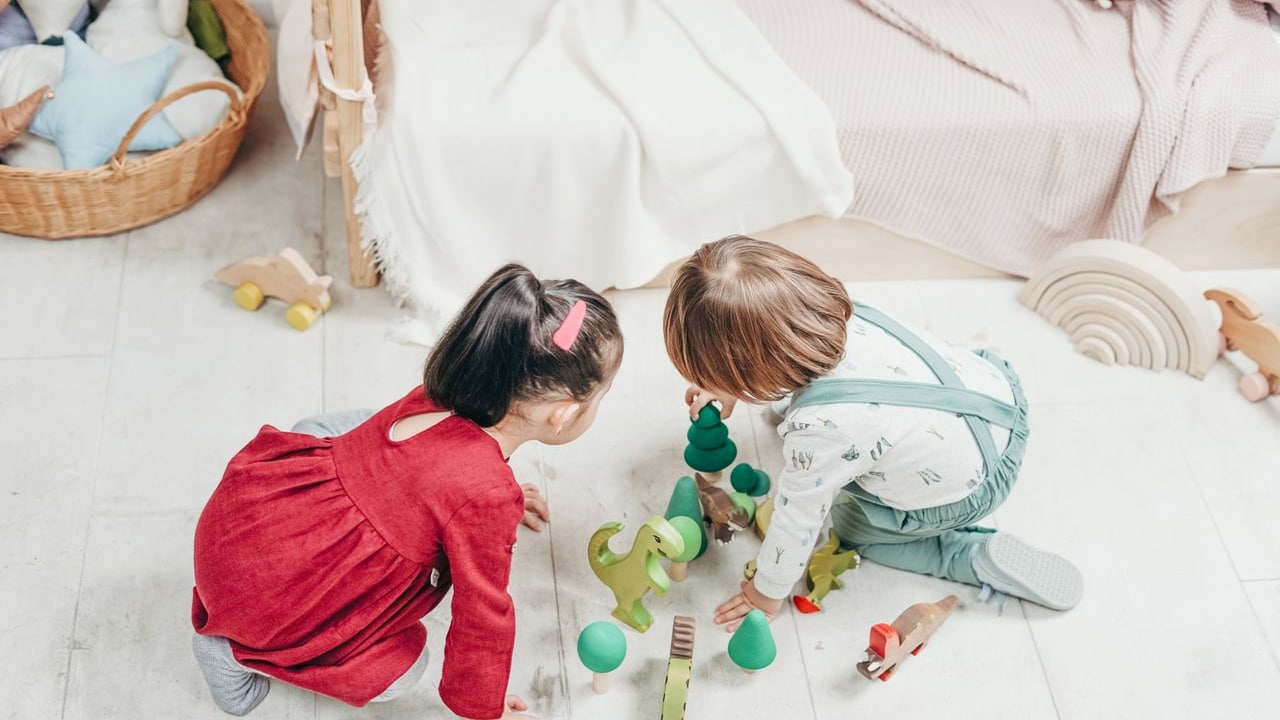
Many households quietly struggle with toy overload. Baskets overflow, shelves remain crowded, and pieces scatter across the floor daily. Ironically, too many toys can reduce meaningful play instead of improving it.
Toddlers become overwhelmed when faced with endless choices. They move rapidly from one toy to another without fully engaging. Attention fragments because nothing holds focus long enough.
Parents frequently notice surprising changes after decluttering toys. Children play more creatively and calmly with fewer options available. The environment feels manageable instead of chaotic.
Rotating toys works especially well. Keeping some toys stored away and reintroducing them later maintains novelty without constant overstimulation. Even familiar toys feel exciting again after a temporary absence.
Quality matters more than quantity. A few versatile toys encourage deeper exploration than dozens of noisy gadgets demanding quick interaction. Building blocks, art supplies and pretend-play items often remain engaging for years because children use them differently as they grow.
Minimalism does not mean deprivation. Toddlers do not need empty rooms and strict rules. They simply benefit from environments where play feels focused rather than frantic.
Many adults understand this instinctively in other areas of life. Cluttered rooms create mental fatigue. Constant notifications increase stress. Children experience similar overload through crowded toy spaces.
Sometimes, the best thing parents can do is to remove a few distractions rather than buy new solutions.
Products Related To This Article
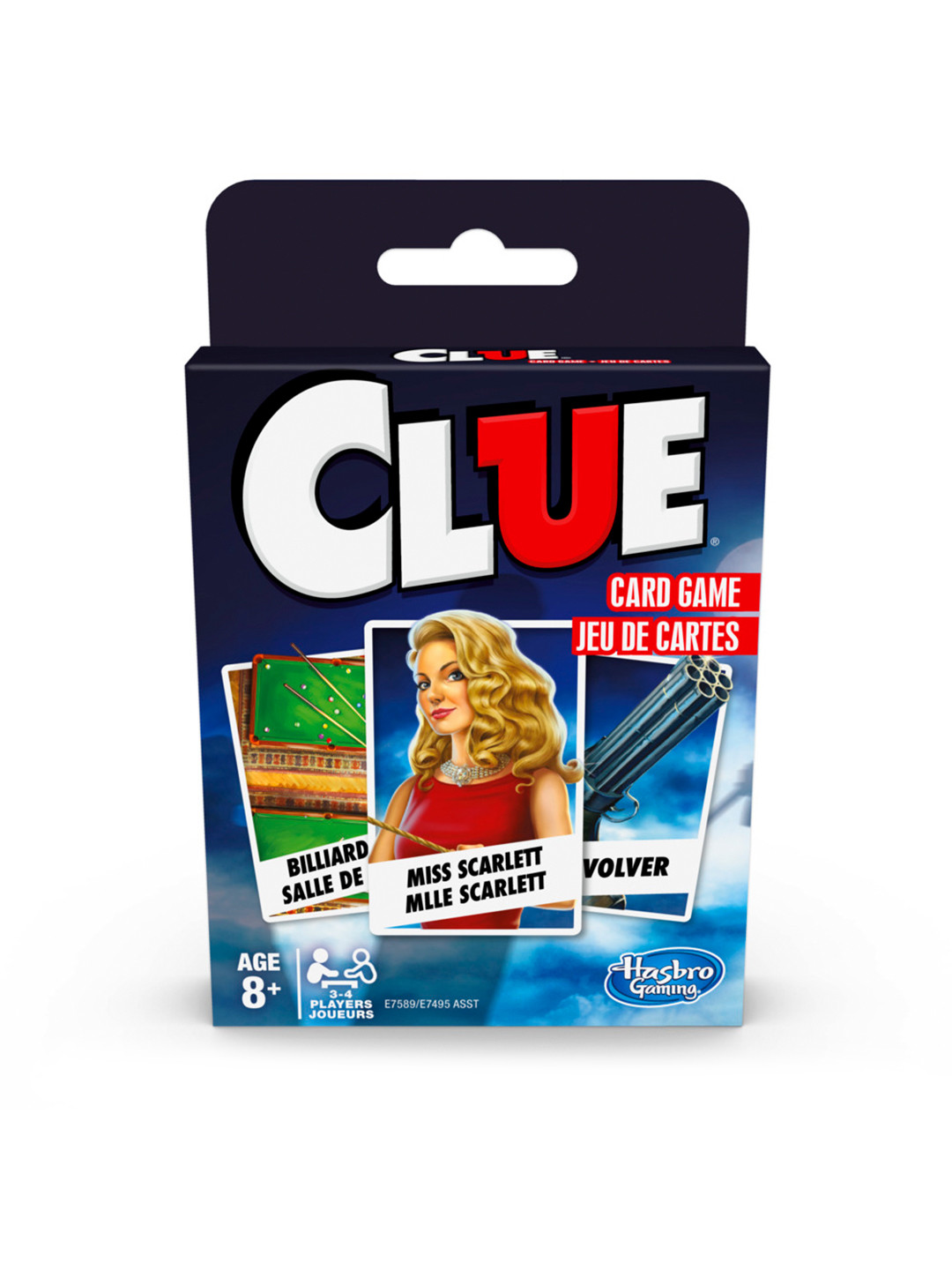
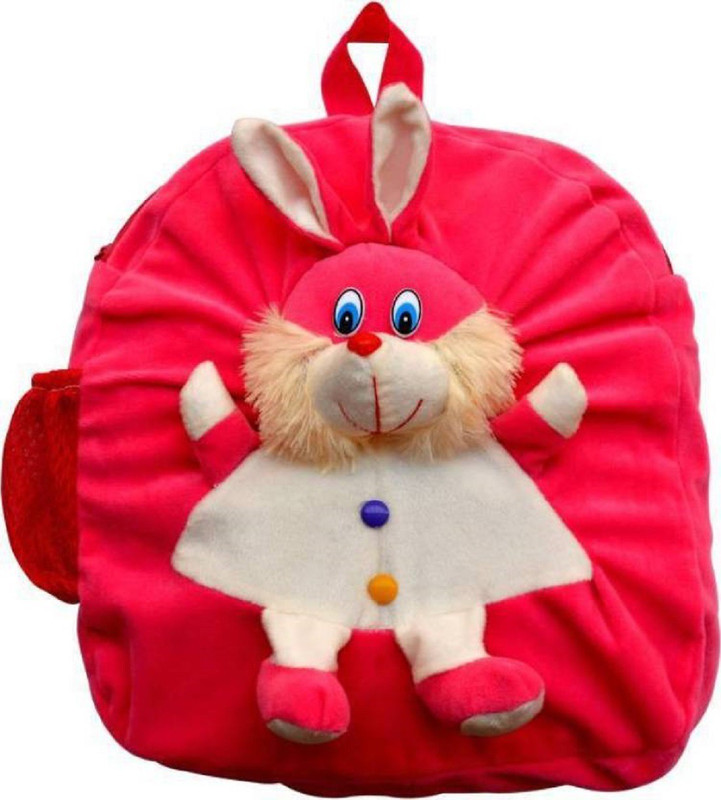
1. Toyzone Plastic Eco Panda Magic Car
2. Cable World® Kitchen Playset for Kids
3. Push Walker for Baby Bear Theme
4. Curious Cub Montessori Learning Wooden Toys | Box 3: 5+ Month
5. Jurassic World Rebirth Sound Surge Dinosaur Figures with Authentic Deco and Roar Sounds
6. Kidology 5 in 1 Police Trucks Boy Toys for 3-5 Year Old Toddlers
7. P SQUARE Plastic Electric Drill & Screw Set Design Creative Mosaic Art Puzzle Drilling Toy
Bright plastic toys are not villains. Many create joyful memories and moments of excitement. The problem begins when overstimulation quietly becomes the background soundtrack of everyday childhood. Toddlers absorb sensory experiences deeply because their brains are still learning how to organise the world around them.
Flashing lights, loud sounds and nonstop activity may entertain children temporarily, but constant sensory overload often leaves them restless, emotional and exhausted. The effects rarely appear immediately. Instead, they emerge slowly through poor sleep, shorter attention spans and overwhelming meltdowns during ordinary moments.
Childhood does not need to resemble a noisy arcade to feel magical. Some of the richest experiences grow from simpler forms of play. Storybooks under a fan during power cuts, rainy-day pillow forts, crayons spread across the dining table or muddy slippers after park visits often create stronger developmental benefits than electronic stimulation ever could.
Parents already navigate endless pressure around raising “smart” children. Yet intelligence does not grow only through flashing educational gadgets priced like festival shopping bills. Calm spaces, imaginative play and emotional connection matter just as much.
Sometimes the most powerful thing a toy can do is stay quiet long enough for a child's imagination to speak.
(Disclaimer: This article may include references to or features of products and services made available through affiliate marketing campaigns. NDTV Convergence Limited (“NDTV”) strives to maintain editorial independence while participating in such campaigns. NDTV does not assume responsibility for the performance or claims of any featured products or services.)