Braided vs Regular Charging Cable: Which Lasts Longer
Know the difference between braided and regular charging cables, comparing durability, flexibility, everyday use and value, to find which cable can last longer.
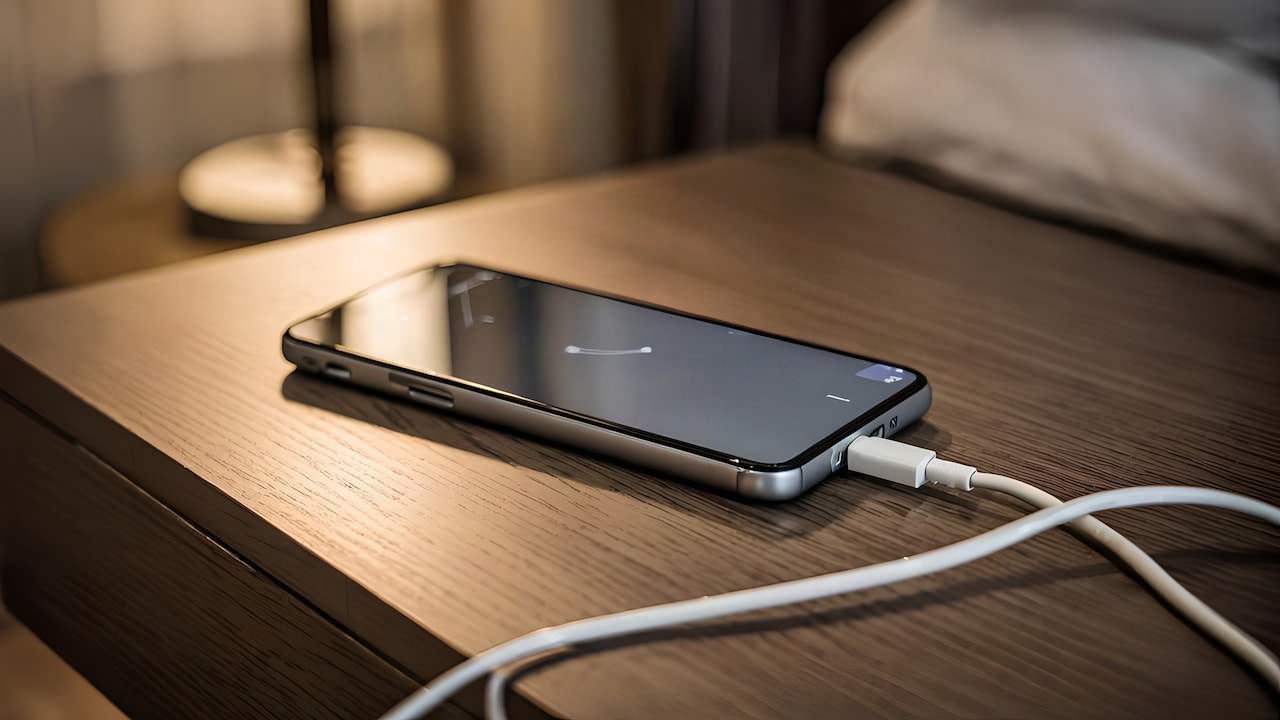
Braided vs Regular Charging Cable: Which Lasts Longer
A charging cable may look like a simple phone accessory, but repeated bending, twisting, pulling and daily phone storage can put considerable stress on its construction, and the connector ends are especially vulnerable because they experience repeated movement whenever a device is plugged in, unplugged or used while charging. The choice between a braided and regular cable therefore goes beyond appearance.
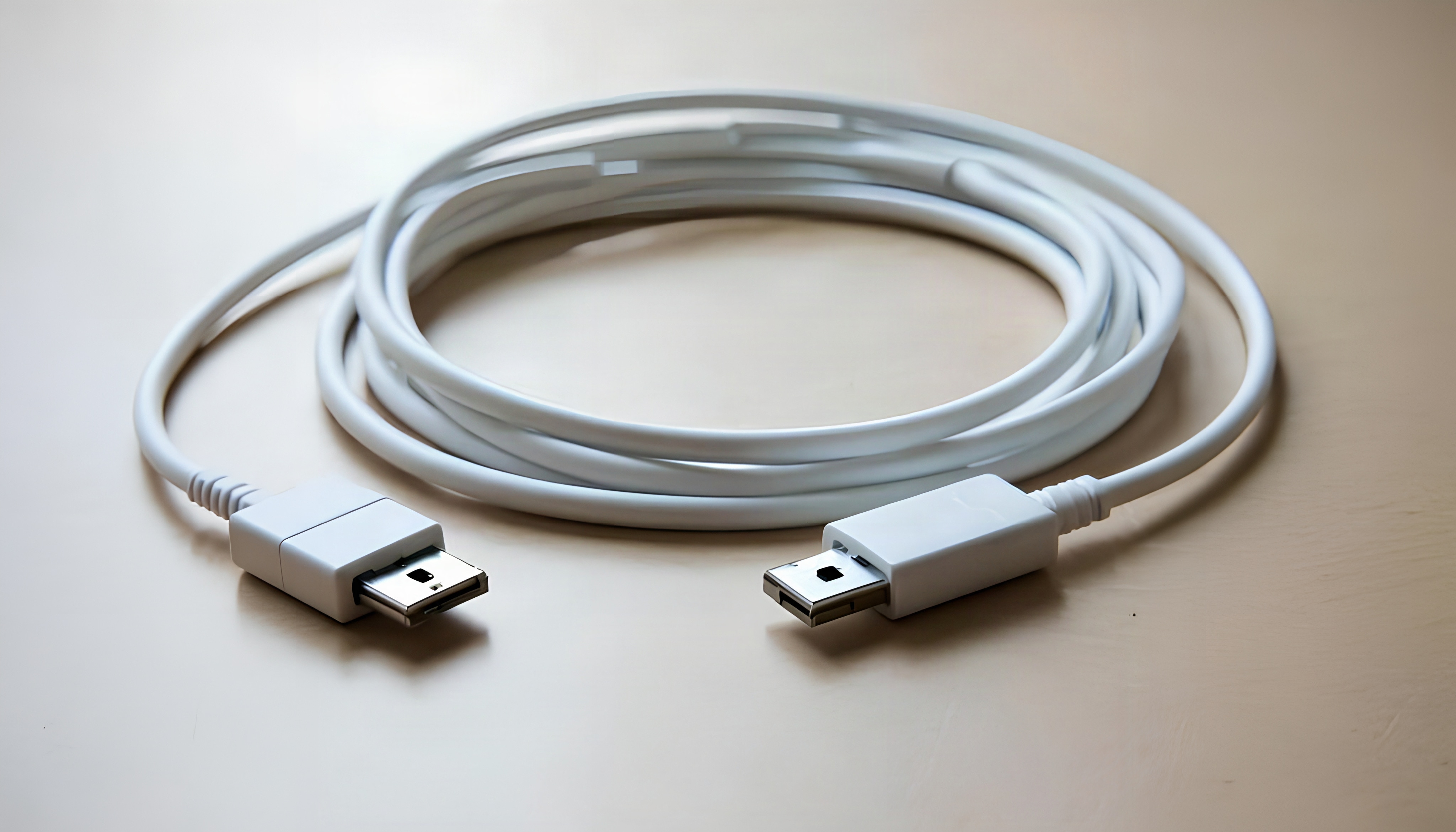
Understanding Braided And Regular Charging Cables; Photo Credit: iStock
Braided design may offer better abrasion and repeated bending protection, but some well-built regular cables can also provide impressive durability, as long as they use strong internal components and reinforced connector areas. And for those who plug in their new smartphones, tablets, earbuds or laptops several times a day, the right cable can save you replacements and make everyday charging more convenient.
Also Read: Top 5 Power Banks For Phones That Struggle To Last A Full Day
Understanding Braided And Regular Charging Cables
1: Braided Cables Are Woven With A Protective Outer Layer
Braided cables are usually a type of woven material, such as nylon or polyester, that is woven around the cable jacket. This can offer some benefit in terms of abrasion, tangling and everyday bending. Braided cables are particularly handy for travel and frequent use.
2: Regular Cables Usually Have A Smooth Plastic Jacket
Most charging cables are made from smooth PVC, TPE or similar materials, all of which also tend to be softer and more flexible. Making them easy to coil and store. Cheaper materials, though, may crack or fray around frequently bent areas.
3: Connector Protection Matters As Much As Braiding
Durability is greatly affected by the cable-to-connector connection. Even a cable with a strong braided jacket can fail prematurely if the connector has poor strain relief or weak internal construction, and so far, the cable's appearance alone is not a good indicator of lifetime.
4: Flexibility May Affect the Life of Everyday Cables
Flexibility is another important aspect to consider when comparing charging cables – a cable that bends naturally without sharp folds will put less stress on its internal wires. Some braided styles are a little more solid; regular cables are more flexible. Which is better depends on how often the cable is going to be bent, coiled and transported.
5: Internal Construction Defines Long-Term Performance
The outer material is simply one part of the construction of a charging cable. Internal wiring, shielding, soldering and quality of the connectors all contribute to the reliability of a cable over time. A good quality regular cable with solid internal parts might last longer than a badly made braided one. Overall build quality is more important than just looks.
Braided vs Regular Charging Cable: Ways To Make One Last Longer
Step 1: Compare Resistance To Bending
Braided cables tend to have an advantage when you repeatedly bend the cable, such as when going around desks, beds and travel bags; at the same time, the woven exterior can distribute some of the physical stress. It can also provide additional protection against surface damage.
Step 2: Consider Fraying And Surface Damage
With prolonged handling, regular plastic cables can eventually crack, split or show visible wear, as braided designs tend to better hide and resist this type of surface damage because the woven exterior acts as an additional protective layer.
Step 3: Look At Connector Strain Relief
A reinforced connector is essential regardless of cable type. A flexible strain-relief section can reduce the sharp bending that occurs where the rigid connector meets the flexible cable.
Step 4: Think About Daily Usage
For a cable that stays beside a desk and is rarely moved, a good regular cable may be perfectly adequate. A braided cable becomes more attractive when the cable is regularly carried in a handbag, backpack or laptop case.
Benefits Of Choosing A Braided Charging Cable
Braided cables are generally better suited to repeated movement because the woven exterior can resist abrasion and protect the inner cable from everyday wear. This makes them handy for those who often plug and unplug devices; many braided cables are more robust than basic plastic cables. This helps avoid sharp kinks and makes the cable easier to handle when packed away in a bag or drawer.
A more durable cable that doesn't have to be replaced as often can be more cost-effective in the long run. However, the higher price of a braided cable should not automatically be treated as proof of better quality. A braided cable can feel more substantial when used away from home. The additional outer protection can be useful when cables are regularly placed alongside chargers, laptops and other accessories inside a travel bag.
Common Charging Cable Mistakes To Avoid
1: Assuming Every Braided Cable Is Durable
Braiding is just one part of cable construction. Even a badly designed braided cable with bad connectors or bad internal wiring can die early; other considerations include cable specs, connector reinforcement, charging compatibility, and manufacturer quality.
2: Pulling The Cable Instead Of The Connector
Pulling a wire from the wire itself puts undue stress on the connector joint. Pulling the plug housing rather than the cable can reduce strain and help protect the weakest section.
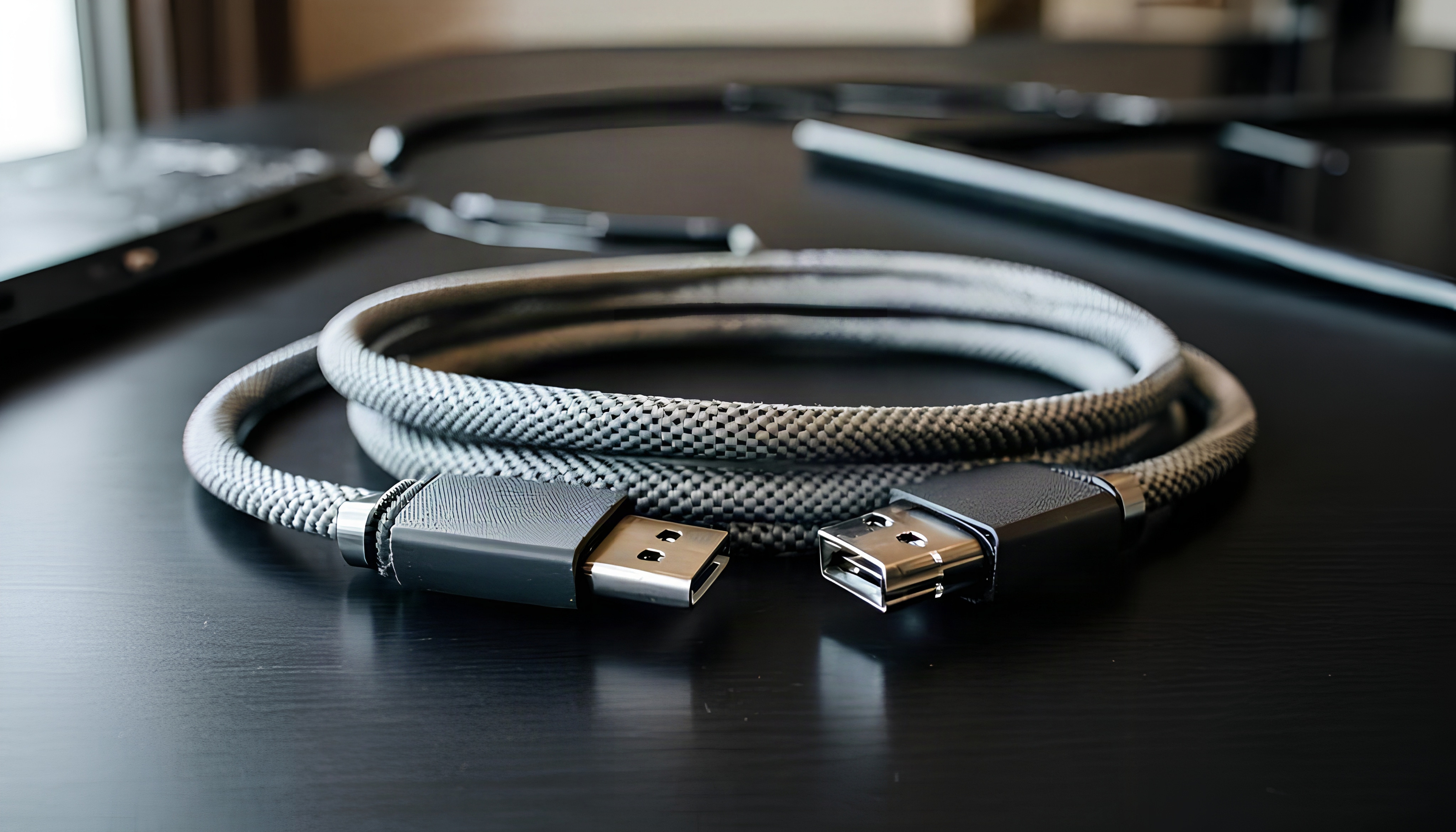
Few Options For You To Choose From; Photo Credit: iStock
Few Options For You To Choose From
1. MYVN 100W Ultra Fast Charging Cable
2. Amazon Basics 100W Magnetic Charging Cable
3. Duracell Charging USB Cable
4. Zebronics Type-C Fast Charging Cable
5. Ambrane Unbreakable 60W Fast Charging Cable
6. Portronics Konnect Fast Charging Cable
7. COSTAR 60W 3-in-1 Multi Fast Charging Cable
8. HAMMER 100W 5A USB to Type-C Super Fast Charging Cable
When comparing braided vs regular charging cables, braided cables clearly last longer. With stronger exterior protection, better tangle resistance, and enhanced durability, they withstand daily wear and tear better than regular plastic cables. For long-term use and value, investing in a braided charging cable is the smarter, more durable choice. Shop now on Amazon.
Frequently Asked Questions (FAQs)
1. Are braided charging cables more durable than regular cables?
Yes, especially against abrasion and repeated physical handling, but overall durability also depends on internal construction and reinforcement of connectors.
2. Do braided cables charge quicker?
Not necessarily. The braided exterior doesn't affect the charging speed. It is contingent upon the electrical specifications, power rating, type of connector and compatibility of the cable.
3. Are braided charging cables better than normal charging cables?
Yes, good regular cables are better than poorly made braided cables, as durability testing has shown.
4. Why do chargers always break at the point they plug in?
The rigid plug is mated to a flexible cable, and the connector area is subject to concentrated bending and pulling; repeated stress can damage the outer jacket or internal wires.
5. Do you need to spend more money on a braided cable?
If you do a lot of charging, travelling, and rough handling, the extra durability of a braided cable can be worth it; but if you only need it from time to time at a desk, a decent regular cable can give you enough performance for a lower price.
(Disclaimer: This article may include references to or features of products and services made available through affiliate marketing campaigns. NDTV Convergence Limited (“NDTV”) strives to maintain editorial independence while participating in such campaigns. NDTV does not assume responsibility for the performance or claims of any featured products or services.)