Sony Revives The Original Walkman Headphones With USB-C And Classic Foam Earpad
Sony has revived the iconic Walkman-era MDR-3 headphones as the new MDR-3R, featuring USB-C connectivity, classic foam earpads, retro styling and modern call controls.
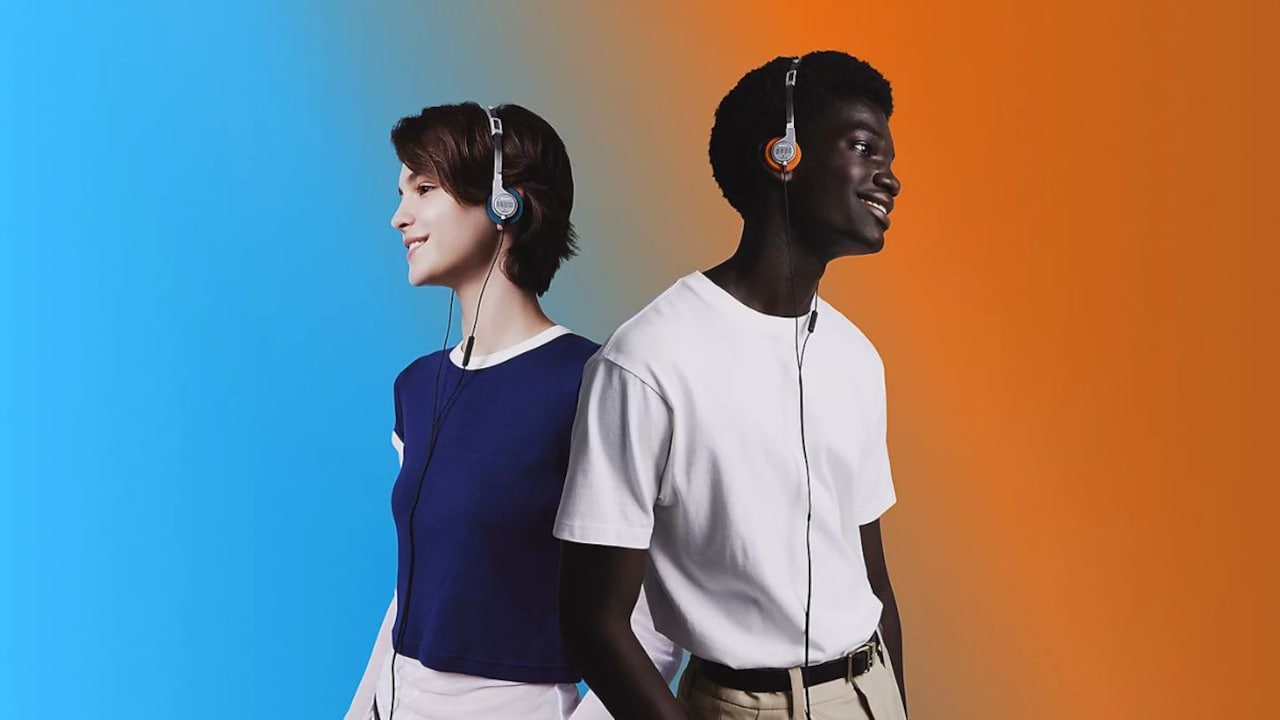
Sony has revived the iconic headphones that originally shipped with the first Walkman in 1979.
In an era where headphone launches are usually defined by AI-powered features, spatial audio and ever-improving noise cancellation, Sony has taken a different route. Nearly five decades after the launch of the original Walkman, the company is reviving one of its most iconic accessories: the MDR-3 headphones that helped introduce portable music listening to millions of people around the world.
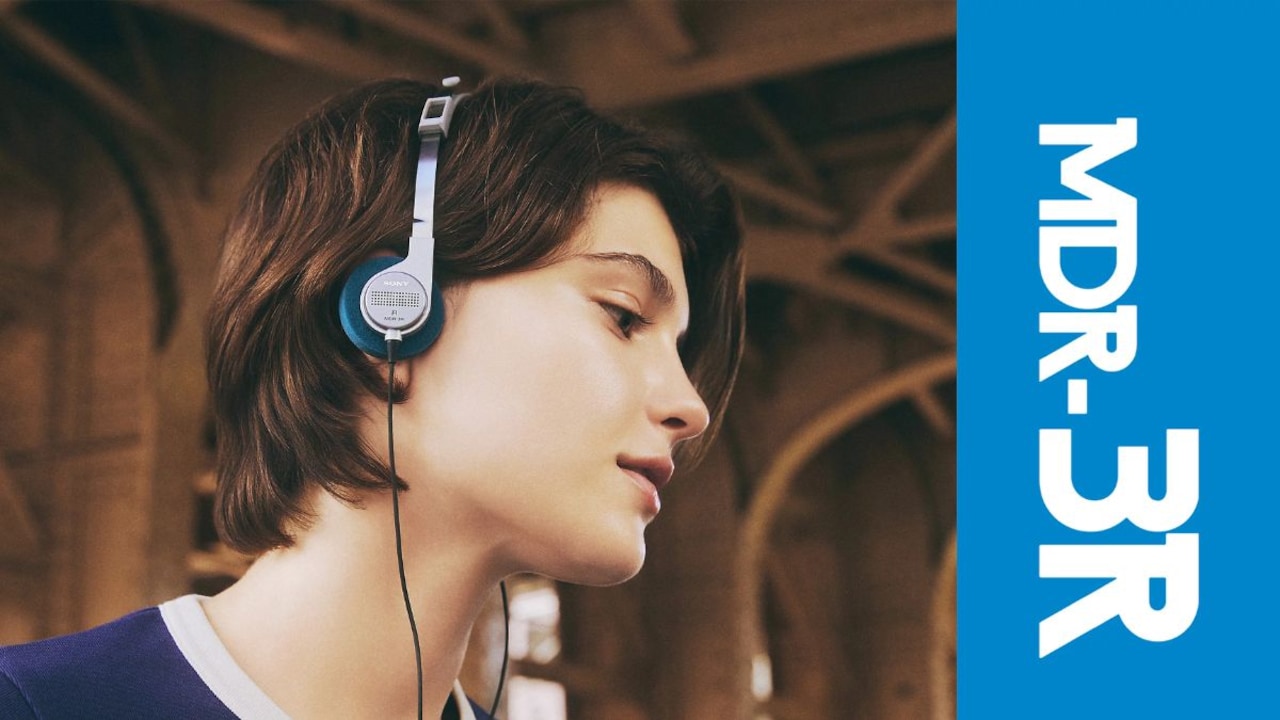
The launch taps into growing demand for retro technology and simple wired audio solutions.
Photo Credit: Pexels
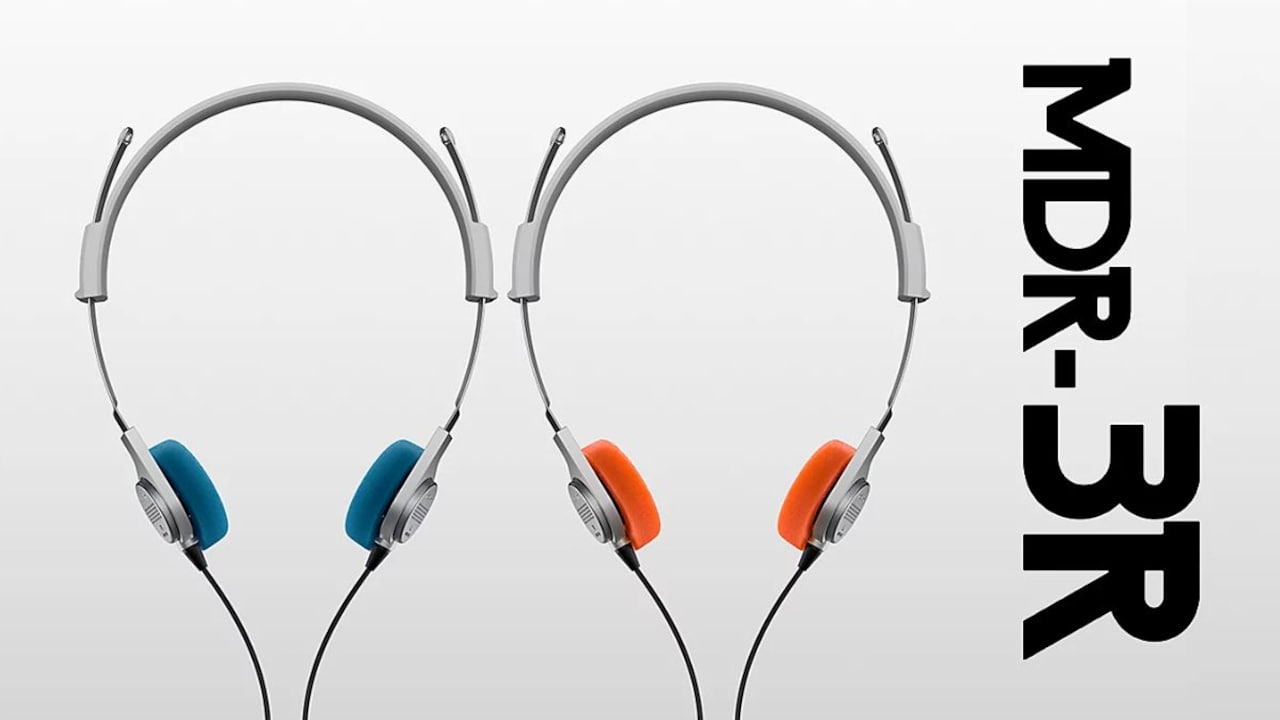
The new model, called the MDR-3R, recreates the look and feel of the original headphones that accompanied Sony's first Walkman cassette player in 1979. At first glance, little appears to have changed. The familiar foam earpads are still there, as are the slim metal sliders and lightweight open-ear design. Yet beneath the retro styling is a product built for modern devices, complete with USB-C connectivity, an in-line remote and a built-in microphone.
Also Read: Can You Carry A Power Bank In Checked Luggage On Indian Flights
It's a launch that feels less like a nostalgia exercise and more like a reminder of how much personal audio has changed since the Walkman first allowed people to carry music with them wherever they went.
The Headphones That Helped Define Portable Music
When Sony launched the TPS-L2 Walkman in 1979, it wasn't just introducing a new music player. It was helping create an entirely new way of listening to music. Until then, music was often tied to living rooms, stereos and shared spaces. The Walkman made listening personal.
The MDR-3 headphones were a key part of that experience. Lightweight, compact and easy to wear on the move, they became inseparable from the image of the early Walkman. Their simple design, featuring two foam-covered earpads connected by a thin headband, eventually became one of the most recognisable headphone designs of the era.
Over the years, the headphones gained something of a cult following among collectors and vintage audio enthusiasts. Original units continue to appear on collector forums and resale platforms, often commanding surprisingly high prices for a product once considered a simple accessory.
That enduring appeal is likely one of the reasons Sony decided the design was worth reviving.
Almost The Same As 1979, Except For One Important Change
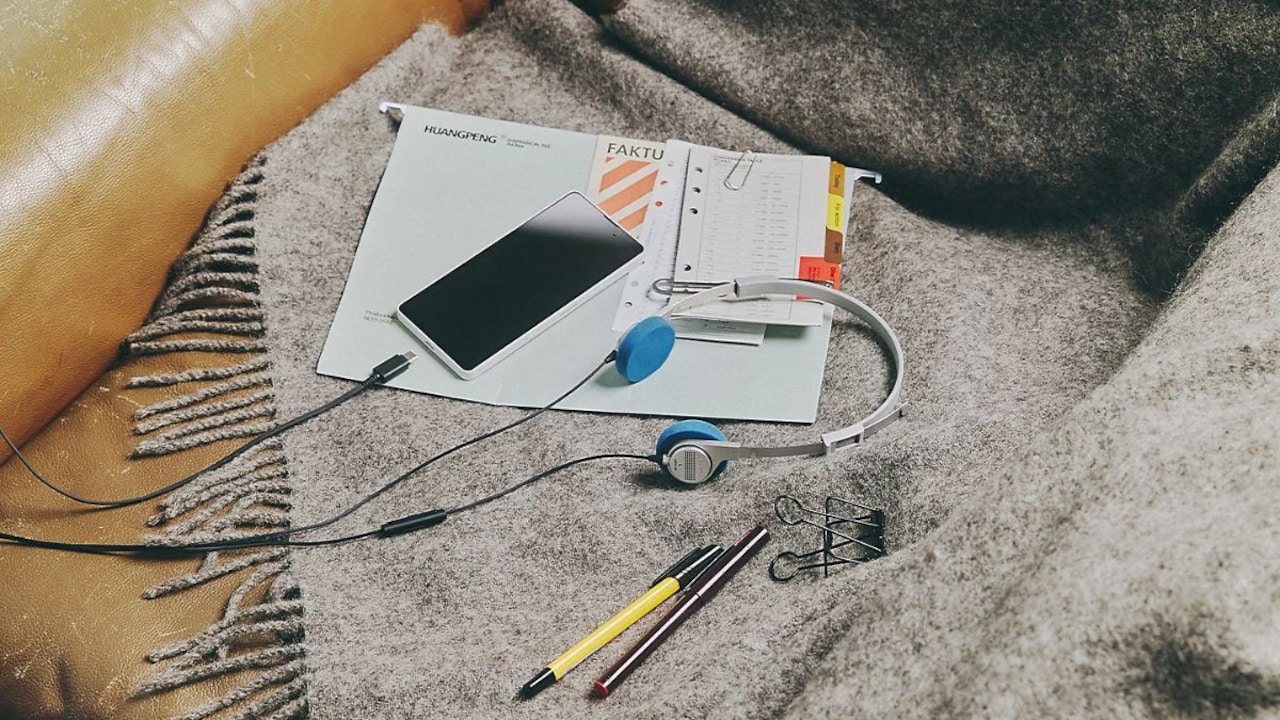
The new MDR-3R keeps the classic retro design but adds modern USB-C connectivity.
Photo Credit: Sony
Sony has gone to great lengths to ensure the MDR-3R looks remarkably close to the original MDR-3L2 model. The adjustable plastic headband remains, accompanied by slim stainless-steel sliders and aluminium detailing. Even the distinctive pattern of sound holes above the drivers has been recreated.
The attention to detail extends beyond the headphones themselves. Sony says the packaging has been designed to resemble the original retail box, matching its typography, colours and overall presentation. The box also includes orange and blue foam earpads, bringing back one of the most memorable visual details of the original product.
The major difference, however, is the connector.
Instead of the traditional 3.5mm audio jack, the MDR-3R uses USB-C. This allows the headphones to plug directly into most modern Android smartphones, tablets, laptops and a growing number of USB-C-enabled devices.
Sony has also added practical features that did not exist in 1979. The headphones include an in-line remote for controlling volume and playback, along with a built-in microphone for calls and voice assistant access.
Despite these additions, the MDR-3R remains remarkably light, weighing just 38g, making it significantly lighter than most modern over-ear or on-ear headphones.
Why Sony Is Betting On Wired Audio Again
At first glance, launching a wired headphone in 2026 may seem like a strange move.
After all, the audio industry has spent years pushing wireless earbuds and noise-cancelling headphones. Yet a growing number of consumers are rediscovering the advantages of wired listening.
For some, it's simply about convenience. Wired headphones do not need charging, firmware updates or Bluetooth pairing. They're always ready to use. Others keep a wired pair as a dependable backup for travel, online meetings or long workdays.
The shift has been noticeable enough that products like Apple's EarPods have continued to maintain relevance despite the popularity of wireless alternatives.
Sony appears to be tapping into the same sentiment. The MDR-3R offers a plug-and-play experience at a time when many gadgets have become increasingly complex.
The headphones also retain their original open-ear design. Unlike most premium headphones today, they do not feature active noise cancellation. Outside sounds remain audible, much like they did on the original Walkman headphones.
That may not appeal to frequent flyers or commuters navigating crowded public transport, but it is consistent with the product's retro identity and contributes to its lightweight design.
Sound Inspired By The Original, Tuned For Today
Unlike most modern headphones, the MDR-3R requires no charging or Bluetooth pairing.
Photo Credit: Sony
Sony says the MDR-3R uses the same 23mm driver units as the original model, although they have been refined to better suit contemporary listening habits.
According to the company, the goal was not to create a radically different sound signature but to preserve the character of the original headphones while making subtle improvements. Sony describes the sound as balanced, with deeper bass, more extended high frequencies and improved vocal clarity compared to the original MDR-3.
That approach reflects the broader philosophy behind the product. Rather than treating the classic design as a museum piece, Sony appears to have modernised it just enough to make sense for today's listeners without losing what made it distinctive in the first place.
Nostalgia Is The Feature
Sony is also leaning heavily into the cultural appeal of the 1980s.
Alongside the standard MDR-3R, the company has announced a limited-edition collaboration with Netflix's Stranger Things. The special version features red and black foam earpads, exclusive packaging and branding inspired by the hit series.
The partnership is a fitting one. Few modern shows have done more to celebrate 1980s culture, and the Walkman remains one of the most recognisable consumer technology products of that decade.
The launch also arrives during a broader revival of retro technology. Vinyl records continue to attract younger buyers, compact digital cameras from the early 2000s have unexpectedly returned to fashion, and wired earphones are finding favour among users seeking simplicity in an increasingly wireless world.
Against that backdrop, the MDR-3R feels well-timed.
A Small Piece Of Audio History Returns
The MDR-3R is unlikely to replace today's premium wireless headphones, nor is it trying to. The appeal lies elsewhere.
For collectors, it is a chance to own a faithful recreation of a Walkman-era icon without hunting through second-hand marketplaces. For younger listeners, it offers a glimpse into the product that helped make portable music mainstream. And for anyone who misses the simplicity of plugging in a pair of headphones and pressing play, it represents a refreshingly uncomplicated alternative.
Nearly 50 years after the original Walkman changed personal audio forever, Sony is proving that sometimes the most interesting technology launches are not about inventing something new, but about bringing back something people never really stopped loving.
Availability
Sony says the MDR-3R will be available for order soon through its official website and Amazon. Meanwhile, consumers looking for wired audio products can explore Sony's existing range of headphones and earphones available on Amazon across multiple price segments.
Top 6 Headphones And Earphones On Amazon
1. Sony MDR-ZX110A On Ear Stereo Wired Headphones (White)
2. Sony IER-EX15C USB-C Plug
3. Sony ZX Series MDR-ZX310AP Wired Headband Stereo On Ear Headset
4. Sony MDR-EX14AP Wired in Ear Headphone with Mic (Black)
5. Sony MDR-EX155AP Wired in Ear Headphones with Tangle Free Cable
6. Sony MDR-EX255AP in-Ear Wired Earphones with Mic
Frequently Asked Questions (FAQs)
1. What are the Sony MDR-3R headphones?
The Sony MDR-3R is a modern recreation of the original MDR-3 headphones that shipped with Sony's first Walkman in 1979. It retains the classic retro design while adding USB-C connectivity for use with modern devices.
2. Do the Sony MDR-3R headphones work with smartphones?
Yes. The MDR-3R connects via USB-C and can be used with compatible smartphones, tablets, laptops and other devices that support USB-C audio output.
3. Do the Sony MDR-3R headphones have noise cancellation?
No. The MDR-3R features an open-ear design and does not include active noise cancellation, allowing listeners to remain aware of their surroundings.
4. Why are wired headphones becoming popular again?
Many users appreciate wired headphones because they do not require charging, offer instant plug-and-play use and can provide reliable audio quality for music, calls and video recording.
5. What makes the Sony MDR-3R different from the original Walkman headphones?
The MDR-3R closely follows the original design but replaces the 3.5mm audio jack with USB-C connectivity. It also includes a built-in microphone and inline controls for modern devices.
(Disclaimer: This article may include references to or features of products and services made available through affiliate marketing campaigns. NDTV Convergence Limited (“NDTV”) strives to maintain editorial independence while participating in such campaigns. NDTV does not assume responsibility for the performance or claims of any featured products or services.)