Why Phone Chargers Stop Working So Quickly Today: Durable Cable Features Consumers Ignore
Phone chargers fail faster today because most buyers ignore key durability features like strain relief, copper quality, connector strength, and heat resistance while focusing only on charging speed and design.
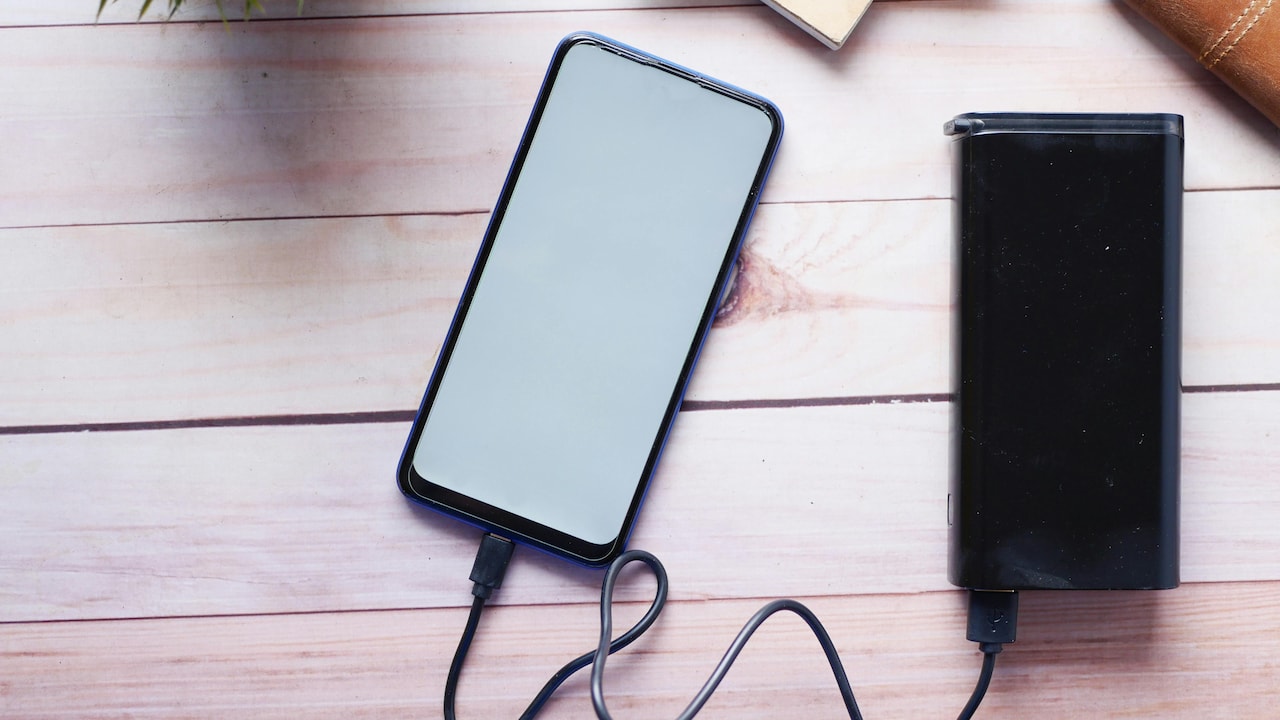
What to look for in phone charger cables to prevent them from early damage
Nearly every household has that mysterious drawer filled with dead chargers. Some have bent pins. Some only work if held at a precise angle. Others look perfectly fine yet refuse to charge anything at all. It feels oddly dramatic for such a tiny piece of technology. A decade ago, chargers somehow survived being stuffed into backpacks, twisted around bike handles, and dragged across train seats during long commutes. Today, many cables begin acting up within months. The frustration grows even sharper because phones themselves keep getting more expensive. Spending ₹80,000 on a smartphone only to replace a ₹699 cable every few months feels ridiculous.
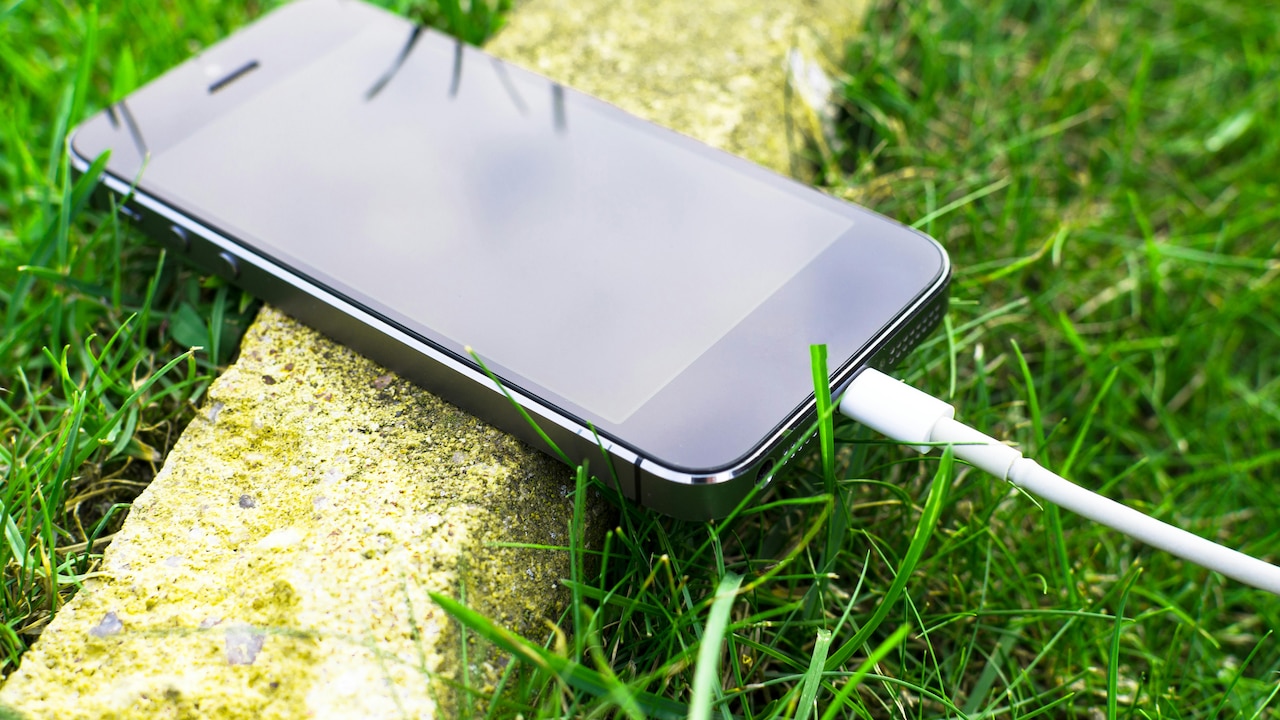
Here's what might be causing your phone chargers to break easily; Photo Credit: Pexels
The problem does not always come from careless handling. Modern charging habits have changed completely. Phones charge faster, heat up more, and stay connected longer. Meanwhile, many consumers buy cables based on appearance, packaging, or discounts instead of durability. A sleek braided design or glowing LED tip may look impressive online, but the real signs of quality sit deeper inside the cable.
Understanding these overlooked features can save money, reduce electronic waste, and spare people from awkward moments at airports, offices, and roadside tea stalls where everyone suddenly searches for “just one working charger”.
Also Read: Upgrade Your Mobile Phone With These Fast-Charging Smart Cables
Durable Cable Features Consumers Ignore
Thin Internal Wires Create Faster Damage
Most people judge a charging cable by its outer appearance. If the cable feels thick and sturdy, it must be durable, right? Not always. Some manufacturers use cheap internal wires hidden beneath a strong-looking exterior. The cable may appear premium while the copper inside remains thin and fragile.
Copper quality matters more than flashy packaging. Poor-quality wires struggle to handle constant power flow, especially with fast-charging phones. Over time, the internal strands heat up, weaken, and eventually snap. That explains why some chargers suddenly stop working even though the outer layer still looks untouched.
The issue becomes worse during the summer. Heat already stresses electronics enough. Add a low-quality cable carrying high wattage, and the internal damage accelerates quickly. Many users notice chargers failing after using them while gaming, streaming cricket matches, or navigating traffic for long hours.
Durable cables usually contain thicker copper cores with better insulation. They transfer power more efficiently and resist overheating. Yet most shoppers never check these specifications. Online listings often bury such details beneath marketing slogans like “super speed charging” or “turbo boost technology”.
Ironically, the cheapest-looking cable on the shelf sometimes outlasts the stylish braided one because its internal materials are simply better built.
Weak Strain Relief Ruins Chargers Quietly
The most vulnerable part of any charger sits near the connector ends. That tiny flexible section where the cable meets the plug handles enormous stress every day. Engineers call it strain relief, though most consumers barely notice it.
Every bend near the connector slowly weakens the internal wires. Pulling the charger from a socket by the cable instead of the plug makes things even worse. The damage happens gradually and invisibly. One day, the charger starts disconnecting randomly. Soon after, it stops working entirely.
Good strain relief looks slightly longer and thicker near the ends. It bends smoothly without creating sharp folds. Cheap chargers often cut corners here because stronger reinforcement increases manufacturing costs.
Daily habits also contribute heavily. Many people charge phones while lying down, which bends the cable sharply under pillows or against bed frames. Others keep phones plugged in while travelling on scooters or trains, causing constant vibration near the connector point.
A stronger strain relief design may not look exciting on product packaging, but it dramatically increases cable lifespan. Surprisingly, consumers spend more time checking colour options than inspecting the most failure-prone section of the charger.
The humble connector joint quietly decides whether a charger survives months or years.
Fast Charging Generates More Heat Than Before
Fast charging changed phone usage completely. Twenty minutes of charging can now provide hours of battery life. Convenient? Absolutely. Gentle on charging cables? Not really.
Higher charging speeds push more current through the cable, which naturally generates extra heat. If the cable lacks proper heat resistance, the internal materials deteriorate quickly. Many cheaper cables advertise compatibility with fast charging standards without actually handling sustained high power safely.
Heat remains one of electronics' biggest enemies. It weakens insulation, damages connectors, and loosens internal joints over time. Anyone who has touched a warm charger after charging a nearly dead phone understands the issue immediately.
The problem becomes more noticeable during long charging sessions in hot weather. Picture a phone charging inside a backpack during a train ride while hotspot, GPS, and music streaming all run together. That tiny cable works harder than most people realise.
Durable cables include better shielding materials and heat-resistant coatings. Some also contain smart chips that regulate power flow efficiently. Yet many buyers only focus on whether the charger claims to support 65W or 100W charging.
Fast charging technology itself is not the villain. Poor cable construction paired with high power loads creates a real disaster.
Cheap Connectors Wear Out Faster Than Expected
The connector tip faces constant punishment. It gets plugged in several times daily, dropped onto floors, shoved into pockets, and exposed to dust, sweat, and humidity. Naturally, connector quality matters enormously.
Cheap connectors use thinner metal coatings that wear down quickly. Once the metal surface weakens, charging becomes inconsistent. The phone may repeatedly connect and disconnect or stop recognising the cable entirely.
This explains why some chargers only work after rotating the connector several times. The worn-out contact points struggle to maintain a proper electrical connection. Many users blame the phone port first when the real culprit sits at the cable end.
Gold-plated connectors often sound like marketing gimmicks, but quality plating genuinely helps resist corrosion and wear. Stronger connector housing also prevents wobbling, which reduces internal stress during daily use.
Pocket habits worsen the situation, too. Carrying phones with cables attached puts sideways pressure on the connectors. One accidental yank while stepping out of a cab can weaken the internal structure permanently.
Durable connectors rarely grab attention during shopping because consumers naturally focus on charging speed and price. Yet a well-built connector often decides whether the cable remains reliable after hundreds of charging cycles.
The smallest part of the charger usually suffers the biggest workload.
Braided Cables Are Not Always Stronger
Braided cables have become incredibly popular. They look premium, resist tangling, and appear tougher than traditional rubber cables. However, appearances can fool people badly.
Some braided cables only add a decorative outer layer while keeping weak internals underneath. The braided covering may survive rough handling, but the copper wires inside can still fail quickly. Consumers then feel confused because the cable looks perfectly intact externally.
A genuinely durable braided cable combines strong outer protection with reinforced internal construction. The braid itself should feel tightly woven rather than loose or slippery. High-quality braided cables also include better strain relief and stronger insulation beneath the fabric layer.
Marketing plays a huge role here. Attractive packaging and social media advertisements often convince buyers that braided automatically means durable. Reality proves more complicated.
Interestingly, certain high-quality rubber cables outperform cheaper braided alternatives completely. The real durability comes from engineering quality, not fashionable textures.
Many people also assume thicker braided cables charge faster. That is not necessarily true either. Charging speed depends more on internal wire specifications than external appearance.
The obsession with aesthetics sometimes distracts consumers from practical durability. A cable should survive daily life first. Looking stylish while dying within six months hardly counts as smart design.
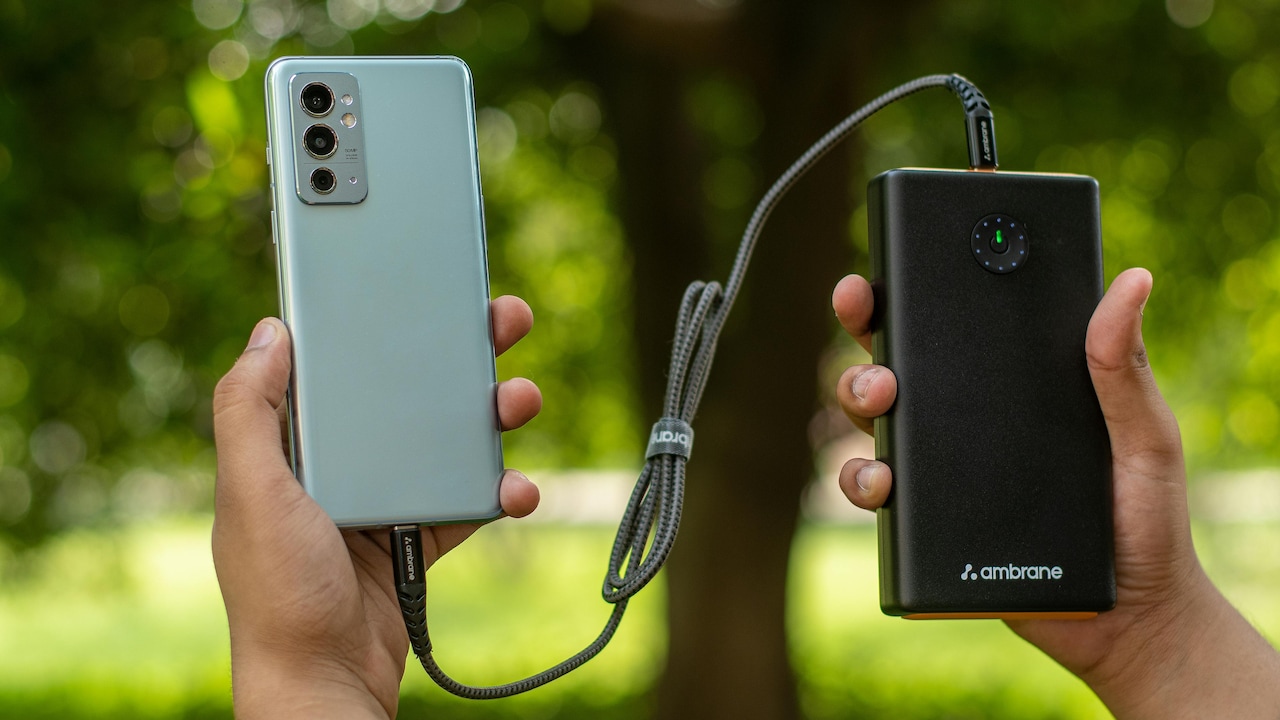
Even braided chargers can break due to regular wear and tear; Photo Credit: Pexels
Constant Folding Damages The Internal Structure
Phone chargers endure terrible treatment daily. They get twisted around power banks, stuffed into jeans pockets, tied into tight knots, and crammed into laptop bags beside heavy adapters.
Every fold creates pressure points inside the cable. Over time, repeated stress weakens the tiny copper strands hidden beneath the outer covering. Eventually, the strands snap one by one until charging performance drops noticeably.
The damage usually starts internally long before visible cracks appear. That explains why a cable may look completely normal while charging painfully slowly.
Many people unknowingly shorten a charger's lifespan through storage habits alone. Wrapping cables tightly around adapters creates sharp bends that weaken internal wiring repeatedly. Using elastic bands to keep cables compact adds even more pressure.
Durable cables often feature flexible internal designs that tolerate bending better. Some premium cables survive thousands more bend cycles than cheaper alternatives. Yet shoppers rarely check bend lifespan ratings because manufacturers hide them deep within technical specifications.
Simple habits matter too. Loosely coiling cables instead of folding them sharply can extend lifespan dramatically. Keeping chargers away from chair wheels, backpack zips, and crowded desk edges also reduces unnecessary stress.
Sometimes the charger itself is not poorly made. Daily handling slowly turns it into a casualty.
Moisture And Dust Quietly Destroy Chargers
Chargers travel everywhere now. Offices, kitchens, cafes, gyms, trains, and roadside food stalls all become charging stations at some point. Naturally, cables face far more exposure to moisture and dust than before.
Humidity damages connectors gradually by causing corrosion. Dust particles collect inside charging ports and connector grooves, weakening electrical contact. Sweat from hands adds another layer of grime, especially during summer.
The issue becomes obvious during the monsoon season. Chargers left near windows or packed into damp bags often start malfunctioning mysteriously. Many people assume the cable simply “got old” when environmental exposure actually caused the failure.
Durable chargers include corrosion-resistant connectors and better protective coatings. Some premium cables even feature water-resistant designs, though most consumers never prioritise such features while shopping.
Charging habits also matter significantly. Using phones while cooking, travelling in the rain, or exercising exposes cables to moisture repeatedly. Small water droplets may seem harmless initially, but long-term exposure quietly damages metal surfaces.
Dust accumulation creates another hidden problem. Pocket lint inside charging ports increases friction, which strains both the connector and cable over time.
A charger does not need dramatic damage to fail. Sometimes, ordinary daily environments slowly wear it down piece by piece.
Fake Certification Labels Mislead Buyers
Many chargers today proudly display labels like “fast charge certified” or “premium quality tested”. Unfortunately, some of these claims mean very little.
Counterfeit cables flood both online marketplaces and roadside electronics shops. They often mimic genuine branding closely enough to fool ordinary buyers. The packaging looks convincing, the price feels tempting, and the charger works initially. Then the problems begin within weeks.
Authentic certified cables undergo proper testing for heat resistance, voltage stability, and safety standards. Fake alternatives may skip these processes entirely. As a result, they fail faster and sometimes even damage phones.
The confusion grows because many consumers assume all USB-C cables work equally well. In reality, cable quality varies enormously. Two cables may look identical externally while performing completely differently internally.
Durable chargers usually come from brands that clearly mention wattage support, material specifications, and certification details transparently. Extremely vague descriptions often signal poor quality.
Price alone does not guarantee reliability either. Some overpriced cables rely heavily on branding while delivering average durability. Still, suspiciously cheap chargers should raise immediate doubts.
A ₹199 cable promising ultra-fast charging, military-grade durability, and lifetime reliability deserves at least a raised eyebrow.
The charger market has become crowded with flashy claims, making careful buying more important than ever.
Frequent Plugging And Unplugging Speeds Up Wear
Modern lifestyles involve constant charging. Phones connect to car chargers during traffic, power banks during travel, office desks during work, and bedside sockets at night. That means cables now face far more plugging cycles than they did years ago.
Every insertion creates slight friction between the connector and phone port. Over hundreds or thousands of cycles, this friction wears down the metal surfaces gradually. Cheap connectors deteriorate especially fast under constant use.
People who use wireless earphones, smartwatches, tablets, and portable gaming devices often switch chargers repeatedly throughout the day. The same cable handles multiple devices continuously, increasing overall wear.
Durable cables use stronger connector materials designed for repeated plugging cycles. Some manufacturers even test cables for over 10,000 insertions before release. Yet such durability ratings rarely attract attention during shopping.
User behaviour contributes heavily too. Yanking cables out quickly or plugging them in forcefully weakens connectors faster. Charging in dark rooms often leads to awkward insertion angles that strain ports and cable ends alike.
Technology convenience carries hidden costs. The more frequently devices charge, the harder cables must work.
A charger may not fail dramatically one morning. Instead, tiny daily actions slowly push it towards an inevitable breakdown.
Consumers Prioritise Speed Over Durability
Most charger advertisements focus heavily on speed. Terms like “hyper charge”, “warp charge”, and “lightning fast power” dominate packaging everywhere. Naturally, buyers begin prioritising charging speed above everything else.
Durability quietly becomes secondary.
Many consumers willingly spend ₹2,000 on stylish accessories yet hesitate to spend slightly more for a genuinely reliable charging cable. As long as the charger powers the phone quickly on day one, the purchase feels successful.
Unfortunately, ultra-fast charging creates greater stress on cables. Without strong materials and proper engineering, the charger ages rapidly under intense power demands.
Social media trends worsen the issue, too. People often choose chargers based on aesthetic appeal or influencer recommendations rather than technical quality. Transparent cables, glowing connectors, and magnetic tips may look futuristic, but durability depends on less glamorous details hidden inside.
Manufacturers understand this perfectly. Fancy packaging sells faster than technical explanations about copper purity or bend-cycle testing.
Consumers also replace chargers so frequently that failure almost feels normal now. A dead cable barely surprises anyone anymore. That acceptance allows poor-quality products to thrive comfortably.
Yet one durable cable often costs less in the long run than replacing multiple cheap alternatives repeatedly.
The smartest charger purchase rarely looks the flashiest on the shelf.
Products Related To This Article
1. MI Xiaomi 22.5W Fast Charger with USB-C Cable
2. Ambrane 25W GaN Mobile Charger Adapter with Charging Cable
3. iPhone Charger Adapter 20W Lightning Cable Combo (MFi-Certified) Compatible
4. Motorola 68W Turbo Charger with 3.3 Ft Type C
5. KARWAN 45W Super Fast Charger Adapter with Cable [2Yrs Warranty]
6. Portronics 100W Adapto 100 GaN Fast Charging Triple Port Adaptor with Type C Cable
7. 20W Charger with Type C to C Cable
Phone chargers stop working quickly today for several reasons, but most problems trace back to overlooked durability features rather than simple bad luck. Weak strain relief, poor copper quality, fragile connectors, heat stress, and constant bending slowly destroy cables from the inside out.
Modern charging habits place enormous pressure on accessories. Fast charging, frequent travel, constant plugging, and everyday rough handling all shorten cable lifespan significantly. At the same time, flashy marketing distracts consumers from the engineering details that truly matter.
A durable charger does not need dramatic packaging or glowing lights. It needs strong internal wiring, reliable connectors, effective heat resistance, and thoughtful construction. Those hidden qualities often decide whether a cable survives six months or three years.
The next time a charger dies unexpectedly, the problem may not simply be “cheap quality”. It could reflect how modern lifestyles, fast charging demands, and overlooked design flaws combine quietly over time. That mysterious drawer full of dead chargers suddenly makes much more sense now.
(Disclaimer: This article may include references to or features of products and services made available through affiliate marketing campaigns. NDTV Convergence Limited (“NDTV”) strives to maintain editorial independence while participating in such campaigns. NDTV does not assume responsibility for the performance or claims of any featured products or services.)