Wireless Earbuds vs. Neckband: Which Lasts Longer On A Commute
Wondering if wireless earbuds or a neckband survives your daily commute better? Compare battery life, comfort, and charging habits to pick the right one.
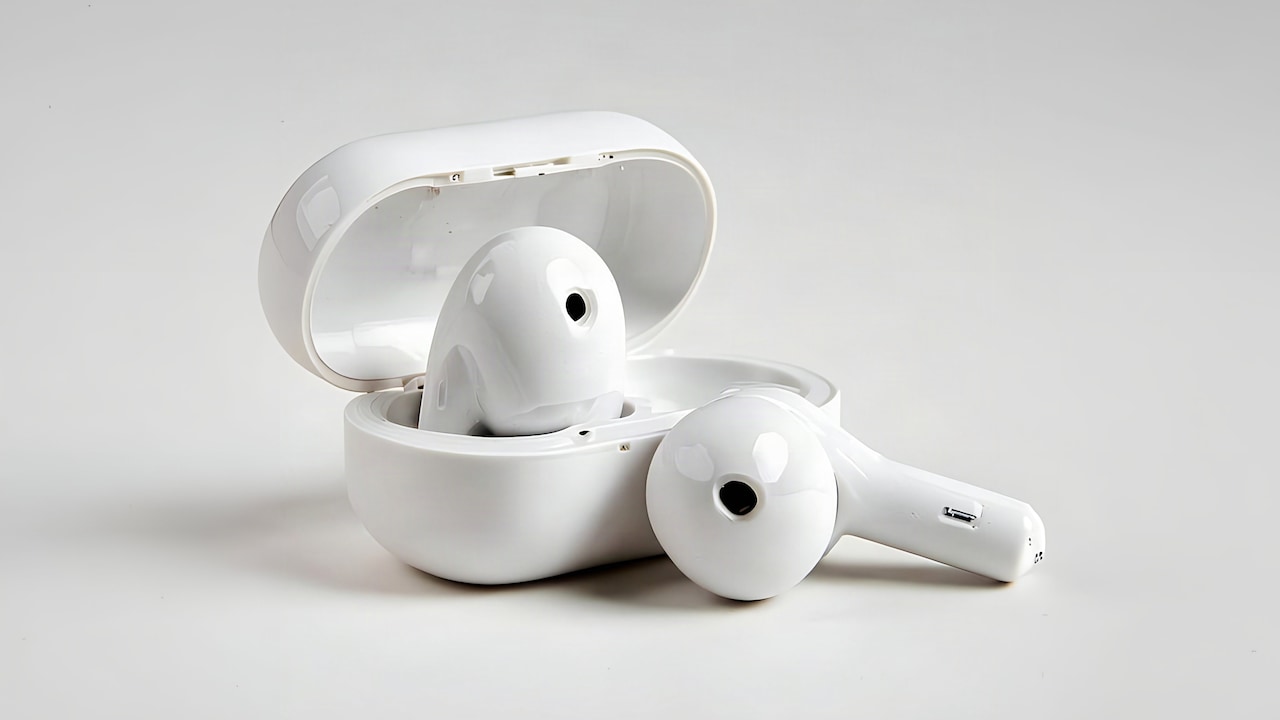
Wireless Earbuds Vs Neckband: Which Lasts Longer On A Commute
Somewhere between the second metro change and the bus stop outside your office, your earbuds die. Not fully, but enough that the music cuts out right when the podcast host is getting to the interesting part. It happens more often than people admit, and it's usually not a hardware defect. It's just math. Battery specs printed on the box rarely match what you experience during an actual 45-minute, two-mode commute with calls, music, and Bluetooth hopping between devices.
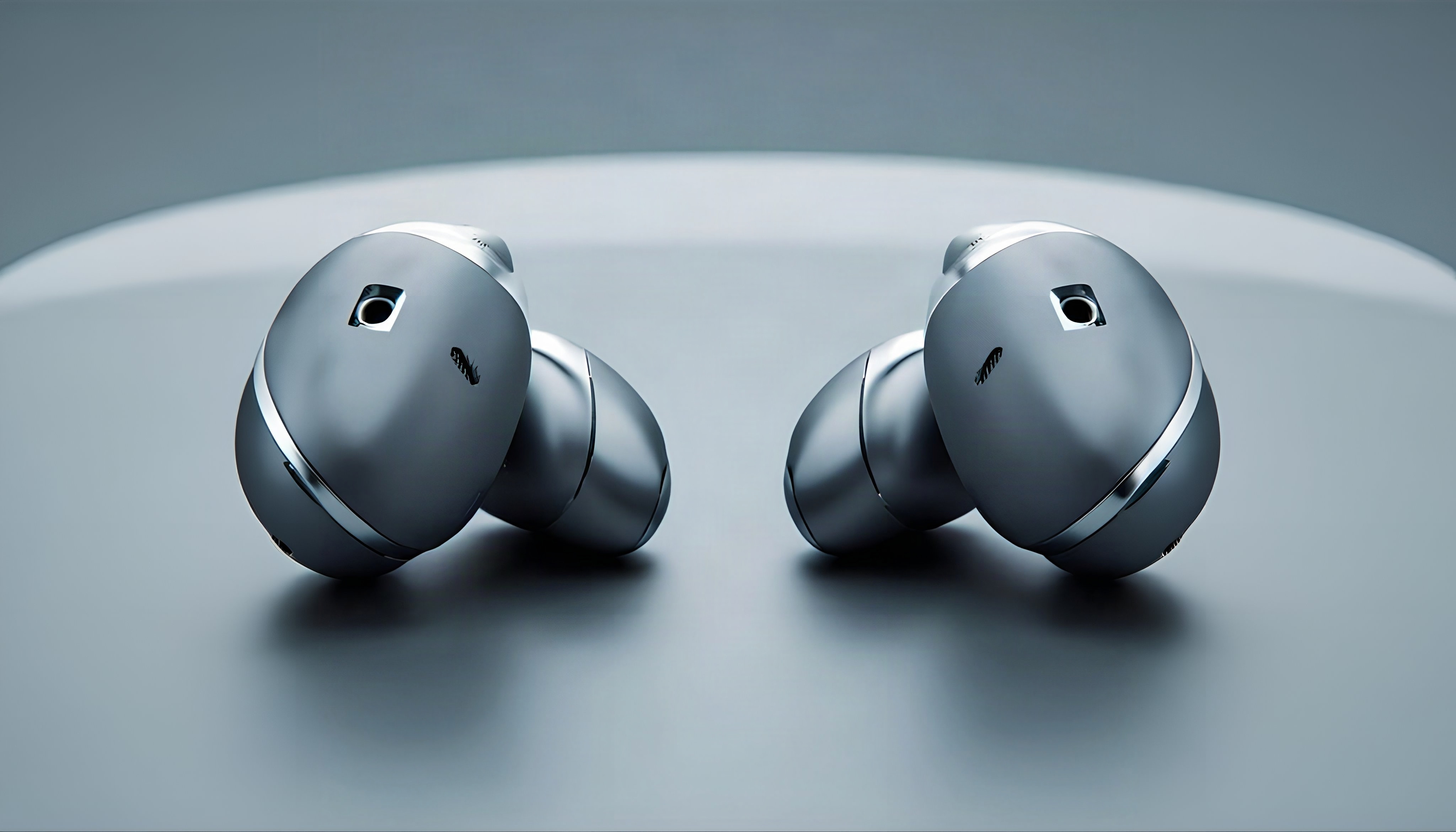
Wireless Earbuds Vs Neckband: Which Lasts Longer On A Commute; Photo Credit: iStock
So the question commuters keep typing into Google isn't really, "Which earbuds are best?" It's narrower than that. Do wireless earbuds hold up better than a neckband when you're stuck doing the same back-and-forth trip five or six days a week? The right answer depends on habits more than hardware, though hardware does set the ceiling.
In cities where commutes stretch well past an hour thanks to traffic and crowded local trains, it's essential to have the right earphones. So, in this guide, we'll discuss which lasts longer on a commute.
Also Read: Top 5 Budget TWS Earbuds Under ₹2,000 You Can Buy Right Now
What Happens To Battery Life During A Typical Commute
Before comparing the two formats, it helps to understand where the charge actually goes. Most people assume music playback is the main drain. It isn't, not entirely.
1. The Bluetooth Connection Itself Eats Charge
Every time your earbuds or neckband search for a signal, reconnect after a dropout, or switch between your phone and laptop, they burn power that has nothing to do with playing a song. Commutes are brutal for Bluetooth devices because you're moving through zones with patchy signal, tunnels, and crowds of other Bluetooth devices competing for the same frequency. A neckband with a single Bluetooth chip generally handles this reconnection more efficiently than two separate earbuds trying to stay in sync with each other and your phone at once.
2. Noise Cancellation Mode Changes Everything
If you're someone who switches on ANC the second you step onto a noisy platform, you should know it can cut battery life by almost a third in some devices. This discrepancy is where the "up to 40 hours" claim on the box quietly becomes "6 hours" in the real world. Neckbands with ANC suffer less proportionally because their battery capacity is physically larger to begin with, being housed in that curved band around your neck instead of two tiny earpieces.
Wireless Earbuds On A Daily Commute
Earbuds have become the default pick for many young professionals, mainly because they disappear into your ears and look sleek doing it. But convenience and stamina are two different things.
1. Playback Time You Actually Get Out Of The Case
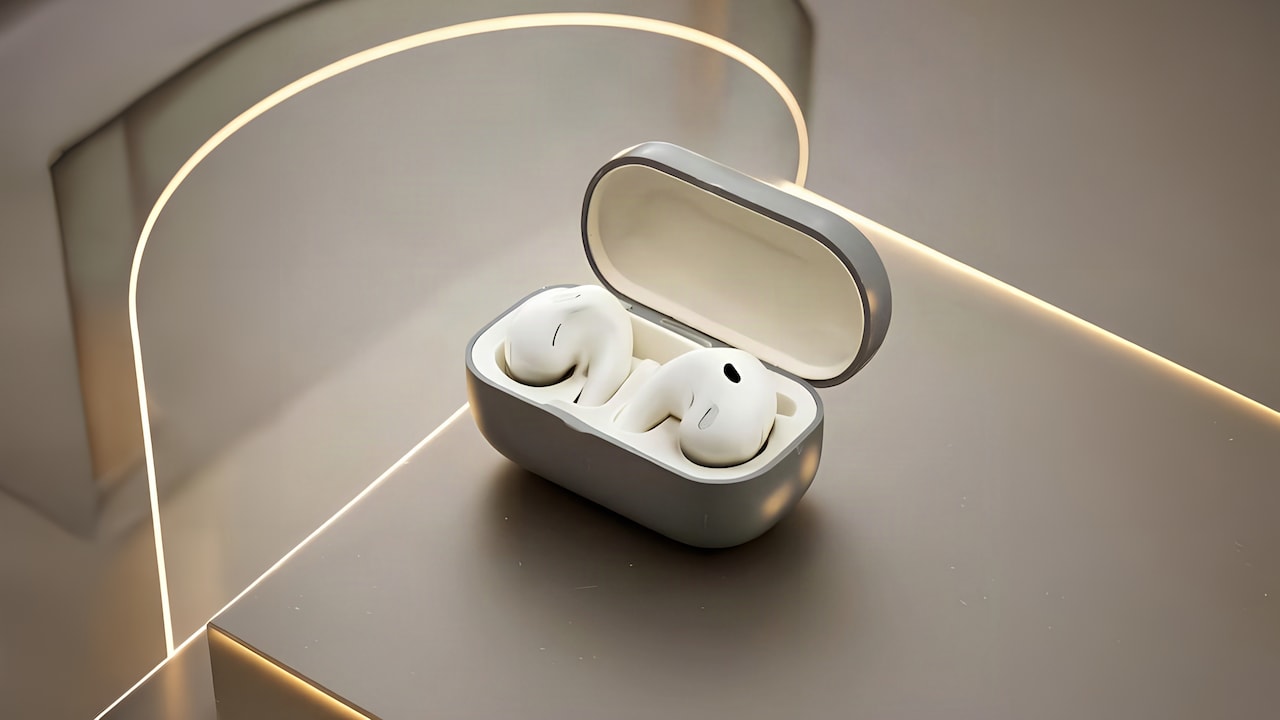
Most mid-range TWS earbuds today give somewhere between 5 and 8 hours of playback time from the earbuds alone, topped up by the case for a total of 30 to 50 hours. Sounds like plenty, until you realise the case only helps if you remember to carry it charged. On a commute, that 5 to 8-hour window is really what matters, since you're rarely popping earbuds back into the case mid-journey to top up.
2. The Charging Case Habit Most Commuters Get Wrong
A shocking number of people leave their earbuds case at home, plugged into a charger, and only realise the mistake once they're already at the station. With a neckband, this mistake is less costly, because the whole unit charges together, and you're not depending on a separate case that's easy to forget. If you're the forgetful type, the neckband alone might decide the winner for you.
Neckband Earphones On A Daily Commute
Neckbands get dismissed as old-fashioned sometimes, especially by people who've never actually timed how long one lasts against a pair of earbuds on the same route.
1. Why Neckbands Still Win On Raw Battery Numbers
Because the battery sits in a longer, thicker band rather than two tiny earpieces, neckbands can pack in significantly more capacity. Many current models comfortably cross 30 to 100 hours of continuous playback on a single charge, which for a daily commuter can mean an entire week or two without touching the charging cable. This is the single biggest reason people who travel long distances every day still reach for a neckband.
2. The Comfort Factor Nobody Talks About
There's a practical side to this product, too. When your commute involves standing, gripping a pole, and getting jostled around, a neckband stays put around your neck even if one earpiece pops out. Earbuds, on the other hand, can and do fall out in crowded compartments, and a lost earbud usually means buying a whole new pair since single replacements are hard to find in India.
So Which One Actually Lasts Longer
There's no single winner here, and anyone who tells you there is one hasn't tested both on a real commute.
1. A Real Commute Comparison, Not Just Spec Sheets
For a 90-minute round-trip commute done five days a week, most decent earbuds will get you through 3 to 4 days before needing a charge, assuming you remember the case. A good neckband will often stretch across 6 to 10 days on the same routine. If pure endurance without daily charging discipline is your priority, the neckband edges ahead almost every time.
2. When a Neckband Makes More Sense Than Earbuds
Choose a neckband if your commute involves standing in packed trains or buses, if you often forget to charge accessories overnight, or if you tend to misplace small things easily. Choose earbuds instead if your commute is shorter, you value a cable-free look, or you're someone disciplined enough to dock the case every evening without fail. Neither choice is wrong; it just depends on which habit actually describes you.
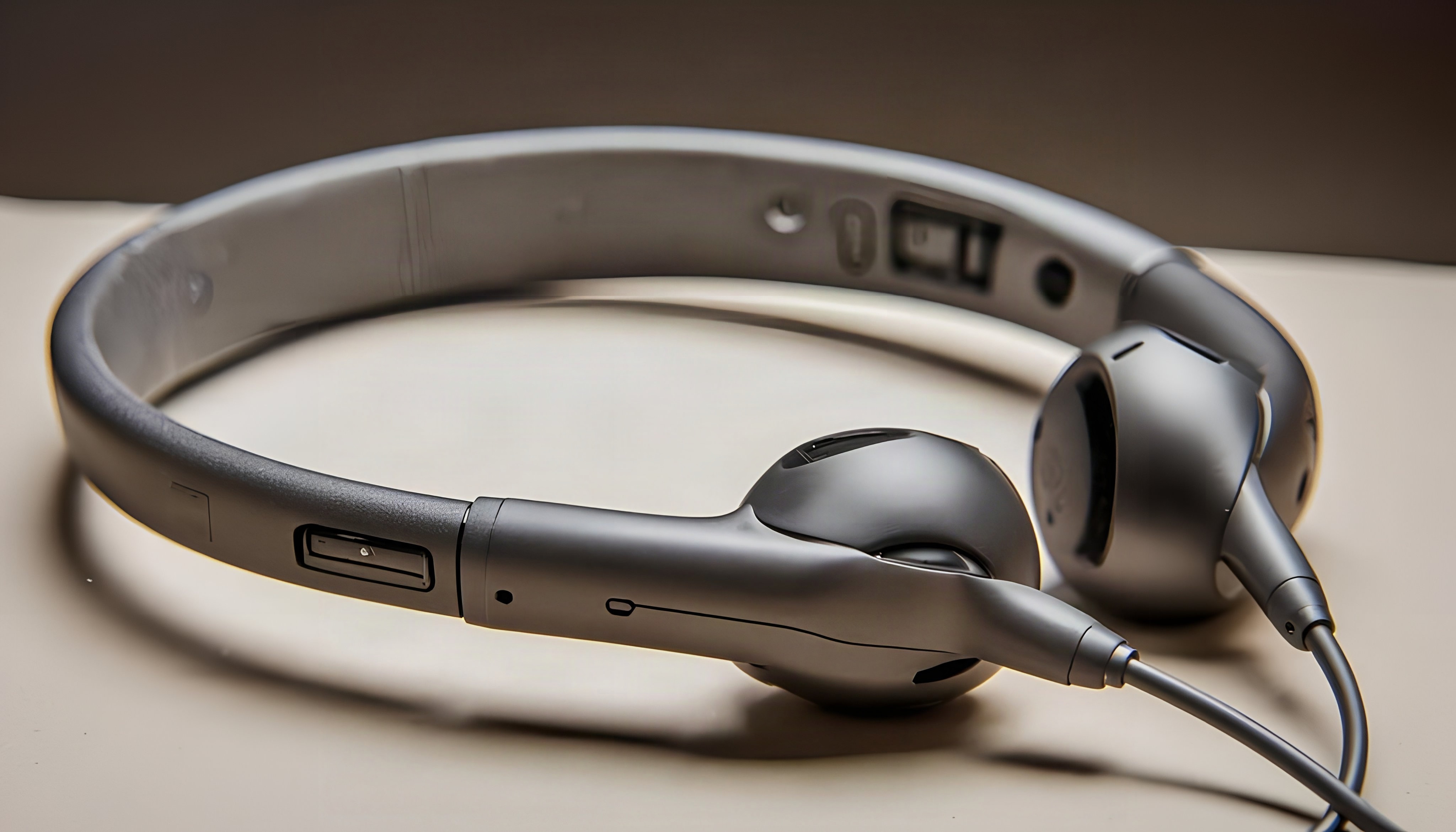
Wireless Earbuds Vs Neckband: Which Lasts Longer On A Commute; Photo Credit: iStock
Some Earbuds And Neckband Products You May Like
1. boAt Rockerz 255 Pro+ Bluetooth Neckband
2. OnePlus Bullets Wireless Z2 Neckband
3. Portronics Harmonics Z7 Bluetooth In-Ear Neckband
4. Sony WI-C100 Wireless Neckband
5. Noise Buds VS601 True Wireless Earbuds
6. realme Earbuds Air 7 True Wireless Earbuds
7. JBL Wave Beam 2 True Wireless Earbuds
8. Mivi DuoPods Marathon Wireless Earbuds
Most true wireless earbuds arrive with a charging case too, and that case holds additional energy, plus it can top up the earbuds multiple times over the day. Most wireless earbuds deliver 4 to 10 hours of playback on a single charge, depending on the model, volume level, and whether features like Active Noise Cancellation (ANC) are enabled. Shop now on Amazon
Frequently Asked Questions (FAQs)
1. Do neckbands really last longer than earbuds on paper?
Yes, in most cases. The physical space inside a neckband allows for a bigger battery than what two small earpieces can hold, so the raw hour count is usually higher.
2. Can I charge earbuds while commuting?
Some cases support quick top-ups through a power bank if you're carrying one, but earbuds themselves can't usually be charged while sitting in your ears, so timing your case charge matters more.
3. Does turning off ANC actually help battery last through a commute?
It does, quite noticeably. Switching to normal mode instead of ANC on a noisy route can add a couple of extra hours to either format.
4. Are neckbands more comfortable for long commutes than earbuds?
For standing commutes with a lot of movement, many people find neckbands stay in place better, though the choice really comes down to personal preference and ear shape.
5. Is Bluetooth 5.3 better for battery life during a commute?
Generally yes. Newer Bluetooth versions like 5.3 handle reconnections more efficiently, which matters a lot during commutes with frequent signal drops in tunnels or crowded areas.
(Disclaimer: This article may include references to or features of products and services made available through affiliate marketing campaigns. NDTV Convergence Limited (“NDTV”) strives to maintain editorial independence while participating in such campaigns. NDTV does not assume responsibility for the performance or claims of any featured products or services.)