Group Trips Can Get Expensive Fast. Here Is How To Actually Save Money
Planning a group getaway? Discover practical ways to save money on a group vacation, from booking shared accommodation and cooking meals to travelling off-peak and splitting costs wisely.
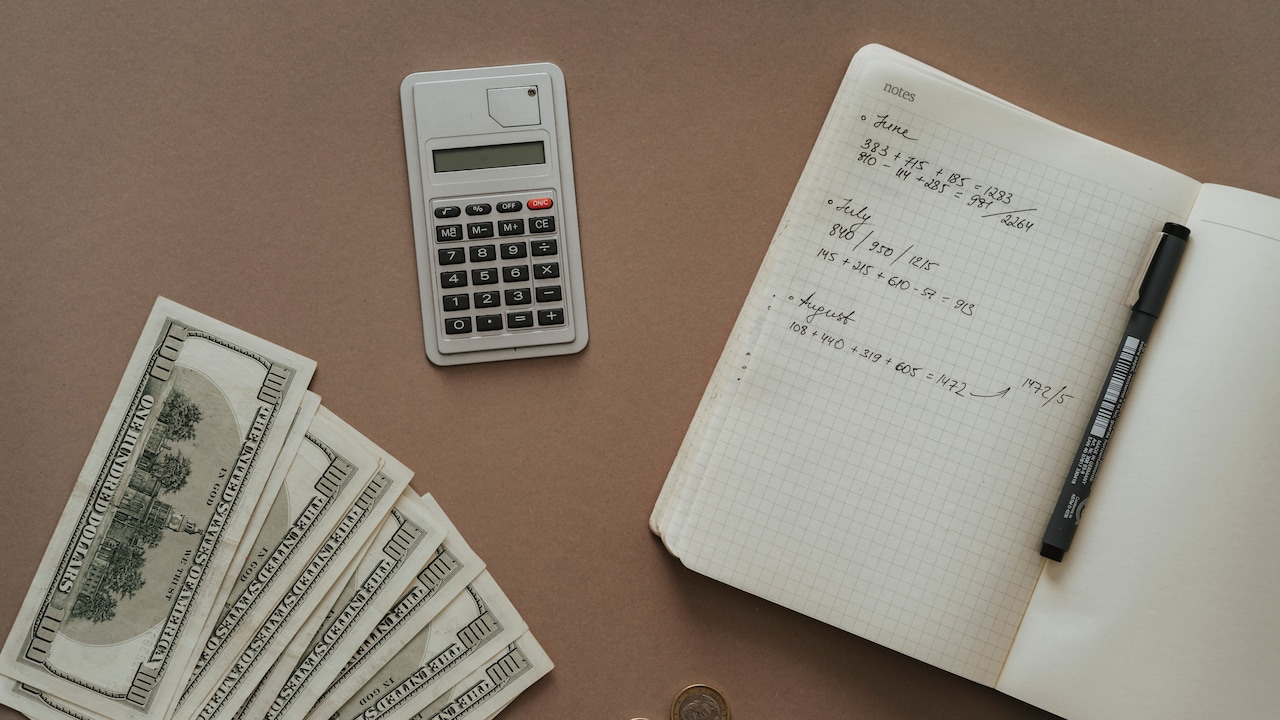
Smart planning allows travellers to enjoy a memorable group vacation without overspending.
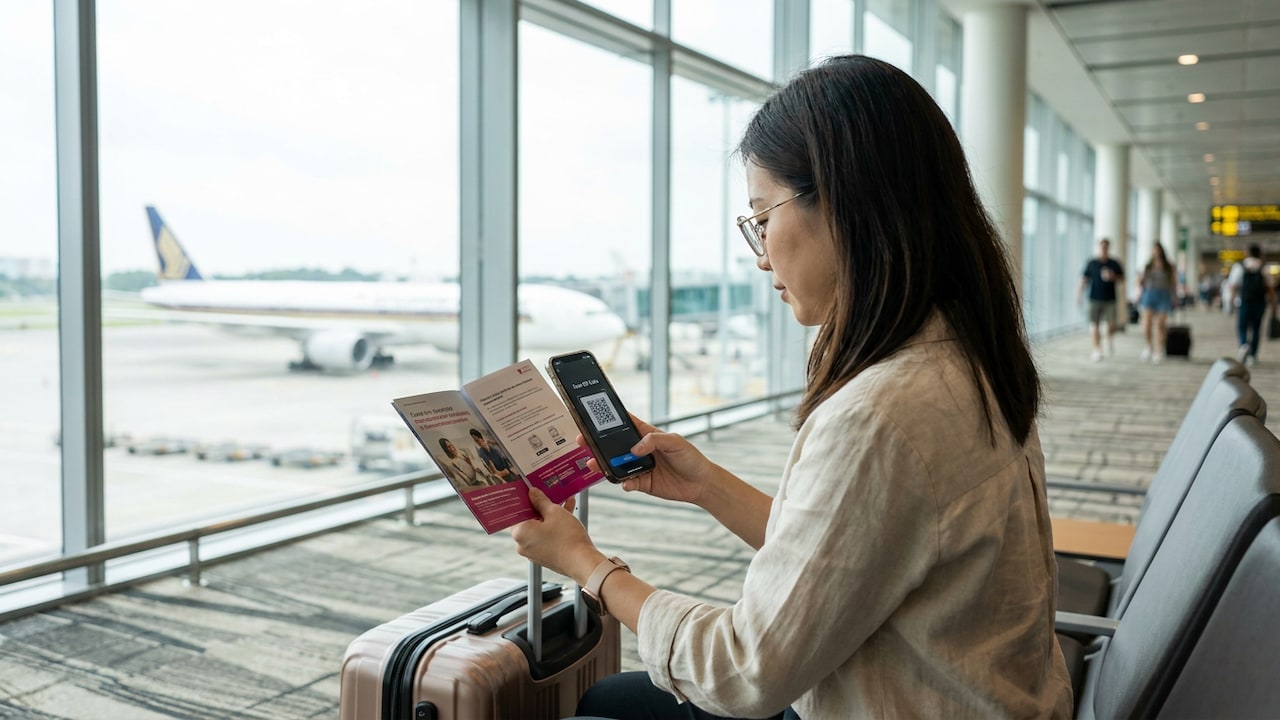
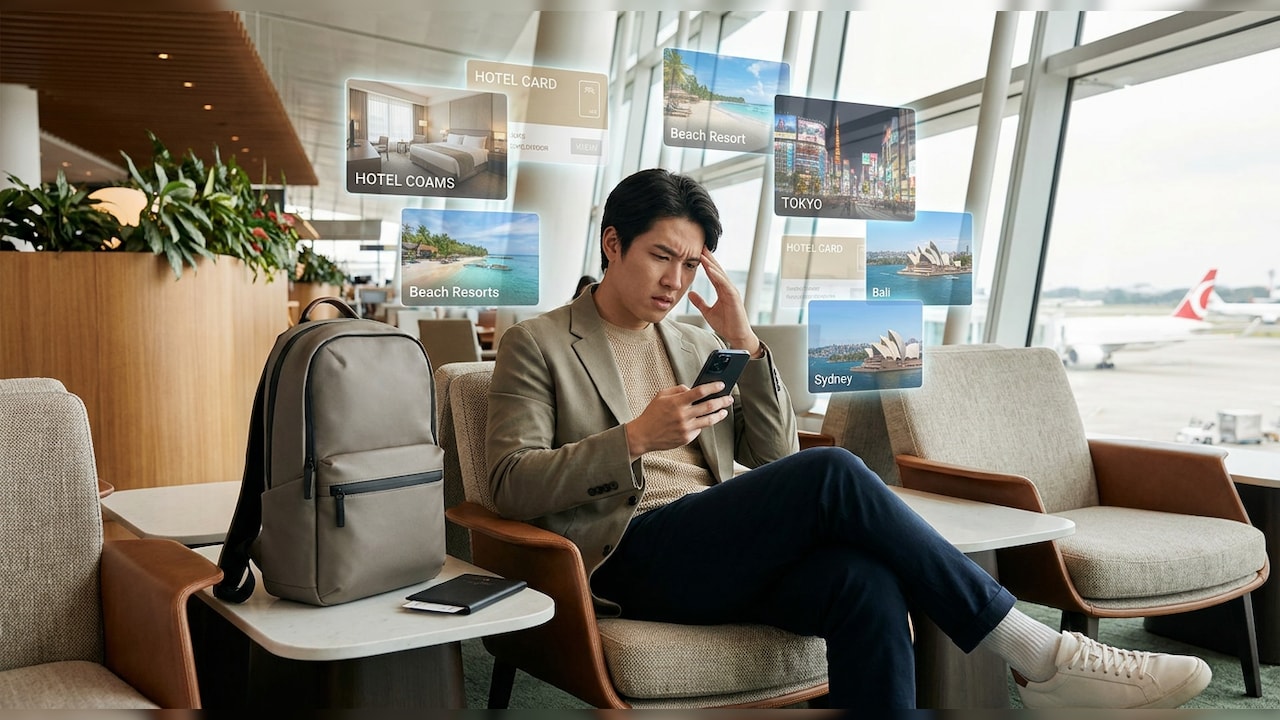
Group vacations are often sold as the budget-friendly way to travel. The logic seems simple: more people means shared costs, lower expenses, and better value for money. However, in reality, the opposite can happen. A trip that starts with the intention of saving money can quickly become expensive once you add multiple flight bookings, hotel rooms, transportation, restaurant meals, and activity costs. The larger the group, the more complicated the logistics become. Before long, what looked like an affordable getaway in theory can end up costing more than expected in real life.

Group vacations can save money, but only when costs are planned and shared strategically.
Photo Credit: Pexels
The good news is that group travel can still be one of the most cost-effective ways to take a vacation. The secret lies in knowing where to save and where to spend. A few practical decisions during the planning stage can significantly reduce costs while making the trip more comfortable for everyone involved.
Here are some of the best ways to save money on a group vacation.
Also Read: 5 Essential Tips For Booking Family Hotel Stays
1. Skip Multiple Hotel Rooms And Book A Shared Vacation Home Instead
Accommodation is usually one of the biggest expenses on any trip. When travelling as a group, many people automatically start searching for hotel rooms. However, booking three, four, or five separate rooms can quickly stretch the budget, especially in popular destinations during peak seasons.
A vacation home or apartment often works out better for groups. Instead of paying for multiple rooms, travellers can share a larger property and split the overall cost. Families can share bedrooms, children can stay together, and common living areas provide additional sleeping space when needed. In many cases, a living room can comfortably accommodate extra guests, reducing the need for another room altogether.
Beyond the financial savings, having everyone under one roof can make the trip more enjoyable. Whether it's a family reunion, a friends' getaway, or a multi-generational holiday, shared spaces naturally create more opportunities to spend time together.
2. Cook A Few Meals Instead Of Eating Out Every Day

Cooking a few meals during the trip helps reduce overall food expenses
Photo Credit: Pexels
Dining out is part of the holiday experience, but it can also become one of the biggest drains on a travel budget. For large groups, even a casual breakfast or lunch can add up quickly. Add coffees, snacks, soft drinks, and dinners, and food expenses can rival accommodation costs by the end of the trip.
One simple solution is to balance restaurant meals with home-cooked ones. A grocery run at the beginning of the trip can cover breakfasts, snacks, and a few dinners. Something as simple as making sandwiches before heading out for the day or cooking pasta for dinner can save a considerable amount over the course of a week.
This approach is particularly useful for families with children, travellers with dietary preferences, or groups planning longer stays. After several days of eating out, having access to a proper kitchen often feels like a luxury rather than a compromise.
The goal isn't to avoid restaurants entirely. It's to reserve dining out for experiences that are genuinely worth it.
3. Stay Longer Instead Of Booking A Quick Overnight Trip
Many travellers assume a shorter trip automatically means spending less money. In reality, one-night or two-night getaways can be surprisingly expensive.
Transportation costs remain largely the same whether you stay for two nights or five. The fuel, flights, airport transfers, and planning effort don't change significantly. In some cases, a longer stay can actually provide better overall value because fixed costs are spread across more days.
If you're already paying to reach a destination, it often makes sense to maximise the time you're there. A longer stay also creates opportunities to slow down. Rather than rushing through activities and relying on expensive convenience purchases, travellers have more flexibility to cook meals, explore nearby attractions, and enjoy the destination at a relaxed pace.
4. Travel During Off-Peak Seasons
Timing can have a dramatic impact on the cost of a group vacation. Travelling during school holidays, long weekends, and major holiday periods often means paying premium prices across the board. Flights become more expensive, accommodation gets booked quickly, and attractions are usually more crowded.
Travelling during off-peak or shoulder seasons can deliver savings in multiple areas at once. Accommodation rates are often lower, there is more choice available, and travellers can avoid some of the congestion that comes with peak tourist periods. Even shifting a trip by a week or two can sometimes make a noticeable difference to the budget.
The bonus is that the travel experience itself often improves. Less crowded destinations can mean shorter queues, easier reservations, and a more relaxed atmosphere.
5. Share Transportation Costs
Transport is another area where group travellers can save significantly. Instead of everyone arranging separate transfers, ride-sharing services, or rental cars, groups can coordinate transportation and divide the expense.
For road trips, sharing fuel and toll costs can dramatically reduce per-person spending. At destinations where public transport is limited, one larger vehicle can often make more financial sense than multiple smaller bookings.
The larger the group, the more important transportation planning becomes. Making these decisions in advance can help avoid costly last-minute arrangements.
6. Create A Budget Before The Trip Begins
Money conversations are rarely exciting, but they're essential for successful group travel. One of the easiest ways to overspend is when every member of the group has a different expectation of the budget. Some travellers may want luxury experiences while others prefer a more affordable itinerary.
Having a clear discussion before booking anything can help avoid surprises later. Decide how accommodation, transportation, food, and activity costs will be managed. Many groups also find it useful to set aside a shared budget for common expenses.
A little planning upfront can prevent confusion and make the trip far more enjoyable for everyone involved.
The Right Accommodation Can Help You Save In Multiple Ways

Vacation Home Rentals From Vrbo
Photo Credit: Vrbo
One of the biggest mistakes travellers make is evaluating accommodation based only on its nightly price.
The right property can influence almost every other part of a travel budget. Access to a kitchen can reduce food costs. Shared living spaces can eliminate the need for multiple hotel rooms. Larger properties can accommodate more people comfortably, making it easier to split costs across the group.
That's one reason many travellers planning group holidays choose platforms like Vrbo. Rather than booking several separate hotel rooms, groups can find entire vacation homes that offer multiple bedrooms, communal spaces, and fully equipped kitchens. These features support many of the money-saving strategies that make group travel more affordable, while also giving travellers more space to relax and spend time together.
At the end of the day, saving money on a group vacation isn't about cutting corners. It's about making smarter choices. With the right planning, travellers can enjoy the benefits of travelling together while keeping costs under control and creating a trip that's memorable for all the right reasons. Explore Vrbo today.
Frequently Asked Questions (FAQs)
1. What is the cheapest way to plan a group vacation?
The cheapest way to plan a group vacation is to share accommodation, split transportation costs, cook some meals, and travel during off-peak periods when rates are generally lower.
2. How can large groups save money on accommodation?
Large groups can save money by booking a shared vacation home or apartment instead of multiple hotel rooms, allowing travellers to split costs and share amenities.
3. Is it cheaper to cook during a vacation?
Yes. Preparing some meals at your accommodation can significantly reduce food expenses, especially for families and larger groups travelling together.
4. Does travelling during off-peak seasons save money?
Travelling during off-peak or shoulder seasons often results in lower accommodation rates, better availability, and fewer crowds compared to peak travel periods.
5. Why are group vacations considered cost-effective?
Group vacations allow travellers to share expenses such as accommodation, transportation, groceries, and certain activities, helping reduce the overall cost per person.
(Disclaimer: This article may include references to or features of products and services made available through affiliate marketing campaigns. NDTV Convergence Limited (“NDTV”) strives to maintain editorial independence while participating in such campaigns. NDTV does not assume responsibility for the performance or claims of any featured products or services.)