What To Do If Your Bag Doesn't Fit Airline Cabin Size Rules
Worried your cabin bag doesn't meet airline size rules? Learn how to avoid baggage fees and discover the best travel accessories on Amazon for stress-free travel.
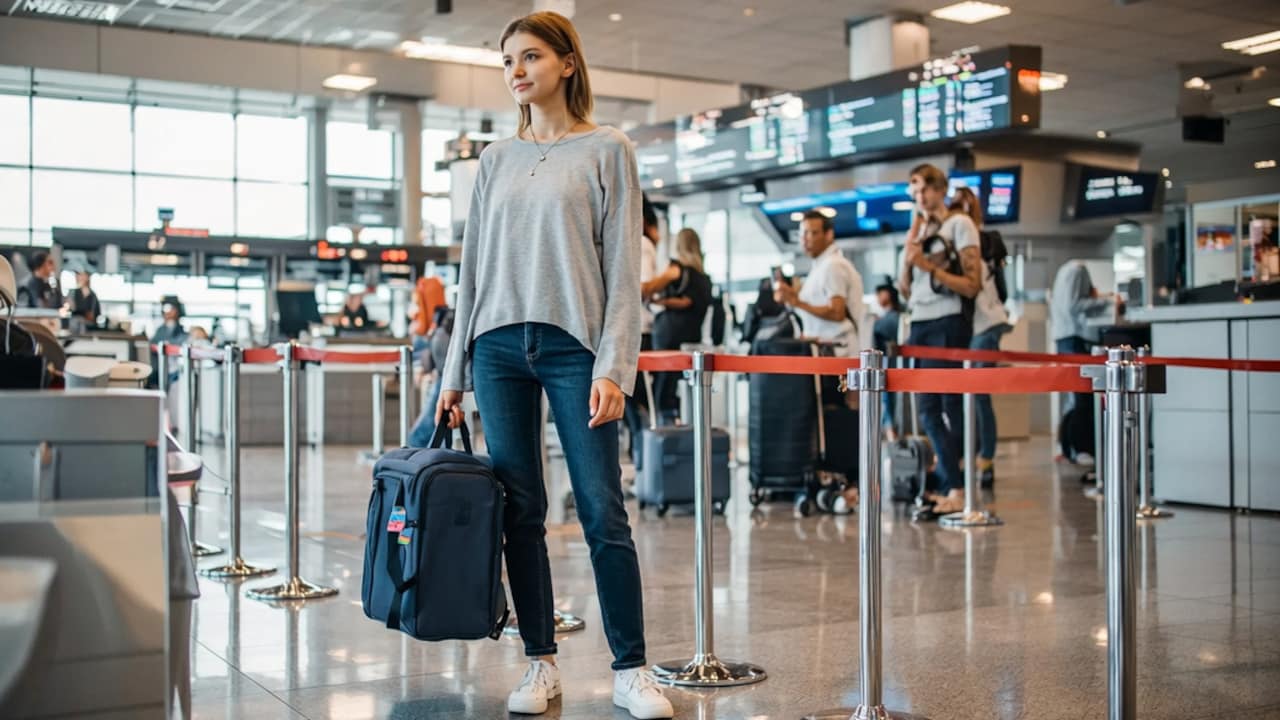
What To Do If Your Bag Doesn't Fit Airline Cabin Size Rules
Travel gets stressful the minute you find out your cabin bag may not be the right size for your airline. Usually when you are at the check-in counter or at the boarding gate, the staff asks you to put your bag in the baggage sizer. If you can't fit it in, you may have to check it in and pay extra charges. Each airline has its own cabin baggage size and weight rules, so it's important to check the guidelines before you pack.
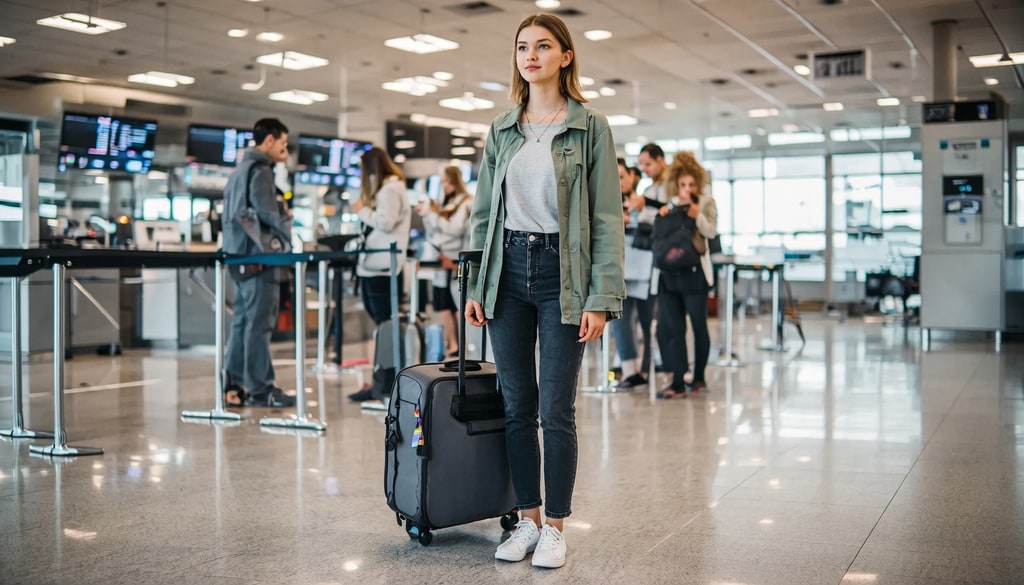
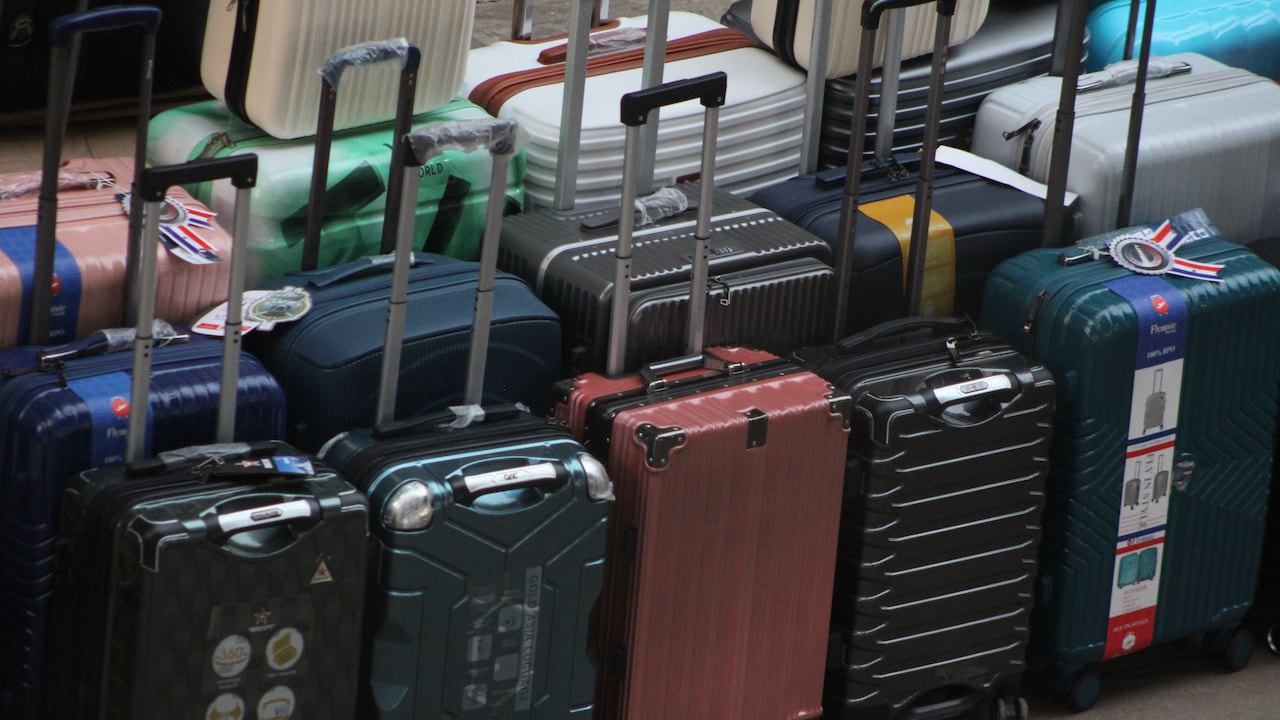
Avoid unexpected baggage fees by choosing cabin bags that meet strict airline size regulations.
Photo Credit: iStock
The good news is that oftentimes this can be avoided. A handful of clever packing tips, the right travel accessories and a little bit of prep before you leave home can help you avoid unnecessary fees and have a better airport experience. Knowing what to do before, during and after you find your bag is too big can save you time and money.
Why Doesn't Your Cabin Bag Meet Airline Size Rules?
All airlines have their own cabin baggage policy. Many have similar dimensions, but the actual measurements and weight limits can vary. Budget airlines usually have stricter rules than full-service airlines, especially in busy travel periods. Before you travel, always check your airline's current baggage allowance, as policies can change.
Sometimes the problem is not the suitcase itself but how it has been packed. A soft travel backpack can expand well beyond its intended dimensions once it is filled with clothes, shoes and souvenirs. Even hard-shell cabin suitcases may exceed the allowed depth if items are packed tightly.
The other common problem is weight. If your bag fits in the measuring frame at the airline, you may still be charged extra if you are over the weight limit.
What to Do Before Leaving for the Airport?
The best way to avoid surprises is to measure your luggage at home. When your bag is full, measure the height, width and depth with a tape measure. The dimensions provided by the manufacturer are not to be trusted, as they are generally for the unfilled bag.
Weigh your luggage using a portable digital luggage scale. This small accessory costs very little but can save you from paying unexpected baggage fees at the airport. Many experienced travellers consider it one of the most useful travel accessories to own.
If your bag looks slightly overfilled, remove bulky clothing and wear heavier items such as jackets or hoodies while travelling. You can also move smaller items into your personal bag if your airline allows one.
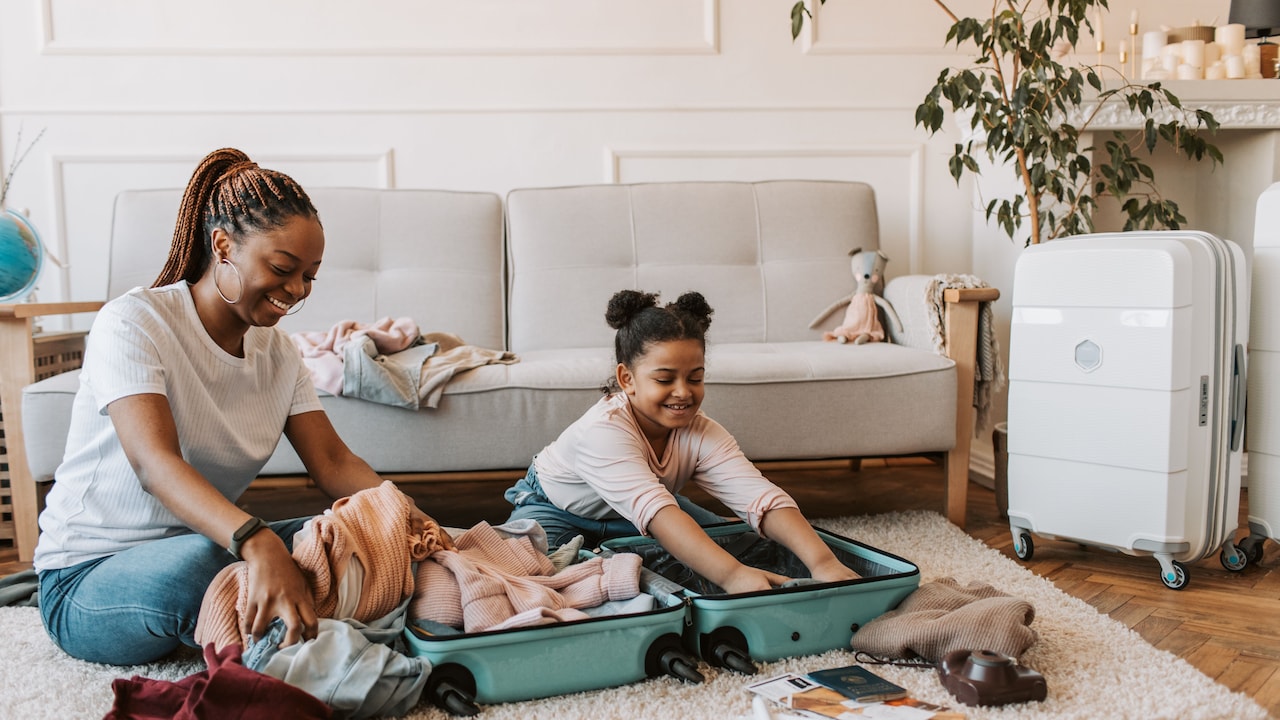
Packing cubes are another easy fix. They will sort your clothes and compress them a little, enabling you to make the best use of available space without overstuffing your cabin bag. Compression cubes are frequently recommended by frequent travellers as a way to pack more efficiently and reduce clutter.
What To Do If Your Bag Is Too Big At The Airport
Tip 1: Remove Bulky Items
If airline staff ask you to place your bag inside the baggage sizer and it doesn't fit, stay calm. Remove jackets, travel pillows, books or other bulky items and carry them separately if permitted. Even removing one or two larger items may allow your bag to fit comfortably.
Tip 2: Compress Soft Bags
Soft backpacks are often a little smaller due to compression straps. If your backpack has adjustable straps, tighten the straps and try the baggage sizer again. Travellers often say that if you gently compress a soft bag, it helps it to fit into the airline measuring frames.
Tip 3: Rearrange Your Packing
Place heavy objects like chargers, shoes or toiletries toward the middle of the bag. Distribute the contents evenly to reduce bulging around the edges and improve the overall shape of your luggage.
Ways To Avoid Cabin Baggage Problems On Future Trips
Tip 1: Pick an Airline-Friendly Cabin Bag
Not all suitcases are made to the airline size limit. When you buy a new bag, check to make sure the size fits with the airlines you fly most often. A light cabin suitcase also allows you more room within the weight allowance.
Tip 2: Pack Light
It is tempting to bring a change of clothes or “just in case” items, but they quickly take up valuable space. Prepare a packing list before your trip and stick to it. Rolling clothes instead of folding them can also help maximise the room available.
Tip 3: Leave Room For Your Return Trip
Many travellers should be reminded that shopping on holiday means they will have more to carry home. Leaving around 15 to 20 per cent of your bag empty gives you room for souvenirs or gifts without exceeding the cabin limit.
Tip 4: Read The Baggage Policy Of The Airline
Don't assume that all airlines have the same cabin baggage rules. Even if your bag was accepted on your last flight, another airline may have different size or weight restrictions. Take a few minutes to check the policy before you travel to avoid unexpected charges later.
Common Cabin Baggage Mistakes To Avoid
1. Ignoring Weight Limits
Many people only think about the measurements of their cabin bag and forget the weight allowance. A perfect weight bag can be rejected if it doesn't fit the bill.
2. Overstuffing Soft Bags
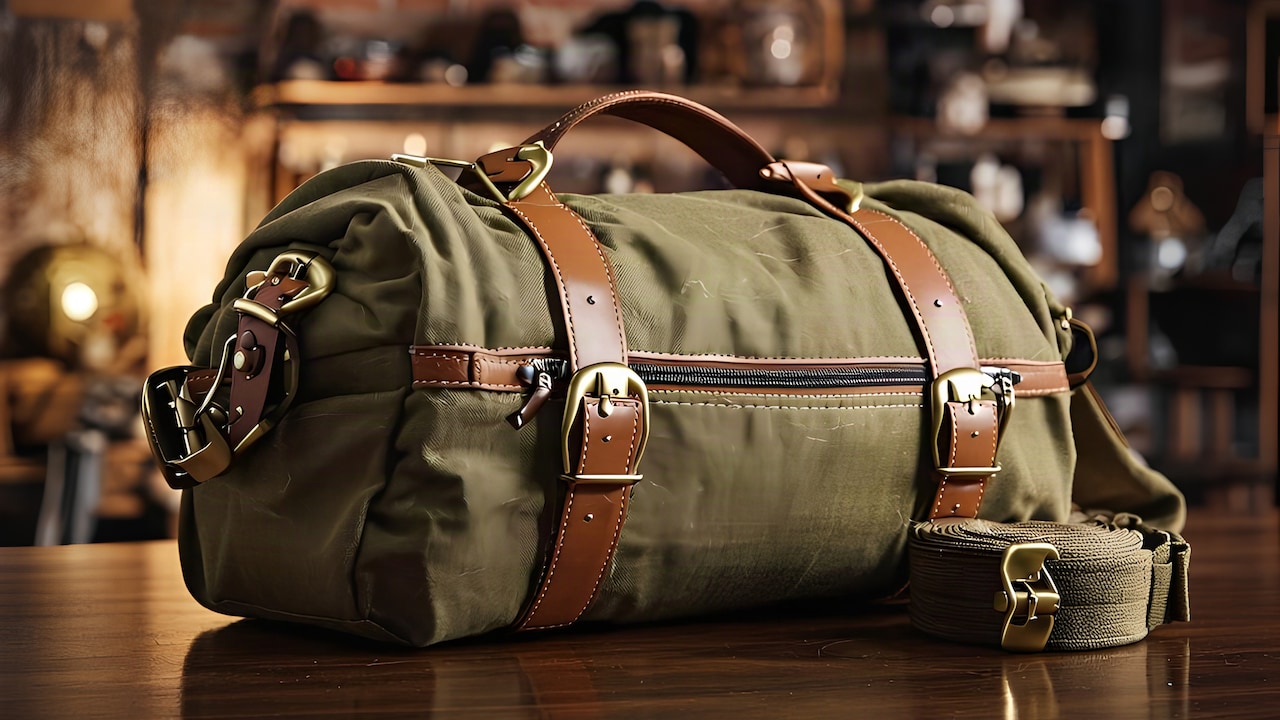
Stuff a duffel bag or backpack full, and it expands. The listed dimensions should be in line with airline policies, but an over-stuffed bag can be too bulky for the baggage sizer.
3. Overloading on Liquids
Large toiletries don't just take up space; they can also cause issues during airport security checks. Travel-size bottles are easier to pack and are lighter.
iStock
Best Travel Products To Buy On Amazon India
1. Kenneth Cole Faux Leather Duffle Bag for Travel
2. TRAVALATE Travel Duffle Luggage Bag Organizer
3. Fur Jaden Weekender Premium Duffle Bag
4. MOKOBARA Transit Backpack
5. SWISS MILITARY Astral Soft Overnighter Trolley Bag
6. Assembly Rover 20-inch Cabin Trolley Bag
7. MOKOBARA Aisle Trunk Cabin Luggage Trolley Bag
8. HARISSONS Sleek Cabin Trolley
If your bag doesn't fit an airline's cabin size rules, don't panic. Start by checking whether the bag can be compressed by removing bulky items, wearing heavier clothing, or rearranging your belongings. If it still exceeds the allowed dimensions, you may need to check it in and pay any applicable baggage fees. To avoid last-minute stress in the future, always review your airline's baggage policy before travelling and consider using a cabin-size suitcase designed to meet most airline requirements. A little planning can save you time, money, and unnecessary airport hassles. Shop now on Amazon.
Frequently Asked Questions (FAQs)
1. What happens if my cabin bag is too big?
If your bag were bigger than the cabin size allowed by your airline, you would be asked to pack it into the aircraft hold space with a luggage fee.
2. Can I move some stuff from my cabin bag to my personal bag?
Yes. If you could take both your cabin and personal baggage, you could put small things into your personal baggage.
3. Do all airlines have the same cabin baggage policies?
No. Policies differ from one airline to another, so always check the latest policy.
4. Hard shell suitcase or soft suitcase as hand luggage?
Hard-shell suitcases give your baggage more protection than soft suitcases, but soft suitcases are more flexible and lighter in weight.
5. How often should I measure my cabin bag?
Always measure and weigh your cabin bag before flying, particularly when you have bought a new bag or changed your airline.
(Disclaimer: This article may include references to or features of products and services made available through affiliate marketing campaigns. NDTV Convergence Limited (“NDTV”) strives to maintain editorial independence while participating in such campaigns. NDTV does not assume responsibility for the performance or claims of any featured products or services.)