How To Choose Waterproof Bags For Daily Monsoon Commute
Confused about picking the right waterproof bag for the monsoon? Here are practical tips to choose the best bag for your daily commute this rainy season.
How To Choose Waterproof Bags For Daily Monsoon Commute
The monsoon season can catch even the most prepared commuters off guard. One wet morning is all it takes to ruin a laptop, seep through important documents, or soak everything in a bag that looked fine the day before. And yet most people still tend to choose bags by looks alone, with little thought to how well they actually hold up in the rain. A waterproof bag is essential during the monsoon months. However, with a wide range of options available, including backpacks, tote bags, and more, understanding what to consider before making a purchase can significantly impact your decision. Are you looking to purchase a high-quality bag for the rainy season? Here are the important things that you should check before making your choice.
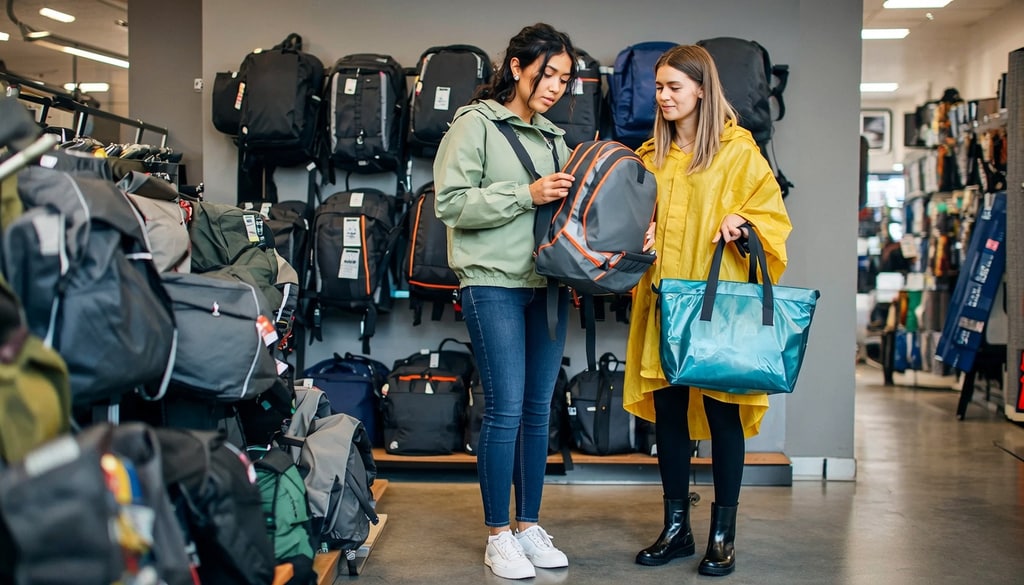
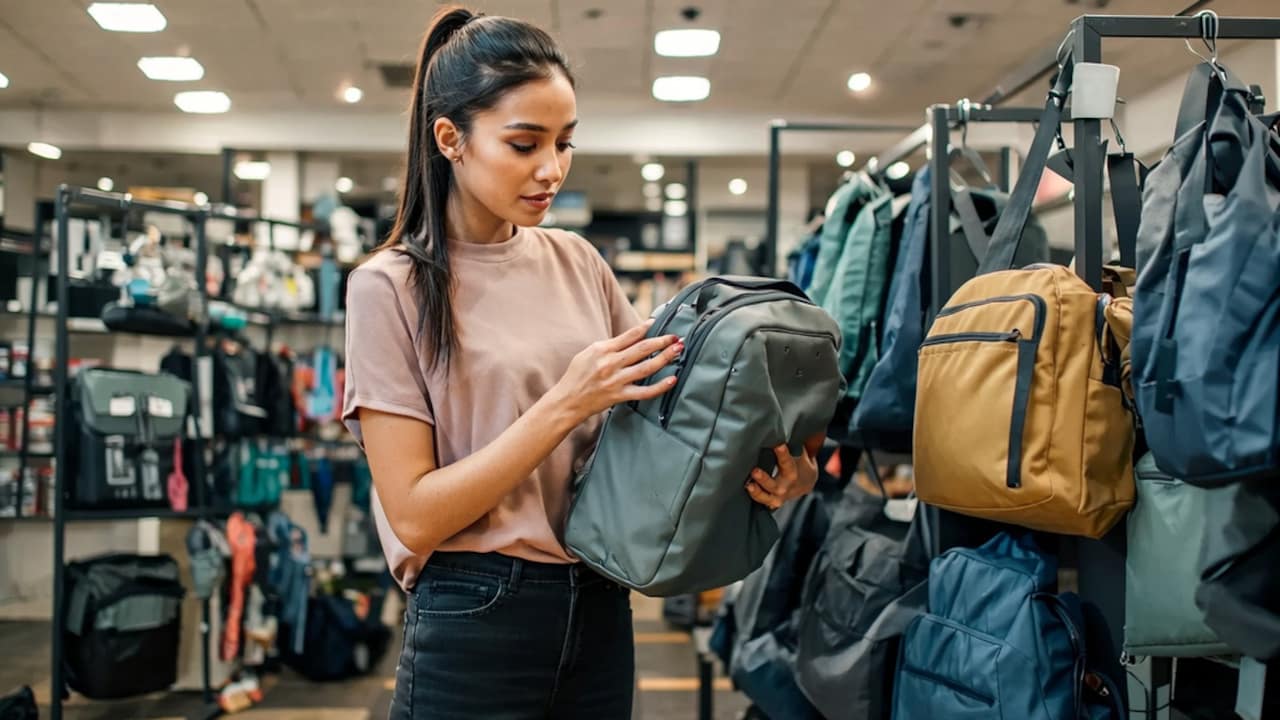
Find the perfect waterproof bag for your rainy season daily commute with these tips; Photo Credit: iStock
Also Read: 5 Best Tote Bags For Summer Travel Under ₹1000
What Makes A Bag Truly Waterproof
Not all bags that say they are waterproof actually are when the rain starts falling. Water-resistant and waterproof are two very different things, and the difference matters when you're caught in a downpour trying to keep your stuff dry.
1. Water-Resistant vs Waterproof: Know The Difference
Light rain won't be an issue for water-resistant bags, but they're not designed for long periods of heavy rain. Waterproof bags, by contrast, are sealed at the seams, made of coated fabric, and roll-top or zippered to keep all moisture out. If you have long walks to work or use public transport during the monsoon, you will want a really waterproof bag, rather than one that can only repel light splashes.
2. Key Materials To Look For In A Waterproof Bag
It makes a huge difference what your bag is made of in terms of how well it will handle the rain. The most reliable options are PVC-coated nylon, TPU laminate, and ripstop nylon with a DWR (durable water repellent) coating. Bags made with these materials usually have a water-repellent surface, which prevents water from slowly soaking through. Also, beware of taped or welded seams, as stitching without proper sealing can let water in even through a technically waterproof outer layer.
Why A Waterproof Bag Matters During Monsoon
A waterproof bag does far more than keep out the rain. It protects valuables from abrupt weather changes and contributes to peace of mind all day long.
1. Safeguards Electronics and Documents
People carry laptops, tablets, phones, chargers, notebooks, and paperwork on their daily commute. A waterproof bag forms a moisture barrier, shielding these essentials from damage.
2. Lessens daily stress
Suddenly heavy rain? You won't have to rush for shelter or worry about your belongings. A reliable waterproof bag will let you travel without worry.
How To Choose A Waterproof Bag Based On Your Commute Type
It really depends on how much you travel daily for the right waterproof bag. A person walking to work, taking a metro, or riding a two-wheeler has very different needs than someone driving a car or riding a cycle on busy city roads in the rain.
1. Best Options For Those Who Walk Or Use Public Transport
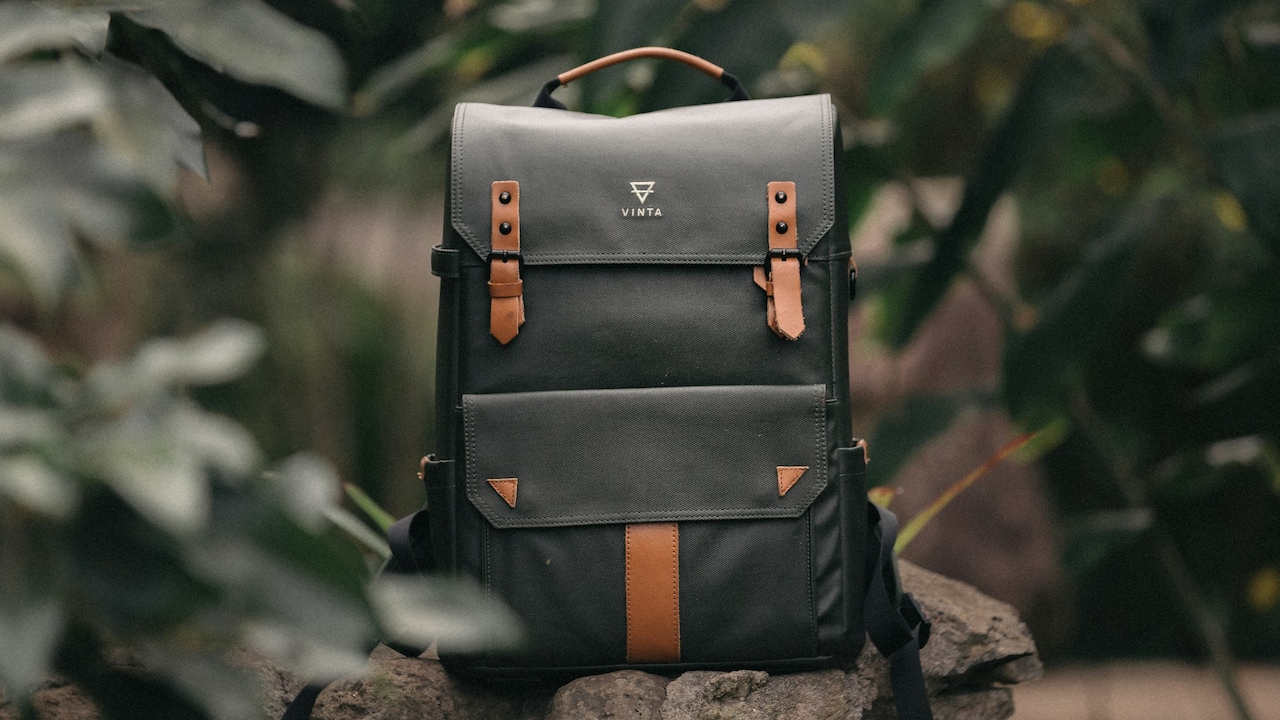
If you walk a lot or spend a lot of time standing on crowded buses and trains to get to work, a waterproof backpack with padded shoulder straps and a roll-top closure tends to work brilliantly. Roll-top designs work well because they create a nearly airtight seal when properly closed. Also look for a bag with a front grab handle, which makes it easier to carry in tight spaces. Another excellent option is a bag with a built-in rain cover, if you already have a regular backpack but want a bit of monsoon protection without buying something entirely new.
2. What To Carry If You Commute By Two-Wheeler Or Cycle
The monsoon is the worst time for two-wheeler riders and cyclists as the rain lashes them from all sides. A fully sealed dry bag, or a pannier-style waterproof bag that securely attaches to the back of a cycle or scooter, is perfect here. Opt for a backpack with a sternum strap and waist belt to keep it in place even when splashed or if you come to a sudden stop. Look also for reflective detailing on the bag, as your visibility in heavy rain drops off considerably.
Practical Features That Actually Matter During The Monsoon
Aside from the waterproofing itself, there are several practical features worth looking into that can make your daily commute a lot less stressful when the monsoon is at its worst.
1. Zips, Closures, And Sealing Mechanisms
Water-resistant zips or YKK Aquaguard zips or coil zips with storm flaps help keep moisture out of your bag. Water gets into most metal or plastic zips fairly quickly under steady rain. If you are buying a bag with zipped compartments, check if the zips have protective flaps over them. Roll-top closures with buckle clasps are still the gold standard for monsoon use.
2. Interior Organisation And Protection For Gadgets
A waterproof outer layer helps, but equally important is smart interior organisation. Choose a bag with a dedicated padded laptop sleeve, ideally one that sits away from the bottom of the bag, where water can sometimes collect if the bag is dropped on a wet surface. Separate pockets for your water bottle, documents, and daily essentials ensure that everything stays dry and accessible. Some bags have an internal pocket lined with silicone or rubber to hold wet items or an umbrella that's been rained on, a genuinely useful feature for the monsoon months.
How To Choose The Right Style For Your Commute
The best waterproof bag should suit both your practical needs and personal style.
1. Backpack For Maximum Convenience
One of the most common choices for people who commute every day is a backpack. When you're walking through crowded places or using public transportation, they distribute your weight equally and liberate your hands.
2. Tote Bags For Professional Settings
Stylish-looking waterproof tote bags will keep your stuff safe from the weather. They are particularly popular with professionals who like to look neat.
3. Messenger Bags For Easy Access
Messenger Bags – Perfect for short trips and quick access to essentials. Just be sure that it has secure closures and is made of waterproof material.
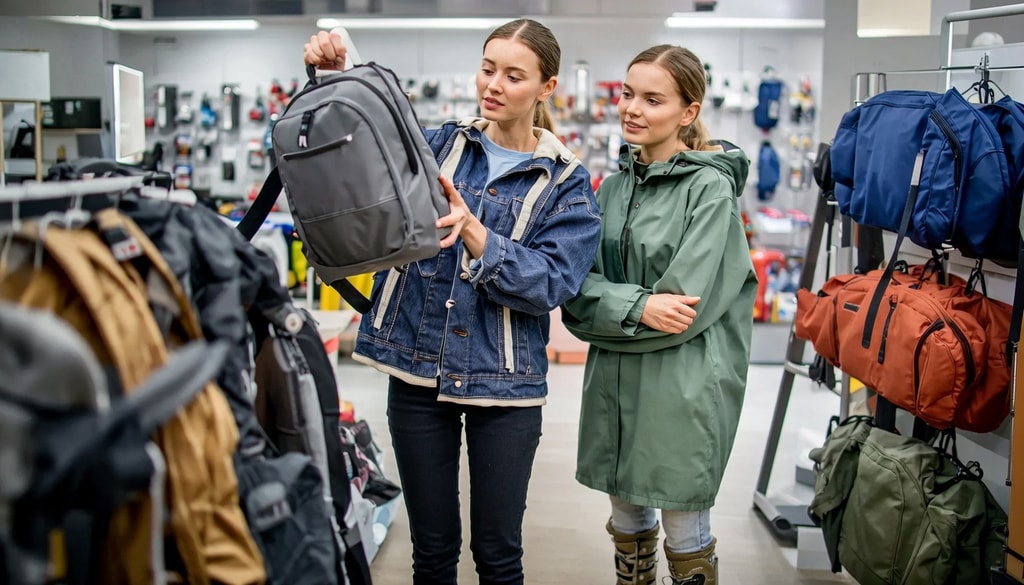
Select the right waterproof commuter bag this monsoon using our practical selection guide tips; Photo Credit: iStock
Waterproof Bag Options You May Like
1. uppercase 14L Omega 03 Professional Laptop Messenger Bag
2. Impulse Laptop Bag for Men & Women | Waterproof Office Laptop Backpack
3. Half Moon 30L Laptop Backpack for Boys & Girls School Bag
4. Lunar's Hammer Unisex 50L Laptop Bag
5. Waterproof Dry Bag with Phone Case
6. Martucci Pro 35L Spacious Lightweight Casual Waterproof 17 Inch Laptop Backpack
7. Foldable Waterproof Travel Tote Bag for Women
8. Nylon Duffle Bag for Travelling
Whether for monsoon or travel, a good waterproof bag protects more than just your gadgets — it saves documents, clothes, and peace of mind from sudden downpours. Look for sealed zippers, welded seams, and the right capacity — dry sacks for treks, backpacks for daily commute, and sling pouches for quick errands. Shop now on Amazon
Frequently Asked Questions (FAQs)
1. Are waterproof bags completely safe for laptops in heavy rain?
Most truly waterproof bags, with sealed seams and proper closures, will keep a laptop dry through torrential monsoon rain. Keeping your laptop in a padded, water-resistant sleeve inside the bag is still a wise idea for a little extra peace of mind.
2. What is the difference between a dry bag and a waterproof backpack?
A dry bag is typically a simple roll-top bag made of heavy-duty waterproof material. The dry bag offers the highest level of protection but is the least organised option. Waterproof backpacks are better organised with ergonomic features for daily use but might offer a little less protection in harsh environments.
3. Can I make my regular bag waterproof for the monsoon?
You can give a fabric bag a temporary water-repellent finish by spraying it with a DWR, or you can slip it under a purpose-made rain cover. However, these are only temporary solutions.
4. How do I care for a waterproof bag to make it last longer?
After muddy or very wet rides, clean the outside with a damp cloth. Do not machine wash unless the manufacturer says it is safe to do so. If the outer surface starts to wet out rather than bead up with water, reapply DWR spray once a season. Leave the bag open or loosely packed so that it can air out completely between uses.
5. What is the best bag closure for heavy monsoons?
Roll-top closures with buckle clasps are widely regarded as the best closure type for heavy rain as they create a watertight seal without the benefit of zips.
(Disclaimer: This article may include references to or features of products and services made available through affiliate marketing campaigns. NDTV Convergence Limited (“NDTV”) strives to maintain editorial independence while participating in such campaigns. NDTV does not assume responsibility for the performance or claims of any featured products or services.)