10 Common Dishwasher Mistakes That Increase Your Electricity and Water Bills
Stop wasting money on dishwasher mistakes. These 10 common myths lead to higher bills, dirty dishes and costly repairs. This is what actually works.
Here are common dishwasher myths that may cost you money in the long run. Know the solution too.
Dishwashers have a funny reputation. Some households treat them like a luxury, others treat them like a complicated science experiment, and many treat them like a backup plan for when guests arrive.
The truth is, a dishwasher is not a magical box that forgives bad habits. It's also not a delicate princess that needs perfect conditions. It's a machine with a simple job: spray hot water, circulate detergent, and remove food from dishes efficiently.
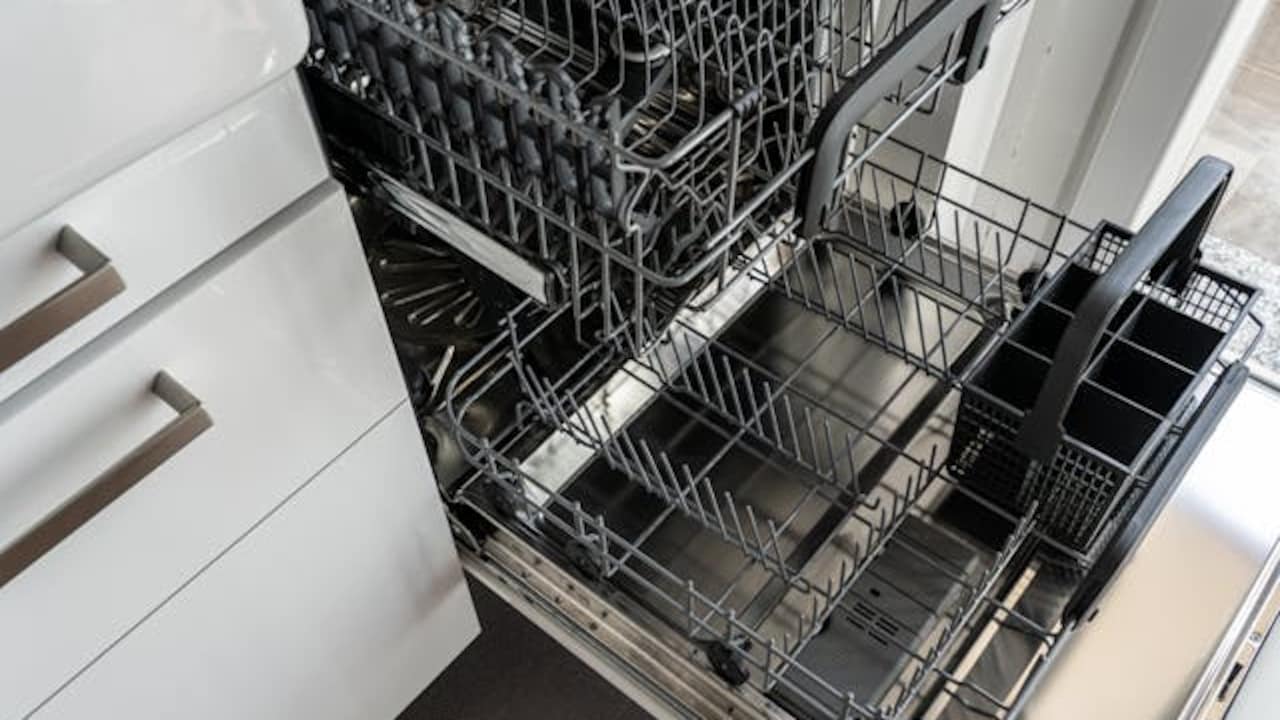
Explore common dishwasher myths that might be costing more money than you think; Photo Credit: Pexels
But myths have a way of sticking. They get passed around like family recipes. Someone's cousin says, “Dishwashers waste water.” A neighbour insists, “You must rinse everything.” A friend warns, “Never put steel inside.” Suddenly, you're loading it like you're defusing a bomb.
Let's fix that. Below are the top 10 dishwasher myths that quietly cost money, shorten appliance life, and make daily use more frustrating than it needs to be.
Also Read: Best Dishwashers That Clean Greasy Utensils Without The Pre-Rinsing Stage
Top 10 Dishwasher Myths That Are Costing You Money: And How to Fix Them
1) Myth: You must pre-rinse dishes until they look clean
This is the biggest money-drainer of them all. Many people treat the sink like a pre-wash station and only then load dishes. It feels hygienic, but it wastes water, time, and often makes the dishwasher work worse.
Dishwashers are designed to handle food particles. Modern detergents also need a little grease and residue to “grab onto.” When you rinse everything spotless, the detergent sometimes has nothing to work against, which can lead to cloudy glasses and that weird, dull finish on steel.
The smart move is simple: scrape, don't rinse. Remove bones, peels, toothpicks, and heavy chunks. That's it. Let the dishwasher do the washing.
Over time, this habit alone can save a noticeable amount of water. It also saves detergent because you won't feel forced to use extra pods or stronger cycles just to compensate for bad results caused by over-rinsing.
2) Myth: Dishwashers waste more water than handwashing
This myth survives because people picture a dishwasher as a waterfall inside a metal box. But in reality, it recirculates water. A typical cycle uses far less water than a long handwashing session where the tap runs while scrubbing.
Think of the usual routine: rinse plates, scrub oily kadai, refill the sink, rinse again, then wash glasses separately because you don't want them smelling like masala. That's a lot of water, and it adds up quickly.
Dishwashers use measured amounts and spray them with force. They also maintain temperature more consistently than handwashing, which improves cleaning.
The money angle comes from two sides: lower water use and lower water-heating costs if your home uses a geyser for hot water. Even if you use cold water while handwashing, most people end up using more time and more water than they realise.
3) Myth: More detergent means cleaner dishes
This is a classic “more is better” trap. It feels logical, but it's wrong, and expensive.
When you overload detergent, the dishwasher can't rinse it properly. The result is that chalky residue on glasses, slippery film on plates, and a strange smell that makes you wonder if the dishwasher is angry with you.
Excess detergent also builds up inside the machine. Over time, it can clog filters, coat spray arms, and reduce performance. That leads to people using even more detergent and stronger cycles. It becomes a costly spiral.
Use what your detergent recommends, and don't treat the dispenser like a storage box. If you use pods, use one. If you use powder, measure it properly. If you use gel, don't pour like you're adding oil to a biryani pot.
The best cleaning comes from correct dosing, good loading, and the right cycle, not from drowning everything in soap.
4) Myth: Eco mode is useless and doesn't clean properly
Eco mode gets unfairly blamed because it's slower. People assume longer equals lazy, and lazy equals dirty dishes. But eco mode works differently: it uses less water and lower temperatures, and it compensates by washing longer.
For daily loads, plates, bowls, glasses, and regular cooking utensils, eco mode usually cleans perfectly well. It also reduces electricity consumption and water use, which is exactly what saves money.
The trick is knowing when not to use it. If you've got heavily burnt kadai, thick, greasy pans, or dishes with dried-on masala after a late-night dinner, a stronger cycle makes sense.
But for most routine washing, eco mode does the job without the heavy energy hit. Using “intensive” for everything is like driving a scooter in first gear everywhere because you like the sound.
Eco mode isn't weak. It's just a patient. And patience often costs less.
5) Myth: You can load dishes any way, as long as they fit
This is where many people accidentally sabotage their own dishwasher. A dishwasher isn't a storage drawer. It's a spray system. If water can't reach a surface, detergent can't clean it.
Common mistakes include stacking plates too tightly, placing bowls inside each other, or blocking the spray arms with a large thali. Another favourite: putting a tall bottle in the corner and wondering why the top rack looks like it went through a dust storm.
Bad loading leads to dirty dishes, which leads to re-washing. And re-washing costs money: more water, more electricity, more detergent, and more frustration.
Give dishes breathing space. Face dirty surfaces toward the centre where the spray is strongest. Keep the bottom rack for heavier items. Keep the top rack for glasses, cups, and lighter bowls.
A properly loaded dishwasher cleans better in one cycle. That's where the savings live.
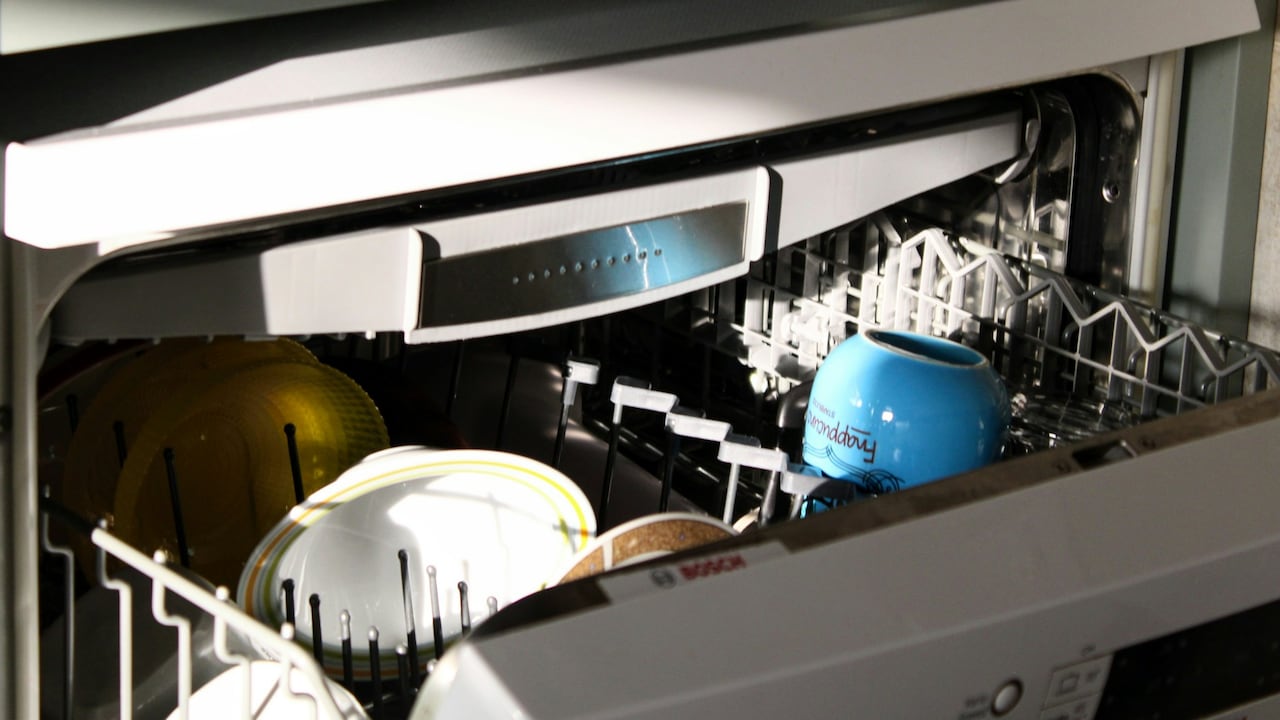
Avoid stacking plates tightly, placing bowls inside each other, or blocking the spray arms with utensils; Photo Credit: Unsplash
6) Myth: Dishwashers ruin steel utensils and cookware
This one causes genuine fear. People hesitate to put steel in the dishwasher because they imagine rust, stains, and dullness.
Most good-quality stainless steel is dishwasher safe. The real issue is mixing items that react with each other or letting food sit too long.
If steel touches aluminium, you can get marks due to a chemical reaction. If you put cheap steel with poor finishing, it may lose its shine faster. If you leave salty, acidic food residue on steel for hours before washing, it can stain.
But the dishwasher itself is not the villain. In fact, it often cleans steel more evenly than hand scrubbing, which can leave scratch marks.
To protect steel, avoid overcrowding, use the right detergent, and don't leave heavily salty food stuck for half a day. With basic care, steel utensils can come out sparkling, and you save time without sacrificing quality.
7) Myth: Only expensive detergent works; everything else is useless
Detergent marketing is powerful. One shiny ad and suddenly, people believe only premium imported pods can clean dishes properly. That belief can quietly drain ₹300–₹800 more every month, depending on usage.
In reality, many affordable dishwasher detergents work well if you use them correctly. The biggest difference comes from water hardness, loading style, and whether you use rinse aid.
If your water is hard, you may need dishwasher salt and rinse aid to prevent spots and film. Without those, even a premium detergent may disappoint.
A practical approach is to test a couple of reliable local brands and find what works with your water. Also, powder detergents can be more cost-effective than pods, especially if you adjust the dosage based on load size.
Good results come from a complete system: detergent + salt (if needed) + rinse aid + correct loading. Not from throwing money at the fanciest box.
8) Myth: You should run the dishwasher half-full to “avoid smell”
This myth makes people waste cycles. Running a dishwasher half-full means you spend the same electricity, the same water, and the same detergent for fewer dishes. That's like paying full auto fare for a trip where you get dropped off halfway.
Smell usually comes from trapped food bits, not from waiting to run a full load. If you scrape plates properly and clean the filter regularly, smell rarely becomes a problem.
Many dishwashers also have a rinse cycle. If you're genuinely worried, use that quick rinse to keep things fresh until you have a full load.
The cost difference is real. If you run half-loads regularly, you may end up doing 6–8 extra cycles a month. Over a year, that can add up to a meaningful amount in water, electricity, and detergent.
The smart habit: run full loads, clean the filter, and don't let food scraps turn into a science project.
9) Myth: Dishwasher maintenance is optional
A dishwasher is not a “fit and forget” appliance. It's more like a mixer grinder, reliable, yes, but it needs basic care.
When people skip maintenance, performance drops. Dishes come out dirty, glasses get cloudy, and the machine starts smelling. Then people blame the dishwasher and start using longer cycles and more detergent. That's money wasted because the real issue is a dirty filter.
Most dishwashers have a removable filter at the bottom. It collects food particles. If you never clean it, it blocks water flow and reduces cleaning power.
Cleaning it takes about two minutes. Remove it, rinse it, scrub lightly, and put it back. Also, check spray arms occasionally for clogged holes.
Regular maintenance improves cleaning, reduces re-washing, and prevents costly repairs. It's not glamorous, but neither is paying ₹6,000 for a service visit because the machine got clogged with rice grains.
10) Myth: Dishwashers can't handle “real cooking” utensils
This myth is especially common in homes where daily cooking involves tadka, masala, oil, and heavy-duty cookware. People assume dishwashers are only for plates and glasses, like a hotel breakfast setup.
But modern dishwashers can handle a lot: kadai, pressure cooker parts (not the lid with electronics), steel plates, serving spoons, and many cooking tools.
The key is using the right cycle and loading correctly. Greasy cookware needs space and the right angle so water hits the surface. Heavily burnt utensils may need soaking or an intensive cycle. But that doesn't mean the dishwasher is useless. It just means it's not a miracle worker.
The money loss comes when people underuse the dishwasher. They wash big items by hand daily, then run the dishwasher only for a few cups and plates. That defeats the purpose and increases water and labour.
Use the dishwasher for what it's built for: the bulk of everyday cleaning. Let your hands rest.
Products Related To This Article
1. Bosch 13 Place Setting, EcoSilence Drive
2. IFB 14 Place Settings with DeepClean
3. Faber 12 Place Settings Dishwasher (FFSD 6PR 12S, Neo Black, Best Suited for Indian Kitchen, Hygiene Wash)
4. MIDEA 8 Place Setting Countertop Dishwasher (MDWTT0802D(B) IN
5. Electrolux 14 Place Settings Dishwasher Machine for Home
Dishwashers don't usually cost money because they're inefficient. They cost money because of the myths people carry into daily use. The “pre-rinse everything” habit, the “extra detergent” belief, the fear of steel, and the refusal to trust eco mode, all of these quietly inflate monthly expenses.
A dishwasher works best when you treat it like a system: scrape food, load properly, use the correct amount of detergent, maintain the filter, and choose the right cycle. Do that, and the machine rewards you with cleaner dishes, less water use, fewer re-washes, and more time in your day.
And honestly, that time is priceless. Especially after a long dinner when the sink is full, the fan is spinning, and the last thing anyone wants is to stand there scrubbing a greasy kadai like it's a punishment for enjoying good food.
(Disclaimer: This article may include references to or features of products and services made available through affiliate marketing campaigns. NDTV Convergence Limited (“NDTV”) strives to maintain editorial independence while participating in such campaigns. NDTV does not assume responsibility for the performance or claims of any featured products or services.)