10 Smart Tips To Use Automatic Roti Makers At Home And Save Cooking Time
Automatic roti makers can save valuable kitchen time, but only when used correctly. Discover ten practical tips to make softer rotis, avoid common mistakes, and turn this appliance into a reliable everyday cooking companion.

Save Cooking Time, Bring These Top 10 Tips To Using Automatic Roti Makers Home.
Few things bring comfort to the dining table like fresh rotis. Their warmth, aroma, and soft texture create the perfect companion for dal, sabzi, or a simple bowl of curd. Yet preparing them every day requires time, patience, and a steady hand. In households where mornings move at lightning speed and evenings feel equally packed, rolling rotis one after another can quickly become exhausting.
Automatic roti makers entered kitchens with the promise of saving time and effort. For many families, they seemed like the perfect answer to the daily roti routine. Press the dough, close the lid, and wait for the magic. At least that was the expectation.
Reality often turns out slightly different. Some people complain that the rotis turn stiff, others say they refuse to puff, and a few quietly push the machine to the back of a cupboard after several failed attempts. The truth is simple: an automatic roti maker works well only when used correctly.
Much like any kitchen appliance, the results depend on small details. Dough texture, heat levels, pressing technique, and even timing influence the final outcome. Once these elements fall into place, the machine becomes a genuine time-saver.
For households balancing office work, school schedules, and evening chores, that extra time matters. Instead of standing at the stove rolling dozens of rotis, dinner preparation becomes calmer and far more manageable.
The following tips explore practical ways to make the most of an automatic roti maker. These ideas come from real kitchen experiences, everyday cooking habits, and simple adjustments that dramatically improve results.

10 Smart Tips To Use Automatic Roti Makers At Home And Save Cooking Time
Photo Credit: Amazon
Smart Ways To Get Perfect Rotis From Your Automatic Roti Maker
1. Perfect The Dough Consistency
Great rotis always begin with the dough. Even the most advanced roti maker cannot fix dough that feels too sticky or too dry. Achieving the right balance creates the foundation for soft and evenly cooked rotis.
The dough should feel soft yet firm enough to hold its shape. When touched, it must feel smooth rather than crumbly. Too much water makes the dough stick to the plates, while very dry dough prevents the roti from spreading properly.
A helpful approach involves adding water slowly while kneading. Instead of pouring a full cup at once, add small splashes and mix thoroughly. This method allows better control over texture.
Many experienced cooks also recommend resting the dough for about fifteen minutes. This short break helps the flour absorb moisture evenly. The result becomes smoother dough that spreads effortlessly inside the machine.
A small spoon of oil during kneading can also improve texture. The dough becomes softer and easier to press.
When the dough feels slightly softer than the type used for hand-rolled rotis, the roti maker usually performs better. That simple adjustment often solves most problems people face with these machines.
2. Allow The Machine To Heat Properly
Patience plays a surprising role in using an automatic roti maker successfully. Many users rush the process and start pressing dough before the plates reach the correct temperature.
A properly heated machine ensures the roti cooks evenly and develops the soft texture everyone expects. When the plates remain only mildly warm, the dough tends to stick or cook unevenly.
Most machines include an indicator light that signals when the device reaches the right temperature. Waiting for that light to stabilise may take two or three minutes, yet it dramatically improves results.
Imagine preparing tea on a half-heated stove. The water would take far longer to boil. A similar principle applies here.
Allowing the appliance to heat fully also helps the roti puff better. The sudden heat creates steam inside the dough, producing that familiar balloon-like rise.
This short waiting period might seem small, yet it transforms the cooking process. Rotis cook faster, taste softer, and look far more appealing on the plate.
3. Roll Small And Even Dough Balls
The size of the dough ball affects the final shape and thickness of the roti. Large pieces of dough often produce thick, uneven rotis that fail to cook properly inside the machine.
Smaller portions work far better. A dough ball roughly the size of a golf ball usually spreads perfectly when pressed between the plates.
Even sizing also ensures consistency. When every dough ball matches the same size, each roti cooks at a similar pace. This prevents situations where one roti turns crisp while another remains half-cooked.
Lightly greasing the palms before shaping the dough balls can help create smooth surfaces. Smooth dough spreads evenly without cracks.
Some households prepare all dough balls in advance and place them on a plate covered with a damp cloth. This small step keeps them soft while cooking multiple rotis.
The simple act of shaping consistent dough balls may seem minor, yet it brings remarkable improvement in both texture and appearance.
4. Use Gentle Pressure While Pressing
One common mistake involves pressing the lid too firmly. The instinct often suggests applying strong pressure to flatten the dough completely.
However, excessive force can cause the dough to stick to the plates or tear apart. Gentle pressure works far better.
When the dough ball sits between the plates, close the lid slowly and press lightly for a few seconds. The heat and pressure together spread the dough naturally.
Think of it as guiding the dough rather than forcing it.
Once the roti begins cooking, releasing the pressure allows it to puff slightly. This step creates the familiar soft layers that make rotis enjoyable to eat.
After a few tries, most users develop a natural feel for the right amount of pressure. The process becomes almost automatic.
Soon enough, the roti maker begins delivering rotis that look remarkably similar to the ones made on a traditional tawa.
5. Flip At The Right Moment
Timing plays a key role in achieving evenly cooked rotis. Although many machines claim to cook both sides simultaneously, flipping the roti briefly often improves texture.
After the first side cooks for about twenty seconds, opening the lid and turning the roti allows the other side to cook evenly.
This short step helps avoid burnt spots while ensuring the centre cooks properly.
The colour also provides a useful guide. Light golden patches signal the perfect moment to flip.
In many kitchens, this step becomes almost instinctive. A quick glance tells when the roti needs turning.
Taking this extra moment may feel like an added step, yet it ensures soft rotis rather than stiff ones.
With practice, the timing becomes second nature.
6. Keep The Plates Lightly Greased
A thin layer of oil or ghee on the plates prevents sticking and improves cooking quality. Without lubrication, dough can cling to the surface and tear when removed.
Before starting the first roti, wipe the plates gently with a cloth dipped in oil. The coating should remain extremely light, almost invisible.
Too much oil causes rotis to become greasy and prevents proper puffing.
Occasionally reapplying a small amount after several rotis helps maintain smooth cooking.
Some families prefer brushing the dough ball lightly with oil instead. Both approaches work well, depending on personal preference.
This small habit protects the machine and produces smoother rotis every time.
7. Maintain A Steady Cooking Rhythm
Using a roti maker becomes easier when cooking follows a steady rhythm. Placing dough, pressing gently, waiting briefly, flipping, and removing the roti should flow naturally.
Rushing the process often results in uneven cooking. On the other hand, waiting too long can overcook the roti.
A calm rhythm keeps everything balanced.
In many homes, this rhythm becomes almost meditative. One roti cooks while the next dough ball gets ready. The kitchen remains calm rather than chaotic.
Within minutes, a stack of warm rotis appears on the plate.
Consistency brings better results with every batch.
8. Store Cooked Rotis Correctly
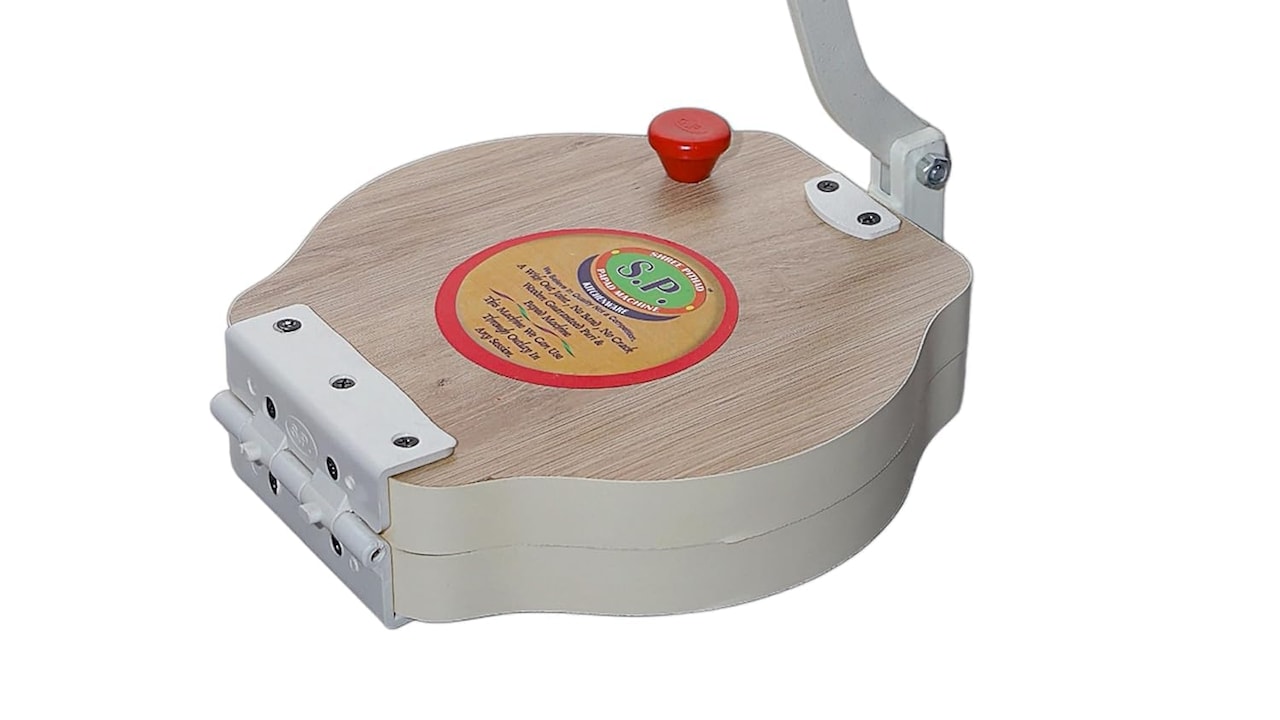
Even perfectly cooked rotis can turn dry if left uncovered. Proper storage keeps them soft until serving time.
Placing cooked rotis in an insulated casserole works extremely well. The warmth stays trapped inside, maintaining softness for a longer period.
Wrapping them in a clean cotton cloth before placing them inside the container adds extra protection.
Many households brush a tiny amount of ghee over each roti. This step prevents dryness and enhances flavour.
During busy dinner times, this method allows several rotis to remain warm while the rest continue cooking.
The result feels just like rotis served straight from the tawa.
10 Smart Tips To Use Automatic Roti Makers At Home And Save Cooking Time
Photo Credit: Amazon
9. Clean The Machine After Every Use
A clean roti maker performs better and lasts longer. Flour residue or burnt dough can affect heat distribution and cooking quality.
After the machine cools completely, wipe the plates with a soft damp cloth. Avoid harsh scrubbing tools that may damage the coating.
For stubborn spots, a mild kitchen cleaner works well.
Regular cleaning prevents unwanted smells and keeps the appliance ready for the next meal.
Treating the machine with care ensures reliable performance for years.
10. Practice Brings Perfect Rotis
Like many kitchen skills, mastering the roti maker requires practice. The first few attempts may produce odd shapes or slightly stiff rotis.
That stage happens to nearly everyone.
Gradually, small adjustments begin to improve results. Dough texture becomes easier to judge. Pressure feels more controlled. Timing improves naturally.
Soon enough, the roti maker becomes a trusted kitchen companion.
Instead of frustration, the appliance delivers reliable convenience.
Families often discover that the machine truly saves time once these techniques settle into routine.
Products Related To This Article
1. Longway Multi Master 1000W Electric Roti Maker
2. Stainless Steel Puri Maker New Press Machine for Home and Kitchen for Making Papad khakhra poori roti and Many More Manual Hand Press with Handle
3. ElectroSky Roti Maker 950W Multi Maker Electric Automatic With 8.5 Inch Plate
4. Roti Maker 950W Multi Maker Electric Automatic With 8.5 Inch Plate
5. Libra Roti Maker Machine
Automatic roti makers often arrive with high expectations. Many households hope the machine will instantly replace traditional cooking methods. Yet the secret lies not in the appliance itself, but in how it is used.
With proper dough preparation, patience during heating, and a gentle cooking rhythm, the results improve dramatically. Rotis turn soft, evenly cooked, and ready within minutes.
For busy households juggling work, school schedules, and daily responsibilities, such convenience can make a noticeable difference. Dinner preparation becomes faster, less tiring, and far more organised.
Small habits, like cleaning the machine regularly or storing rotis properly, also extend the appliance's usefulness.
In the end, the automatic roti maker serves as a helpful assistant rather than a magical replacement for cooking skills. With the right approach, it quietly transforms the everyday roti routine into a quicker, smoother experience.
Warm rotis on the table, less time in the kitchen, and more moments shared with family. That balance makes the appliance truly worthwhile.
(Disclaimer: This article may include references to or features of products and services made available through affiliate marketing campaigns. NDTV Convergence Limited (“NDTV”) strives to maintain editorial independence while participating in such campaigns. NDTV does not assume responsibility for the performance or claims of any featured products or services.)