10 Room-Setup Mistakes That Make Your AC Cool Less Effectively
Poor furniture placement, open windows, harsh sunlight and blocked airflow can make your AC cool less effectively. Fix these 10 common room-setup mistakes to improve cooling and comfort.
10 Room-Setup Mistakes That Make Your AC Cool Less Effectively
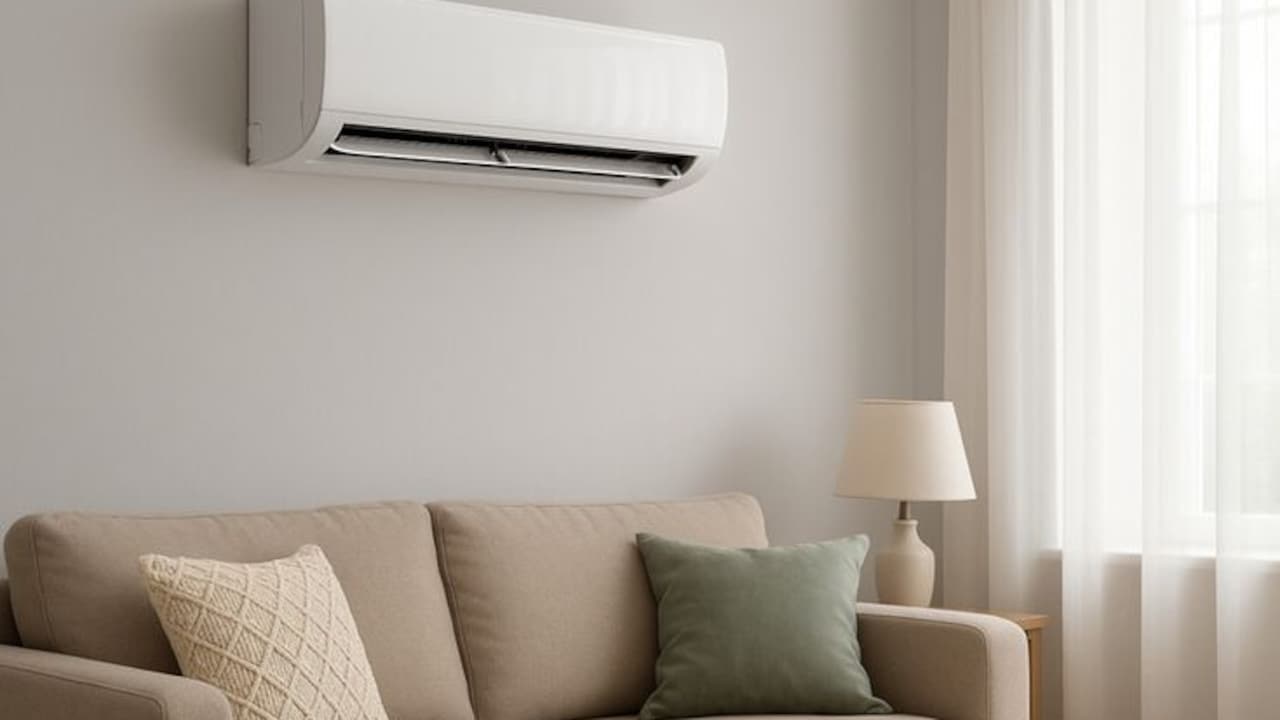
On a scorching afternoon, few things test patience quite like an AC running at full speed while the room stubbornly refuses to cool. The remote says 20°C, the compressor seems busy, and someone has already checked whether the door is shut. Yet the sofa still feels warm enough to inspire another complaint. Before blaming the AC or calling a technician, look around the room. Cooling depends on more than the machine hanging on the wall. Furniture placement, room curtains, electronics, gaps around doors and even the location of the AC can change how quickly a room becomes comfortable. A poorly arranged room can trap heat, interrupt airflow and force the appliance to run longer than necessary. That can also push electricity consumption upwards. The good news? Many cooling problems need nothing more dramatic than a smarter room setup. These ten common mistakes can make even a capable AC seem less effective.
10 Room-Setup Mistakes That Make Your AC Cool Less Effectively; Photo Credit: Pexels
Common Room-Setup Mistakes That Reduce AC Cooling
1. Blocking The AC's Airflow With Furniture
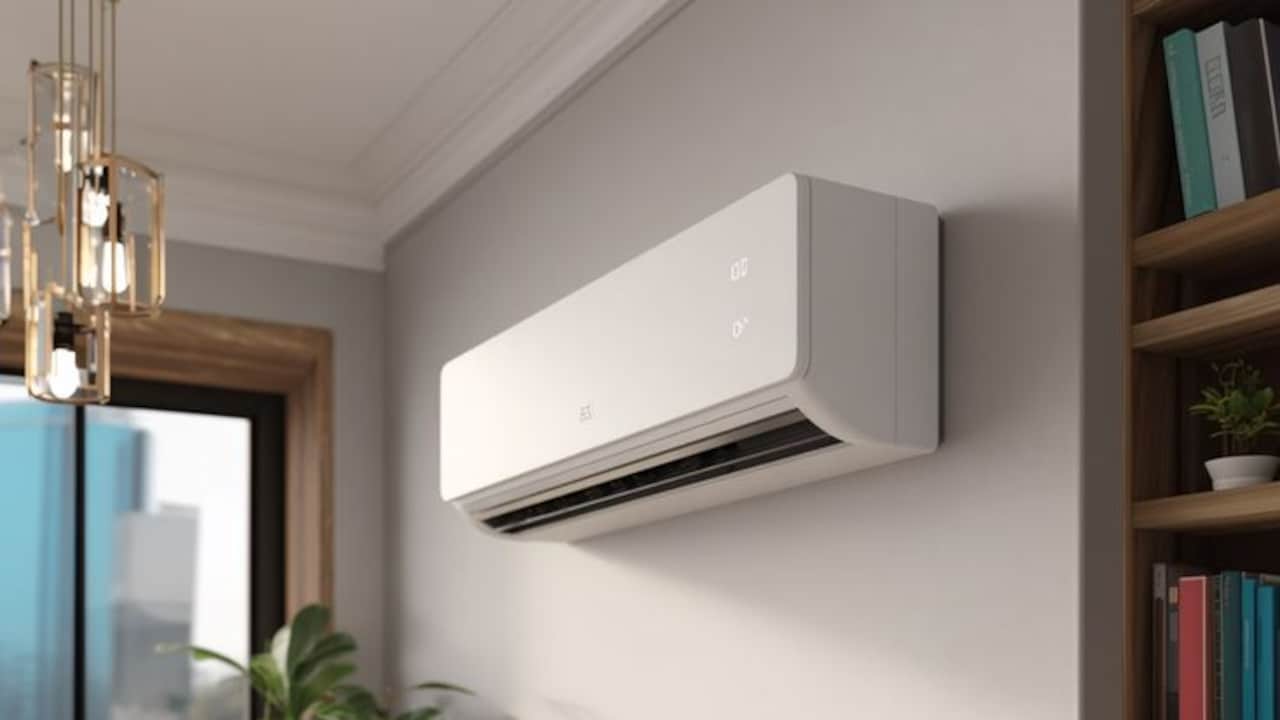
That tall wardrobe may fit perfectly beneath the AC, but the arrangement could create a cooling headache. Air conditioners need enough open space to push cool air across the room. Large cupboards, bookshelves, decorative partitions and even unusually tall bed headboards can interrupt that movement.
When furniture blocks the airflow, cool air gathers around one section instead of circulating properly. One corner may feel like Shimla in December while somebody sitting across the room wonders whether the AC is even switched on.
Keep the immediate path in front of the indoor unit as clear as possible. Avoid placing tall objects directly beneath or close to the air outlet. Even smaller pieces of furniture can cause trouble when they sit exactly where the AC throws its air.
The direction of the louvers matters too. Aim them towards open areas rather than directly at a cupboard or wall.
A small furniture reshuffle can sometimes improve comfort surprisingly quickly. The AC does not suddenly become more powerful; the room simply stops getting in its way.
Also Read: Top 5 Split Air Conditioners That Offer The Biggest Price Savings
2. Letting Harsh Sunlight Pour Through The Windows
A beautiful sunlit room looks wonderful in property photographs. At 3 pm in May, however, all that sunshine can turn the same space into an accidental greenhouse.
Direct sunlight heats floors, walls, furniture and everything else it touches. The AC then has to remove not only the heat already present in the air but also the extra warmth constantly entering through the windows.
Rooms with west-facing windows often suffer the most during late afternoons. Large glass areas can make the problem even worse.
Curtains, blinds or other suitable window coverings can reduce this heat gain considerably. Close them during the hottest part of the day, particularly when strong sunlight falls directly into the room. Light-coloured curtains can also help reflect some incoming heat rather than absorbing it.
There is no need to spend the afternoon in complete darkness. Simply managing the strongest sunlight can take pressure off the AC.
Think of it as closing the door on an unwanted guest. The AC has enough work already; there is little reason to invite the afternoon sun inside as well.
3. Placing Heat-Producing Appliances Near The AC
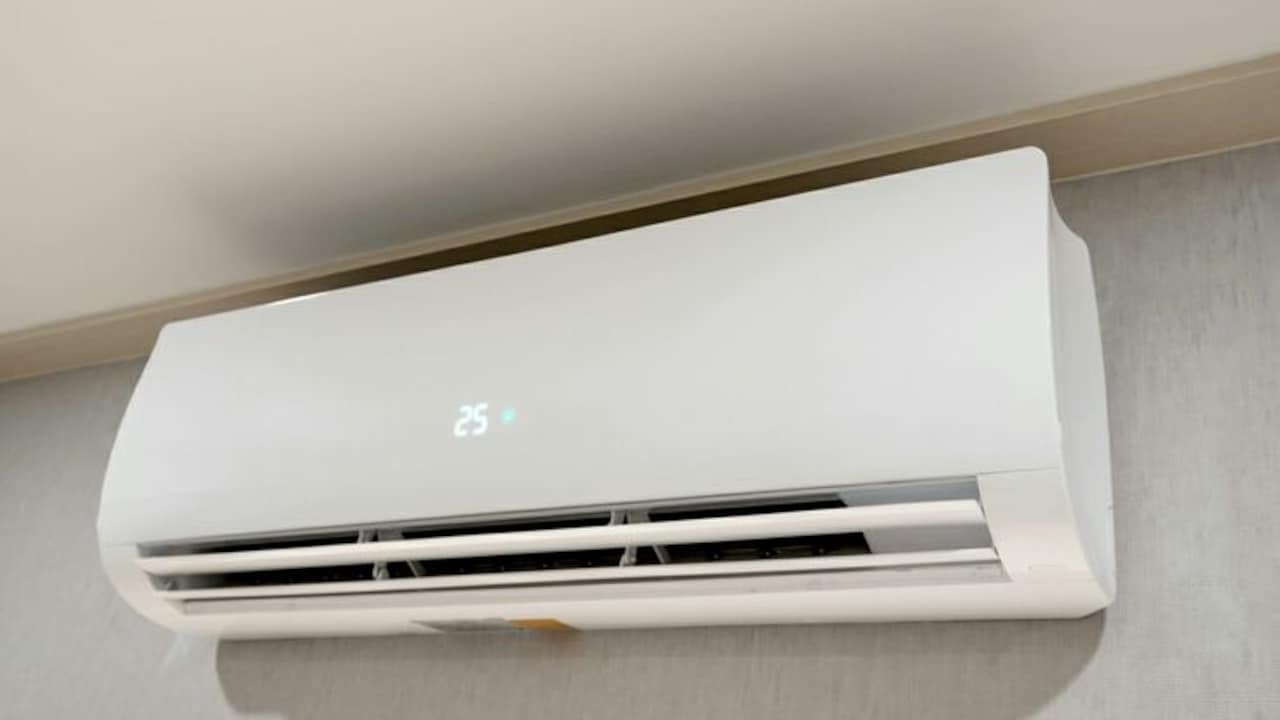
Rooms collect heat from some surprisingly ordinary sources. Televisions, gaming consoles, desktop computers, lamps, chargers and other electronics all release warmth while operating. Place several of them close to the AC or its temperature sensor and the appliance may receive a misleading picture of the room.
A powerful computer setup provides a good example. During a long gaming or work session, the processor, monitor and accessories can generate noticeable heat. The AC then works harder to compensate.
Large televisions can contribute too, particularly in smaller rooms where every source of heat matters.
Try to spread heat-producing devices around the room instead of crowding them beneath or beside the indoor unit. Switch off appliances that nobody uses. Even several chargers and decorative lights add unnecessary heat when left running for hours.
The difference from one device may seem tiny, but several heat sources together can affect comfort.
An AC should cool people and the room, not spend its evening fighting a miniature electronics festival taking place directly underneath it.
10 Room-Setup Mistakes That Make Your AC Cool Less Effectively; Photo Credit: Pexels
4. Keeping Doors And Windows Slightly Open
A door left open by a few centimetres may appear harmless. Unfortunately, cool air does not respect optimistic thinking.
Any opening allows cooled air to escape while warmer air enters. The AC then keeps trying to reach the selected temperature despite constantly receiving a fresh supply of heat from outside the room.
Windows create the same problem. Even a small gap can reduce cooling efficiency, especially during very hot or humid weather.
Check whether doors and windows shut properly before running the AC for long periods. Pay attention to balcony doors, sliding windows and attached bathroom doors, which often remain partly open without anyone noticing.
Family habits matter as well. A door that opens every two minutes because people keep walking in and out makes temperature control much harder.
Nobody needs to guard the room like a bank vault, but basic discipline helps. Shut the door after entering or leaving.
The simplest cooling improvement may cost exactly ₹0: stop air-conditioning the corridor, balcony and half the house at the same time.
5. Ignoring Gaps Around Doors And Windows
Sometimes every door and window looks closed, yet warm air still finds its way inside. Small gaps around frames, loose window fittings and poorly sealed edges can quietly undo some of the AC's work.
These leaks rarely look dramatic. There may be no obvious gust of hot air. Instead, the room simply takes longer to cool and warms up more quickly after the compressor slows down.
Inspect window edges and door frames, particularly in older homes. If daylight appears through a gap, air can probably travel through it too.
Suitable weather stripping or simple sealing solutions can help reduce unwanted air movement. The right fix depends on the type of door or window, so avoid permanently sealing anything that requires ventilation or regular access.
Curtains can offer an extra layer of protection, though they cannot replace proper sealing.
This problem often hides in plain sight because people naturally suspect the AC first. Yet asking an air conditioner to cool a leaky room resembles filling a bucket with a tiny hole at the bottom. Progress happens, just far more slowly than it should.
6. Positioning The Bed Or Sofa In A Dead-Air Zone
The room can technically reach a comfortable temperature while the person sitting in it still feels warm. Poor furniture positioning often explains this strange mismatch.
Cool air needs room to circulate. Large sofas, beds and partitions can create pockets where very little air movement occurs. Sit in one of those zones and the room may feel stuffy even though the AC works normally.
Look at the layout from the AC's point of view. Where does the air travel after leaving the unit? Does a large sofa interrupt its path? Does a partition stop it from reaching the study table? Does the bed sit behind a bulky wardrobe?
Sometimes moving a piece of furniture by even half a metre changes the airflow noticeably.
A ceiling fan can also help distribute cooled air more evenly. Run it at a comfortable speed rather than treating the AC and fan as rivals. They can work well together.
Comfort depends on where cool air reaches people, not merely what temperature appears on the remote. Nobody enjoys paying for a chilled ceiling while sweating on the sofa below.
7. Using Thick, Dark Furnishings In A Hot Room
Dark colours can look sophisticated, but rooms that receive strong sunlight may pay a thermal price for that dramatic décor.
Dark curtains, rugs, upholstery and other surfaces tend to absorb more radiant heat than lighter alternatives. Once those materials warm up, they can continue releasing heat into the room even after direct sunlight disappears.
Heavy curtains can still help by blocking sunlight, so the issue is not simply thickness. Colour, material and window exposure all play a role.
In particularly sunny rooms, consider lighter window treatments or reflective options that limit heat gain. Rugs and upholstery do not usually determine the entire cooling performance, but several heat-absorbing surfaces can collectively make the space feel warmer.
This matters most in compact bedrooms and living rooms where the AC has less air volume to work with but plenty of warm surfaces surrounding it.
There is no need to redesign the house around the air conditioner. A black sofa does not need an eviction notice. Still, when choosing curtains for a blazing west-facing window, thermal comfort deserves a seat at the décor discussion.
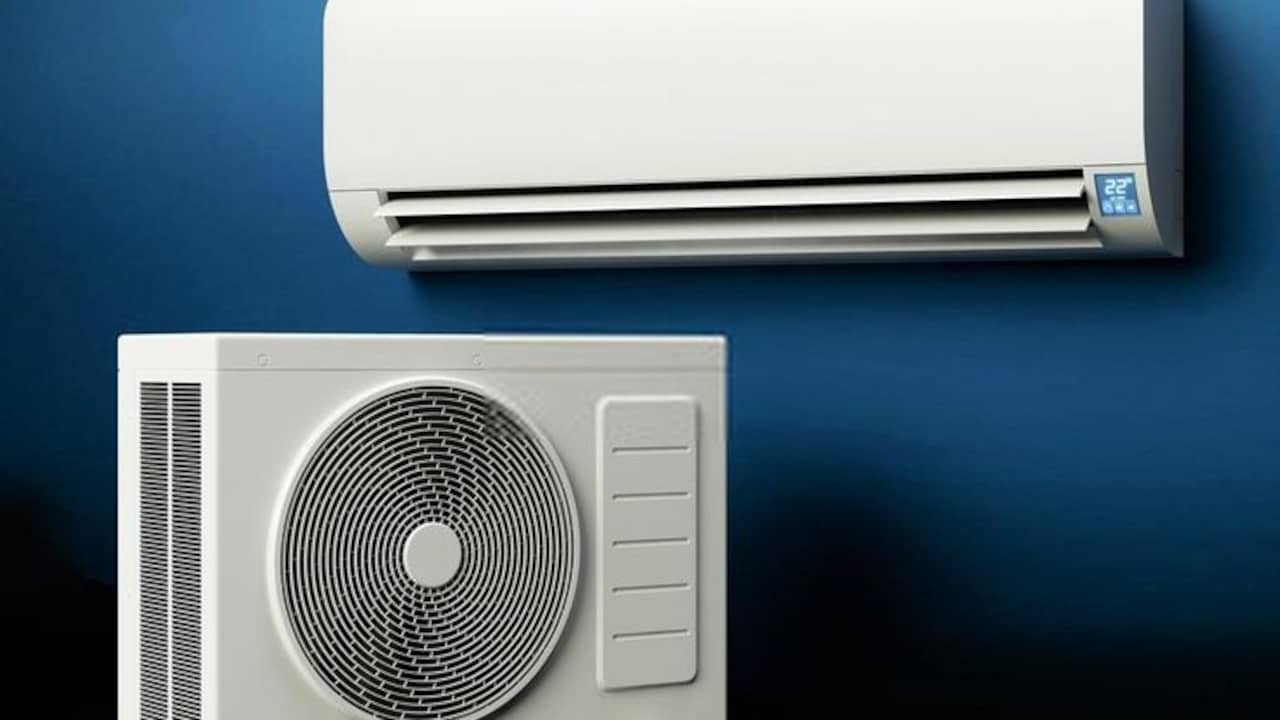
10 Room-Setup Mistakes That Make Your AC Cool Less Effectively; Photo Credit: Pexels
8. Crowding The Room With Too Much Furniture
More furniture does not automatically make a room harder to cool, but overcrowding can interfere with air circulation and create warmer pockets.
Think about a compact bedroom containing a double bed, two wardrobes, a study desk, a chair, storage boxes and perhaps an ambitious exercise cycle that has quietly become a clothes stand. Air needs to move around all of it.
When objects sit too close together, cool air struggles to travel evenly through the space. Large pieces can also block the natural circulation path between the upper and lower sections of the room.
Leave sensible gaps between major pieces of furniture where possible. Avoid packing the area directly around the AC with cupboards or shelves.
Decluttering can help too. A pile of cardboard boxes or stacked luggage may not produce heat, but it can reduce open space and disrupt airflow.
A room does not need minimalist-magazine levels of emptiness. It simply needs breathing room.
The same principle that makes a crowded local train uncomfortable applies here in a gentler form: movement becomes easier when everything has a little space around it.
9. Installing The AC In A Poor Location
Even a powerful AC can struggle when its indoor unit sits in an awkward position.
Ideally, the unit should distribute air across as much of the room as possible. A location blocked by a beam, wardrobe or deep corner may limit circulation. Mounting the unit where sunlight heats the surrounding wall heavily can also add to the cooling challenge.
The outdoor unit needs attention as well. Poor ventilation around it can make heat rejection more difficult. The condenser releases heat collected from indoors, so surrounding it with clutter or trapping it in a poorly ventilated enclosure can reduce performance.
Installation decisions require professional judgement because room size, wall structure, piping length and manufacturer requirements all matter. If cooling has remained disappointing since the day of installation, the location deserves investigation.
Do not relocate an AC as a casual weekend experiment. Ask a qualified technician to assess whether placement contributes to the problem.
People spend plenty of time comparing star ratings and capacities before buying an AC. Placement deserves almost as much thought. A strong machine in the wrong spot may never show what it can really do.
10. Treating The AC As A Substitute For Sensible Room Management
Perhaps the biggest setup mistake involves expecting the AC to defeat every source of heat without any help.
Consider a typical evening: the curtains remain open, three lights glow unnecessarily, the television runs, someone cooks nearby, the bedroom door stays ajar and four people move in and out continuously. Meanwhile, the AC sits at 18°C as though lowering the number on the remote might frighten the heat away.
It will not.
Good cooling comes from reducing heat entry and helping cooled air remain inside. Close curtains when direct sunlight becomes harsh. Turn off unnecessary lights and electronics. Shut doors properly. Use fans to improve circulation when useful.
Avoid setting an extremely low temperature simply because the room feels hot. A lower setting does not magically make every AC cool a room instantly. Choose a comfortable temperature and give the machine a sensible environment in which to operate.
Small habits can make a noticeable difference over an entire summer.
The smartest cooling strategy does not ask the AC to perform heroic acts. It removes unnecessary obstacles so the appliance can quietly get on with its actual job.
Products Related To This Article
1. LG 5800W Max Cooling Capacity, 5 Star, 100% Copper Tubes
2. Helium Air Smart Inverter Split AC | 0.8 Ton, 3 star
3. IFB 1.5 Ton 3 Star,New star rated,AI Powered Inverter Split AC
4. Cruise 1 Ton 3 Star VarioQool Split AC (2026 Model, CWCVBM-VQ1D123, White)
5. Panasonic 1.0 Ton 4 Star New Star Rated Premium Wi-Fi Inverter Smart Split AC
6. Midea 1.5 Ton 5 Star Inverter Split AC, 6-in-1, MAI18SR5R36F0
7. Panasonic 1.5 Ton 5 Star Premium Wi-Fi Inverter Smart Split AC
When an Air conditioner struggles to cool a room, the appliance itself may not always deserve the blame. The space around it plays a major role in how quickly cool air spreads, how much heat enters and how long the room remains comfortable.
Blocked airflow, open doors, harsh sunlight, crowded furniture and badly positioned electronics can all make the AC work harder than necessary. Individually, some of these mistakes seem minor. Together, they can turn a perfectly ordinary summer evening into a long argument with the thermostat.
Before assuming that the AC needs repair or replacement, inspect the room with fresh eyes. Shift that tall cupboard, close the sunny curtains, seal obvious gaps and give the cool air somewhere to travel.
A few thoughtful changes can improve comfort without adding another appliance or sending the electricity bill into dramatic territory. Sometimes better cooling begins not with a new AC, but with moving the sofa.
(Disclaimer: This article may include references to or features of products and services made available through affiliate marketing campaigns. NDTV Convergence Limited (“NDTV”) strives to maintain editorial independence while participating in such campaigns. NDTV does not assume responsibility for the performance or claims of any featured products or services.)