Why Cheap Nose Trimmers Are Unsafe To Use
Cheap nose trimmers often feel unsafe due to poor build, weak motors, and uncomfortable design. What seems like a bargain can quickly turn into an unpleasant, and sometimes painful, grooming experience.
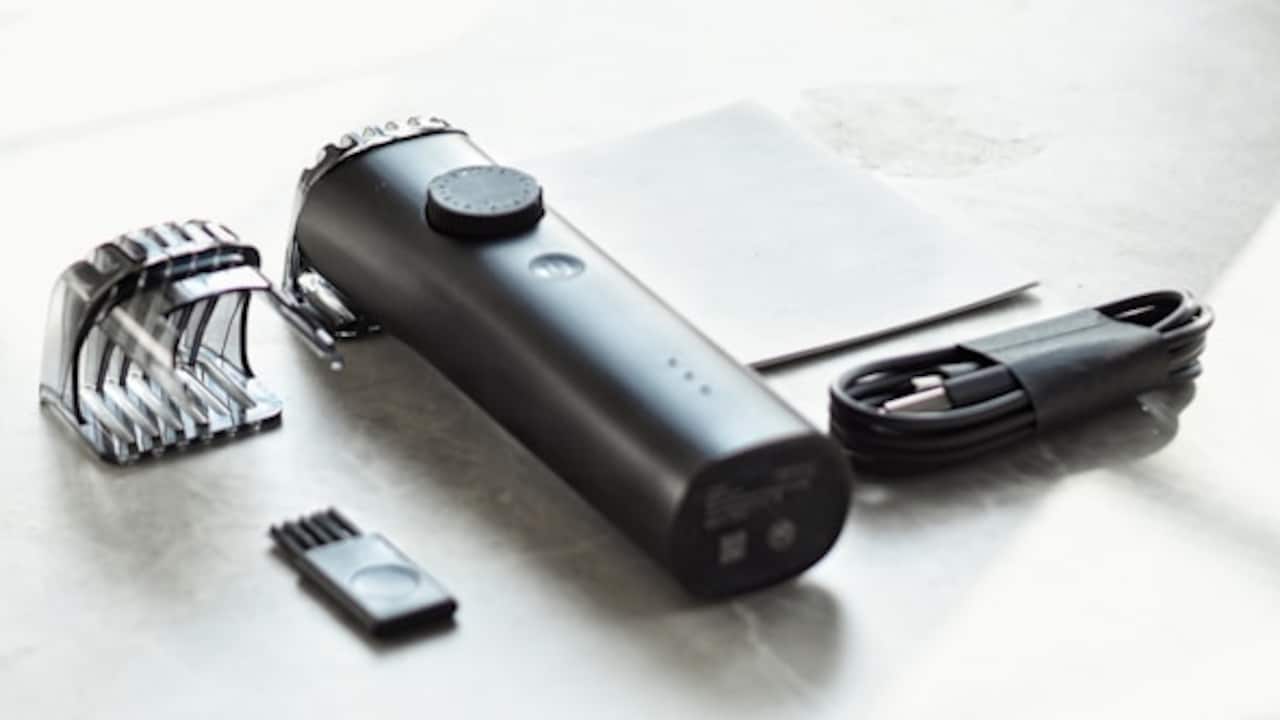
Are Cheap Nose Trimmers Safe? Hidden Risks You Should Know Before Buying.
Personal grooming has become less of a luxury and more of a quiet daily ritual. From neatly trimmed beards to well-kept hairlines, small details matter. Among these, nose hair trimming sits in a curious space. It is quick, often overlooked, yet oddly sensitive. No one wants a tool buzzing inside their nostrils to feel unpredictable.

Why are low quality nose trimmers unsafe; Photo Credit: Pexels
Despite this, many people reach for cheap nose trimmers, often priced around ₹150 to ₹300 at local shops or online marketplaces. On paper, they promise convenience at a bargain. In reality, they can feel unreliable, uncomfortable, and sometimes even unsafe. That uneasy feeling is not imagined. It often stems from a mix of poor design, low-quality materials, and a lack of proper engineering.
Understanding why these trimmers feel unsafe helps in making better choices. After all, a small investment in grooming tools can save discomfort, frustration, and even minor injuries.
The Real Reasons Behind That Uncomfortable Feeling
Poor Build Quality Creates Immediate Doubt
The first impression of a cheap nose trimmer often says everything. Lightweight plastic bodies, flimsy attachments, and loose fittings create a sense that the device may not hold up under use. When held in hand, it feels less like a tool and more like a disposable gadget.
That lack of sturdiness translates directly into discomfort. A trimmer that rattles or vibrates unevenly can feel alarming, especially when used in such a sensitive area. Even a slight wobble can make the user hesitate, wondering if the blade might snag or pull instead of trim cleanly.
Many budget options also lack proper assembly standards. Parts may not align perfectly, causing friction inside the device. Over time, this leads to inconsistent performance and a growing sense of mistrust.
In a setting where precision matters, such doubts can make the experience stressful. Grooming should feel controlled and calm, not like a gamble with a fragile machine.
Blades That Tug Instead Of Trim
A well-designed trimmer glides through hair smoothly, almost unnoticed. Cheap alternatives often do the opposite. Instead of cutting, they tug at hair strands, creating a sharp, uncomfortable sensation.
This happens because low-cost blades are often dull or poorly sharpened. Some are made from substandard metal that loses its edge quickly. Within just a few uses, the trimming experience shifts from smooth to irritating.
That tugging sensation is not just annoying. It can lead to minor cuts or irritation inside the nose, which is far more sensitive than most people realise. Even a small nick can sting for hours and disrupt breathing comfort.
The problem worsens when users try to compensate by pressing harder. That instinctive reaction increases the risk of injury. A simple grooming task then turns into something unnecessarily painful.
A tool that pulls instead of trims naturally feels unsafe. It breaks trust with every use.
Unreliable Motor Performance Adds Anxiety
Consistency matters when dealing with any grooming device. Cheap nose trimmers often struggle in this department. Their motors can feel weak, uneven, or unpredictable.
One moment the device hums along, and the next it slows down or stutters. That inconsistency creates uncertainty. Users begin to question whether the trimmer might suddenly stop mid-use or jerk unexpectedly.
Low-powered motors also struggle with thicker hair. Instead of maintaining steady rotation, they drag, increasing the chances of pulling or snagging. This makes the experience feel rough rather than controlled.
Battery performance adds another layer of frustration. Many inexpensive models drain quickly or fail to deliver consistent power. A half-dead battery can turn an already unreliable trimmer into a truly uncomfortable tool.
When a device lacks steady performance, it naturally feels unsafe. The unpredictability alone is enough to make anyone uneasy.
Lack Of Safety Guards Raises Concerns
One of the most noticeable differences between budget and premium trimmers lies in safety features. Many cheap options skip protective guards or poorly design them.
Safety guards are meant to keep the blade from directly touching the skin. Without them, the risk of nicks and cuts increases significantly. Inside the nose, where the skin is delicate, this becomes a serious concern.
Some trimmers include guards, but they are often loosely fitted or uneven. This defeats their purpose. Instead of offering protection, they create a false sense of security.
A well-designed trimmer ensures that the blade never comes into direct contact with sensitive areas. Cheap alternatives often ignore this principle, prioritising cost over safety.
That missing layer of protection is enough to make users instinctively cautious. It is not just about comfort, but about avoiding injury.
Uncomfortable Vibration Feels Alarming
Vibration plays a crucial role in how a trimmer feels during use. Smooth, controlled vibration can make trimming feel effortless. Cheap trimmers, however, often produce harsh and uneven vibrations.
This rough buzzing sensation can feel unsettling, especially inside the nose. Instead of a gentle hum, the device may feel like it is rattling aggressively. That alone can create anxiety.
Excessive vibration also reduces control. It becomes harder to guide the trimmer precisely, increasing the chances of accidental contact with sensitive areas.
Over time, this discomfort builds a negative association with the tool. Users may rush through the process or avoid it altogether, simply to escape the unpleasant sensation.
A grooming device should feel reassuring, not jarring. When vibration feels out of control, the sense of safety disappears almost instantly.
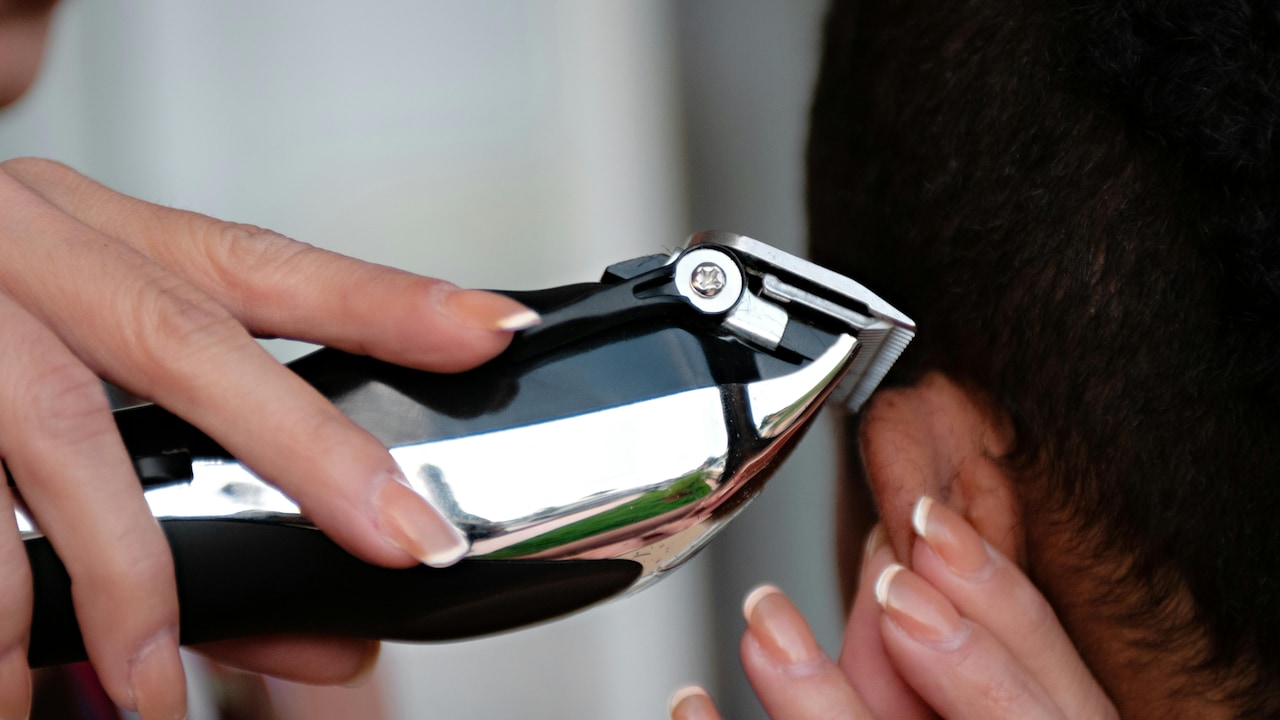
Uncomfortable vibration can feel alarming; Photo Credit: Pexels
Cheap Materials Can Irritate Skin
Material quality often goes unnoticed until it causes a problem. Inexpensive nose trimmers frequently use low-grade plastics and metals that may not be skin-friendly.
Some metals can cause mild irritation or allergic reactions, especially in sensitive areas. Even plastics can feel rough or poorly finished, leading to discomfort during use.
The inside of the nose is particularly delicate. Any rough surface or substandard material can cause redness, itching, or a burning sensation. This makes the trimming experience far from pleasant.
Over time, repeated irritation can lead to small abrasions or increased sensitivity. What begins as a minor annoyance can turn into a recurring issue.
Higher-quality trimmers invest in smoother finishes and skin-safe materials. Cheap alternatives often cut corners here, making the tool feel less trustworthy with every use.
Noise Levels Can Be Surprisingly Distracting
A nose trimmer is a small device, yet cheap versions can be surprisingly loud. The sharp, high-pitched buzzing can feel intrusive and uncomfortable.
This noise often reflects poor motor design and a lack of sound insulation. Instead of a soft hum, the device produces a harsh mechanical sound that draws attention.
That noise can create tension. It makes the process feel rushed, as if the tool might fail at any moment. In shared spaces, it can even feel awkward to use.
Sound may seem like a minor detail, but it affects perception. A loud, erratic device feels less refined and more unpredictable.
Quiet operation, on the other hand, signals control and reliability. When a trimmer sounds rough, it often feels unsafe, even before it touches the skin.
Short Lifespan Undermines Trust
Cheap nose trimmers rarely last long. After a few weeks or months, performance often declines. Blades dull, motors weaken, and parts loosen.
This short lifespan creates a cycle of replacement. While the initial cost may seem low, repeated purchases add up. Spending ₹200 multiple times can easily exceed the price of a reliable ₹1,000 trimmer.
More importantly, a tool that degrades quickly feels unreliable. Users may notice changes in performance mid-use, which can be unsettling.
Trust is built through consistency. When a trimmer fails prematurely, it erodes that trust completely.
A grooming tool should feel dependable over time. Cheap alternatives often fail to deliver this, leaving users cautious and dissatisfied.
Design Often Ignores User Comfort
Ergonomic design makes a significant difference in how a tool feels. Cheap trimmers often ignore this aspect entirely.
Handles may feel awkward, slippery, or poorly shaped. This makes it harder to maintain a steady grip, especially when dealing with precise movements.
A poorly designed head can also limit visibility. Users may struggle to position the trimmer correctly, increasing the risk of mistakes.
Comfort is not just about luxury. It directly impacts safety. A tool that feels difficult to hold or control can lead to accidental slips.
Better-designed trimmers consider how the device fits in the hand and how it moves during use. Cheap options often overlook these details, making the experience feel clumsy and uncertain.
Lack Of Quality Control Leads To Inconsistency
One of the biggest issues with low-cost trimmers is inconsistency. Two units of the same model can perform very differently.
This happens because of weak quality control during manufacturing. Some units may work reasonably well, while others fail straight out of the box.
Such unpredictability makes it difficult to trust the product. Even if one unit performs fine, there is no guarantee the next one will.
For users, this creates hesitation. Each use comes with a question mark. Will the device work properly today?
Consistency is a hallmark of reliable products. When it is missing, the sense of safety disappears.
Products Related To This Article
1. BEARDO Ape-X 3-in-1 | Shaver, Ear & Nose, Stainless Steel blades Trimmer 120 min Runtime 4 Length Settings (Black)
2. Sffizeex Nose Hair Trimmer, Ear and Nose Hair Trimmer for Men Women Cordless Trimmer 180 min Runtime 1 Length Settings (Black)
3. Kartona Nose Hair Trimmer, Ear and Nose Hair Trimmer for Men Women Cordless Trimmer 180 min Runtime 1 Length Settings (Black)
4. AGARO Nose & Ear Hair Trimmer, Eyebrow Trimming, Rechargeable, Stainless Steel Blade, Trimmer 120 min Runtime 1 Length Settings (Black)
5. PAHNIK Nose Trimmer for Man & Women | Portable Grooming Kit for Nose, Ears & Eyebrows Trimmer 120 min Runtime 1 Length Settings (Blue)
A nose trimmer may seem like a small purchase, but its impact on comfort and confidence is significant. Cheap options often appear attractive due to their low price, yet they bring a range of hidden drawbacks.
From poor build quality to uncomfortable vibration, each flaw adds to a growing sense of unease. The experience becomes less about grooming and more about avoiding discomfort or injury.
Investing in a better-quality trimmer does not just improve performance. It transforms the entire experience into something smooth, predictable, and reassuring.
In the end, grooming should feel effortless. When a tool feels unsafe, it defeats its purpose entirely. Choosing wisely ensures that even the smallest routines remain comfortable and stress-free.
(Disclaimer: This article may include references to or features of products and services made available through affiliate marketing campaigns. NDTV Convergence Limited (“NDTV”) strives to maintain editorial independence while participating in such campaigns. NDTV does not assume responsibility for the performance or claims of any featured products or services.)