Do LED Face Masks Actually Work? Best Light Wavelengths And Effective Skin Care Tips
Do LED face masks really improve skin, or are they just hype? Discover how light therapy works, the best wavelengths for results, and simple tips to make your skincare routine more effective.
LED Face Masks: Do They Really Work? Wavelengths And Skin Care Tips
At first glance, LED face masks look like something borrowed from a science fiction film. A glowing shell sits over the face, bathing skin in shades of red, blue, or even green light. The promise sounds almost too simple: wear the mask for a few minutes a day and watch skin transform.
Yet the curiosity around these devices keeps growing. From dermatology clinics charging ₹3,000 per session to at-home masks priced between ₹5,000 and ₹25,000, the appeal cuts across budgets. Skincare enthusiasts discuss them over chai, influencers swear by them, and even sceptics find themselves wondering: is there real science behind this glow?
The truth sits somewhere between hype and evidence. LED masks can work, but only when used correctly, with the right expectations. Understanding how they function and what they can realistically achieve makes all the difference between glowing results and disappointment.
Do LED Face Masks Actually Work? Best Light Wavelengths And Effective Skin Care Tips
Photo Credit: Amazon
Breaking Down LED Face Masks: Science, Benefits, And Real Results
What Exactly Are LED Face Masks?
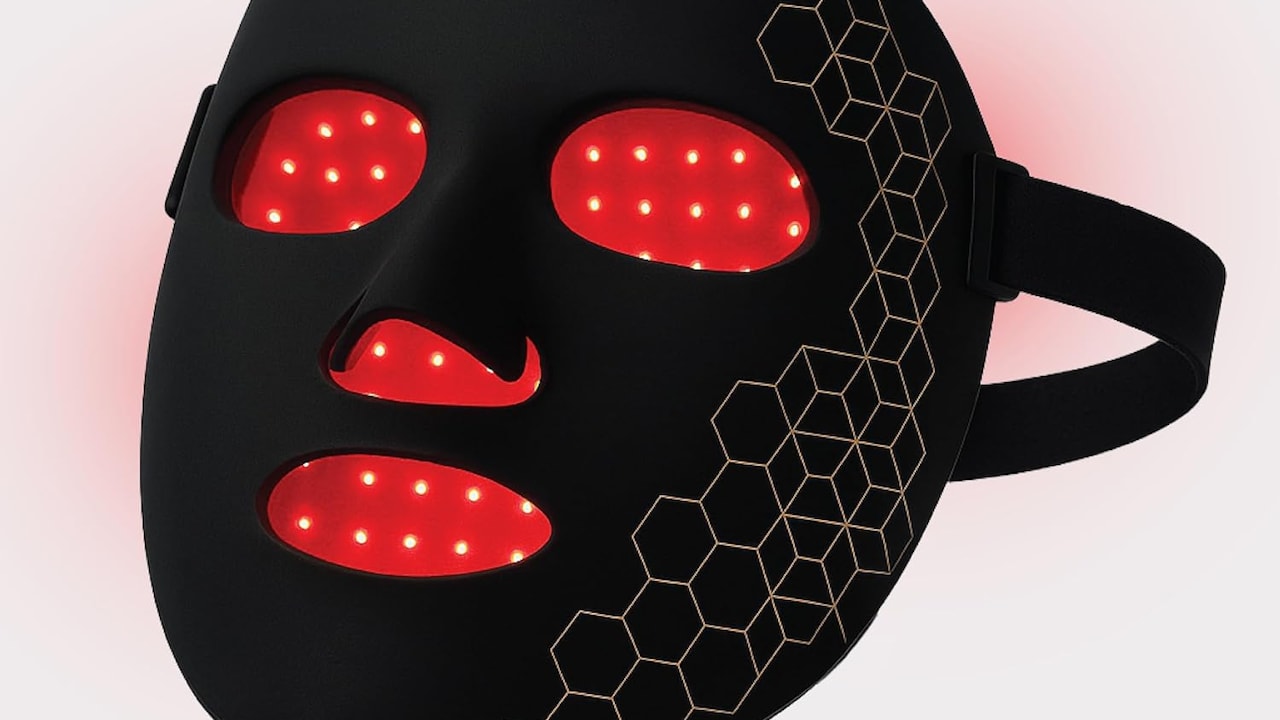
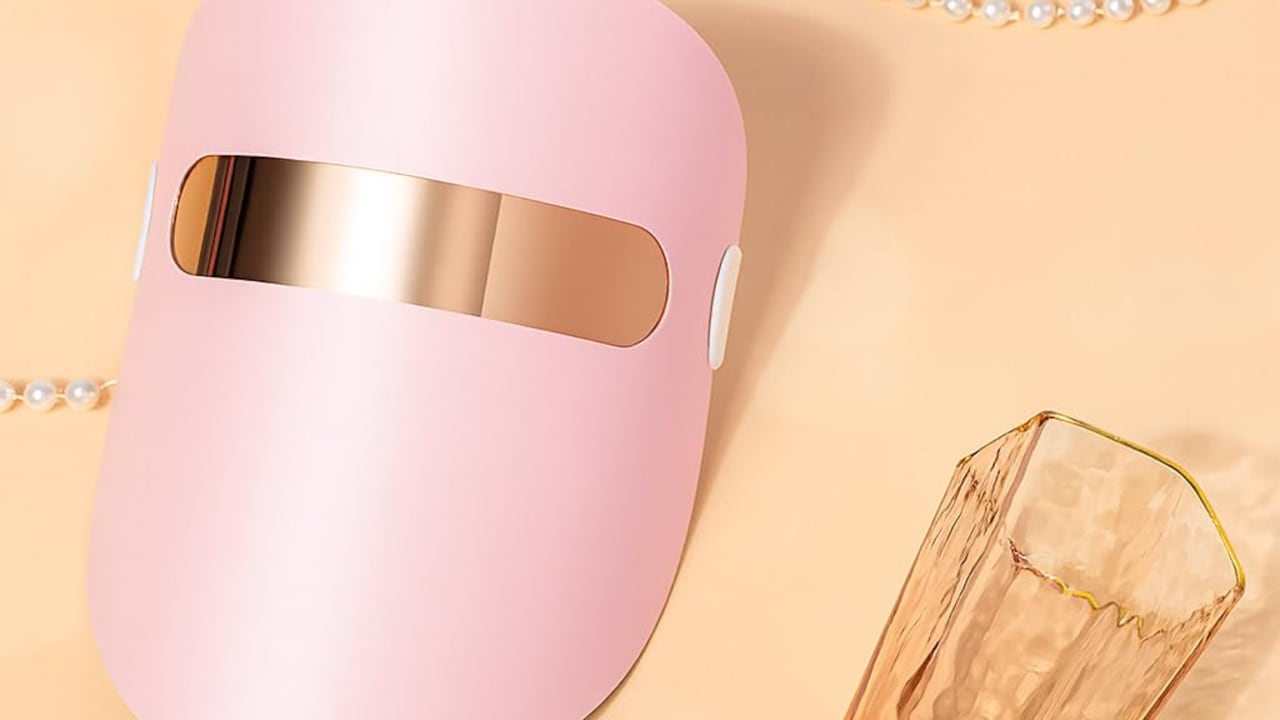
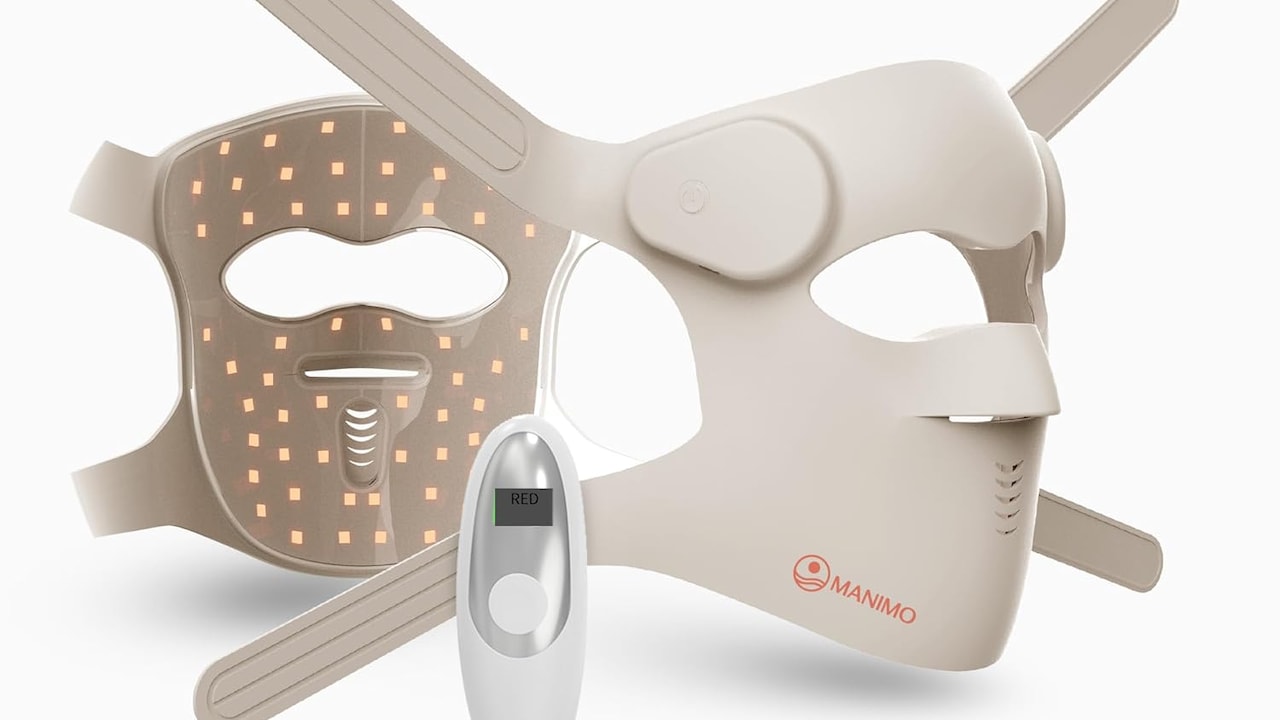
LED face masks use light-emitting diodes to deliver specific wavelengths of light to the skin. Each colour corresponds to a different depth and purpose. Red light targets ageing concerns, blue light focuses on acne, while other colours attempt to address pigmentation or inflammation.
Unlike harsh treatments, LED therapy feels gentle. There is no heat, no burning sensation, and no downtime. This makes it appealing for people who prefer low-maintenance skincare routines.
The concept is not entirely new. Dermatologists have used light therapy for years to treat conditions like acne and psoriasis. What has changed is accessibility. Compact devices now allow the same concept to be used at home, though usually at lower intensities.
That said, not all masks are created equal. Some deliver clinically meaningful wavelengths, while others simply glow without offering much benefit. The effectiveness depends heavily on the quality of the device, consistency of use, and realistic expectations.
The Science Behind Light Therapy
Skin responds to light in fascinating ways. When specific wavelengths penetrate the skin, they trigger biological processes at a cellular level. This interaction is known as photobiomodulation.
Red light, for instance, stimulates mitochondria, the energy centres of cells. This encourages collagen production, which helps maintain skin firmness and elasticity. Blue light, on the other hand, targets acne-causing bacteria by disrupting their internal structure.
The key lies in wavelength precision. Light must fall within a specific nanometre range to produce results. Anything outside that range may look impressive, but won't deliver meaningful change.
Another factor is penetration depth. Different wavelengths travel to different layers of the skin. This is why combining colours can address multiple concerns simultaneously.
While the science sounds promising, the results are gradual. LED therapy does not replace skincare basics. Instead, it supports them, working quietly in the background to improve skin health over time.
Also Read: Best LED Face Mask For Sensitive Skin That Does Not Irritate: Here Is How To Choose
Do LED Face Masks Actually Work?
The short answer is yes, but with conditions. LED face masks can improve skin, but they are not miracle devices.
Consistency matters more than intensity. Using a mask for ten minutes daily often yields better results than sporadic longer sessions. Skin cells respond to repeated stimulation, not one-off treatments.
Clinical studies support modest improvements. Users may notice reduced acne, smoother texture, and a subtle glow after several weeks. However, dramatic transformations, like erasing deep wrinkles overnight, remain unrealistic.
Another important factor is patience. Results often take four to eight weeks to become noticeable. This can feel slow, especially in a world used to instant gratification.
In essence, LED masks work best as part of a broader skincare routine. Think of them as supportive teammates rather than star performers.
Red Light: The Anti-Ageing Favourite
Red light tends to be the most talked-about wavelength, and for good reason. It penetrates deeper layers of the skin and stimulates collagen production.
Collagen acts like scaffolding, keeping skin firm and plump. As age increases, collagen levels naturally decline, leading to fine lines and sagging. Red light therapy encourages the skin to rebuild this structure.
Regular use can improve skin texture and reduce the appearance of wrinkles. The effect is subtle but noticeable over time, especially when combined with good skincare habits.
Many users describe the result as a “healthy glow” rather than a dramatic change. Skin appears fresher, slightly firmer, and more even.
However, expectations should remain grounded. Red light will not replace treatments like fillers or laser procedures. Instead, it offers a gentler, long-term approach to maintaining youthful skin.
Blue Light: Tackling Acne At The Source
Blue light targets one of the most common skincare concerns, acne. It works by killing acne-causing bacteria on the skin's surface.
These bacteria thrive in oily environments, often leading to breakouts. Blue light disrupts their growth, reducing inflammation and preventing future spots.
For those dealing with occasional breakouts or mild acne, this can be particularly helpful. Regular sessions may lead to fewer flare-ups and calmer skin.
However, severe acne may require additional treatment. LED masks can support healing, but should not replace medical advice when needed.
One practical advantage is convenience. Instead of relying solely on creams or medications, blue light offers a non-invasive way to manage acne.
Used consistently, it can become a reliable part of a skincare routine, especially during stressful periods when breakouts tend to appear uninvited.
Do LED Face Masks Actually Work? Best Light Wavelengths And Effective Skin Care Tips
Photo Credit: Amazon
Other Light Colours And Their Benefits
While red and blue dominate discussions, other colours also claim benefits. Green light often appears in masks designed to reduce pigmentation and even out skin tone.
Yellow light aims to improve circulation and reduce redness. Some devices include purple or cyan combinations, blending the benefits of multiple wavelengths.
The effectiveness of these additional colours varies. Research remains less robust compared to red and blue light. That doesn't mean they are useless, but results may be less predictable.
For those dealing with uneven skin tone or dullness, these options can provide mild improvements. The key lies in consistent use and realistic expectations.
It is also worth noting that more colours do not always mean better results. A well-designed mask with clinically proven wavelengths often outperforms devices that offer a rainbow without a clear purpose.
How To Use LED Masks For Best Results
Using an LED mask may seem straightforward, but small details can influence outcomes significantly.
Clean skin is essential. Dirt, oil, or makeup can block light penetration, reducing effectiveness. Starting with a freshly washed face ensures better absorption.
Timing also matters. Most devices recommend sessions between ten and twenty minutes. Overuse does not speed up results and may lead to irritation.
Consistency proves more valuable than intensity. Setting a routine, perhaps while watching a favourite show, helps maintain regular use without feeling like a chore.
After the session, applying serums or moisturisers can enhance results. Skin often absorbs products better after light therapy.
Finally, patience remains key. Results build gradually, and skipping sessions can slow progress. Treating LED therapy as a habit rather than a quick fix makes all the difference.
Are At-Home Devices Worth The Investment?
The growing popularity of LED masks has led to a wide range of options in the market. Prices vary significantly, making it difficult to decide whether they are worth the investment.
At-home devices offer convenience and long-term value. A single clinic session can cost ₹2,000 or more, while a personal device allows repeated use without additional expense.
However, professional treatments often use stronger light intensities. This means results may appear faster in a clinical setting compared to home use.
Quality matters greatly. Cheaper devices may not deliver the correct wavelengths, leading to disappointing results. Investing in a reliable brand often proves more cost-effective in the long run.
For those committed to regular use, an at-home mask can be a worthwhile addition. It saves time, offers flexibility, and integrates easily into daily routines.
Safety, Side Effects, And Common Myths
LED face masks are generally safe for most skin types. Unlike UV light, they do not damage the skin or increase cancer risk.
Side effects remain minimal. Some users may experience slight redness or dryness, especially with overuse. Following recommended guidelines usually prevents these issues.
A common myth suggests that more exposure leads to faster results. In reality, excessive use can irritate the skin without improving outcomes.
Another misconception involves instant transformations. LED therapy works gradually, and expecting overnight changes often leads to disappointment.
Eye protection is also important. Many masks include built-in shields, but keeping eyes closed during sessions adds an extra layer of safety.
Understanding these aspects helps set realistic expectations and ensures a positive experience with the device.
Pairing LED Therapy With Effective Skincare Habits
LED masks perform best when combined with a solid skincare routine. They enhance results but cannot replace basic care.
Cleansing, moisturising, and sun protection remain essential. Without these, even the best device will struggle to deliver noticeable improvements.
Hydration plays a crucial role. Well-moisturised skin responds better to treatments and appears healthier overall.
Diet and lifestyle also influence results. Adequate sleep, balanced meals, and stress management contribute to better skin health.
Using LED therapy alongside targeted treatments, such as vitamin C for brightness or retinol for ageing, can amplify benefits.
In essence, LED masks act as a supportive tool. When paired with consistent habits, they help create a more balanced and effective skincare routine.
Do LED Face Masks Actually Work? Best Light Wavelengths And Effective Skin Care Tips
Photo Credit: Amazon
Products Related To This Article
1. LED Light Therapy Face Mask 7-in-1
2. PROTOUCH 3 in 1 LED Face Mask
3. R A Products Rechargeable led light therapy for face blue light therapy for acne led therapy mask for face
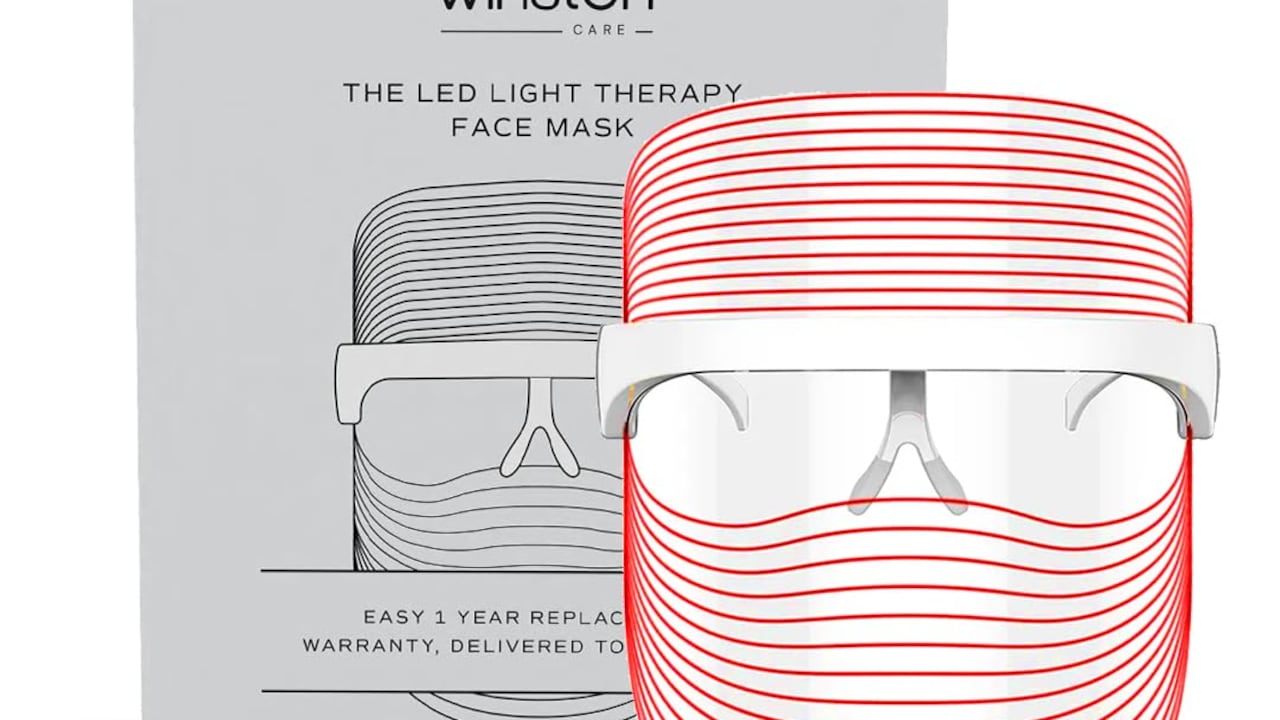
4. WINSTON Rechargeable Led Face Mask For Men And Women
5. Foleto LED Face Mask Light Therapy Sheet
LED face masks sit at an interesting intersection of science and skincare. They are neither gimmicks nor miracle solutions. Instead, they offer a gentle, evidence-backed way to support healthier skin.
For those willing to commit to regular use, they can deliver subtle but meaningful improvements. Clearer skin, smoother texture, and a natural glow become achievable over time.
However, success depends on understanding their role. LED therapy works best as part of a broader routine, not as a standalone fix.
In a world filled with quick promises and instant results, these glowing masks offer something different, a slower, steadier approach to skincare. And sometimes, that quiet consistency proves far more effective than any flashy trend.
(Disclaimer: This article may include references to or features of products and services made available through affiliate marketing campaigns. NDTV Convergence Limited (“NDTV”) strives to maintain editorial independence while participating in such campaigns. NDTV does not assume responsibility for the performance or claims of any featured products or services.)