Secret To Jam-Free Chopping: Why Most Vegetable Chopper Blades Fail
Most vegetable choppers fail due to dull blades, overloading and poor technique. Discover the real reasons behind jammed blades and learn simple fixes for smoother, faster chopping every time.
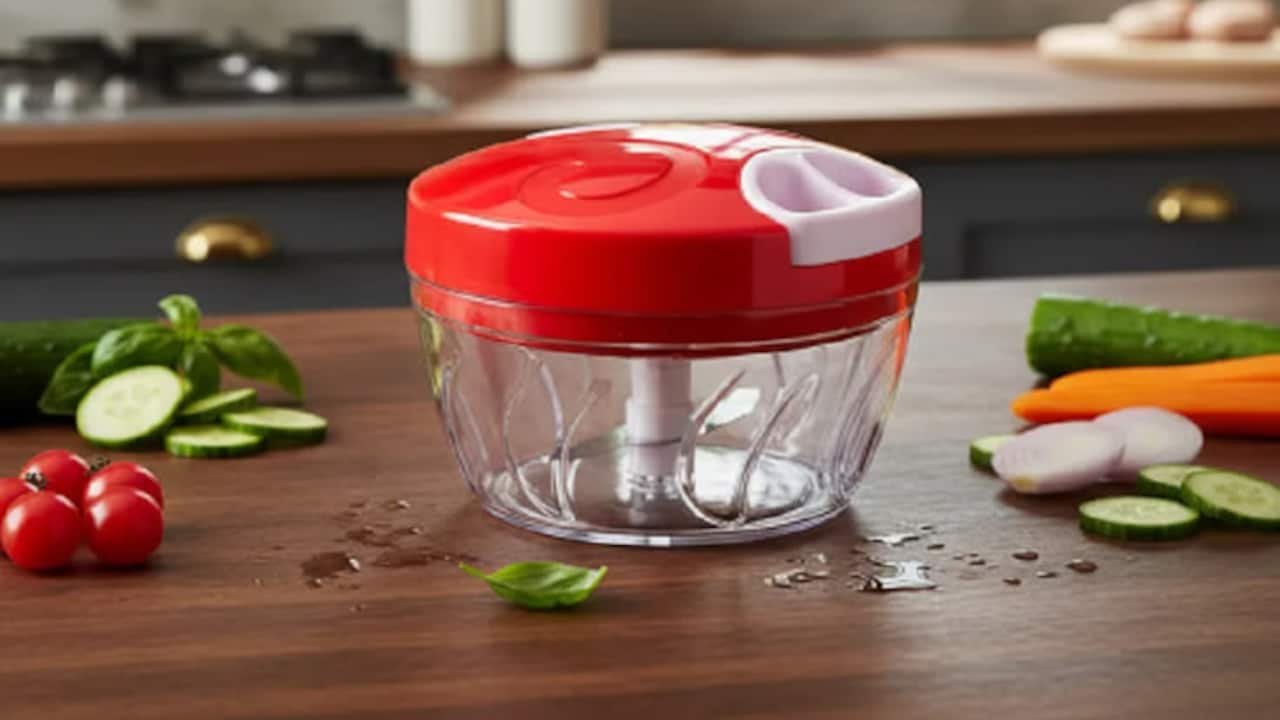
10 Reasons Your Vegetable Chopper Keeps Jamming: And How To Fix It
A vegetable chopper promises speed, precision, and relief from the endless rhythm of knife work. It sits on the kitchen shelf like a small hero, ready to tackle onions, tomatoes, and carrots in seconds. Yet, somewhere between expectation and reality, frustration creeps in. Blades jam halfway through a potato. Onions turn mushy instead of neatly diced. The lid refuses to close, and patience begins to wear thin.
Many assume the problem lies with the device itself, perhaps a poorly designed product or a one-time defect. The truth runs deeper. Blade failure often results from a mix of design limitations, usage habits, and overlooked maintenance. Understanding these factors can transform a disappointing gadget into a reliable kitchen companion.
This exploration breaks down the real reasons behind jammed blades and inconsistent chopping. With practical insights and relatable kitchen moments, it reveals how small adjustments can lead to smoother, faster, and far more satisfying results.
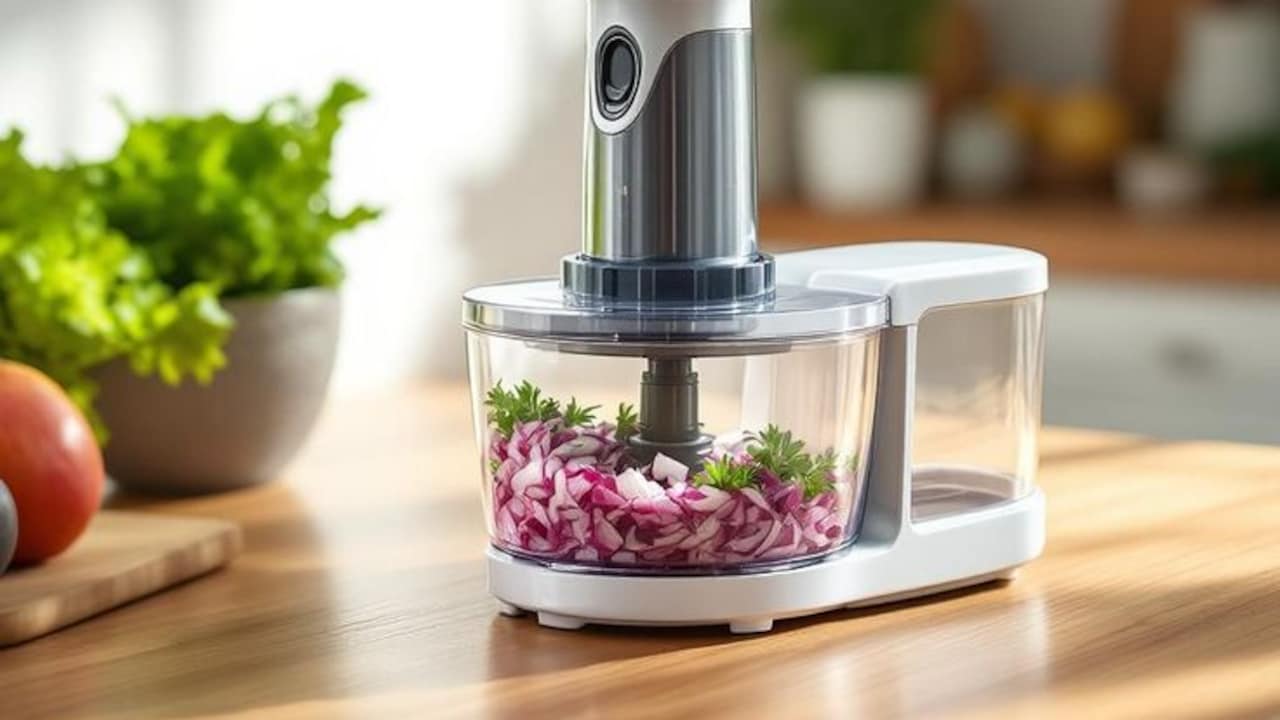
10 Reasons Your Vegetable Chopper Keeps Jamming: And How To Fix It; Photo Credit: Pexels
Why Vegetable Chopper Blades Fail And How To Fix Them
1. The Illusion Of Sharpness
A new vegetable chopper often feels razor-sharp at first glance. The metal glints under the kitchen light, giving the impression of effortless cutting power. Yet sharpness is not just about appearance. Many blades lose their edge quickly because they rely on thin, low-quality steel that dulls after a few uses.
When blades dull, they stop slicing cleanly and begin to crush. This creates resistance, which leads to jamming. A simple onion, instead of gliding through, gets stuck and releases excess moisture. The result feels messy and frustrating.
In a busy kitchen, this often goes unnoticed until the chopper begins to feel unreliable. Many end up blaming the technique rather than the blade's gradual decline. Investing in better materials or recognising when blades need replacement can make a noticeable difference.
A blade should cut, not struggle. The moment it hesitates, it signals that something has changed. Recognising this early can prevent many of the jams that follow.
2. The Problem With Overloading
It feels efficient to fill the chopper to its brim. After all, more vegetables at once should mean less time spent overall. Unfortunately, this approach often backfires.
Overloading creates uneven pressure across the blades. Instead of slicing through manageable portions, the chopper faces dense resistance. Hard vegetables like carrots or potatoes push back, causing blades to stall or twist slightly.
This imbalance leads to incomplete cuts and frequent jams. Pieces get wedged between blades, forcing repeated pressing or shaking. What began as a time-saving attempt ends up consuming more effort.
A better approach involves smaller batches. It may seem slower at first, but the consistency and ease more than compensate. The chopper works as intended, and each press delivers clean, even results.
Efficiency in the kitchen rarely comes from rushing. It comes from understanding how tools function best and working with them rather than against them.
Also Read: 5 Best Manual Vegetable Choppers That Make Cooking Prep Faster And Easier Every Day
3. Moisture: The Silent Saboteur
Certain vegetables carry high water content. Tomatoes, cucumbers, and onions release juices when cut. This moisture may seem harmless, but it often plays a key role in blade failure.
When water mixes with fine vegetable particles, it creates a sticky residue. This residue builds up around the blades and reduces their movement. Over time, the chopper begins to feel sluggish.
The effect becomes more noticeable during continuous use. What starts as smooth chopping gradually turns into resistance and uneven cuts. Many assume the device is faulty, but the real culprit lies in accumulated moisture.
A simple habit of wiping the blades between uses can make a remarkable difference. Dry surfaces allow smoother motion and prevent clogging.
In the rhythm of daily cooking, such small steps often get overlooked. Yet they hold the key to keeping the chopper efficient and frustration-free.
4. Design Flaws That Go Unnoticed
Not all vegetable choppers are built with the same precision. Some designs prioritise appearance over function, leading to subtle flaws that reveal themselves over time.
Blades positioned too close together can trap larger pieces. Weak hinge mechanisms may fail to apply even pressure. Poor alignment between the lid and blade grid creates uneven force distribution.
These flaws rarely appear in advertisements or packaging descriptions. They become evident only after repeated use. A chopper may work well for soft vegetables but struggle with firmer ones.
This inconsistency leads to unpredictable results. One day, chopping feels effortless. Next, it becomes a struggle.
Understanding design limitations helps set realistic expectations. It also guides better choices when selecting a new chopper. A well-designed tool does not demand excessive force or repeated attempts. It simply works.
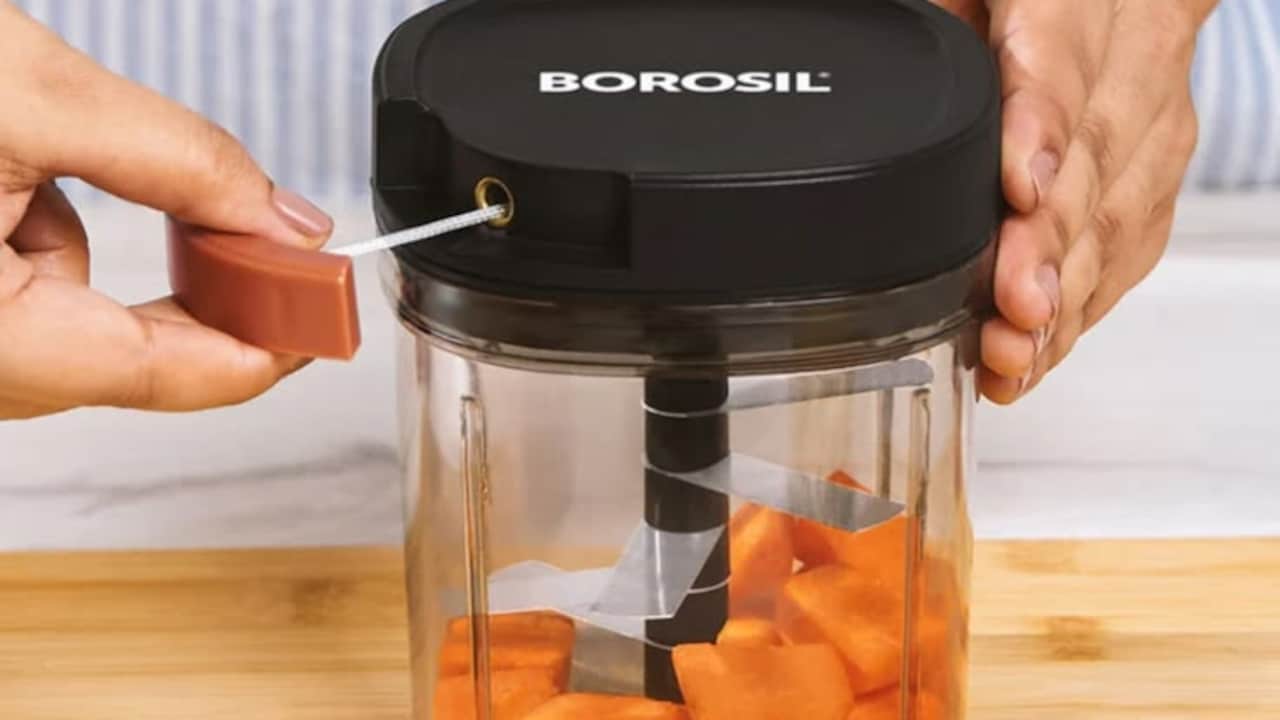
10 Reasons Your Vegetable Chopper Keeps Jamming: And How To Fix It; Photo Credit: Pexels
5. The Role Of Cutting Technique
Technique often gets overlooked in the reliance on gadgets. Many assume that a vegetable chopper eliminates the need for skill. In reality, how vegetables are prepared before chopping matters greatly.
Large chunks placed directly into the chopper create unnecessary strain. Pre-cutting into smaller, uniform pieces reduces resistance and allows smoother operation.
Angle also plays a role. Placing vegetables flat and evenly across the blades ensures balanced pressure. Uneven placement leads to partial cuts and jams.
These small adjustments may seem insignificant, yet they dramatically improve performance. The chopper becomes more predictable and easier to use.
Cooking often blends tradition with convenience. Even modern tools benefit from a touch of mindful preparation.
6. Maintenance: The Forgotten Habit
A vegetable chopper often gets cleaned quickly and stored away without much thought. Over time, tiny food particles remain trapped in corners and blade edges.
These particles harden and create friction. The blades lose their smooth movement, and the chopper begins to feel stiff.
Regular deep cleaning prevents this buildup. Taking a few extra minutes to inspect and rinse thoroughly can extend the life of the device.
Maintenance does not require elaborate effort. It simply requires consistency. A well-maintained chopper performs reliably and reduces the chances of sudden failure.
In a kitchen filled with daily tasks, such habits may feel tedious. Yet they save time and frustration in the long run.
7. Material Matters More Than Price
A higher price does not always guarantee better performance. Some expensive choppers rely on branding rather than quality materials.
The type of steel used in blades determines durability. Inferior materials dull quickly and bend under pressure. Stronger alloys maintain their edge and resist wear.
Plastic components also play a role. Weak plastic can warp over time, affecting alignment and pressure distribution.
Choosing a chopper based on material quality rather than price alone leads to better results. A reliable tool does not need frequent replacement, making it more cost-effective in the long run.
Kitchen tools should offer value through performance, not just appearance.
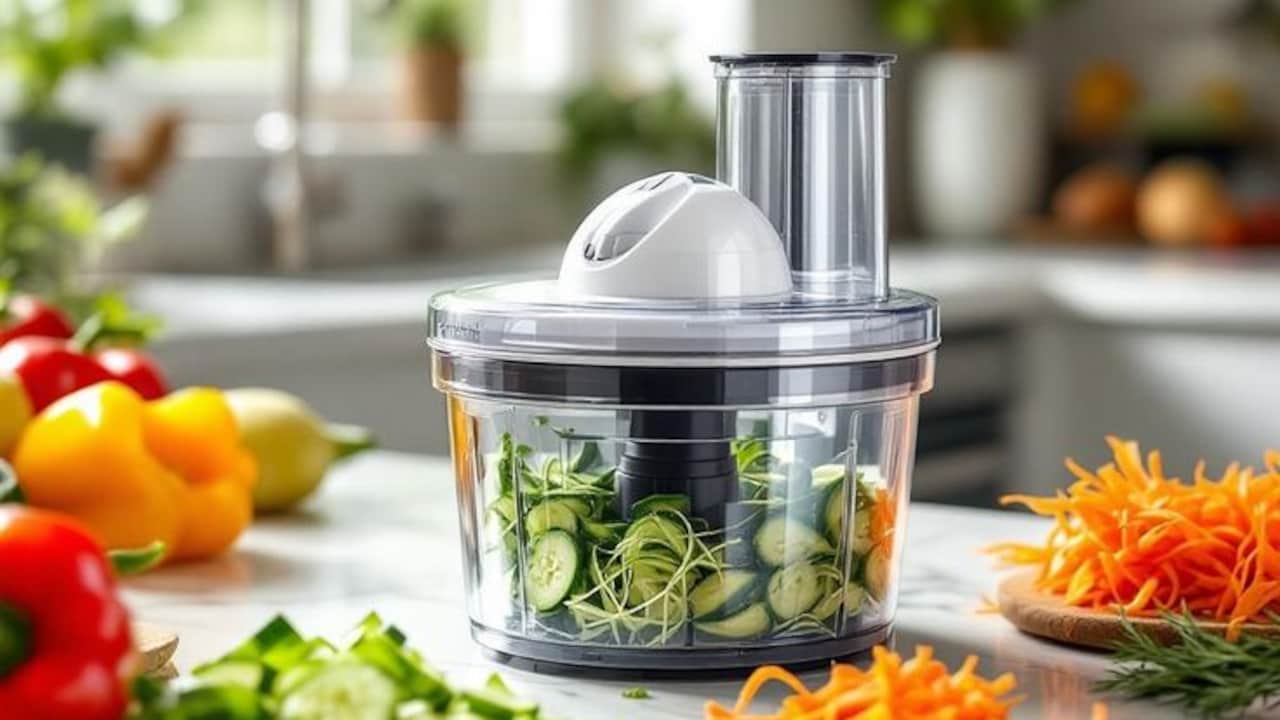
10 Reasons Your Vegetable Chopper Keeps Jamming: And How To Fix It; Photo Credit: Pexels
8. Hard Vegetables And Hidden Resistance
Not all vegetables behave the same way. Soft items like tomatoes require minimal force, while harder ones like beetroot or raw papaya demand more strength.
Using the same approach for all vegetables often leads to problems. Hard vegetables can strain blades and cause immediate jamming.
Understanding this difference allows better planning. Pre-softening certain vegetables or cutting them into smaller pieces reduces stress on the chopper.
Ignoring this factor often leads to frustration. The chopper feels unreliable, even though the issue lies in mismatched expectations.
Cooking involves adapting to ingredients. Recognising their nature makes every tool more effective.
9. The Impact Of Repeated Pressure
Pressing harder when the chopper resists seems like a natural reaction. Unfortunately, this often worsens the problem.
Excessive force can bend blades slightly or misalign components. Once alignment shifts, the chopper loses its precision.
Repeated pressure also increases wear and tear. What begins as a minor jam can lead to permanent damage.
A gentler approach works better. If resistance occurs, removing the contents and adjusting placement prevents further issues.
Patience in such moments preserves both the tool and the cooking experience. Force rarely solves problems in the kitchen. Understanding does.
10. When Replacement Becomes Necessary
Every tool has a lifespan. Recognising when a vegetable chopper has reached its limit prevents ongoing frustration.
Signs include consistently uneven cuts, frequent jamming, and visible wear on blades. Continuing to use a worn-out chopper often wastes time and effort.
Replacing the device at the right moment restores efficiency. It also brings back the ease that made the tool appealing in the first place.
Many hesitate to replace kitchen tools, hoping to extend their use. Yet a reliable replacement often proves more economical than repeated struggle.
A well-functioning chopper turns everyday tasks into simple routines. Knowing when to let go of an old one keeps that simplicity intact.
Products Related To This Article
1. Borosil Chef Delite 300 Watts Electric Chopper for Kitchen
2. Cüraa ChopLab Pro Electric Vegetable Chopper for Kitchen with 2 Speed Modes
3. AGARO Electric Chopper,
4. INALSA Electric Chopper Bullet-400 Watts with 100% Pure Copper Motor
5. E-COSMOS® Food Chopper 900ml
A vegetable chopper can be a quiet ally in the kitchen, transforming tedious tasks into quick and satisfying moments. Yet its effectiveness depends on more than just pressing a lid. Blade quality, technique, maintenance, and understanding of ingredients all play a role.
Jammed blades and uneven cuts often signal small, fixable issues rather than complete failure. With a few thoughtful adjustments, the same chopper can deliver smoother results and restore confidence in its use.
Cooking thrives on a balance between convenience and care. When tools receive the attention they deserve, they return the favour through reliability and ease. The secret to jam-free chopping lies not in perfection, but in awareness.
(Disclaimer: This article may include references to or features of products and services made available through affiliate marketing campaigns. NDTV Convergence Limited (“NDTV”) strives to maintain editorial independence while participating in such campaigns. NDTV does not assume responsibility for the performance or claims of any featured products or services.)