Best Helmet Weight For Riders: Avoid Neck Pain With Proper Balance And Padding
Heavy helmets may protect your head, but silently strain your neck. Discover how pressure, padding and balance decide whether your helmet keeps you safe or leaves you sore. Also, take a look at the best helmets from Lotus, Brutale, Royal Enfield, Studds and more,

Is Your Helmet Weight Harming Your Neck? Know the Science Behind Pressure, Padding And Balance.
Morning roads carry a familiar rhythm: a stream of scooters and motorbikes essentials weaving past buses, school vans and vegetable carts. Helmets bob through traffic, painted in glossy red, bright neon green, or tucked under arms at tea stalls. Everyone recognises that the helmet guards the skull from deathly blows, yet few think about the weight pressing onto the neck with every bump, brake or tight turn. That quiet pressure can turn into headaches, shoulder stiffness, and even neck pain and perhaps other cervical problems.
Helmets offer safety, and no responsible rider skips them. Still, safety should not feel like a burden. The science behind helmet weight reveals how much strain the neck silently handles, how padding redistributes that load, and why a balanced helmet can feel lighter even if the scale disagrees. The road demands awareness, not only of vehicles but also of what sits on the head. So, find out the best helmet weight for riders that will ensure you feel no neck pain and avoid any long-term cervical problems. Also, check some of the best helmets around from Lotus, Brutale, Royal Enfield, to Studds.
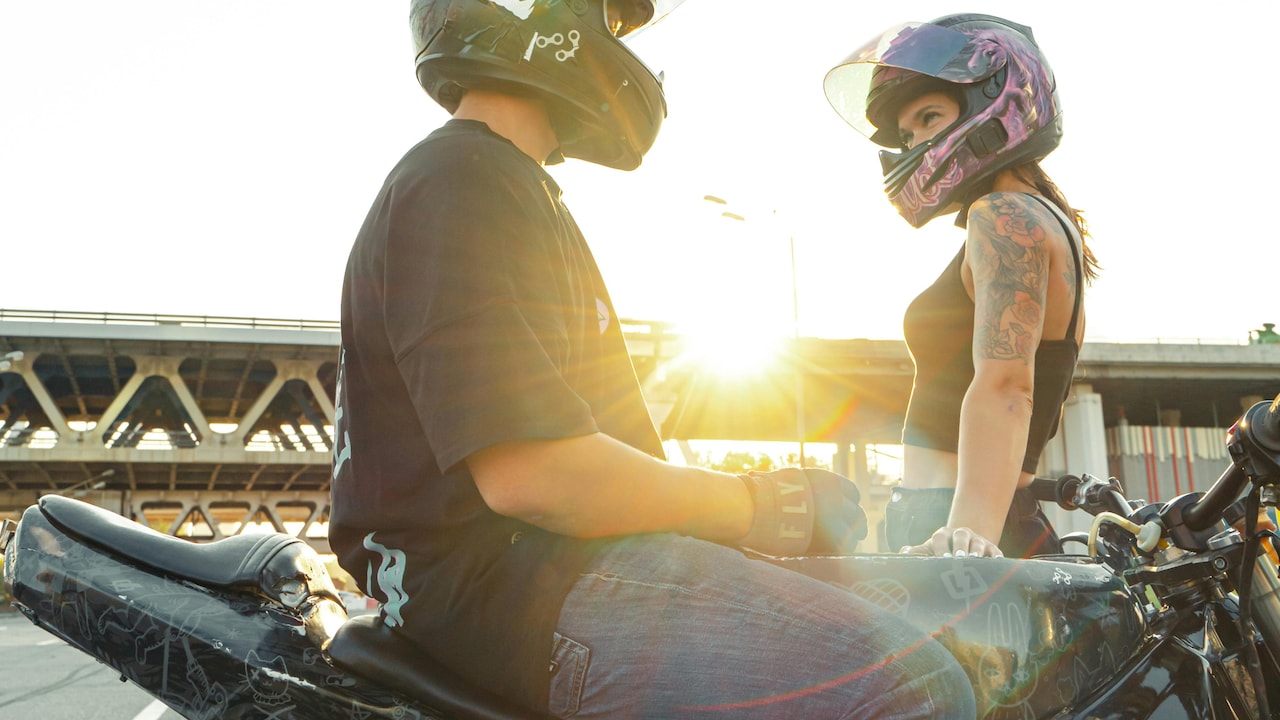
How Helmet Weight Impacts Neck Pain: Science, Safety & Smart Choices; Photo Credit: Pexels
The Hidden Science Behind Helmet Weight And Comfort
1. How a Few Extra Grams Turn Into Heavy Pressure
A helmet weighing just 1.5 kg seems harmless. Yet, on a moving bike, every jerk magnifies that weight. Think of it like holding a cricket ball close to the body. Easy, right? Now stretch the arm forward, and the same ball feels heavier instantly. That's exactly how the neck deals with helmet weight during acceleration, braking, and sudden turns.
When a bike speeds up, gravity and motion push the helmet forward. The neck muscles tighten to hold it back. While braking, muscles at the back of the neck grip harder to stop the head from snapping forward. This tug-of-war repeats through every speed breaker, pothole, and stoplight. The body handles it for a while but starts complaining with stiffness. Ignoring such discomfort may eventually trouble the cervical spine.
A helmet isn't just resting on the head. It becomes a moving weight. Understanding that simple truth can change the way riders pick their gear and protect their posture.
2. Why Padding Matters More Than the Weight Tag
Shoppers often judge helmets by weight. Someone lifts two models, compares them for a second, and proudly picks the lighter one. Yet an ultra-light helmet without proper padding feels worse after long rides. Good padding wraps around the head snugly and spreads pressure more evenly. It makes the helmet feel like part of the skull rather than a heavy coconut shell strapped loosely.
Foam density, ventilation channels, and cheek support matter more than the grams printed on the tag. Decent padding keeps the helmet stable. Without wobbling, the neck doesn't fight to keep it in place. Sweat-absorbing liners also reduce discomfort. A sweaty head produces friction, and friction encourages riders to adjust the helmet repeatedly, causing more strain.
Padding acts like a mattress. A thin, cheap mattress feels hard even if it looks thick. Proper cushioning supports the body. Similarly, the right padding protects the neck by keeping the helmet's weight well distributed. So, a rider must judge comfort in motion, not merely in the store.
Also Read: 5 Best Helmets Under ₹1000 With ISI Mark: Helmets For City Riders From Studds, Vega To TVS
3. The Balance Game: Why Weight Distribution Makes a Helmet Feel Light
Two helmets may weigh the same, yet one feels surprisingly lighter. The secret hides in balance. When weight spreads evenly from front to back and top to sides, the neck doesn't fight forces from odd angles. A well-balanced helmet stays centred, much like a pot kept perfectly in the middle of a kitchen shelf. No tilt, no threat of falling.
If the front is heavier due to a bulky visor, the helmet pulls forward during acceleration. If the back is loaded with thick external shells, braking becomes harder on the muscles. Designers use EPS layers, shell contours and internal structures to counterbalance this. Some premium brands even adjust micro-weight differences around 100 grams just to achieve a more natural sitting position on the head.
Balance saves energy. A well-balanced helmet lets the rider focus on traffic, not discomfort. Just as a balanced bicycle feels effortless, a balanced helmet sits quietly, protecting without nagging.
4. Shell Material: Strong Doesn't Have to Mean Strainful
Lightweight helmets do not always compromise safety. Materials like fibreglass, carbon fibre and advanced polycarbonate offer a neat harmony between strength and weight. Traditional shells often relied on thick plastics that absorb impact but cost the neck extra effort. Modern materials spread the shock across the shell, reducing the need for extra bulk.
Carbon fibre stands as the hero for weight reduction. Yet, it often comes at a steep price, sometimes even above ₹12,000. Riders often settle for polycarbonate-based helmets, which balance affordability and sturdiness. Fibreglass helmets land somewhere in between, giving both strength and comfort.
Choosing the shell demands awareness of the weather too. Roads grow hotter in the afternoons, and helmets heat up faster. Some shells handle heat better, keeping the padding firm and odour-free for longer. A helmet that stays stable through sweat, sun and speed matters more than just numerical weight. The right material promises protection without punishing the neck.

How Helmet Weight Impacts Neck Pain: Science, Safety & Smart Choices; Photo Credit: Pexels
5. Neck Posture: How Riding Style Makes a Helmet Feel Heavier
Even the best helmet feels like a burden if posture collapses. Leaning forward awkwardly, bending the shoulders, or locking elbows causes the neck to take more load. A rider on a sports bike bends low and strains the neck against wind resistance. A scooter rider often slouches out of habit, causing the head to tilt ahead of the body. Both positions multiply helmet weight.
Keeping the back aligned and shoulders relaxed helps the neck stay neutral. A neutral neck carries weight like a stacked pillar. A bent neck behaves like a crooked pillar struggling to hold a load. Riders must adjust handlebar height, seating position and even footrest use depending on comfort.
During long rides, a short break every 45–60 minutes lets muscles recover. Stretching the neck gently can prevent stiffness. A little awareness transforms the same helmet from a stressor into a silent guardian that rides along smoothly.
6. Ventilation: Cooling the Head Reduces Neck Stress
Heat and sweat do more than annoy; they distract. A hot helmet forces riders to fidget, tilt, or adjust straps. Each adjustment pushes the neck into awkward angles. Proper ventilation channels guide air across the scalp like a breeze through window grills, cooling the head and cutting sweat.
Well-planned vents reduce temperature buildup. Riders find themselves focusing on the road rather than irritation. Some helmets even use moisture-wicking liners that absorb sweat and dry faster during a tea break or refuelling stop. A cool head carries weight calmly. In contrast, a sweaty head panics, struggles and tyres faster.
Ventilation also influences smell and hygiene. Poor airflow traps heat and odour, forcing riders to open visors frequently. That exposes the face to dust and increases eye strain. A ventilated helmet supports focus, hygiene and comfort, all of which indirectly protect the neck. Coolness brings calm, both on the head and on the road.
7. Chin Strap: A Small Band With a Big Job
The chin strap looks insignificant, but it anchors the entire helmet. If the strap hangs loose, the helmet wobbles during bumps. That wobble turns into repetitive strain for neck muscles trying to stabilise it. A snug strap holds the helmet firmly, providing a steady centre of gravity.
A well-designed strap uses strong fastening mechanisms without digging into the skin. Those with cushion pads stop friction burns and make long rides more pleasant. Quick-release buckles allow riders to remove the helmet swiftly during emergencies without fumbling.
Imagine carrying a backpack without tightening the shoulder straps. The load swings, hits the back and feels heavier than it is. Tighten the straps, and the weight settles comfortably. The chin strap works exactly like that backpack support. It doesn't reduce helmet weight, but it makes it feel lighter by stopping unwanted movement. Comfort needs retention, not just soft padding.

How Helmet Weight Impacts Neck Pain: Science, Safety & Smart Choices; Photo Credit: Pexels
8. Helmet Fit: Looseness Increases Pressure More Than Weight
Many riders unknowingly choose the wrong size. A loose helmet needs constant correction. It shakes during speed, slips forward during braking and tilts sideways on rough roads. The neck goes into overtime just to keep it centred. In contrast, a properly fitted helmet hugs the head without squeezing it. The face pads should touch the cheeks lightly, not suffocate them.
Testing a helmet should involve moving the head, bending slightly and simulating real riding motion. The helmet must stay stable without needing manual adjustment. A tight helmet doesn't mean safer. Oversized helmets are not comfortable, nor are tiny helmets that pinch the temples. The right size feels like a natural extension of the skull.
Thinking of helmets as clothing helps. A shirt too large needs tucking and adjusting. One too small feels suffocating. The perfect fit sits effortlessly. The same holds true for helmets; fit determines freedom.
9. Extra Features: Visors, Sun Peaks and Cameras Add Hidden Weight
Fancy features come at a cost. Sun peaks help during harsh sunlight. Dual visors reduce glare. Some riders love mounting cameras to record scenic trips or protect themselves in case of disputes. These extras, though useful, add unexpected weight. Worse, they add it in the wrong places.
A camera perched on top pulls the helmet upward at high speeds. A heavy sun peak drags forward like a stubborn suitcase. Dual visors increase frontal mass. The neck compensates for all this without complaint, until pain begins. Riders must choose add-ons wisely. Functional features are great, but unnecessary accessories become a constant tension.
Choosing detachable extras offers flexibility. Riders can remove them when not needed. Minimalism can work wonders for neck health. Enjoy the perks, but remember that even a few extra grams influence comfort more than one might guess.
10. Budget Choices: Safe Helmets Without Breaking the Wallet
Good helmets do not always cost a fortune. Basic models with sturdy shells, decent padding and proper certification start around ₹1,500–₹2,000. Avoiding flashy looks and unnecessary features saves money and protects the neck better. A well-balanced polycarbonate helmet with a snug fit beats a heavy, feature-loaded model priced at ₹5,000 or more.
Look for certifications like ISI and DOT or ECE. These marks mean the helmet meets safety standards without needing extra bulk. During purchase, test several models and wear each for a minute to judge comfort. Spending ₹200–₹300 on an extra comfort liner or replacement pad offers long-term value.
Helmets should last years without causing strain. Instead of chasing the cheapest option, aim for value. The right choice offers quality without draining the pocket. After all, a healthy neck deserves comfort as much as the head deserves protection.
Products Related To This Article
1. Lotus ISI & DOT(USA) Certified Women's Open Face Helmet Designer Helmet
2. Brutale Surges Dual Spoiler Helmet
3. Royal Enfield Escapade Chequer ISI and DOT Certified Offroad Riding Helmet Sea Green
4. Volt Full Face ISI Marked 100% ABS with Unbreakable Dual Visor Motorbike Helmet Black
5. Studds Ninja Elite With Carbon Strip With Clear Visor Full Face Helmet
A heavy helmet should guard the skull without weighing down the spirit. The science of balance, padding, posture and material reveals that comfort and safety go hand in hand. A thoughtful choice saves more than the head; it protects the neck, shoulders and the joy of riding itself. When riders understand pressure and pick wisely, the road becomes smoother, the journey safer, and every ride feels lighter, even with a sturdy helmet on top.
(Disclaimer: This article may include references to or features of products and services made available through affiliate marketing campaigns. NDTV Convergence Limited (“NDTV”) strives to maintain editorial independence while participating in such campaigns. NDTV does not assume responsibility for the performance or claims of any featured products or services.)