Best Home Bread Makers: Are Automatic Bread Machines Worth The Kitchen Space?
Fresh bread at home sounds tempting, but is a bread maker worth the space and cost? This guide breaks down convenience, value and practicality to help decide if it belongs in a modern kitchen.
Importance of bread makers in Indian homes
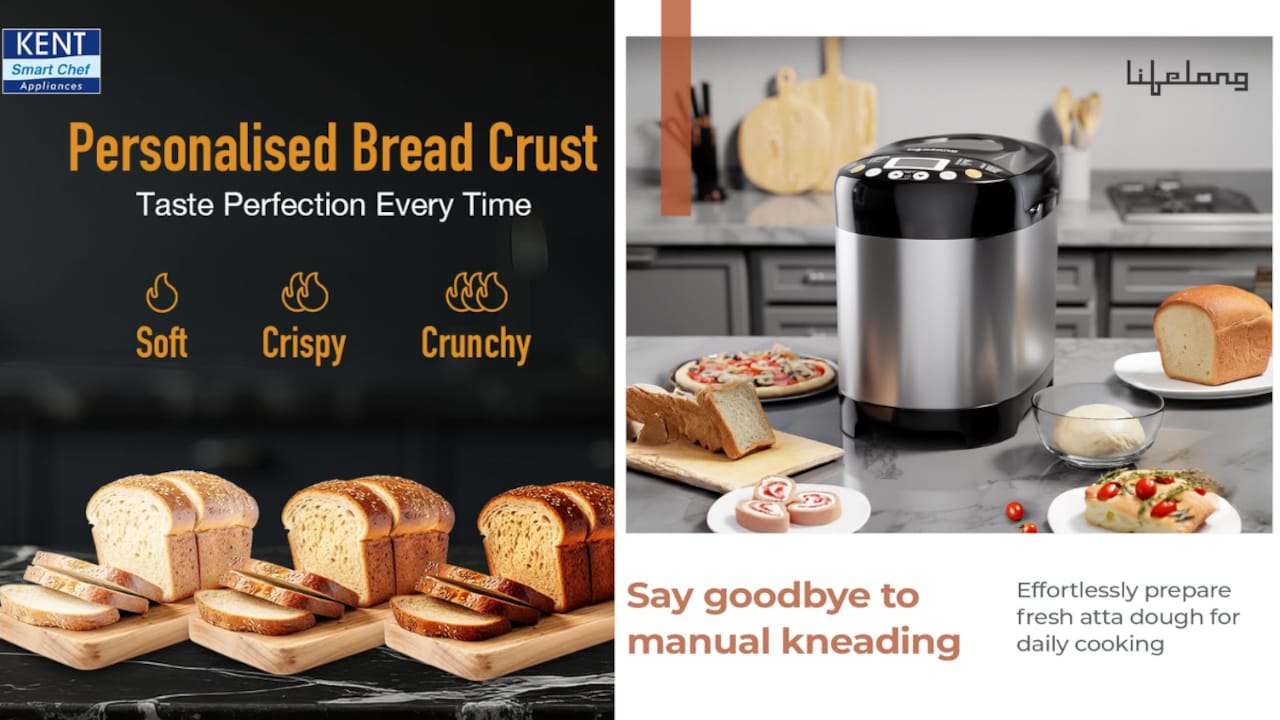
Few things feel as comforting as warm bread straight out of the oven. It brings back memories of bakery runs on rainy evenings or weekend breakfasts where butter melts instantly into a soft slice. Yet, baking bread at home often sounds more romantic than practical. Kneading dough, waiting for it to rise, and managing temperatures demand patience and time.
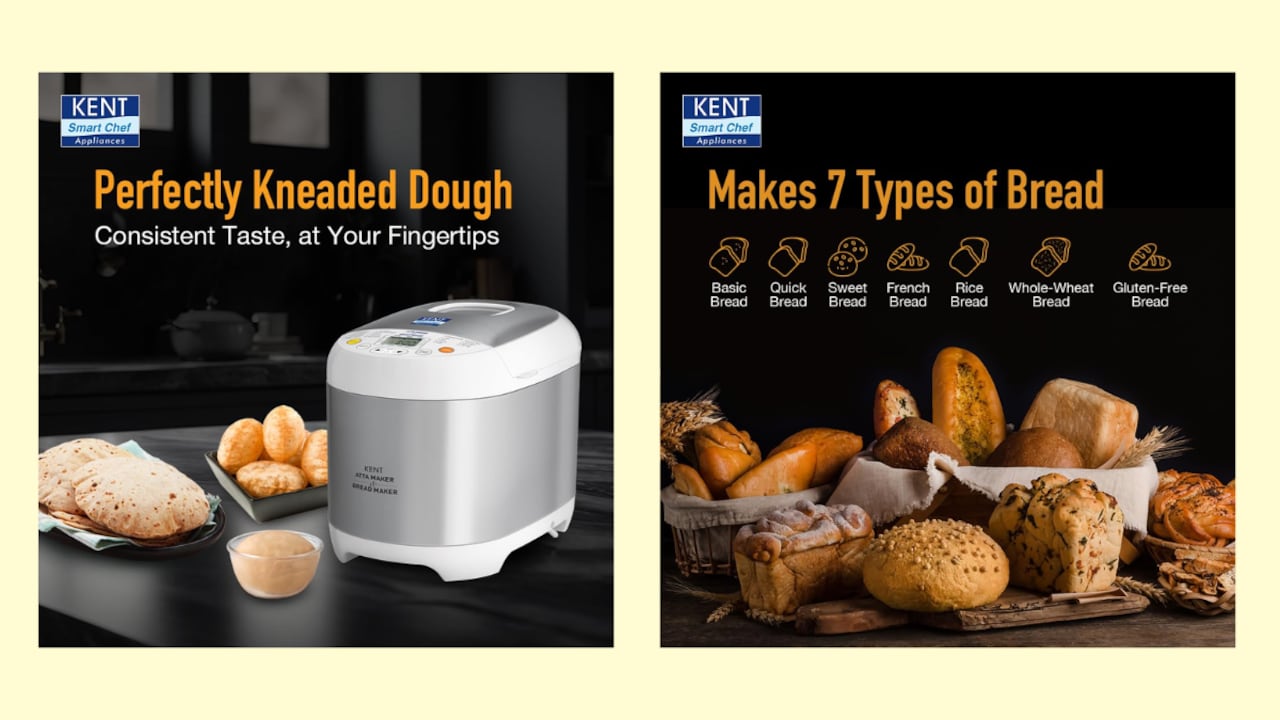
10 reasons why you need home bread makers; Photo Credit: Amazon
This is where automatic bread makers enter the conversation. These machines promise fresh bread with minimal effort. Add ingredients, press a button, and return to a perfectly baked loaf. Sounds tempting, especially in homes where time feels scarce and convenience matters.
But there's always a catch. Kitchen space is precious, electricity costs add up, and not every gadget justifies its place. So, are these machines truly worth it, or are they another trend that fades after a few uses? The answer lies somewhere between practicality, lifestyle, and expectations.
Also Read: Make Your Own Bread: Top Bread-Maker Machine Deals On Amazon, At Up To 45% Off
Breaking Down The Pros And Cons Of Automatic Bread Machines
The Allure Of Freshly Baked Bread At Home
The appeal of homemade bread goes beyond taste. It carries a sense of satisfaction that packaged loaves cannot replicate. Watching ingredients transform into a golden loaf feels almost magical, even if a machine does most of the work.
In many households, food connects deeply with emotion. Fresh bread can elevate a simple meal into something memorable. A slice with butter and chai on a slow evening, or toasted bread paired with homemade spreads, feels indulgent without being extravagant.
Store-bought bread, though convenient, often lacks freshness and control over ingredients. Preservatives, added sugar, and inconsistent quality leave many searching for alternatives. A bread maker promises full control over what goes into each loaf.
Still, romance alone does not justify a bulky appliance. The real question is whether the experience remains exciting after the first few weeks or quietly turns into routine, eventually fading into neglect.
Convenience Versus Traditional Baking Effort
Traditional bread making demands time and attention. Mixing, kneading, resting, shaping, and baking can stretch over several hours. For many, this process feels therapeutic. For others, it feels exhausting.
Automatic bread machines eliminate most of this effort. With preset programs, they handle everything from kneading to baking. This convenience makes them appealing for working households where time feels limited.
Imagine setting up ingredients at night and waking up to the smell of fresh bread. It sounds like luxury without the cost of a bakery visit. For families juggling work, school, and daily chores, such ease can feel like a blessing.
However, convenience comes with trade-offs. The tactile joy of kneading dough disappears. The process becomes less personal and more mechanical. Some may miss the involvement that makes baking feel special.
Ultimately, the choice depends on whether the goal is convenience or experience. Both offer value, but not everyone prioritises them equally.
Cost Considerations And Long-Term Value
A good bread maker usually costs anywhere between ₹6,000 and ₹15,000. At first glance, that might seem steep for something that performs a single function.
However, regular bread consumption can quickly balance the cost. A decent loaf from a bakery can cost ₹60 to ₹120. Over months, those expenses add up. Making bread at home can reduce costs significantly, especially for larger families.
Electricity usage also factors into the equation. While bread makers consume power, the cost per loaf remains relatively low. Over time, the savings on store-bought bread often offset these expenses.
Still, value depends on consistency. A machine used twice a week offers good returns. One used twice a year becomes an expensive decoration.
It's not just about affordability but about commitment. Buying a bread maker makes sense only if it becomes part of regular kitchen habits, not an occasional novelty.
Space Matters In Modern Kitchens
Kitchen space often feels like prime real estate. Every appliance must justify its footprint. A bread maker, though not massive, still requires dedicated space.
In smaller kitchens, adding another appliance can feel overwhelming. Countertops already hold mixers, pressure cookers, and perhaps an air fryer. Finding room for a bread machine may mean sacrificing something else.
Storage is another concern. Constantly moving the machine in and out of cabinets can become inconvenient. Over time, this effort discourages regular use.
However, for those with organised kitchens or less clutter, the machine can fit comfortably into daily routines. It can even replace other tools by combining multiple functions like kneading and baking.
The decision often boils down to priorities. If fresh bread ranks high, space can be managed. If not, the machine may struggle to earn its place.
Variety And Customisation Options
One of the strongest advantages of bread makers lies in their versatility. They are not limited to plain white bread. Whole wheat, multigrain, gluten-free, and even sweet breads become easily accessible.
Customisation allows control over ingredients. Adjust sugar levels, add seeds, experiment with flavours, or create healthier versions of favourite breads. This flexibility appeals to those who enjoy experimenting in the kitchen.
For families with dietary preferences or restrictions, this feature proves invaluable. Fresh, customised bread ensures better quality and taste.
Yet, too many options can overwhelm beginners. Understanding settings and measurements requires a learning curve. Initial attempts may not always succeed.
Over time, though, confidence grows. Once familiar, the machine becomes a creative tool rather than just a convenience appliance.
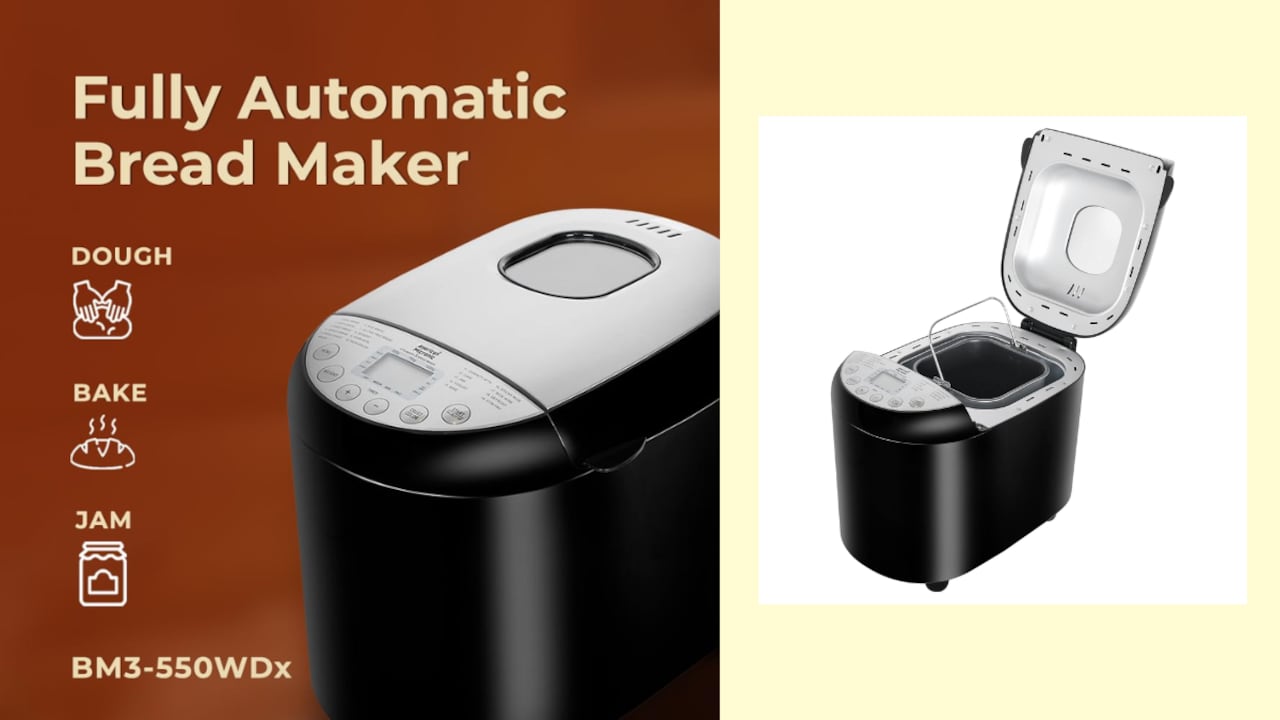
Bread makers let you experiment with different recipes; Photo Credit: Amazon
Taste And Texture: Does It Match Bakery Quality?
Taste remains the ultimate test. No matter how convenient or cost-effective, bread must satisfy expectations.
Bread from a machine often differs slightly from bakery loaves. The crust may feel softer, and the shape tends to be more uniform. While some appreciate this consistency, others miss the rustic charm of hand-shaped bread.
That said, freshness gives homemade bread a clear advantage. Warm slices straight from the machine often taste better than packaged options that sit on shelves for days.
Texture also improves with practice. Adjusting ingredients and settings can bring results closer to personal preference.
While it may not fully replicate artisanal bakery bread, it offers a reliable and satisfying alternative that fits everyday needs.
Maintenance And Cleaning Realities
Every appliance demands upkeep, and bread makers are no exception. Cleaning involves removing the baking pan and washing it carefully.
Thankfully, most machines come with non-stick interiors, making cleaning relatively simple. Unlike traditional baking, there are fewer utensils involved, which saves time.
However, neglecting maintenance can lead to problems. Residue buildup affects performance and taste. Regular care ensures consistent results.
Another factor is durability. Machines from reliable brands tend to last longer, but cheaper models may develop issues over time.
Maintenance is manageable but requires discipline. Those who prefer low-effort solutions may find this acceptable, while others might see it as an additional chore.
Noise, Timing, And Daily Routine Fit
Bread makers operate quietly compared to many kitchen appliances, but they are not completely silent. The kneading process can produce noticeable sound.
Timing also plays a role. A typical cycle lasts around 3 to 4 hours. Planning becomes essential, especially when fresh bread is needed at a specific time.
Many machines offer delayed start options, allowing users to schedule baking in advance. This feature fits well into structured routines.
For households with unpredictable schedules, however, managing these cycles may feel inconvenient.
Ultimately, the machine works best when integrated into daily habits rather than used sporadically.
Who Should Consider Buying One?
Bread makers suit certain lifestyles more than others. Families that consume bread regularly will benefit the most. It becomes both economical and convenient.
Health-conscious individuals also find value in controlling ingredients. Homemade bread eliminates unwanted additives and allows better choices.
On the other hand, occasional bread eaters may not find enough use for the machine. For them, bakery visits remain more practical.
Those who enjoy cooking experiments will appreciate the versatility. Others who prefer simplicity may see it as unnecessary.
The decision is less about the product itself and more about personal habits and preferences.
Products Related To This Article
1. Kent Atta and Bread Maker for Home
2. AMERICAN MICRONIC® Atta & Bread Maker
3. KITCHENARM 29-in-1 SMART Bread Maker Machine with Gluten Free Setting
4. SHARP Atta and Bread Maker for Home, Kitchen
5. Glen Bread Maker & Atta Kneader Machine
Automatic bread machines sit at an interesting intersection of convenience and lifestyle choice. They offer fresh bread with minimal effort, reduce long-term costs, and allow creative freedom in the kitchen.
Yet, they demand space, regular use, and a willingness to adapt routines. Without these, they risk becoming just another unused appliance.
For households that value fresh, customised bread and can accommodate the machine, the investment feels worthwhile. For others, traditional options remain simpler and equally satisfying.
In the end, a bread maker is not just about bread. It reflects how modern kitchens balance tradition with convenience, and how everyday choices shape the way meals are enjoyed.
(Disclaimer: This article may include references to or features of products and services made available through affiliate marketing campaigns. NDTV Convergence Limited (“NDTV”) strives to maintain editorial independence while participating in such campaigns. NDTV does not assume responsibility for the performance or claims of any featured products or services.)