How To Pick The Best Spot In Your Home To Place An Air Purifier For Better Air Circulation?
Placing an air purifier in the right spot improves airflow and helps it remove dust, smoke and allergens more effectively. Learn where to position it for cleaner air and better performance.
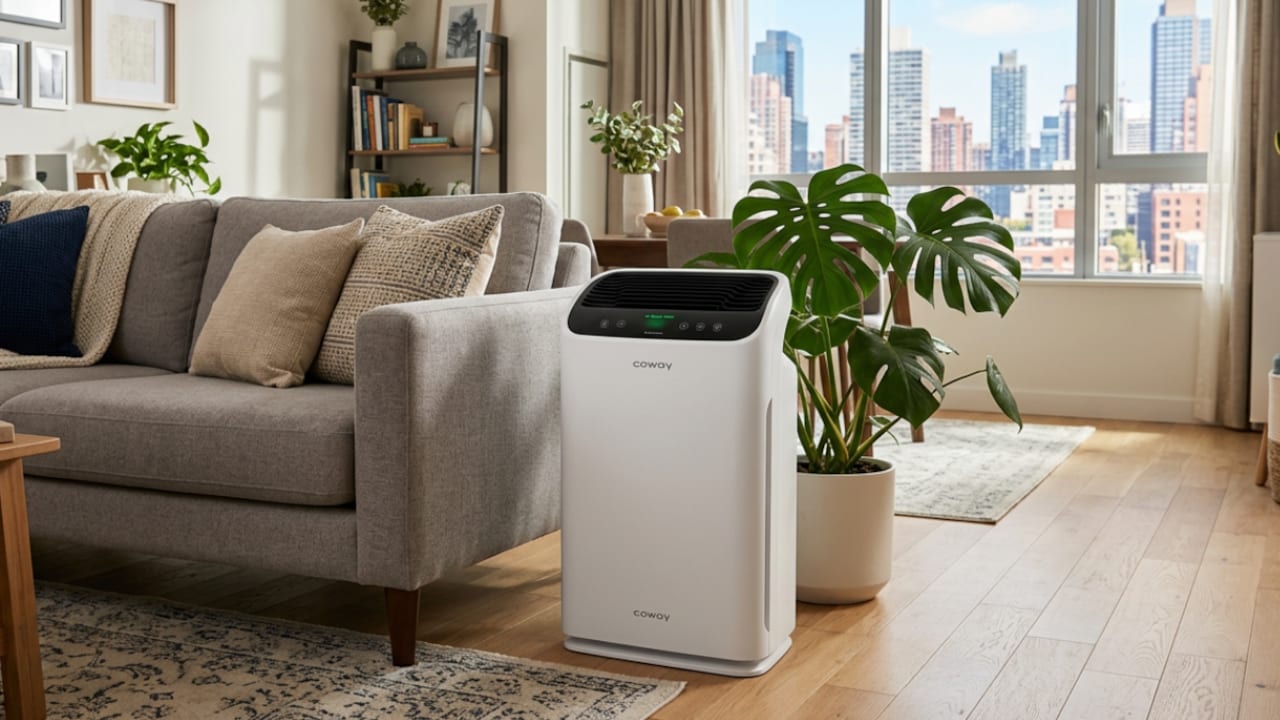
Best placement tips to get maximum benefit from your air purifier
Buying an air purifier often feels like a big decision. People compare filters, room coverage, noise levels and electricity use, then bring the machine home with a small sense of victory. After that, it usually lands wherever there happens to be a spare plug. That final step matters more than it appears. An air purifier needs space to draw in polluted air and release cleaner air back into the room. Furniture, curtains, walls, open doors and ceiling fans can all affect this process. A machine squeezed beside a cupboard may look tidy, yet it could keep cleaning the same small pocket of air.
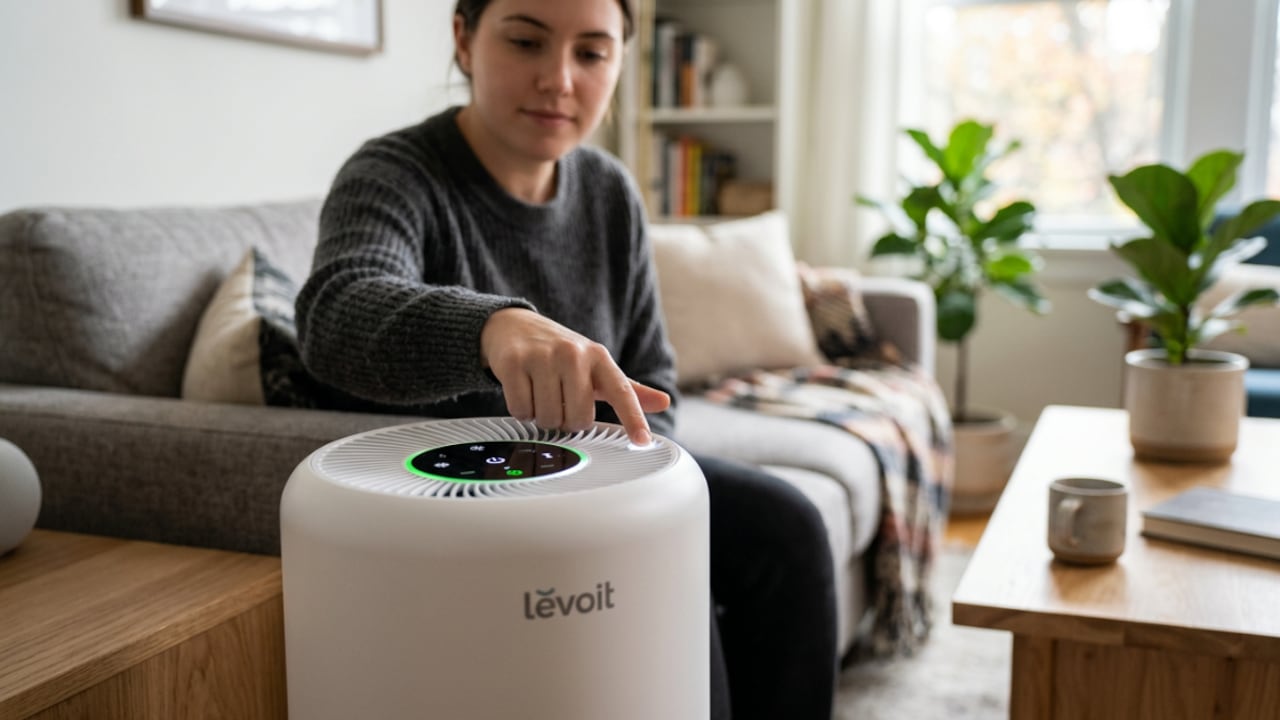
What is the best spot for air purifiers in home; Photo Credit: Gemini
The best position depends on the room, the source of pollution and the habits of the household. A bedroom needs a different approach from a kitchen. A home with pets faces different challenges from one beside a busy road. The following ten placement tips can help an air purifier work with the room rather than fight against it.
Also Read: Best Air Purifiers In India 2026 For Asthma And Dust Allergy
Finding The Ideal Air Purifier Placement
Place It Where The Pollution Begins
The most useful starting point is simple: identify the main source of pollution. Air purifiers work best when they capture unwanted particles before those particles spread across the room.
In a home near a busy road, the right position may be close to the balcony door or window where dust and traffic fumes enter. In a bedroom, it could be near a wardrobe that gathers lint or beside a doorway through which outside air regularly flows.
The same idea applies to pet hair, incense smoke and cooking odours. A purifier placed near the source can remove pollutants more quickly. However, it should never sit directly beside flames, heat or moisture. Leave enough distance for safety and proper airflow.
Think of the purifier as a watchman at the gate rather than a cleaner chasing dust after it has travelled everywhere. Catching pollution early reduces pressure on the filter and helps the room feel fresher sooner.
This approach can also help a modest machine perform more effectively, which matters when every home appliance must earn its place in the monthly budget.
Keep Enough Space Around The Machine
An air purifier needs breathing room of its own. When its air inlet sits flush against a wall, sofa or curtain, the machine cannot draw in enough air. The fan may still hum confidently, but circulation will suffer.
Most models benefit from at least 20 to 50 centimetres of open space around them, although the product manual should guide the final distance. Avoid squeezing the unit under a table or wedging it between pieces of furniture. Curtains can block vents and may even get pulled towards the intake.
A neat-looking corner might appear ideal, yet corners often trap air and limit movement. A better position sits slightly away from the wall, with the main vents exposed.
This does not mean placing the purifier in the centre of the room like a new family member waiting for tea. It simply needs a clear route for air to enter and leave.
Good clearance also makes cleaning easier. Filters, vents and sensors collect dust over time. When the machine remains accessible, regular maintenance becomes a quick task rather than a Sunday project involving the movement of half the living room.
Choose A Spot With Natural Airflow
Every room has invisible traffic. Air moves through doors, windows, fans, coolers and air conditioners, creating pathways that can either support or disrupt purification.
The ideal location sits where moving air can carry pollutants towards the purifier and distribute cleaner air across the room. A gentle crossflow works particularly well. For example, when air enters through a window on one side and moves towards a doorway on the other, the purifier can sit somewhere along that route.
Avoid placing it directly beneath a ceiling fan running at full speed. Strong turbulence may scatter particles faster than the purifier can capture them. The same caution applies to powerful air-conditioner vents.
Observe the room for a day. Notice where curtains move, where dust gathers and which doorway stays open most often. These small clues reveal the natural circulation pattern.
The purifier should join that flow rather than compete with it. When positioned correctly, it acts almost like a roundabout for indoor air, drawing in stale air and sending cleaner air back into circulation. This creates a more even result, with fewer stuffy pockets around beds, sofas and work desks.
Avoid Corners And Hidden Spaces
Corners tempt people because they keep appliances out of sight. Unfortunately, they also reduce an air purifier's reach.
Air moves less freely in tight corners, especially when two walls, a cupboard and a curtain form a small enclosure. The machine may clean the air immediately around it while leaving the rest of the room largely untouched.
Hidden spaces beneath shelves, behind doors or beside bulky television units create a similar problem. They obstruct the air intake and interfere with the clean-air outlet. Some purifiers release air from the top, while others push it from the front or sides. Blocking any of these outlets weakens circulation.
A visible, open location usually performs better, even when it interrupts carefully arranged décor. The answer lies in finding a sensible balance. Try a spot beside a low cabinet, near the end of a sofa or along an open wall where the purifier has space without becoming a tripping hazard.
Treat it as a useful appliance, not an object that must disappear. Nobody hides a ceiling fan behind a curtain and expects it to cool the room. Clean air also needs a clear route.
Put It At The Right Height
Height matters because different pollutants behave in different ways. Heavier dust and pet dander often settle closer to the floor, while smoke and fine particles may remain suspended for longer.
A floor-standing purifier usually works well when placed directly on a clean, level surface. Smaller desktop models may perform better on a sturdy table or shelf.
Avoid putting a purifier on a thick rug. Soft flooring can block vents near the base, hold dust and make the unit unstable. A tiled, stone or wooden surface provides stronger support and makes cleaning easier. When placing a compact unit on furniture, keep it away from the edge and ensure the surface can handle gentle vibration.
In a bedroom, a position roughly level with the lower half of the bed can help capture particles around the sleeping area. In a living room, knee-to-waist height may suit many compact models, provided the vents remain clear.
There is no need to chase a mathematically perfect height. Match the position to the purifier's design and the pollution source. Check where the air intake sits, then choose a level that keeps it exposed and stable.
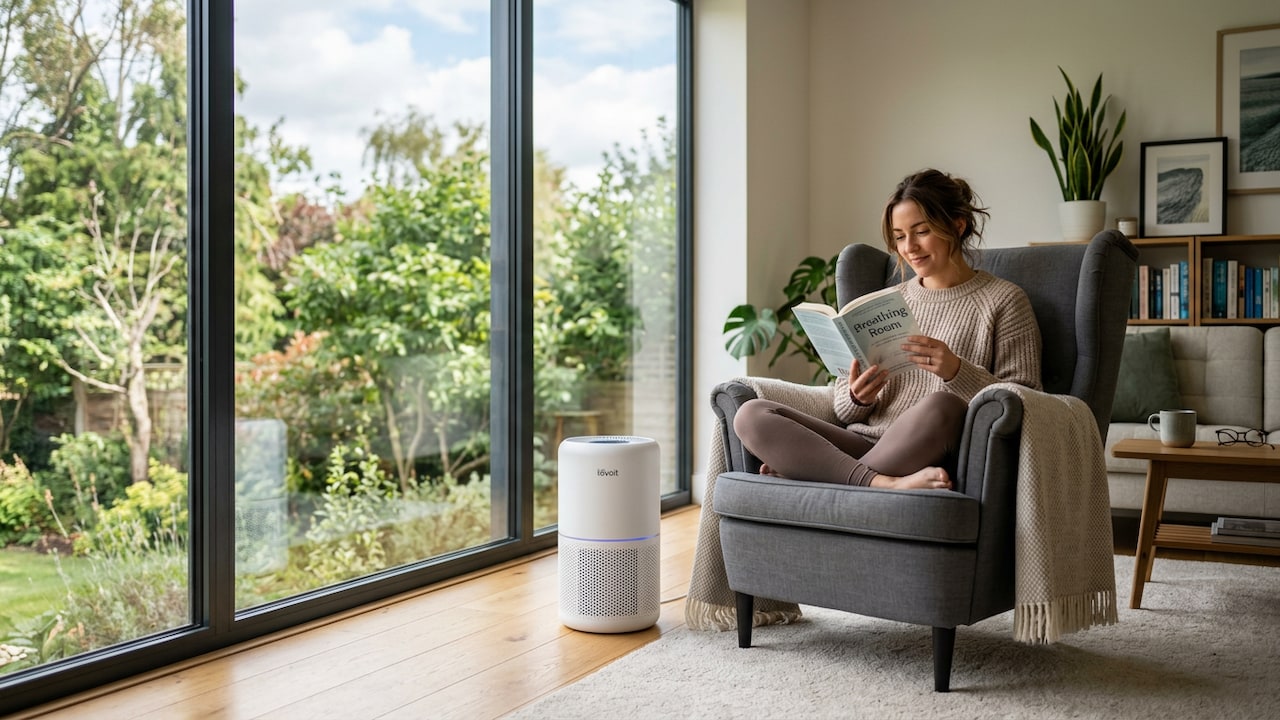
Ensure proper height based on the purifier type for best results; Photo Credit: Gemini
Prioritise The Bedroom At Night
People spend several hours in the bedroom, often with doors and windows closed. That makes it one of the most important spaces for an air purifier.
Place the unit near the bed, but not so close that air blows directly onto the face. A distance of around one to two metres usually offers a comfortable balance. Keep it away from pillows, loose bedsheets and curtains that could block the intake.
The purifier should also remain clear of bedside clutter, including chargers, books, water bottles and the heroic pile of clothes waiting to be folded.
Noise matters at night. Even a quiet purifier can become noticeable in a silent room. Positioning it slightly farther from the head of the bed can reduce disturbance without greatly affecting performance. Many models also include a sleep mode that lowers fan speed and dims bright display lights.
Close the bedroom door when practical. Purifying one defined space works more efficiently than asking one machine to clean the bedroom, hallway and half the drawing room.
The improvement may not feel dramatic at first, but reduced stuffiness and fewer dusty smells can make mornings noticeably more comfortable.
Be Careful Around Windows And Doors
Windows and doors bring in fresh air, but they can also introduce dust, pollen, smoke and traffic pollution. Placing an air purifier near these entry points can help capture particles quickly.
However, putting it directly beside an open window may waste energy because outdoor air continuously replaces the air being cleaned. During periods of heavy pollution, close the windows and place the purifier a short distance inside the room. This allows it to intercept incoming particles without battling a constant outdoor stream.
When the outdoor air feels cleaner, ventilation and purification can work together.
Doors present another challenge. A purifier tucked behind a door may lose airflow whenever the door opens. It may also get knocked over or become an everyday nuisance. Choose a nearby position that remains clear throughout the door's full swing.
Homes facing construction sites or busy lanes may notice dust collecting near window grills and balcony entrances. These areas deserve attention, but the purifier should not sit where rain, harsh sunlight or hot air can reach it.
A practical spot slightly inside the room protects the machine while still guarding the main route through which pollution enters.
Keep It Away From Heat And Moisture
Air purifiers and moisture make poor companions. Bathrooms, damp corners, humid kitchens and spaces beside air coolers can expose the machine to water vapour.
Moisture may damage electrical components, interfere with sensors and encourage mould growth inside a neglected filter. The unit should always sit on a dry surface, away from splashes, leaking windows and wet laundry.
Heat creates another risk. Do not place the purifier next to a gas stove, room heater or window that receives strong afternoon sunlight. High temperatures can strain internal parts and shorten filter life.
In the kitchen, keep the purifier far enough from smoke, oil and cooking grease. It can reduce airborne particles and lingering smells, but it cannot replace a chimney or exhaust fan. Greasy fumes may also coat the filter quickly and reduce its efficiency.
Use the exhaust while cooking, then run the purifier in a nearby dry area to deal with particles that remain in the air.
Think of the machine as a careful electronic worker. It handles dust with enthusiasm but strongly dislikes steam, oil and heat. Give it a cool, dry station, and it will work more reliably.
Match The Purifier To The Room Size
Even perfect placement cannot rescue a purifier that is too small for the room. Check the recommended coverage area before deciding where the machine should operate.
A compact purifier designed for 150 square feet will struggle in a large open-plan living and dining room, no matter how cleverly it is positioned.
In a larger room, place the unit near the main activity zone rather than at the far edge. This could be beside the primary seating area or close to the dining space, depending on where people spend more time.
Long or irregularly shaped rooms may present another challenge. One powerful unit can still leave distant corners untreated. In such cases, two smaller purifiers may create more balanced circulation than one machine working alone.
Open doors increase the effective area as well. A purifier in the living room may end up drawing air from the corridor, kitchen and bedrooms. Closing doors to unused spaces allows it to concentrate on the occupied room.
Room size should guide expectations as well as placement. A machine cannot perform miracles simply because it costs ₹15,000 and has an impressive glowing display. Strong results come from matching capacity, location and fan speed to the space.
Consider Where People Spend The Most Time
A purifier should work where people actually live, not merely where an empty corner happens to exist.
In the living room, place it near the seating area where the family gathers for evening television, conversations or a tense cricket match. In a home office, position it close enough to the desk to improve the surrounding air without allowing the outlet to blow papers around.
Households with children may need to balance circulation with safety. Keep the purifier away from play areas, loose wires and routes used for running between rooms. A stable position beside a wall can work well, provided there is enough clearance around the vents.
Homes with older family members may benefit from placing the machine near the chair or room they use most often. Similarly, anyone dealing with allergies may prefer the purifier closer to the sleeping or working area.
There is little value in cleaning a formal room that remains closed all day while everyone sits elsewhere.
Follow the rhythm of the home. A well-placed purifier should quietly support daily life without demanding constant attention, blocking movement or becoming an obstacle during the morning rush.
Test Different Positions Before Settling
The first location does not need to become the permanent one. Rooms behave differently depending on furniture, weather, fan use and everyday routines.
Try the purifier in two or three sensible places and observe the difference over several days. Pay attention to dust levels, odours, allergy symptoms and the reading on the air-quality display, when the model includes one.
A location that appears perfect may perform badly because a sofa blocks circulation. Another spot may look less convenient but clean the room much faster.
Run each test under similar conditions. Keep windows and doors in roughly the same positions and use the same fan setting. This makes the comparison fair.
Also consider whether the placement causes inconvenience. A position in the middle of a walkway may deliver excellent circulation until someone bumps into the purifier while carrying hot chai.
Small adjustments can produce meaningful results. Moving the unit half a metre away from a wall or turning its outlet towards the open part of the room may improve circulation noticeably.
Treat placement as a practical experiment rather than a one-time decorating decision. Watch how the room responds, and let everyday experience reveal which position works best.
Products Related To This Article
1. Coway Airmega 150 (Ap-1019C) Air Purifier For Home
2. Pure Air PA1 Wozoyo Air Purifier
3. LEVOIT Core Mini Air Purifier for Coverage Area
4. Philips AC0920 Smart Air Purifier for Home
5. Qubo Smart Air Purifier Q200 by Hero
6. Xiaomi 4 Lite Smart Air Purifier for Home
7. Eureka Forbes Air Purifier 355
The best place for an air purifier is open, dry, safe and reasonably close to the main source of pollution. It should have enough space around its vents and sit where natural airflow can carry dirty air towards it and cleaner air back into the room.
No single position suits every home. Bedrooms, living rooms, kitchens and workspaces each create different challenges. Furniture, windows, pets, traffic dust and daily routines all influence circulation.
The smartest choice comes from observing how the room works and testing a few practical locations.
An air purifier does not need the most stylish corner. It needs the most useful one. Give it space, match it to the size of the room and protect it from heat, moisture and obstructions.
A little planning can improve performance, extend filter life and help the whole room breathe more comfortably. After all, clean air should travel through the home freely, not remain trapped behind the sofa.
(Disclaimer: This article may include references to or features of products and services made available through affiliate marketing campaigns. NDTV Convergence Limited (“NDTV”) strives to maintain editorial independence while participating in such campaigns. NDTV does not assume responsibility for the performance or claims of any featured products or services.)