10 Reasons OTG Cakes Brown Too Fast On Top But Stay Wet Inside
A cake that looks perfectly browned but turns out wet in the middle usually points to uneven heat, incorrect rack placement or the wrong baking setup. Here are 10 common OTG mistakes that can cause it.
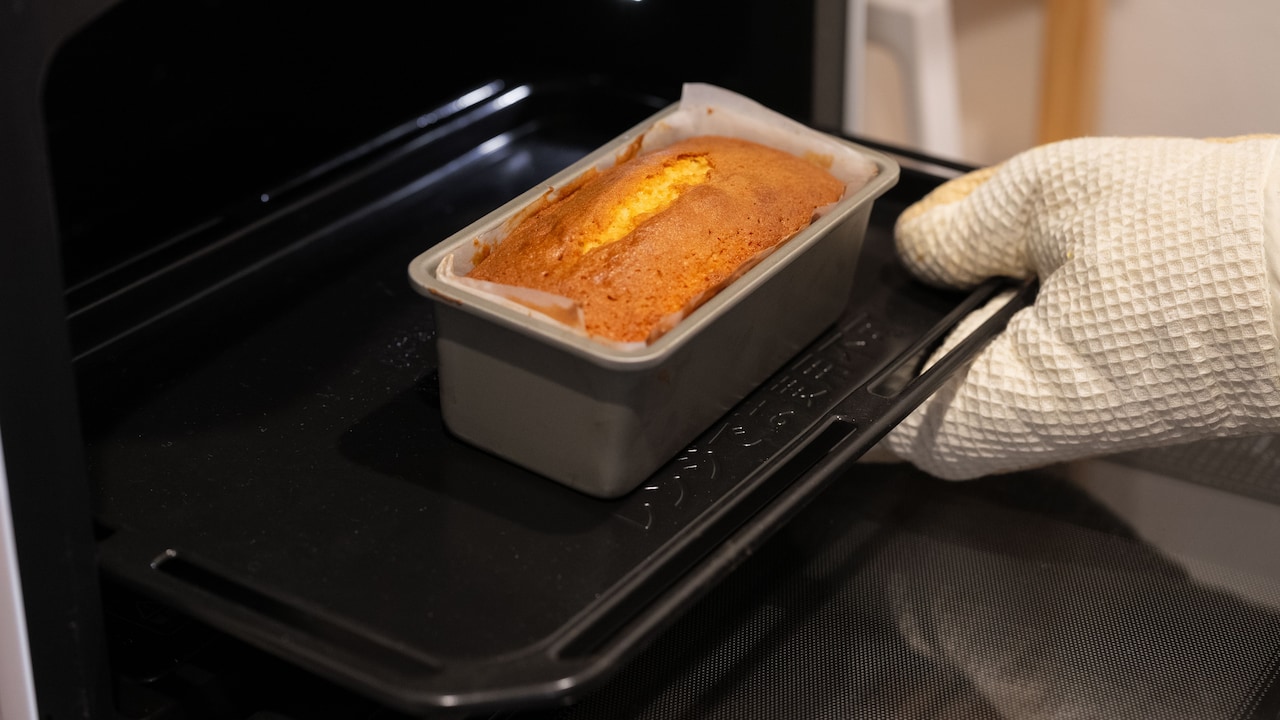
How to bake cakes to perfection in OTGs
Few baking disappointments are quite as deceptive as a cake that looks ready before it actually is. The top has turned a lovely golden brown. The kitchen smells like vanilla and butter. The edges appear firm. Then the knife goes in and comes back coated in sticky batter. OTGs can make this problem particularly common because their heating elements sit relatively close to the food. The upper element may colour the surface aggressively while the centre of the batter is still struggling to reach the temperature required to set. Unlike larger ovens with more space for heat to circulate, compact OTGs can develop noticeable hot zones, especially when rack position, tin size or temperature settings aren't quite right.
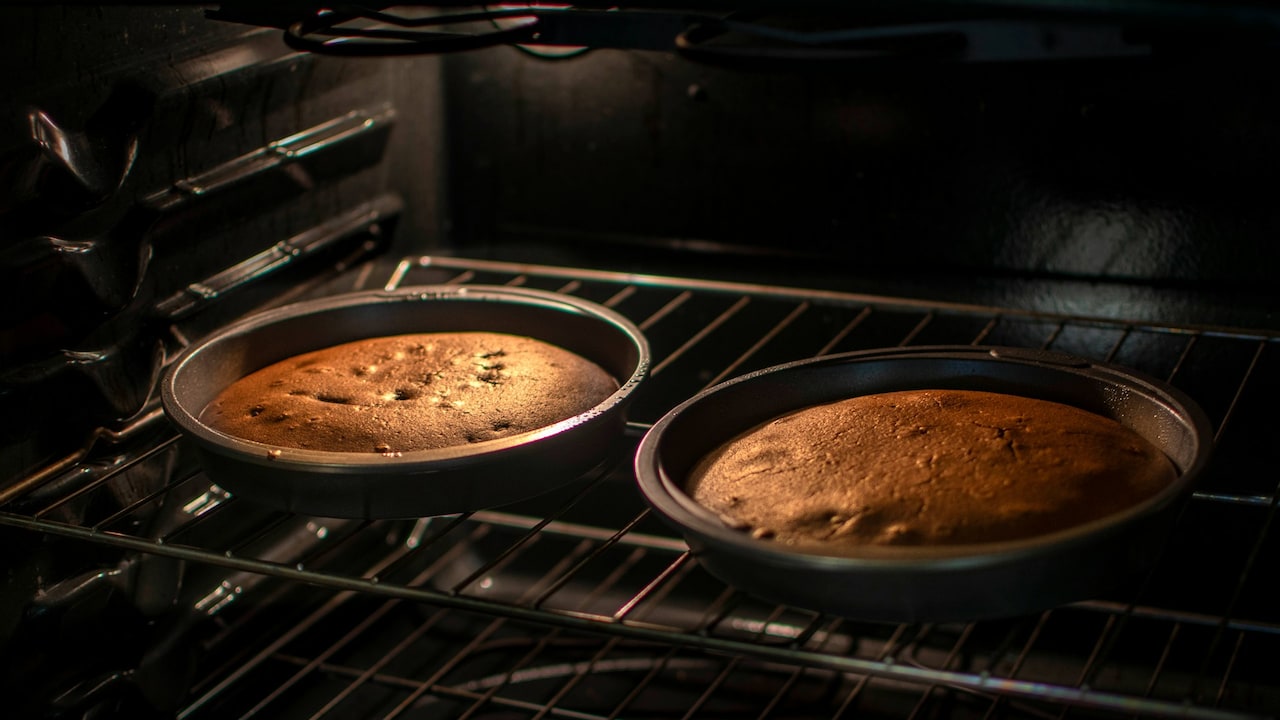
Why cakes don't cook perfectly in OTGs
Photo Credit: Unsplash
The good news is that a wet centre doesn't automatically mean the recipe has failed. Often, the culprit is something surprisingly small: the cake tin sitting one rack too high, an overly dark baking pan, an inaccurate temperature dial or repeated peeking through the door.
Also Read: 7 OTG Oven Do's and Don'ts Every Beginner Should Know
Before extending the baking time and hoping for the best, it helps to understand what the oven is actually doing. Here are 10 reasons cakes can brown beautifully on top while remaining stubbornly wet inside.
Why Your OTG Cake Looks Done Before It Actually Is
1. The Cake Tin Is Sitting Too Close To The Top Heating Element
Rack placement can make or break an OTG cake. When the cake tin sits too high, the top heating rod sends intense radiant heat directly onto the surface. That heat browns the sugar and proteins quickly, sometimes long before enough warmth has travelled through the batter.
The result can look deceptively impressive. You may get a deep golden crust within 20 or 25 minutes while the middle still moves when the tin gets a gentle shake.
For most cakes, placing the rack around the middle or slightly below the middle of the OTG gives the batter more balanced exposure to heat. Smaller OTGs may require an even lower position because the distance between racks and heating rods is limited.
Don't judge placement purely by the number of rack slots. Look at the physical distance between the cake and the upper heating element. If the surface sits only a few centimetres beneath a glowing rod, excessive browning becomes much more likely.
Moving the cake one level lower can sometimes solve the entire problem without changing the recipe or temperature.
2. The Temperature Dial Is Hotter Than The Number Suggests
Setting an OTG to 180°C doesn't guarantee that the chamber is actually sitting at 180°C.
Temperature dials on small ovens can have noticeable variations. An OTG set to 180°C might occasionally run at 190°C or even higher, particularly once the heating rods cycle on and off. That difference may seem minor, but cakes can react dramatically to it.
Excessive heat sets and browns the outside too quickly. Meanwhile, the centre needs time for heat to travel through the batter and transform its liquid ingredients into a stable crumb. When the outside races ahead, the top may look finished while the centre remains semi-liquid.
An inexpensive oven thermometer can reveal whether the displayed temperature matches the actual temperature inside the chamber. Place it near the centre of the rack and check the reading after the oven has preheated properly.
If the OTG consistently runs hot, lowering the dial by 10°C to 20°C may produce a more even bake. Slower isn't necessarily worse with cakes. Sometimes it is exactly what the centre needs.
3. The Cake Tin Is Too Small For The Amount Of Batter
A tall layer of batter takes considerably longer to bake through than a shallow one.
This becomes a problem when a recipe designed for an eight-inch or nine-inch cake tin gets squeezed into something smaller. The cake may technically fit, but the deeper batter creates a much longer journey for heat.
The surface receives direct heat immediately. The centre doesn't. Heat must gradually move from the outer portions of the cake towards its middle. With an unusually deep cake, the top can brown, crust and even start drying out while the centre remains closer to pudding than sponge.
Overfilled tins can cause another headache: the cake may rise rapidly before the structure has strengthened enough to hold itself. It can then sink in the centre as it cools.
As a general habit, avoid filling a cake tin almost to the rim. Leaving adequate space for the batter to rise encourages more predictable baking.
When changing tin sizes, don't assume the original baking time will still work. Tin diameter, depth and material all change how quickly the cake cooks.
4. The Top Heating Rod Is Doing Too Much Work
OTG settings can be surprisingly easy to misunderstand. Depending on the model, the controls may allow the upper rod, lower rod or both rods to operate.
For most conventional cakes, balanced heat from both the upper and lower elements works better than relying heavily on the top element. If the upper rod is producing most of the heat, the cake surface receives a blast of energy while the base and middle warm much more slowly.
This doesn't mean the top rod should always be switched off. Cakes still need surrounding heat for even cooking. The goal is balance.
Check the function selector before blaming the batter. Symbols on OTG dials aren't always intuitive, and it's surprisingly easy to leave the appliance on a grilling or top-heating mode after cooking something else.
If the cake keeps developing a dark crust unusually early, pay attention to which rods glow during baking. A healthy bake should not resemble grilling.
Also check the instruction manual for the recommended cake setting, since heating configurations differ between OTG models.
5. The Cake Tin Is Dark And Absorbing Heat Too Quickly
Two identical batches of batter can bake differently simply because they went into different tins.
Dark metal absorbs heat efficiently. That can be useful when you want strong browning, but it may cause trouble with delicate cakes in a compact OTG. A dark tin can heat its edges rapidly while the centre catches up more slowly.
Light-coloured aluminium tins generally produce gentler, more even browning for many sponge and butter cakes. Glass dishes behave differently again. They retain heat well, which can continue cooking the cake even after it leaves the oven.
The effect becomes more noticeable when the OTG already runs hot. Combine a high oven temperature, a dark tin and a rack close to the heating rod and the cake may develop an impressive brown exterior while remaining underdone inside.
There's no need to throw out every dark baking tin in the cupboard. Simply account for its behaviour. A slightly lower temperature or different rack position may help.
Knowing your bakeware can be almost as important as knowing your recipe..
Dark tins absorb heat quickly and may lead to uneven baking results
Photo Credit: Pexels
6. The OTG Wasn't Preheated Long Enough
Putting cake batter into a barely warm OTG can create a strange baking pattern.
Cake recipes depend on a fairly immediate and predictable burst of heat. Once the tin enters a properly preheated oven, gases trapped in the batter expand, fats melt and the cake begins developing its internal structure.
In an underheated OTG, that process starts slowly and unevenly. Then, when the heating rods switch on aggressively to reach the selected temperature, the surface suddenly faces intense direct heat. The top can begin colouring rapidly even though the centre spent the first part of the bake warming up rather than properly cooking.
Waiting for an indicator light to switch off isn't always enough. Some OTGs technically reach their target temperature quickly but haven't yet distributed that heat evenly throughout the chamber.
Giving the appliance around 10 to 15 minutes to preheat, depending on its size and manufacturer instructions, usually provides a more stable starting point.
Cake batter doesn't particularly enjoy waiting around either. Prepare the tin beforehand so the mixture can go into the properly heated oven soon after mixing.
7. Too Much Liquid Has Gone Into The Batter
Sometimes the OTG isn't the problem at all. The batter simply contains more moisture than the recipe can comfortably handle.
An extra splash of milk, oversized eggs, too much yoghurt or incorrectly measured oil can make the centre take far longer to set. The surface may still brown on schedule because sugar, fat and proteins react readily to oven heat. Underneath that attractive crust, however, excess liquid keeps the crumb soft and gummy.
This often happens when ingredients get measured casually. A kitchen mug isn't necessarily equivalent to the cup measurement used in a recipe, and heaped measurements can quickly alter ingredient ratios.
Fruit can introduce unexpected moisture too. Bananas, apples, pineapple and other juicy ingredients release water during baking. Adding more fruit because it “looks healthier” can quietly turn a dependable cake recipe into a very wet one.
Baking allows creativity, but the basic ratios matter.
If the same cake repeatedly stays wet despite correct oven settings, look at the batter next. Accurate weighing often solves problems that another 15 minutes in the OTG cannot.
8. Opening The OTG Door Too Often Is Cooling The Centre
That irresistible urge to check the cake every few minutes can work against it.
Opening an OTG door releases a considerable amount of hot air. Small ovens can lose heat especially quickly because their internal chambers don't have much thermal mass. Once the door closes, the heating elements must work hard to restore the temperature.
That creates an awkward cycle. The centre of the cake loses the steady heat it needs, while the upper heating rod may glow intensely during recovery. The surface gets another dose of direct radiant heat, but the middle experiences repeated temperature interruptions.
This explains why frequent checking can produce a cake that's dark on top yet surprisingly undercooked inside.
Use the glass door instead. Watch the rise without opening the OTG during the early stages of baking. Most cakes shouldn't be disturbed until their structure has had enough time to set.
Once you're close to the recipe's expected baking time, test the centre quickly with a skewer and close the door if it needs longer. Curiosity is understandable. Every five minutes, however, becomes sabotage.
9. The Batter Was Mixed Too Heavily Or Unevenly
Mixing affects much more than whether the ingredients look combined.
When flour gets overmixed into a cake batter, gluten develops more than necessary. The cake may become dense, chewy or reluctant to rise properly. A dense centre takes longer to cook because heat struggles to move through it as efficiently as through a light, well-aerated crumb.
Uneven mixing creates another problem. Pockets of wet batter can hide near the bottom or centre if flour and liquid ingredients haven't been incorporated thoroughly. The cake's exterior may bake normally while those patches remain sticky.
The solution isn't aggressive stirring. Once flour enters the mixture, gentle folding usually works better for recipes that call for it. Scrape the sides and bottom of the bowl so no streaks of flour or pools of liquid remain.
Be especially careful with cakes that rely on whipped eggs or creamed butter for aeration. Knocking out all that trapped air produces a heavier mixture.
The batter should reach the oven evenly combined, not beaten into submission.
10. The Cake Needs More Time, But The Top Needs Protection
Sometimes nothing is seriously wrong. The cake simply hasn't finished baking.
Recipes provide useful timings, but real ovens, tins and ingredients introduce variables. A recipe that says 35 minutes may take 42 minutes in one OTG and 48 in another. Humidity, tin depth, ingredient temperature and oven calibration can all shift the finish line.
The mistake is assuming that a browned top means the cake must come out.
If the surface has reached the colour you want but the centre still appears wet, loosely covering the top with aluminium foil can help. The foil reduces direct radiant heat reaching the crust while allowing the interior to continue baking.
Don't press the foil against the cake. Give the rising surface enough room.
Then continue baking and check at sensible intervals rather than every minute. A skewer inserted near the centre should emerge clean or with a few moist crumbs, depending on the cake. Wet batter means it needs longer.
Think of browning and doneness as separate signals. They don't always arrive together.
Products Related To This Article
1. PureBake Premium Sgs Certified Cake Baking Combo 4 Baking Set Includes Round Cake Tin
2. Glen Multi-Function OTG for Kitchen 35 Litre
3. Lifelong Electric Hand Mixer for Baking, Whipping & Kneading
4. INKULTURE Stainless Steel Measuring Cups & Spoon Combo for Dry or Liquid
5. Meyer Bakemaster Carbon Steel Non Stick Springform Cake Tin
6. Faber FOTG 24L Neo|1500 Watts OTG|Bake,Toast, Grill
7. iBELL EO50LGDLX Otg 50 Litre
8. Prime Bakers And Moulders Round Removable Bottom Cake Pan
A beautifully browned cake can be convincing, but colour alone doesn't tell you what's happening in the middle. OTGs concentrate heat into a small chamber, so rack height, temperature, heating modes and bakeware can have an outsized effect.
Start with the simplest fixes: preheat properly, position the rack lower, verify the temperature and use the correct tin size. If the top still browns early, protect it while the centre finishes cooking. Once you understand how your particular OTG distributes heat, that dreaded golden-on-top, gooey-inside surprise becomes far easier to avoid.
(Disclaimer: This article may include references to or features of products and services made available through affiliate marketing campaigns. NDTV Convergence Limited (“NDTV”) strives to maintain editorial independence while participating in such campaigns. NDTV does not assume responsibility for the performance or claims of any featured products or services.)