10 Reasons Air Purifiers Suddenly Speed Up While You Are Cooking
An air purifier suddenly roaring while dinner cooks usually isn’t malfunctioning. Frying, spices, steam and invisible airborne particles can all trigger its sensors and push the fan into a higher gear.
What leads to air purifiers speeding up when you are cooking
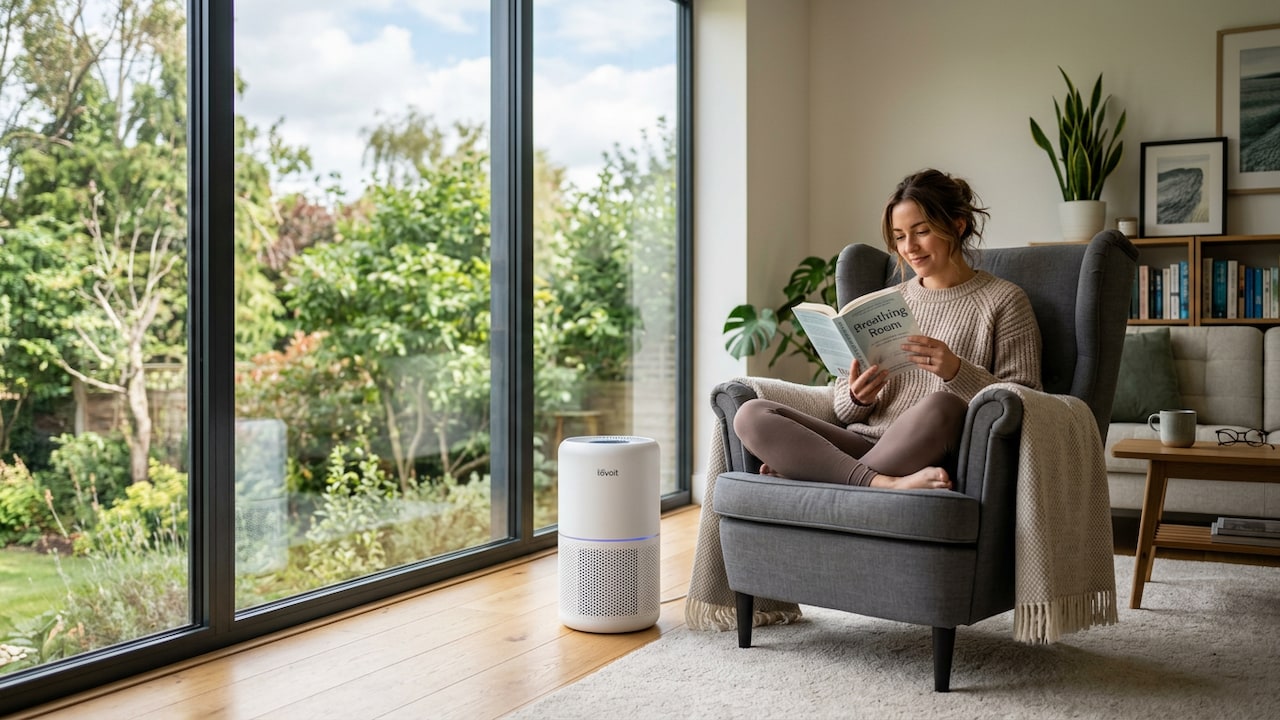
There's a familiar little kitchen mystery. The air purifier sits quietly in the corner for most of the day, humming away like an appliance with absolutely nothing to prove. Then someone heats a frying pan, tosses in a handful of spices, and suddenly the purifier sounds ready for take-off. It can seem strange, particularly when there's no visible smoke. The dal isn't burning. The parathas look perfectly fine. Nothing smells alarming. Yet the purifier's air-quality indicator may change colour and its fan can jump from a gentle whisper to full speed within seconds.
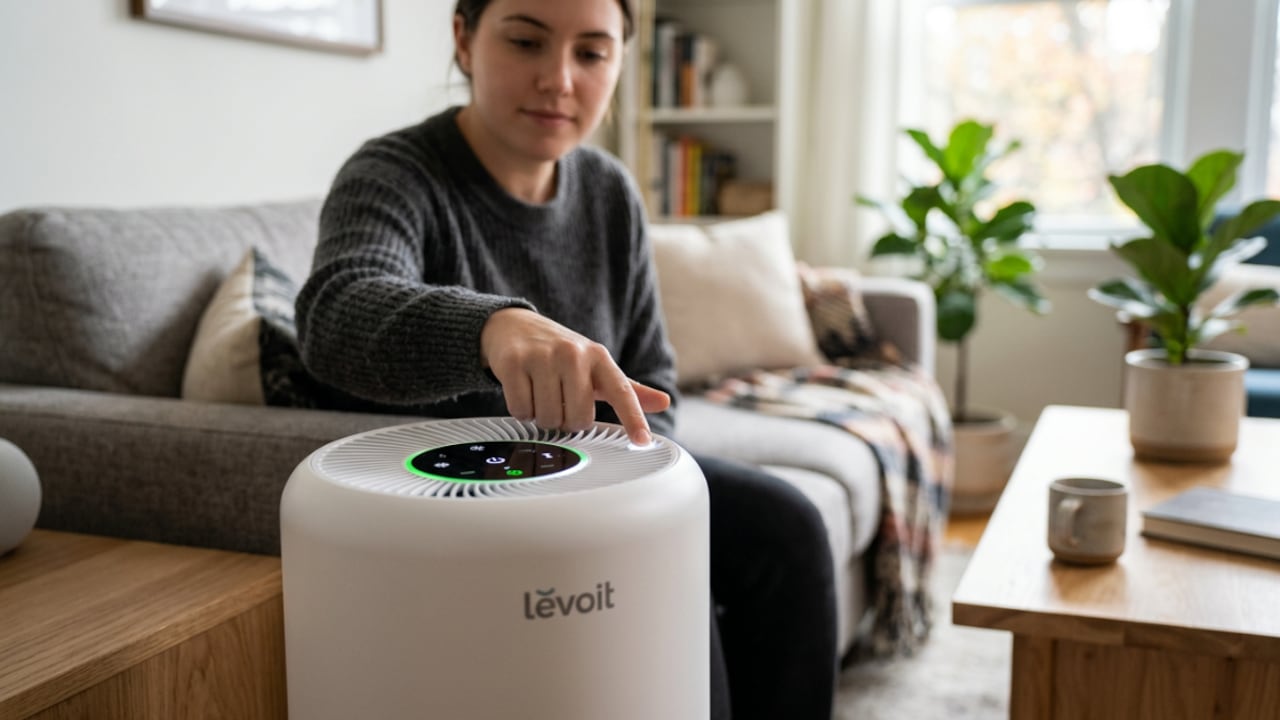
Why do air purifiers speed up when you are cooking; Photo Credit: Gemini
That reaction usually has a straightforward explanation. Cooking releases much more into the air than the smells our noses can detect. Tiny oil droplets, combustion particles, moisture, aerosols and volatile compounds can spread well beyond the hob. Modern air purifiers constantly monitor some of these changes. In automatic mode, they respond by moving more air through their filters.
Also Read: Breathe Easy: How To Pick The Best Air Purifiers For Dusty City Homes With Open Windows
So, when an air purifier suddenly becomes the loudest appliance in the room, it may simply be doing exactly what it was designed to do.
What Makes Air Purifiers Work Harder While You Cook
1. Frying Releases Tiny Oil Particles Into The Air
That crispy tadka comes with an airborne side effect. When oil reaches a high temperature, microscopic droplets and particles can escape from the pan and float through the surrounding air. You might not see them, but an air purifier's particulate sensor may notice them very quickly.
This becomes particularly obvious during shallow frying, deep frying or high-heat tempering. Foods such as pakoras, pooris, cutlets or anything cooked in a sizzling layer of oil can cause particle levels near the kitchen to climb sharply.
Automatic air purifiers respond to that increase by raising their fan speed. The machine wants to pull more surrounding air through its filters while particle concentrations remain elevated.
Interestingly, a spotless-looking kitchen can still contain plenty of these invisible aerosols. That's why the purifier might suddenly race even when there isn't a dramatic cloud of smoke hanging over the stove.
Ventilation helps. Running the chimney or exhaust fan while frying removes pollutants closer to their source. The purifier can then deal with whatever escapes into the adjoining space instead of trying to shoulder the entire job alone.
2. High-Heat Cooking Can Produce Fine Particulate Matter
Cooking doesn't need to involve deep frying to affect indoor air quality. Simply heating food at high temperatures can create extremely small particles, especially when ingredients brown, char or stick to a hot cooking surface.
Think about roasting spices on a dry tawa, searing paneer, crisping dosa edges or waiting for a roti to puff directly over a flame. These everyday cooking methods can release fine airborne material even when everything seems to be going according to plan.
Many purifiers use particle sensors that react to changing concentrations of fine particulate matter. When the readings rise, automatic mode tells the fan to work harder.
This can produce a curious situation where the purifier reacts before anyone in the room notices anything unusual. The sensor doesn't need watery eyes or a smoky smell to decide that the air has changed.
Very high heat can make the reaction stronger. A pan that sits empty over a flame for too long may also release residues left from previous cooking.
So, a sudden burst of purifier activity isn't necessarily an accusation that dinner has gone wrong. Sometimes a hot pan alone creates enough airborne material to wake the machine up.
3. Gas Burners Add Their Own Cooking Pollution
Sometimes the meal isn't the only thing changing the air. The flame underneath it matters too.
A gas hob produces combustion by-products whenever it burns fuel. Depending on the burner, ventilation and combustion conditions, cooking over gas can add gases and ultrafine particles to indoor air. Those pollutants may combine with whatever the food itself releases.
That helps explain why an air purifier may increase speed soon after the burner comes on, even before anything starts sizzling.
Not every purifier senses the same pollutants directly. Many consumer models focus primarily on particulate matter, while some also contain sensors designed to respond to gases or volatile compounds. Either way, combustion can contribute to changing sensor readings.
The effect often becomes more noticeable in a closed kitchen. Shut windows, switch off the chimney and cook several dishes at once, and pollutants have fewer places to go. They gradually spread into nearby rooms, where the purifier notices the difference.
Using an exhaust fan or chimney remains important because source ventilation removes pollutants before they spread. The purifier then acts as backup rather than becoming the kitchen's very determined one-appliance clean-up crew.
4. Tempering Spices Creates A Sudden Burst Of Airborne Material
Few cooking moments announce themselves quite like a tadka. Hot oil, cumin, mustard seeds, dried chillies, curry leaves and spices can transform a dish in seconds. They can transform the purifier's behaviour just as quickly.
When spices hit hot oil, the sudden heat releases aromatic compounds along with tiny droplets and particles. Some ingredients create a particularly noticeable burst. Dried chillies provide the classic example: anyone who has accidentally inhaled chilli fumes knows how effectively they travel.
The purifier doesn't understand that someone is preparing dinner. Its sensor simply detects a rapid change in the surrounding air.
That sharp spike can make automatic mode react more dramatically than it does during slower cooking. The fan might jump several levels rather than increasing gradually.
Ground spices can add another complication. Tip turmeric, chilli powder or masala into a pan a little too enthusiastically and some fine powder may briefly become airborne before settling.
This doesn't mean spices should somehow stay away from the kitchen. It simply explains why a small pan of sizzling tadka can make an air purifier respond as though a much larger pollution event has taken place.
5. Smoke From Slightly Burnt Food Can Travel Surprisingly Far
Burning food doesn't always arrive with a dramatic black cloud and a smoke alarm screaming overhead. Sometimes it is one forgotten onion at the bottom of a pan or the edge of a roti catching slightly over the flame.
Even that small amount of scorching can release a concentrated mix of smoke particles and gases.
Fine smoke travels easily. It can move out of the kitchen, through a doorway and into the room where the purifier sits. The machine may detect the change long before the smoke becomes obvious.
This explains why the purifier sometimes races after the cooking mishap appears to have ended. Airborne particles don't disappear the moment the burnt pan comes off the hob. They can remain suspended and circulate through the home.
The purifier therefore keeps working until its sensor readings fall.
Opening a kitchen window or using an exhaust system can shorten this process considerably. Otherwise, the purifier has to repeatedly pull contaminated room air through its filter.
And yes, that stubborn piece of garlic that became charcoal while everyone checked their phone can absolutely create enough pollution to make a sensitive purifier complain about it for a while.
Smoke from cooking can also cause air purifier to speed up; Photo Credit: Gemini
6. Steam Can Confuse Some Particle Sensors
Here's where things get slightly more interesting. Sometimes the purifier speeds up even during relatively clean cooking, such as boiling rice, making soup or steaming vegetables.
Moisture may play a role.
Many air purifiers use optical particle sensors. These sensors shine light through sampled air and estimate particle concentrations according to how objects scatter that light. Under certain conditions, tiny water droplets from steam or high humidity can interfere with those readings.
The machine may therefore interpret some moisture droplets as an increase in airborne particles.
That doesn't mean every burst of steam will send every purifier into overdrive. Sensor design, distance from the kitchen and room humidity all make a difference. Still, steam can help explain puzzling situations where the air-quality display changes dramatically even though nobody has fried, grilled or burnt anything.
Placement matters here. Keeping a purifier directly beside the cooker isn't generally the best arrangement. Heat, grease and concentrated steam can expose the machine to more contamination than necessary.
Give it some breathing room. Position it where it can circulate air effectively without sitting directly in the plume rising from the pots.
7. Cooking Smells Often Come With Volatile Compounds
A kitchen smell may feel harmless because it disappears eventually, but that aroma represents actual chemicals travelling through the air.
Heating oils, vegetables, spices, sauces and other ingredients can release volatile organic compounds, commonly shortened to VOCs. Their concentrations and types vary enormously depending on what and how we cook.
Some air purifiers include gas or VOC sensors alongside their particulate sensors. When these machines detect a rise in certain airborne compounds, automatic mode may increase the fan speed.
This helps explain an odd scenario: the purifier races even though the room doesn't look smoky at all.
Strong aromas can make the reaction particularly noticeable. Frying onions, browning garlic or cooking intensely spiced dishes can fill a home with aromatic compounds without producing an obvious haze.
A purifier equipped with an activated-carbon filter may help reduce some odours and gaseous pollutants. The HEPA-style particle filter and carbon layer perform different jobs, though, so filter design matters.
In other words, the wonderful smell drifting from the kitchen may signal dinner to everyone else. To the purifier, it can simply look like another reason to start working harder.
8. A Nearby Purifier Detects Pollution Before It Dilutes
Purifier placement can make two identical cooking sessions produce completely different reactions.
Place the machine just outside the kitchen door and it may surge almost every time someone cooks. Move the same purifier farther across a larger room and its response may appear slower or less dramatic.
The reason comes down to concentration.
Air leaving the cooking area initially carries a relatively concentrated mixture of particles, vapours and odours. As that air spreads through the home, it mixes with cleaner surrounding air. The concentration gradually falls.
A purifier sitting directly in the path of that plume gets the strongest dose first. Its sensor may register a sudden jump and immediately command a faster fan speed.
Air movement also matters. Ceiling fans, kitchen exhausts, open windows and air conditioners can create pathways that carry cooking pollutants straight towards the purifier.
This is why seemingly strange behaviour may disappear after repositioning the machine.
The goal isn't necessarily to hide the purifier from kitchen air. It should still clean the space. But placing it directly beside the stove can expose the filter and sensor to excessive grease, heat and moisture. A little distance usually makes far more sense.
9. Dirty Sensors Can Make Reactions More Erratic
Not every dramatic fan-speed change originates in the frying pan. Occasionally, the sensor itself needs attention.
Air-quality sensors rely on small openings through which they sample surrounding air. Over time, household dust can accumulate around these areas. In homes where the purifier sits close to the kitchen, greasy residue may join the party too.
A contaminated sensor can sometimes produce readings that appear unusually sensitive, inconsistent or slow to return to normal.
The machine may shoot to maximum speed after minor cooking and remain there longer than expected. Alternatively, its displayed air-quality readings might jump around without an obvious reason.
Cleaning requirements differ between models, so the manufacturer's instructions matter here. Some machines allow gentle cleaning of the sensor inlet with a soft brush or dry cotton swab. Others specify different procedures.
Avoid spraying cleaning liquid directly into sensor openings. That well-intentioned wipe-down could create a much bigger problem.
Filter maintenance matters too. A heavily loaded filter can reduce airflow, although that issue doesn't necessarily cause the sensor reading itself to rise.
If the purifier's cooking reactions suddenly become dramatically different from its usual behaviour, basic maintenance deserves a place on the troubleshooting list.
10. Auto Mode Is Designed To React Quickly To Sudden Changes
Sometimes there isn't a mysterious fault to uncover at all. The purifier speeds up during cooking because automatic mode is doing precisely what the engineers programmed it to do.
In auto mode, the purifier continuously reads its air-quality sensors. When pollution levels rise, it increases airflow so the filters can process more room air. As conditions improve, the machine gradually slows down again.
Cooking creates exactly the type of short, sharp pollution event that makes this feature noticeable.
During ordinary daytime use, air quality may change slowly. Cooking can alter it within minutes. One moment the purifier barely makes a sound; the next, onions hit hot oil and the fan jumps to high speed.
Different brands tune their automatic algorithms differently. One purifier might react aggressively to a small particulate increase, while another waits for readings to remain elevated before speeding up.
The colour indicators can vary too, so a red light doesn't mean exactly the same pollutant concentration across every model.
What matters most is the pattern. If the machine accelerates during cooking and settles again after the air clears, that behaviour generally fits the purpose of automatic purification remarkably well.
Products Related To This Article
1. Coway Airmega 150 (Ap-1019C) Air Purifier For Home
2. Philips Air Purifier AC2220, White
3. LEVOIT Core Mini Air Purifier for Coverage Area 183 Sq Ft
4. Honeywell Air Purifier for Home & Office
5. Xiaomi Air Purifier 4 Lite|160 Sq.ft. in 6 mins
6. Qubo Q500 Smart Air Purifier for bedroom by Hero Group
7. Philips -Air Purifier 900 Series, HEPA NanoProtect
An air purifier that suddenly becomes noisy while dinner is cooking isn't necessarily being temperamental. Frying oil, high heat, gas flames, steam, spices, smoke and volatile compounds can all change the surrounding air.
The purifier's sensors notice those changes and automatic mode responds by increasing airflow. Good kitchen ventilation can reduce the burden, while sensible purifier placement and regular maintenance help keep readings dependable.
So, the next time the fan suddenly roars halfway through making dinner, the machine probably hasn't developed a personal objection to the menu. It has simply noticed what the human eye can't see.
(Disclaimer: This article may include references to or features of products and services made available through affiliate marketing campaigns. NDTV Convergence Limited (“NDTV”) strives to maintain editorial independence while participating in such campaigns. NDTV does not assume responsibility for the performance or claims of any featured products or services.)