Measuring Cup Mistakes That Secretly Ruin Cake Texture
Tiny measuring cup mistakes can turn soft cakes dry, dense or flat. From packed flour to uneven liquids, these common baking habits quietly ruin texture without most people noticing.
Measuring Cup Mistakes That Secretly Ruin Cake Texture
Every baker knows the heartbreak of cutting into a cake that looked perfect on the outside but felt dense enough to stop a ceiling fan. The recipe promised a fluffy sponge worthy of a celebration. Instead, the cake resembled yesterday's bread pakora left near the window during the monsoon season. Surprisingly, the culprit often hides in plain sight. Measuring cups. Those innocent little tools sitting beside the sugar jar create more baking disasters than burnt ovens and forgotten timers combined. Baking works like chemistry dressed up as comfort food. A little extra flour changes the structure. Too much milk weakens the batter. Less sugar affects moisture. Unlike curry or pulao, cake batter rarely forgives guesswork. One casual scoop while chatting on the phone can quietly ruin texture before the cake even reaches the oven.
Measuring Cup Mistakes That Secretly Ruin Cake Texture; Photo Credit: Pexels
Many home bakers blame recipes when cakes fail repeatedly. Yet the real issue often begins with habits picked up over the years. Scooping flour directly from the container, estimating “almost full”, or using tea cups instead of standard measuring cups may seem harmless. Sadly, cakes notice everything. The good news? Most texture problems disappear once measuring becomes accurate and consistent. No fancy culinary diploma required. Just sharper attention, better habits, and perhaps a little patience during late-night baking sessions before birthdays and anniversaries.
Common Measuring Cup Mistakes That Ruin Cake Texture
Packing Flour Into The Cup Like It's A Suitcase
Flour causes more cake disasters than almost any other ingredient. Many people dip the measuring cup straight into the flour container and press it down unknowingly. That single habit adds far more flour than the recipe intended.
Extra flour creates heavy cakes with dry crumbs. Instead of a soft sponge, the texture turns tight and chewy. It feels disappointing, especially after spending ₹600 on butter, cocoa powder, and vanilla essence for a special occasion.
Professional bakers avoid this by fluffing the flour first. They gently spoon it into the cup and level it with a knife. No tapping. No shaking. No pressing. That tiny adjustment changes everything.
Humidity also affects flour dramatically. During sticky weather, flour clumps together and weighs more. Kitchens near coastal areas face this problem often. A casual scoop during humid evenings can overload the batter without anyone noticing.
The difference may seem tiny inside the bowl, but the oven magnifies mistakes quickly. Cakes lose their delicate structure when flour dominates the mixture. Suddenly, the sponge feels more suitable for dipping in chai than serving at a birthday dinner.
Also Read: Measuring Instruments At Up To 80% Off On Amazon- Check Top Picks
Using Liquid Cups For Dry Ingredients
Measuring cups look deceptively similar. That confusion creates chaos in cake batter. Dry measuring cups and liquid measuring cups exist for different purposes, yet many kitchens use them interchangeably.
Liquid cups include extra space at the top to prevent spills. Dry cups allow ingredients to level neatly. When flour goes into a liquid cup, measurement accuracy disappears. The same happens when milk enters a dry cup. Tiny variations start piling up.
A cake batter needs balance. Too much liquid weakens the structure and creates soggy centres. Too little liquid leaves cakes dry and crumbly. Some cakes even sink dramatically in the middle, creating a crater large enough to hide a gulab jamun.
Many home bakers assume “one cup means one cup”. Unfortunately, baking refuses to cooperate with that logic. Recipes depend on precision. Professional kitchens separate measuring tools carefully for this reason.
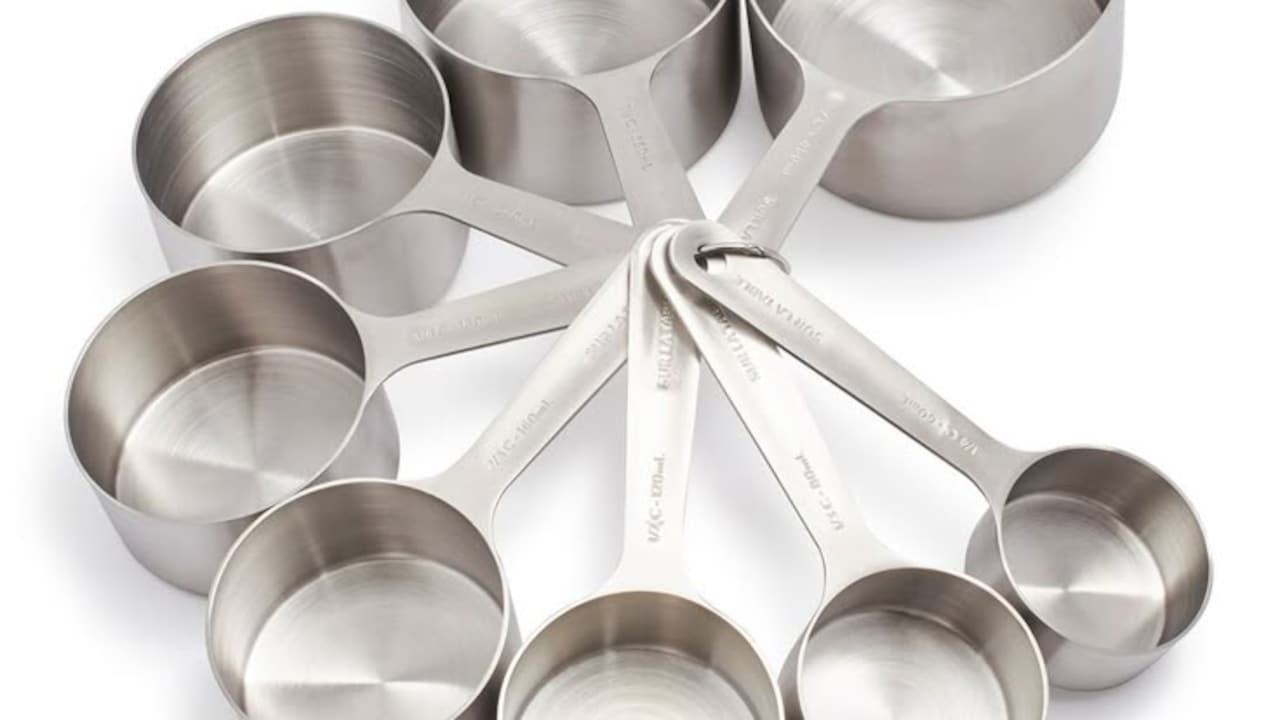
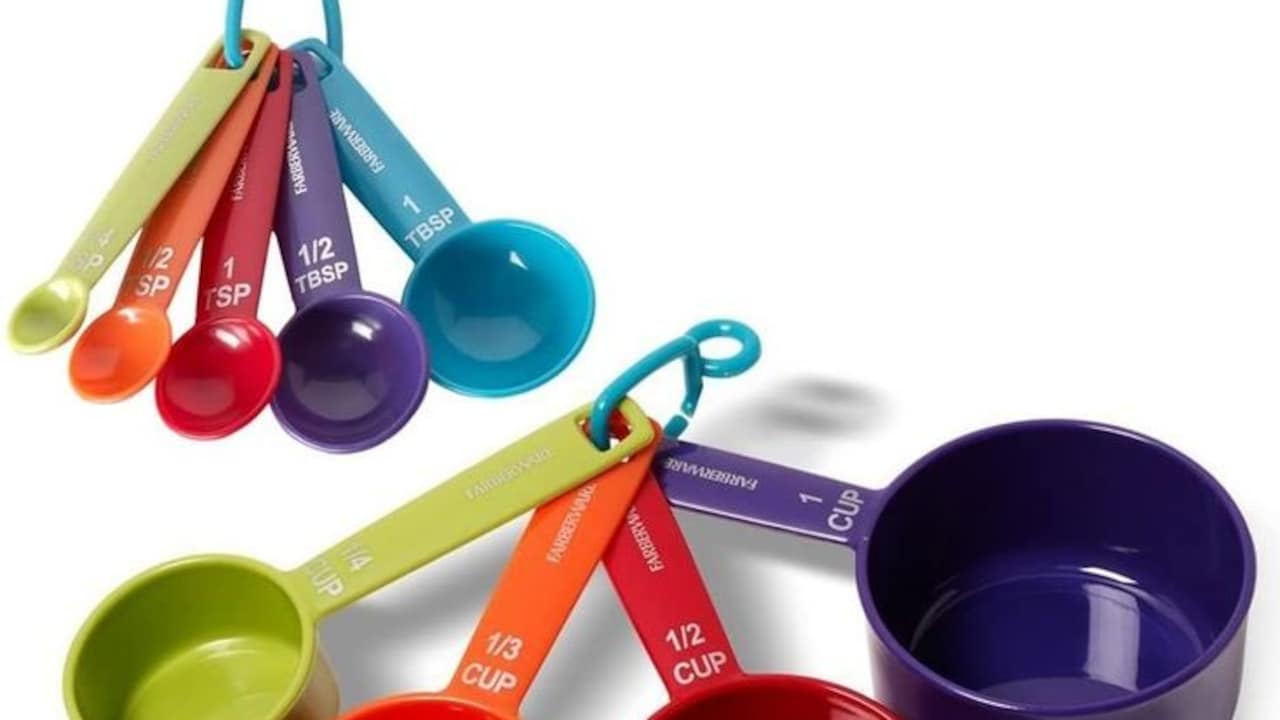
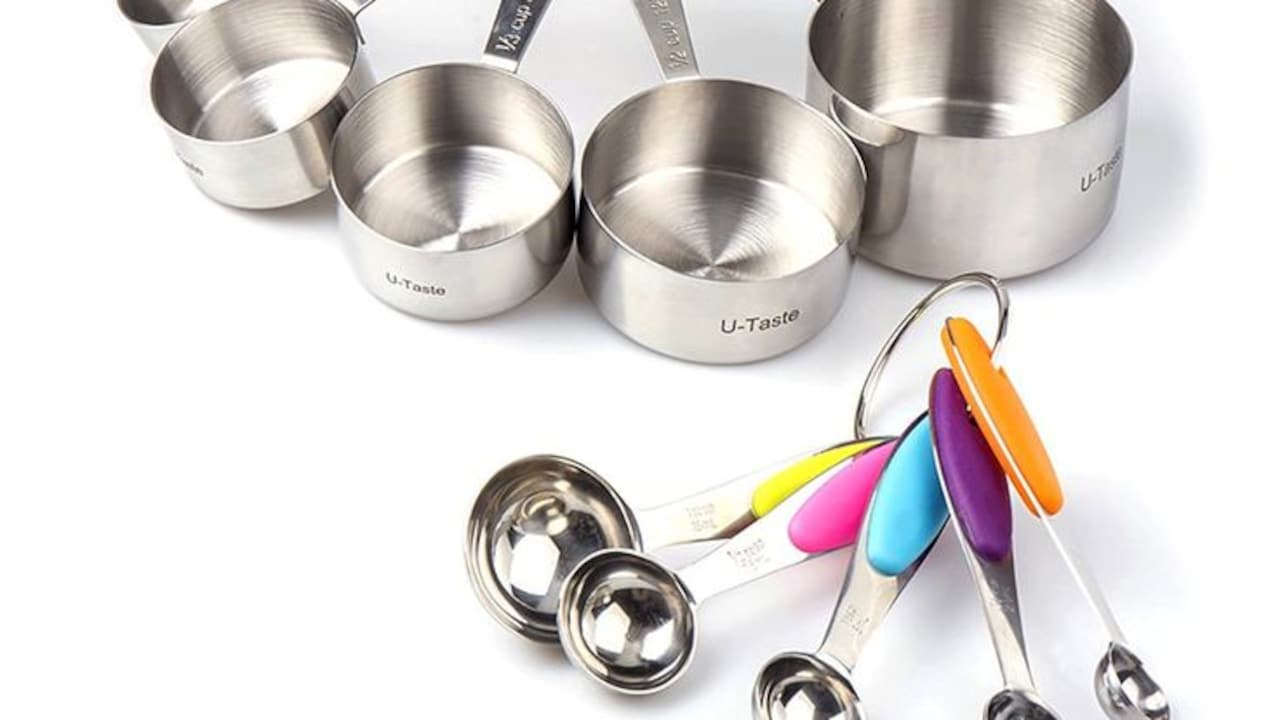
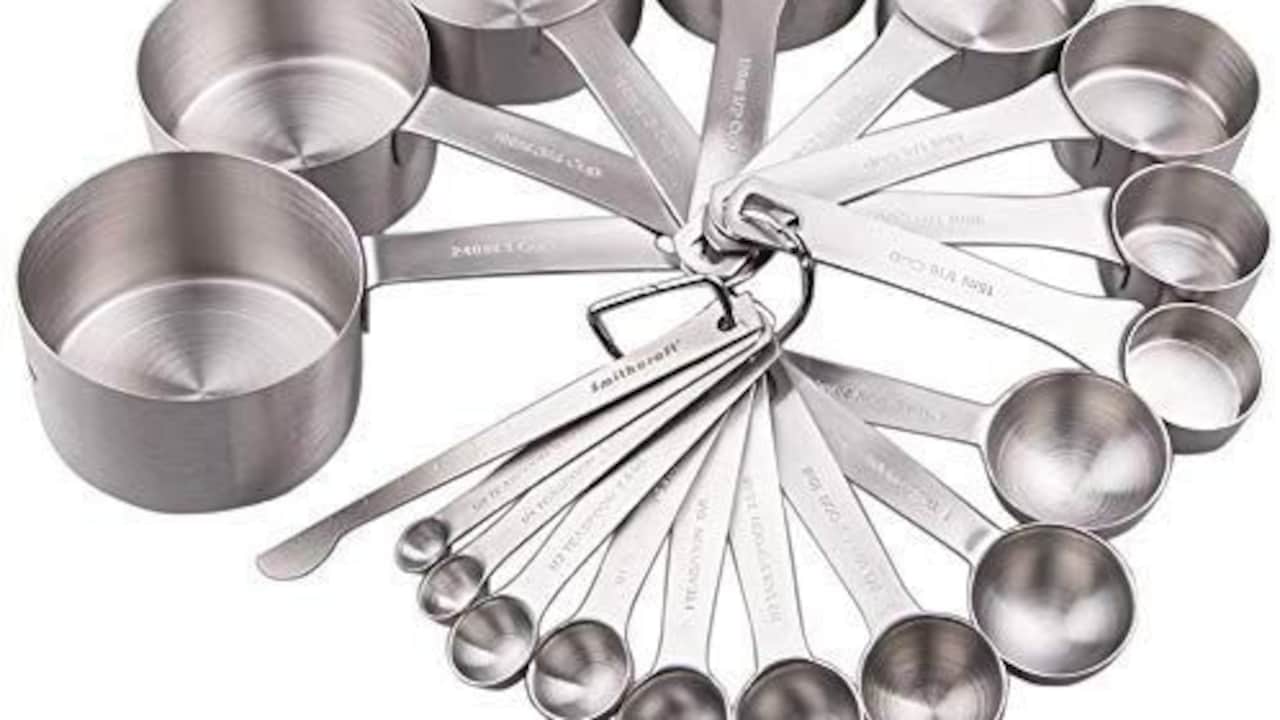
The easiest fix involves investing in a proper measuring set. Even affordable sets under ₹300 improve consistency enormously. It feels like a small purchase until cakes suddenly rise evenly and slices look bakery-worthy instead of suspiciously uneven.
Measuring Cup Mistakes That Secretly Ruin Cake Texture; Photo Credit: Pexels
Measuring Flour Without Levelling The Top
A heaped measuring cup may look generous, but cakes rarely appreciate generosity. Uneven flour measurements quietly change texture and moisture balance.
Some people fill the cup quickly and move on without levelling the surface. Others shake the cup to settle flour, accidentally compacting it further. Both habits increase the amount significantly.
Cake batter depends on the ratio. Flour provides structure, but too much creates stiffness. Imagine expecting a fluffy tea cake and getting something sturdy enough to survive a long train journey without damage. That's often the result of excess flour.
Levelling sounds boring compared to decorating cakes with glossy frosting or colourful sprinkles. Yet it matters more than fancy toppings. A simple knife dragged across the top creates consistency across every bake.
This habit becomes especially important while making layered cakes. Uneven measurements lead to layers with different textures and heights. One layer rises beautifully while another resembles a confused pancake. Frosting struggles to hide such problems.
Great cakes often come from disciplined little habits rather than expensive ingredients. Careful levelling may not look glamorous, but it quietly transforms texture from average to exceptional.
Guessing Measurements Instead Of Checking Properly
Confidence ruins many cakes. After baking a few times successfully, people stop measuring carefully. Sugar gets eyeballed. Milk gets poured “roughly”. Butter chunks look “close enough”.
Then the cake fails mysteriously.
Baking punishes overconfidence faster than most kitchen activities. Tiny errors multiply inside the oven. Extra liquid weakens the structure. Too much butter creates greasy crumbs. Less sugar affects tenderness and colour.
Recipes exist for a reason. Cake chemistry depends on an exact balance between fat, liquid, flour, and sugar. Guessing breaks that balance quickly.
Festive baking often makes this worse. During Diwali parties or family gatherings, distractions fill the kitchen. Someone asks for tea. A phone rings. Music plays loudly. Suddenly, three ingredients enter the bowl without proper measuring.
The final cake may still look decent initially. Then the first slice reveals dry edges, gummy centres, or strange density. Frustration follows immediately because expensive ingredients and effort went to waste.
Checking measurements properly takes an extra minute or two. Compared to the disappointment of serving a failed cake to guests, those minutes feel entirely worthwhile.
Forgetting That Brown Sugar Needs Different Handling
Brown sugar behaves differently from regular sugar, yet many bakers treat both exactly the same. That mistake changes the cake texture more than expected.
Unlike granulated sugar, brown sugar contains moisture. Recipes usually expect it to be packed into the measuring cup firmly. Loose brown sugar means using less than intended.
Less brown sugar reduces moisture and softness. Cakes lose richness and tenderness. The flavour also feels flat. Chocolate cakes especially suffer because brown sugar contributes depth and slight caramel notes.
Many beginners skip packing because it seems unnecessary. Yet professional recipes mention this detail carefully for good reason. Packed brown sugar should hold its shape briefly when removed from the cup.
Storage matters too. Brown sugar hardens quickly in warm kitchens. Some people break chunks loosely into the cup without measuring accurately. That creates inconsistent sweetness throughout the batter.
A simple trick involves storing brown sugar with a small piece of bread or a few marshmallows. It stays soft longer and measures properly. Strange kitchen hacks sometimes work brilliantly.
Correctly measured brown sugar brings softness that feels luxurious. Cakes stay moist for longer instead of drying out by the next morning.
Pouring Liquids While Holding The Cup Mid-Air
This mistake appears harmless, but it changes measurements constantly. Many people pour oil, milk, or cream while holding the cup in the air. The angle distorts the liquid level.
Accurate liquid measuring requires placing the cup on a flat surface and checking at eye level. Otherwise, too much or too little enters the batter.
The difference might seem minor. Yet baking reacts strongly to liquid imbalance. Excess milk creates dense centres. Less oil reduces softness. Even a few tablespoons matter in delicate sponge cakes.
This problem becomes common during rushed baking sessions. Someone tries multitasking while preheating the oven and whisking eggs simultaneously. Measurements become approximate rather than precise.
Transparent measuring cups exist specifically to avoid such issues. The markings help only when viewed correctly. Holding the cup near chest level often tricks the eye completely.
Many bakers realise this mistake only after repeated failures. Cakes either remain dry despite following recipes or collapse unexpectedly. Once proper liquid measuring begins, consistency improves dramatically.
Tiny kitchen habits often separate frustrating baking from reliable baking. Eye-level measuring feels annoyingly precise at first, but cakes reward that effort generously.
Measuring Cup Mistakes That Secretly Ruin Cake Texture; Photo Credit: Pexels
Ignoring Ingredient Temperature Before Measuring
Cold ingredients create sneaky measurement problems. Butter straight from the fridge looks smaller and denser. Thick curd behaves differently from room-temperature curd. Even honey measures unevenly when cold.
Recipes usually assume ingredients sit at room temperature unless stated otherwise. Measuring cold ingredients often changes quantity without anyone noticing.
Butter causes the biggest trouble. Some people press cold butter into measuring cups forcefully, adding excess fat accidentally. Others leave air gaps between chunks, reducing the actual amount.
Room-temperature butter spreads evenly and measures correctly. It also blends smoothly into the batter, creating better air incorporation. Cakes become lighter and softer as a result.
Curd and cream create similar issues. Thick chilled dairy products occupy measuring cups unevenly. Warmer ingredients settle naturally and provide accurate volume.
Temperature affects more than just mixing convenience. It quietly influences the final texture too. Cakes made with properly measured room-temperature ingredients usually rise better and bake more evenly.
Good baking often feels surprisingly scientific. The difference between a rich velvet sponge and a disappointing dense cake sometimes comes down to whether the butter is softened properly on the kitchen counter.
Using Random Tea Cups Instead Of Standard Measuring Cups
Every household owns that one beloved teacup used for “special recipes”. Unfortunately, sentimental cups rarely match standard measurements.
Recipes typically use standard measuring cups designed with exact volumes. A decorative ceramic cup from a local market may hold significantly more or less. That mismatch creates unpredictable cakes.
One person's “one cup of flour” could equal another person's one-and-a-half cups. Naturally, cakes turn inconsistent. Sometimes they rise beautifully. Sometimes they emerge strangely dry despite using the same recipe.
This confusion becomes common with handwritten family recipes. Older recipes often mention “one katori” or “one cup” without specifying size. Modern baking recipes depend on standardisation instead.
Using proper measuring tools removes guesswork completely. Standard cups ensure recipes behave as intended. Suddenly, online cake recipes stop feeling unreliable.
Many beginner bakers blame ovens for texture problems when inaccurate cups caused the issue all along. A ₹250 measuring set often solves months of frustration more effectively than buying expensive baking tins.
Sentimental kitchenware still deserves love, of course. Tea tastes wonderful in favourite cups. Cake batter simply prefers stricter mathematics.
Measuring Sticky Ingredients Without Preparation
Honey, condensed milk, syrup, and peanut butter create measuring chaos. Sticky ingredients cling stubbornly to cups, reducing the actual amount entering the batter.
Many recipes fail quietly because part of the ingredient stays stuck inside the measuring cup. Cakes lose moisture and sweetness without an obvious explanation.
A clever trick involves lightly greasing the measuring cup before adding sticky ingredients. Everything slides out smoothly afterwards. Warm water also helps when measuring syrups or honey.
Condensed milk deserves special mention because it appears frequently in eggless cakes. Losing even a small amount affects the texture noticeably. Cakes become less rich and softer than expected.
Sticky ingredients also tempt people into estimating rather than measuring carefully. Someone squeezes condensed milk directly from the tin “roughly enough”. The batter then behaves unpredictably.
Careful measuring creates repeatable results. That matters enormously when baking for birthdays, anniversaries, or celebrations where disappointment feels particularly painful.
Nothing hurts confidence like proudly presenting a homemade cake only for guests to chew politely in silence while searching desperately for extra ice cream to improve the experience.
Forgetting To Recheck Measurements During Busy Baking Sessions
Chaos ruins accuracy. During busy baking sessions, ingredients often get measured incorrectly because attention drifts elsewhere.
Someone answers a delivery call midway through measuring flour. Another person starts chatting while pouring sugar. Suddenly, uncertainty creeps in. Was that one cup or one-and-a-half? Did the oil already go in?
This confusion creates accidental duplication or omission. Cakes become unpredictable because ratios break completely.
Professional bakers organise ingredients before mixing for this reason. Everything gets measured separately first. This method, called mise en place, sounds fancy but simply means preparing ingredients beforehand.
Home kitchens become hectic easily, especially during celebrations. Music, conversations, pressure, and excitement create distractions everywhere. Rechecking measurements prevents costly mistakes.
Simple habits help enormously. Using small bowls for pre-measured ingredients keeps things organised. Crossing ingredients off mentally after adding them reduces confusion, too.
Cake baking rewards calm attention. Unlike quick snacks or stovetop dishes, cakes offer no opportunity for major corrections once the batter enters the oven.
A few extra moments spent double-checking measurements often separate a dreamy soft sponge from a dessert disaster discussed dramatically by relatives for weeks afterwards.
Products Related To This Article
1. Widely Pure Measuring Jug 1000ml with Handle Transparent Plastic Molded
2. Duralex® Borosilicate Glass Measuring Jar 560ml
3. All Time Measure & Pour Measuring Jug 300 ml, Oz
4. Joseph Joseph Align Premium Measuring Jug Set
5. Measuring Cup | Glass Measuring Cup/Jug - 500 ml
6. Truvic 100ml Kitchen Laboratory Plastic Measurement Beaker Measuring Cup
7. Measuring Cup Set,High Borosilicate Glasss Liquid Measuring Cups
Cake texture rarely gets ruined by dramatic mistakes. More often, tiny measuring habits quietly sabotage the batter long before baking begins. An overloaded flour cup, inaccurate liquid level, or rushed guesswork slowly transforms soft cakes into dry disappointments.
The encouraging part lies in how easy these problems are to fix. Better measuring habits do not require expensive equipment or professional training. Small adjustments create enormous improvements.
Baking becomes far more enjoyable once consistency arrives. Cakes rise evenly. Crumbs soften beautifully. Flavours feel balanced. Suddenly, homemade cakes start tasting comforting, rich, and celebration-worthy instead of oddly dense and frustrating.
Every successful baker eventually learns the same truth. Measuring cups may look simple, but they quietly control the entire cake.
(Disclaimer: This article may include references to or features of products and services made available through affiliate marketing campaigns. NDTV Convergence Limited (“NDTV”) strives to maintain editorial independence while participating in such campaigns. NDTV does not assume responsibility for the performance or claims of any featured products or services.)